
I have a long and complicated history with mashed potatoes. For most of my life, they were a forbidden food, a guilty pleasure loaded with butter, heavy cream, and regret. They were the first thing I would binge on during a “cheat meal” and the first thing I would cut out when starting a new, restrictive diet.
This cycle of restriction and binging was exhausting. It was a classic ADHD spiral. I’d be “perfect” for a few days, then one “bad” meal would make me feel like a failure, and I’d give up completely. This all-or-nothing thinking kept me stuck for years.
When I finally committed to losing weight for good, I knew I had to find a different way. I had to build a system that worked with my brain, not against it. That meant no forbidden foods. It meant finding ways to include the things I loved, like rich and creamy mashed potatoes, in a way that supported my goals.
This recipe is the result of that journey. It took years of tweaking, but I finally landed on a version that is packed with protein, incredibly satisfying, and easy enough to make even on days when my executive function is at zero. It’s proof that you don’t have to give up your favorite comfort foods to build a body you feel great in.
This is sustainable eating. This is how we win.
Skip to My Flexibe Diet Recipe!
Why Mashed Potatoes Are Great For Fat Loss
I know what you might be thinking. Mashed potatoes for fat loss? It sounds like a contradiction. We’ve been told for decades that carbs, especially white potatoes, are the enemy of a lean physique. But that’s the kind of rigid, black-and-white thinking we’re trying to move away from.
The truth is, potatoes are an amazing tool for fat loss when prepared correctly. They are incredibly satiating. On a scale called the Satiety Index, which measures how full different foods make you feel, boiled potatoes score higher than almost any other food. This is a huge win for managing hunger, which is the biggest battle in any diet.
When you feel full and satisfied, you’re far less likely to experience intense cravings and reach for high-calorie, low-nutrient snacks. These mashed potatoes keep you feeling full for hours.
This recipe takes it a step further by tackling the biggest missing piece in most potato dishes: protein. By swapping out traditional butter and cream for blended low-fat cottage cheese, we dramatically increase the protein content. Protein is critical for fat loss. It preserves muscle mass while you’re in a calorie deficit, boosts your metabolism, and further increases satiety.
This isn’t a “diet” recipe. This is a strategic recipe. It’s designed to manage your hunger, hit your protein goals, and deliver all the comfort and flavor you crave. It’s a perfect example of our core principle: consistency beats intensity. You can consistently eat foods you love, feel great, and see results.
Ingredients You’ll Need for Mashed Potatoes
We keep our recipes simple because complexity is the enemy of consistency, especially with an ADHD brain. You don’t need a dozen fancy ingredients to make incredible, high-protein mashed potatoes. Each item here serves a purpose, from creating a creamy texture to packing in flavor without adding a ton of calories.
The undisputed star of this recipe is the low-fat cottage cheese. Before you click away, hear me out. We blend it until it’s perfectly smooth. There are no curds, no weird texture. All you get is a thick, creamy base that mimics heavy cream but adds a massive dose of protein. It’s our secret weapon for making this dish a powerhouse for fat loss.
Here’s exactly what you’ll need:
- 2 lbs Yukon Gold potatoes, quartered
- 1 cup low-fat cottage cheese
- 1/4 cup nonfat milk, plus more as needed
- 4 cloves garlic, peeled
- 1 tablespoon fresh chives, chopped
- 1 teaspoon onion powder
- 1/2 teaspoon salt, or to taste
- 1/4 teaspoon black pepper, or to taste
- Reserved potato cooking water (as needed)
A quick note on the potatoes. I strongly recommend Yukon Golds. Their naturally buttery flavor and waxy texture create a much creamier final product compared to starchy Russets, which can sometimes become grainy or gummy. If you can’t find them, red potatoes are a good second choice.
Don’t skip the fresh chives if you can help it. They add a bright, fresh flavor that cuts through the richness. But if you’re in a pinch, a little extra onion powder or some dried chives will work too. Remember, flexibility wins.
How To Make Mashed Potatoes (Step-By-Step)
Let’s get into the process. The key here is simplicity. I’ve designed these steps to be as straightforward as possible, minimizing the chances of getting overwhelmed or sidetracked. Put on some music or a podcast, clear your counter, and let’s make some amazing mashed potatoes.
Step 1: Boil the Potatoes and Garlic
Place your quartered potatoes and the whole, peeled garlic cloves into a large pot. Add a generous pinch of salt and cover everything with cold water. Starting with cold water helps the potatoes cook more evenly. Bring the pot to a boil over high heat, then reduce it to a steady simmer. Cook for about 15-20 minutes. You’ll know they’re ready when a fork slides easily into the center of a potato piece.
Step 2: Blend the Cottage Cheese
While the potatoes are cooking, it’s time for our protein hack. Add the cup of low-fat cottage cheese to a blender. A personal blender like a NutriBullet works perfectly here, but any blender will do. Blend it on high until it is completely smooth and creamy. This step is non-negotiable. It’s what transforms the cottage cheese from lumpy to luxurious.
Step 3: Drain and Return to Pot
Once the potatoes are fork-tender, carefully scoop out and reserve about one cup of the starchy cooking water. This liquid gold is perfect for thinning out the potatoes later if needed. Drain the potatoes and garlic in a colander, then return them to the hot, empty pot. The residual heat will help evaporate any remaining water, which is key to avoiding soggy mash.
Step 4: Mash Everything Together
Add the blended cottage cheese, nonfat milk, onion powder, salt, and pepper to the pot with the potatoes. Start mashing. A simple hand masher is your best tool here. It gives you control and prevents overmixing. If you use an electric mixer, keep it on the lowest speed and be very brief. Overmixing develops the starch and turns potatoes into a gluey paste.
Step 5: Adjust and Serve
Check the consistency. If your mashed potatoes seem too thick, stir in a tablespoon or two of the reserved potato water until they reach the perfect creaminess. Now, stir in your fresh chopped chives. Give it a final taste and adjust the salt and pepper as needed. Serve them hot and enjoy the most satisfying, guilt-free comfort food you’ve ever had.
How To Serve Mashed Potatoes (ADHD-Friendly)
Making the food is only half the battle. How you integrate it into your life determines whether it becomes a sustainable habit or a one-time effort. With ADHD, we need systems that reduce friction and decision fatigue. These high-protein mashed potatoes are a fantastic component for simple, repeatable meals.
My go-to strategy is to pair a protein-rich carb source with a lean protein and a convenient vegetable. This creates a balanced, satisfying meal that requires minimal effort on busy days. Think of it as a “plug-and-play” meal template.
Here are some brutally practical ways to serve these mashed potatoes:
- The Quick Dinner Plate: Pair a scoop of mashed potatoes with a store-bought rotisserie chicken (a lifesaver!) and a bag of microwavable steamed green beans. Dinner is on the table in less than five minutes. No complex cooking, minimal cleanup.
- Meal Prep Power Bowl: Portion the mashed potatoes into several meal prep containers. Top each with a serving of pre-cooked ground turkey or lean ground beef and some frozen mixed vegetables you’ve steamed in the microwave. This is your ADHD-proof lunch for the next few days.
- Comfort Food Makeover: Use the mashed potatoes as a topping for a healthier shepherd’s pie. Just layer cooked lean ground meat and veggies in a baking dish, spread the potatoes on top, and bake until golden.
An important ADHD tip: portion out your servings immediately after cooking. Use a food scale if you’re tracking macros, or just a measuring cup. Put single servings into containers. This prevents the “I’ll just have one more spoonful” spiral that can happen when we’re faced with a big pot of delicious food. It’s a simple boundary that makes sticking to your plan almost effortless.
How To Store, Reheat, and Reuse Mashed Potatoes
Leftovers are a cornerstone of a sustainable eating plan, especially for those of us with ADHD. Cooking every single day is a recipe for burnout. The goal is to cook once and eat multiple times. These high-protein mashed potatoes store beautifully and can be used in several different ways, which helps combat the food boredom that can derail our progress.
Proper storage is simple. Once the mashed potatoes have cooled down slightly, transfer them to an airtight container. They will keep well in the refrigerator for up to four days. Don’t leave them sitting out on the counter for too long, as this can affect their texture and safety.
Here are the best ways to bring them back to life:
- Microwave Method (Fastest): Place a serving of mashed potatoes in a microwave-safe bowl. Add a splash of milk or water to help restore moisture. Cover the bowl with a damp paper towel and heat in 30-second intervals, stirring in between, until warmed through. This prevents them from drying out.
- Stovetop Method (Creamiest): For the best texture, reheat your mashed potatoes in a small saucepan over low heat. Add a splash of milk and stir frequently until they are hot and creamy again. This method takes a few extra minutes but is well worth it.
- Creative Reuse: Potato Pancakes: This is my favorite way to fight flavor fatigue. Form the cold, leftover mashed potatoes into small patties. You can even mix in a little extra protein powder or some cheese. Pan-fry them in a non-stick skillet with a little cooking spray until golden brown and crispy on both sides. Serve with a dollop of Greek yogurt.
Having a plan for your leftovers removes the guesswork. It means you always have a healthy, delicious component ready to go for your next meal. This is how we build a system that supports us even on our most distracted, low-energy days.
Easy Swaps & Variations for Mashed Potatoes
Flexibility is everything. Life happens. You might not have the exact ingredients on hand, or maybe you just want to experiment with different flavors. This recipe is a template, not a rigid set of rules. Having easy swaps in your back pocket is crucial for staying consistent and avoiding the “I can’t make it perfectly, so I won’t make it at all” trap.
The core components are potatoes and a creamy protein source. As long as you stick to that framework, you can adjust things to fit your taste, budget, or what’s in your fridge. Don’t be afraid to make this recipe your own. The best diet plan is the one you can actually stick with long-term.
Here are a few simple swaps and variations to try:
- Protein Swap: If you’re not a fan of cottage cheese, plain non-fat Greek yogurt is an excellent substitute. It provides a similar protein boost and creamy, tangy flavor. Use a 1:1 ratio. You could also try blending silken tofu for a dairy-free, high-protein option.
- Flavor Boosters: Mix in a tablespoon of nutritional yeast for a cheesy, savory flavor without adding much fat. A pinch of smoked paprika or cayenne pepper can add warmth and spice. Or, stir in some caramelized onions for a deep, sweet, and savory twist.
- Herb Variations: Don’t have fresh chives? Fresh parsley, dill, or even a little bit of rosemary can completely change the flavor profile of these mashed potatoes. You can also use dried herbs in a pinch; just use about one-third of the amount called for with fresh herbs.
- Make it Richer: If you have room in your macros for the day and want a more decadent version, you can stir in a tablespoon of light butter or a small amount of grated Parmesan cheese at the end. A small addition can go a long way in flavor.
Remember, the goal is a delicious, satisfying meal that fits your plan. Whether you follow this recipe to the letter or use it as a starting point, you’re building a healthier relationship with food.
High-Protein Garlic Mashed Potatoes
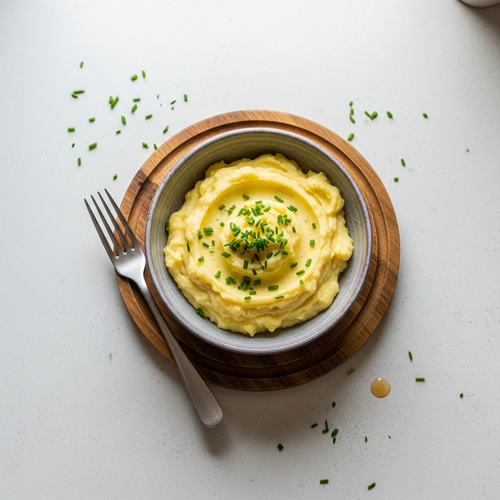
Description: The ultimate comfort food, redesigned for fat loss. These mashed potatoes are creamy, flavorful, and packed with protein to keep you full and satisfied for hours, all while being simple enough for any weeknight.
Prep Time: 10 minutes | Cook Time: 20 minutes
Servings: 6
Macros per Serving | Calories: 245 | Protein: 12g | Fat: 2g | Carbohydrates: 45g
Ingredients
- 2 lbs Yukon Gold potatoes, quartered
- 1 cup low-fat cottage cheese
- 1/4 cup nonfat milk, plus more as needed
- 4 cloves garlic, peeled
- 1 tablespoon fresh chives, chopped
- 1 teaspoon onion powder
- 1/2 teaspoon salt, or to taste
- 1/4 teaspoon black pepper, or to taste
- Reserved potato cooking water (as needed)
Instructions
- Place potatoes and garlic in a large pot, cover with cold salted water, and boil for 15-20 minutes until fork-tender.
- While potatoes cook, blend cottage cheese in a blender until completely smooth.
- Reserve 1 cup of potato cooking water, then drain the potatoes and garlic.
- Return potatoes and garlic to the hot pot. Add blended cottage cheese, milk, onion powder, salt, and pepper.
- Mash with a potato masher to your desired consistency. Do not overmix.
- Add reserved cooking water a little at a time if potatoes are too thick.
- Stir in fresh chives, taste, and adjust seasoning before serving.
Notes
For the creamiest texture, make sure the cottage cheese is blended until it has zero lumps. Yukon Gold potatoes are highly recommended over other varieties for this recipe.
FAQs About Mashed Potatoes For Weight Loss
Here are some straightforward answers to the most common questions I receive about this mashed potatoes recipe.
Can you taste the cottage cheese in these mashed potatoes?
This is the number one question I get, and it’s a fair one. The short answer is no, you can’t. The key is the blending step. When you blend cottage cheese on its own, it transforms from a lumpy product into a thick, smooth, and creamy liquid that is very similar in consistency to sour cream or heavy cream. There is a very slight, pleasant tang, much like you would get from buttermilk or sour cream, which actually brightens the flavor of the potatoes.
When you mix this smooth puree into the hot potatoes along with garlic, onion powder, and chives, any distinct cottage cheese flavor completely disappears. It simply registers as creaminess and richness. I’ve served this dish to many people who dislike cottage cheese, and not a single person has ever guessed the secret ingredient. It’s a truly seamless swap that adds incredible protein and texture without compromising on classic mashed potato flavor.
Are potatoes actually good for weight loss?
Yes, absolutely. Potatoes have gotten a bad reputation over the years, mostly because of how they are typically prepared: fried into french fries or loaded with butter, bacon bits, and sour cream. But the potato itself is a nutritional powerhouse, especially for weight loss. They are packed with nutrients like potassium and Vitamin C, but their real superpower is satiety.
Potatoes are one of the most filling foods you can eat, which means a modest portion can keep you feeling full and satisfied for a long time. This is a huge advantage when you’re in a calorie deficit because it helps control hunger and prevent overeating later in the day. The key is to prepare them smartly. By boiling them and mashing them with a high-protein ingredient like cottage cheese instead of high-fat ones, you get all the filling benefits in a macro-friendly package.
What’s the best way to make these mashed potatoes extra creamy?
There are a few key techniques to ensure you get the creamiest possible mashed potatoes. First, choose the right potato. Yukon Golds are my top choice because their waxy, buttery texture is naturally suited for a smooth mash. Second, don’t overcook or undercook them; they should be perfectly fork-tender. Third, make sure you drain them very well and let them steam dry for a minute in the hot pot. Excess water is the enemy of creamy potatoes.
The most important technique for this specific recipe is to use the reserved starchy potato water. After you’ve mashed in the cottage cheese and milk, if the potatoes still feel a bit stiff, add the warm potato water one tablespoon at a time. This starchy liquid helps emulsify everything together into a silky, smooth consistency without watering down the flavor. It’s a much better choice than adding more milk, which can make them too loose.
Can I make these high-protein mashed potatoes ahead of time?
Definitely. This is one of the best features of this recipe for anyone with a busy life or ADHD. You can easily make a big batch on a Sunday to use for quick meals throughout the week. They hold up very well in the fridge for up to four days. In fact, some people find the flavor is even better the next day as the garlic and chives have more time to meld with the potatoes.
When you’re ready to reheat, the best method is on the stovetop over low heat with a splash of milk to restore their creamy texture. The microwave works well too, just be sure to cover the dish and stir every 30-45 seconds to ensure they heat evenly. Making them ahead of time is a fantastic strategy to reduce daily cooking stress and ensure you always have a healthy, satisfying carb source ready to go.
What kind of potatoes work best for this mashed potatoes recipe?
The type of potato you choose has a significant impact on the final texture of your mashed potatoes. For this recipe, I will always recommend Yukon Gold potatoes as the first choice. They have a naturally dense, waxy texture and a rich, buttery flavor that requires less added fat to taste delicious. They mash up into a beautifully smooth and creamy consistency without becoming watery or mealy.
If you can’t find Yukon Golds, your next best bet would be red potatoes. They are also a waxy potato and will hold their shape well, resulting in a creamy, slightly denser mash. The one variety I would generally avoid for mashing is the Russet potato. Russets are very high in starch, which makes them great for baking or frying, but they can easily become gluey or gummy when mashed if you’re not extremely careful. Stick with Yukon Golds for the most foolproof, delicious result.
Try These High-Protein Recipes Next
If you enjoyed these practical and delicious mashed potatoes, here are a few other recipes designed to help you hit your goals without sacrificing flavor.
- High-Protein Potato Soup Recipe: A creamy, comforting soup that uses similar principles to pack in protein and keep you full.
- Easy High-Protein Beef Stew: The perfect companion for your mashed potatoes. This stew is rich, hearty, and incredibly simple to make.
- Roasted Garlic Mashed Potatoes with Brown Butter: For a day when you have more calories to play with, this recipe from This Gal Cooks offers a more indulgent, gourmet take on mashed potatoes.
Building a collection of simple, flexible recipes is the key to long-term success.