
I have a long history with the snickerdoodle. Growing up, it was the one cookie my mom made that felt like a special occasion. That soft, chewy texture with the slightly tangy, cinnamon-sugar crust was pure comfort. When I started my fat loss journey, those old comfort foods were the first things I thought I had to cut out forever.
That all-or-nothing mindset is a classic ADHD trap. It sets you up for failure. For months, I would be “perfect” and then fall off the wagon hard, often with a box of store-bought cookies that left me feeling sick and defeated. The cycle was brutal. I knew if I was going to make this lifestyle stick, I had to find a way to include the foods I loved, not banish them.
This high-protein snickerdoodle recipe is the direct result of that struggle. It took a lot of trial and error in the kitchen, a lot of hockey pucks and crumbly messes, to get it right. I needed a cookie that tasted like the real thing but worked for my goals, not against them. It had to be high in protein to keep me full, lower in calories, and simple enough to make on a day when my executive function was at zero.
This is that cookie. It’s a tool for sustainable fat loss, a way to build a flexible diet that feels like freedom, not a prison. It proves you can have your comfort food and still reach your fitness goals.
Skip to My Flexibe Diet Recipe!
Why Snickerdoodle Is Great For Fat Loss
Let’s be brutally honest. A cookie, by itself, doesn’t cause fat loss. A consistent calorie deficit does. But the right kind of cookie can make sticking to that deficit a hundred times easier, and that’s where this snickerdoodle recipe shines.
First, we put protein first. Each cookie is packed with protein from whey/casein powder and non-fat Greek yogurt. Protein is the most satiating macronutrient. It helps you feel fuller for longer, which crushes the random, nagging cravings that can derail your entire day. When you feel satisfied, you’re less likely to mindlessly snack or overeat at your next meal.
Second, this recipe is engineered for hunger management. We swapped out most of the sugar for a zero-calorie sweetener like erythritol and used oat and almond flour, which provide more fiber than traditional white flour. This combination helps prevent the massive blood sugar spike and crash you get from a regular cookie. That crash is what triggers more cravings, creating a vicious cycle. These cookies give you stable energy.
Finally, it embraces flexible eating. For those of us with ADHD, rigid rules often lead to rebellion. Instead of a “cheat meal” that can trigger a guilt spiral, you have a planned, macro-friendly treat. You can build one or two of these snickerdoodle cookies into your daily plan without an ounce of guilt. It feels like an indulgence, but it’s actually just another part of your strategy. This is how you build a system that lasts a lifetime, not just for a 30-day challenge.
Ingredients You’ll Need for Snickerdoodle
The magic of this recipe is in the smart ingredient swaps. We’re keeping all the classic snickerdoodle flavor while seriously upgrading the nutrition profile. These are simple, accessible ingredients that work together to create a soft, chewy, and satisfying cookie.
Here’s exactly what you’ll need to have on hand.
- 1/4 cup unsweetened applesauce
- 2 tablespoons light butter, softened
- 1/2 cup granular erythritol or monk fruit sweetener
- 1 large egg
- 1/2 cup plain non-fat Greek yogurt
- 1 teaspoon vanilla extract
- 1/2 cup oat flour
- 1/2 cup vanilla or snickerdoodle flavored whey/casein blend protein powder
- 1/4 cup almond flour
- 1 teaspoon cream of tartar
- 1/2 teaspoon baking soda
- 1/2 teaspoon ground cinnamon
- 1/4 teaspoon salt
For the Cinnamon-Sugar Coating:
- 2 tablespoons granular erythritol or monk fruit sweetener
- 1 tablespoon ground cinnamon
The key ingredient that makes this recipe work so well for both texture and macros is the whey/casein blend protein powder. Using a 100% whey powder can often result in a dry, rubbery texture when baked. The casein in the blend helps the cookie retain moisture, giving it a much softer, more authentic chew. If you can find a snickerdoodle or vanilla flavor, it will enhance the final product beautifully.
Another crucial component is the cream of tartar. This isn’t just for flavor. It’s an acid that reacts with the baking soda to give the cookies their signature lift and slight tang. Without it, you’ll have something closer to a simple cinnamon sugar cookie. It’s the ingredient that truly makes a snickerdoodle a snickerdoodle.
How To Make Snickerdoodle (Step-By-Step)
I designed these steps to be as straightforward as possible. No complicated techniques, just a simple process you can follow even on a low-energy day. The key is to read through the steps once before you start. That’s a great ADHD tip for avoiding surprises mid-recipe.
Step 1: Preheat Oven and Combine Wet Ingredients
First things first, get your oven preheating to 350°F (175°C). While it warms up, line a baking sheet with parchment paper. This is a non-negotiable step. It prevents sticking and makes cleanup a breeze. In a large bowl, use a hand mixer or a stand mixer to cream together the unsweetened applesauce, softened light butter, and granular sweetener. You want it to be light and smooth. Then, beat in the egg, Greek yogurt, and vanilla extract until everything is fully combined.
Step 2: Whisk Dry Ingredients and Combine
In a separate, medium-sized bowl, whisk together all your dry ingredients: the oat flour, protein powder, almond flour, cream of tartar, baking soda, cinnamon, and salt. Whisking them together first ensures everything is evenly distributed, so you don’t get a clump of baking soda in one cookie. Now, gradually add the dry mix to your wet ingredients. Mix only until it’s just combined. Overmixing develops the gluten and makes the cookies tough.
Step 3: Chill The Dough
The dough will be very soft, almost like a thick cake batter. This is normal for protein-based recipes. You must chill it for at least 30 minutes. This step solidifies the fats and allows the protein powder and flours to hydrate, making the dough much easier to handle. This is a perfect ADHD-friendly break. Set a timer on your phone for 30 minutes and walk away. Do something else. Come back when the timer goes off.
Step 4: Roll and Bake
While the dough chills, mix your coating ingredients—the granular sweetener and cinnamon—in a small bowl. Once chilled, scoop about 1.5 tablespoons of dough, roll it into a ball, and then roll it in the cinnamon-sugar mixture to coat it completely. Place the balls on your prepared baking sheet, leaving about 2 inches of space between them. Gently press down on the tops to flatten them slightly. Bake for 10-12 minutes. The edges should look set, but the centers will still be very soft. Let them cool on the baking sheet for 5 minutes before moving them to a wire rack. This is crucial as they finish setting up during this cooling time.
How To Serve Snickerdoodle (ADHD-Friendly)
Knowing how to incorporate treats like this snickerdoodle is just as important as the recipe itself. The goal is to use them strategically to support your lifestyle, not to create a free-for-all. For the ADHD brain, structure and planning are everything. Winging it is a recipe for disaster.
My favorite way to use these cookies is as a planned evening snack. After a long day, especially after dinner, the craving for something sweet can be intense. Having one or two of these with a cup of herbal tea is the perfect way to wind down. It satisfies the craving completely and the protein helps prevent late-night hunger pangs that might lead you back to the pantry.
Here are a few brutally practical ways to serve them:
- Post-Workout Refuel: The combination of protein and carbs makes this a great option to have within an hour after a tough workout. It helps replenish glycogen stores and provides protein for muscle repair.
- The 3 PM Slump Buster: Instead of reaching for a candy bar or a sugary coffee drink, have one snickerdoodle with a glass of water or a black coffee. It provides a little boost without the subsequent crash.
- A Planned Dessert: If you’re having a macro-friendly meal like grilled chicken and veggies, you have plenty of room to finish it with a cookie. It makes the entire meal feel more satisfying and less restrictive.
Here is the most important ADHD tip: plan it. Don’t leave it to chance. When you do your meal prep for the week, decide exactly when you’re going to eat your cookies. Write it down. “Tuesday, 8 PM: 2 snickerdoodle cookies.” By making the decision ahead of time, you eliminate the mental battle and decision fatigue later. It becomes part of the plan, not a deviation from it.
How To Store, Reheat, and Reuse Snickerdoodle
Proper storage is key to making your efforts in the kitchen last. These protein snickerdoodle cookies are great for meal prep, but you need to store them correctly to maintain their soft, chewy texture. Because they are made with Greek yogurt and applesauce, they have a higher moisture content than traditional cookies.
Your best bet for short-term storage is an airtight container at room temperature. They will stay fresh and soft for up to 3-4 days. If you stack them, placing a small piece of parchment paper between the layers can prevent them from sticking together, especially in a humid environment.
For longer-term storage, the freezer is your best friend. Here are two ADHD-friendly methods:
- Storing Baked Cookies: Allow the cookies to cool completely. Then, place them in a single layer on a baking sheet and pop them in the freezer for about an hour. This is called flash-freezing, and it prevents them from sticking together. Once solid, transfer them to a freezer-safe bag or container. They’ll last for up to 3 months. To eat, just let one sit on the counter for 15-20 minutes, or microwave for 10-15 seconds for a warm, fresh-from-the-oven experience.
- Storing Unbaked Dough: This is my favorite hack. After you roll the dough into balls and coat them in the cinnamon-sugar mixture, place them on a parchment-lined baking sheet and flash-freeze them. Once frozen solid, transfer the dough balls to a freezer bag. You can bake one or two directly from frozen whenever a craving strikes. Just add 2-3 minutes to the original baking time. This lowers the barrier to entry for having a healthy treat on hand.
By using these storage methods, you do the work once and reap the benefits for weeks. It’s a perfect system for busy lives and brains that get overwhelmed by too many steps.
Easy Swaps & Variations for Snickerdoodle
One of the core principles here at ADHD FIT is flexibility. A recipe is a template, not a set of unbreakable laws. If you don’t have an ingredient or have a specific dietary need, there are usually ways to adapt. This snickerdoodle recipe is no different. Just remember that changing ingredients, especially in baking, will alter the final texture and macros.
Here are some simple and reliable swaps you can make:
- For the Flours: If you don’t have oat flour, you can make your own by blending rolled oats in a high-speed blender until they reach a fine, flour-like consistency. All-purpose flour can also be substituted for oat flour in a 1:1 ratio, but you’ll lose some of the fiber. The almond flour adds moisture and a great texture, but if you have a nut allergy, you can replace it with more oat flour or protein powder, though the cookie may be a bit drier.
- For the Sweetener: Any granular, 1:1 sugar substitute will work here. Brands like Swerve or Lakanto are excellent choices. I don’t recommend using a liquid sweetener like maple syrup or honey, as it will throw off the wet-to-dry ingredient ratio and make the dough too sticky to handle.
- For the Protein Powder: While a whey/casein blend is best for texture, you can use 100% whey if that’s what you have. Be prepared for a slightly cakier, less chewy cookie. If you need a dairy-free option, a plant-based protein blend (like one made from pea and brown rice) can work, but you may need to add an extra tablespoon or two of applesauce or yogurt to compensate for its higher liquid absorption.
You can also add other flavors. A quarter teaspoon of nutmeg in the dough can add a lovely warmth, or you could mix in some finely chopped nuts for extra texture and healthy fats. The goal is to make the recipe work for you, your pantry, and your preferences.
High-Protein Snickerdoodle Cookies
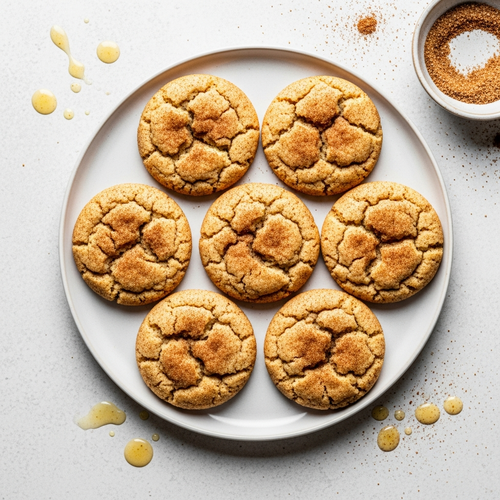
Description: A soft, chewy, and delicious snickerdoodle cookie packed with protein to satisfy your sweet tooth and support your fat loss goals. Perfectly designed for a flexible, ADHD-friendly lifestyle.
Prep Time: 10 minutes | Chill Time: 30 minutes | Cook Time: 12 minutes
Servings: 12 cookies
Macros per Serving | Calories: 85 | Protein: 7g | Fat: 3g | Carbohydrates: 8g
Ingredients
- 1/4 cup unsweetened applesauce
- 2 tablespoons light butter, softened
- 1/2 cup granular erythritol or monk fruit sweetener
- 1 large egg
- 1/2 cup plain non-fat Greek yogurt
- 1 teaspoon vanilla extract
- 1/2 cup oat flour
- 1/2 cup vanilla or snickerdoodle flavored whey/casein blend protein powder
- 1/4 cup almond flour
- 1 teaspoon cream of tartar
- 1/2 teaspoon baking soda
- 1/2 teaspoon ground cinnamon
- 1/4 teaspoon salt
- Coating: 2 tbsp granular erythritol + 1 tbsp ground cinnamon
Instructions
- Preheat oven to 350°F (175°C) and line a baking sheet with parchment paper.
- In a large bowl, cream together applesauce, butter, and sweetener. Beat in the egg, Greek yogurt, and vanilla.
- In a separate bowl, whisk together all dry ingredients (flours, protein powder, cream of tartar, baking soda, cinnamon, salt).
- Gradually add dry ingredients to wet ingredients, mixing until just combined.
- Chill the soft dough for at least 30 minutes.
- Combine coating ingredients in a small bowl.
- Scoop 1.5 tbsp of dough, roll into a ball, and coat in the cinnamon-sugar mixture.
- Place on the baking sheet, flatten slightly, and bake for 10-12 minutes.
- Cool on the pan for 5 minutes before transferring to a wire rack to cool completely.
Notes
The dough will be very soft before chilling—this is normal. Do not skip the chilling step! Using a whey/casein protein blend gives the best soft and chewy texture.
FAQs About Snickerdoodle For Weight Loss
Here are some straightforward answers to the most common questions I receive about this snickerdoodle recipe.
Can you really lose weight eating this snickerdoodle recipe?
Yes, absolutely. Weight loss comes down to maintaining a consistent calorie deficit over time, meaning you burn more calories than you consume. This recipe is designed to help you do that more easily. Each snickerdoodle is low in calories but high in protein. Protein is incredibly effective at promoting satiety, the feeling of fullness and satisfaction after a meal.
When you eat a protein-rich snack like this, you’re less likely to experience intense cravings or overeat later. Compare that to a traditional snickerdoodle, which is mostly sugar and fat. That kind of cookie can spike your blood sugar, leading to a crash and even more cravings. By making a smart swap, you’re not just saving calories; you’re actively managing your hunger, which is the biggest battle in any weight loss journey. These cookies are a tool for sustainability, not a magic pill.
Why does my protein snickerdoodle dough seem so sticky?
If you’re used to traditional cookie dough made with butter and flour, the texture of this protein snickerdoodle dough can be surprising. It’s much softer and stickier, and that’s completely normal. The primary reason is the protein powder. It absorbs liquid differently than flour and doesn’t contain the same gluten structure that gives regular dough its elasticity. We’re also using Greek yogurt and applesauce for moisture instead of a large amount of butter, which contributes to the softer consistency.
This is precisely why the chilling step is non-negotiable. Chilling the dough for at least 30 minutes allows the protein powder and flours to fully absorb the moisture and firms up the light butter and yogurt. This makes the dough manageable enough to roll into balls. If your dough is still too sticky after 30 minutes, you can try chilling it a bit longer or lightly wetting your hands before rolling. Resist the urge to add a lot more flour, as this will make the final cookies dry and dense.
What is the best protein powder for this snickerdoodle recipe?
For baking, not all protein powders are created equal. The best choice for this snickerdoodle recipe, and most protein baking in general, is a whey and casein blend. Whey protein digests quickly and can sometimes create a rubbery or dry texture when baked at high temperatures. Casein, on the other hand, is a slower-digesting protein that gels and thickens, which helps baked goods retain moisture and achieve a better crumb.
A blend gives you the best of both worlds, resulting in a cookie that is soft, chewy, and moist, rather than a tough, dry puck. Many brands offer vanilla, cinnamon, or even snickerdoodle-flavored blends that work perfectly here. While you can use 100% whey powder if it’s all you have, be aware that the texture of your cookies will likely be cakier and less chewy. If using a plant-based powder, look for a blend of different sources (like pea and rice) for a more balanced profile that behaves better in baking.
How can I make this snickerdoodle recipe without protein powder?
You can make a version of this snickerdoodle recipe without protein powder, but it’s important to understand that it will fundamentally change the recipe’s nutritional profile and purpose. The protein powder is a core component for hitting the high-protein macro goals that make this a great fat-loss tool. Without it, the cookies will be much lower in protein and higher in carbs.
To make the swap, you would replace the 1/2 cup of protein powder with an equal amount of oat flour or all-purpose flour. Since protein powder is very absorbent, you may also need to reduce one of the wet ingredients slightly. I would recommend starting by reducing the Greek yogurt by about two tablespoons. The resulting cookie will still be a lower-calorie, healthier alternative to a traditional snickerdoodle, but it won’t have the same hunger-curbing power.
Is cream of tartar necessary for a healthy snickerdoodle?
Cream of tartar plays a very specific role in a snickerdoodle recipe, and it has nothing to do with whether it’s healthy or not. It’s all about chemistry and flavor. Chemically, cream of tartar is an acid (tartaric acid) that reacts with baking soda (a base) to create carbon dioxide gas. This reaction is what gives the cookies their signature soft, pillowy lift. It also prevents sugar from crystallizing, contributing to a chewier texture.
From a flavor perspective, it provides the subtle, characteristic tang that distinguishes a snickerdoodle from a plain cinnamon sugar cookie. While you can technically make the recipe without it, you will lose that signature flavor and some of the texture. If you’re in a pinch, you can substitute the cream of tartar and the baking soda by using 1.5 teaspoons of baking powder instead. The cookies will still be delicious, but they won’t be true snickerdoodles.
Try These High-Protein Recipes Next
If you loved this brutally practical approach to fitting treats into your fat loss plan, you’ll love these other recipes.
- High-Protein Sugar Cookies: A soft, chewy, and macro-friendly take on another classic cookie, perfect for when you need a simple, satisfying dessert.
- Macro-Friendly Protein Cinnamon Rolls: Get all the gooey, delicious flavor of a cinnamon roll with a massive protein boost to keep you full and on track.
- Pumpkin Snickerdoodle Blondies: This recipe from This Gal Cooks is a fantastic twist on the classic flavor, combining pumpkin and snickerdoodle into a delicious blondie bar.
Give them a try and keep building a lifestyle you truly enjoy.