
If you told me ten years ago that I’d be eating a dip made from cottage cheese, I would have laughed. Back then, my go-to snack was a giant bag of tortilla chips and a jar of whatever store-brand salsa was on sale. It was my default comfort food, something I’d eat on the couch after a long day.
That habit was a big part of why I struggled with my weight for years. When I finally got serious about fat loss, I knew my mindless snacking had to change. But giving up the things I loved felt like a punishment, and that approach never works, especially for an ADHD brain that craves rewards.
I needed a version of my favorite snack that actually supported my goals. I needed something that would crush my cravings for salty, crunchy food without sending me into a spiral of overeating. This high-protein salsa is the result of that mission.
It’s packed with flavor and fiber, but the secret weapon is blended cottage cheese. It creates a creamy, satisfying base that keeps you full for hours. This isn’t just another dip. It’s a tool for sustainable fat loss that works with your brain, not against it.
Skip to My Flexibe Diet Recipe!
Why Salsa Is Great For Fat Loss
When it comes to fat loss, food is about 75 percent of the battle. The single biggest change you can make is eating meals that manage your hunger. If you’re not hungry all the time, you’re less likely to give in to cravings for high-calorie foods. This is where a recipe like this high-protein salsa becomes a game-changer.
The core of our approach is always protein first. Protein is the most satiating macronutrient, meaning it keeps you feeling full longer than carbs or fats. By blending in a full cup of low-fat cottage cheese, we turn a simple vegetable dip into a protein powerhouse. This helps you hit your protein goals, which is crucial for preserving muscle mass while you’re losing fat.
Second, we focus on hunger management through volume and fiber. This salsa is loaded with black beans, corn, and tomatoes. All of these ingredients are rich in fiber and water, which adds bulk to the meal without adding a ton of calories. You can eat a large, satisfying portion of this dip for a fraction of the calories you’d get from queso or a creamy ranch dip.
For the ADHD brain, this is huge. We often struggle with all-or-nothing thinking. One “bad” snack can lead to a “what the hell” moment where we abandon our goals for the rest of the day. This salsa provides that satisfying crunch and flavor we crave, but it does so in a way that fuels our body and keeps us on track. It’s a flexible, practical choice that prevents those spirals and makes consistency feel easy.
Ingredients You’ll Need for Salsa
One of the best parts about this recipe is its simplicity. Most of these ingredients are pantry staples, which means you can throw this together on a low-motivation day without a special trip to the store. No complicated steps, just simple, whole foods.
Here’s what you’ll need to make this high-protein salsa:
- 1 (15-ounce) can of black beans, rinsed and drained
- 1 cup of frozen or canned corn, drained
- 1 (15-ounce) can of fire-roasted diced tomatoes, drained
- 1 cup of low-fat cottage cheese
- 1/2 cup of diced red onion
- 1/2 cup of chopped fresh cilantro
- 1/4 cup of lime juice
- 1 jalapeño, seeded and minced
- 2 cloves of garlic, minced
- 1 teaspoon of chili powder
- 1/2 teaspoon of cumin
- Salt and black pepper to taste
The key ingredient here is, without a doubt, the low-fat cottage cheese. If the texture of cottage cheese is something you dislike, don’t worry. We’re going to blend it until it’s perfectly smooth and creamy, like a sour cream or crema. It adds a huge protein boost and a rich texture without a strong flavor, allowing the classic salsa ingredients to shine.
A quick note on a few other ingredients. Using fire-roasted diced tomatoes makes a surprising difference. They have a deeper, smokier flavor than regular canned tomatoes, which adds a layer of complexity with zero extra effort. Also, don’t be afraid to use frozen corn straight from the bag. Just let it thaw for a few minutes or run it under cool water. It’s a perfect shortcut that saves time and money.
How To Make Salsa (Step-By-Step)
This recipe is designed to be as low-effort as possible. We’re talking about 15 minutes of active prep time, and most of that is just chopping a few things. No cooking, no fancy techniques. Just mix and serve. This is the kind of recipe you can handle even when your executive function is at zero.
Step 1: Create the Creamy Base
Start by tackling the secret ingredient. In a blender or food processor, combine the cup of low-fat cottage cheese with the juice you reserved from the can of diced tomatoes. Don’t dump the tomato juice. It’s full of flavor and helps the cottage cheese blend into a perfectly smooth consistency. Blend on high for about 30–60 seconds, or until there are absolutely no lumps left. You’re looking for a texture similar to a thick sour cream. This step is critical for winning over any cottage cheese skeptics.
Step 2: Combine the Chunky Ingredients
Next, grab a large mixing bowl. An ADHD-friendly tip: always use a bigger bowl than you think you need. It prevents ingredients from flying out while you stir, which means less cleanup and less frustration. Into the bowl, add the rinsed black beans, drained corn, drained fire-roasted tomatoes, diced red onion, chopped cilantro, minced jalapeño, and minced garlic. Give these a quick stir to combine them.
Step 3: Mix It All Together
Now it’s time to bring everything together. Pour the creamy blended cottage cheese mixture from the blender over the ingredients in the large bowl. Use a rubber spatula to scrape the sides of the blender to make sure you get every last bit of that protein-packed base. Gently fold and stir everything together until the chunky ingredients are evenly coated in the creamy sauce.
Step 4: Season and Spice
Add the fresh lime juice, chili powder, and cumin to the bowl. Stir again until everything is well combined. Now is the time to taste it. Use a chip or a spoon and see what you think. Does it need more salt? A bit more pepper? Maybe another squeeze of lime? Adjust the seasonings to your personal preference. You are in control here.
Step 5: Let the Flavors Marry
This final step is optional but highly recommended. For the best flavor, cover the salsa and pop it in the refrigerator for at least 30 minutes. This gives all the individual flavors a chance to meld together into something truly delicious. This is a great step for our ADHD brains because it allows for “prep ahead” flexibility. You can make it hours before you plan to eat it, and it will only taste better.
How To Serve Salsa (ADHD-Friendly)
Thinking of this recipe as just a “salsa” is limiting. It’s a versatile, high-protein component that you can use in a bunch of different ways throughout the week. The key to a sustainable diet is having flexible options that prevent boredom, and this recipe delivers on that.
Of course, the most obvious way to serve it is as a dip. But instead of a standard bag of corn chips, which can be easy to overeat, let’s make some smarter choices. There are some great high-protein chip options on the market now, or you can use crunchy vegetables. Bell pepper strips, cucumber slices, celery sticks, and jicama sticks are all fantastic, low-calorie vehicles for this delicious dip.
Here are a few other ways to incorporate this salsa into your meals:
- As a Topping: Spoon it over grilled chicken breast, lean ground turkey, or baked fish. It adds a ton of flavor and moisture, turning a simple protein source into a satisfying meal.
- In a Salad: Use it as a creamy, high-protein dressing for a taco salad. Just add lettuce, your choice of protein, and a sprinkle of cheese for a complete, fat-loss-friendly meal.
- With Eggs: Mix it into your scrambled eggs or spoon it on top of an omelet for a boost of protein and flavor to start your day.
- In a Bowl: Create a quick burrito bowl by layering it over brown rice or quinoa with your favorite protein and some greens.
An ADHD-friendly tip for serving is to pre-portion it. As soon as you make the salsa, divide it into small, single-serving containers. This removes the guesswork and decision fatigue when you’re hungry. You can just grab a container and your pre-cut veggies and have a perfectly portioned, healthy snack ready to go. No thinking required.
How To Store, Reheat, and Reuse Salsa
One of the best things about this recipe is that it’s perfect for meal prep. It’s a no-cook recipe that actually gets better after a day in the fridge, making it an ideal choice when you need to plan ahead for a busy week. Proper storage is key to keeping it fresh and delicious.
To store the salsa, transfer it to an airtight container and place it in the refrigerator. It will stay fresh for up to four days. The flavors will continue to meld, so you might find you enjoy it even more on day two or three. Because of the cottage cheese, I do not recommend freezing this salsa, as it can separate and become watery upon thawing.
Since this is a cold dip, there’s no reheating required, which makes it an incredibly convenient grab-and-go option. You can eat it straight from the fridge. Here are a few great ways to reuse any leftovers so nothing goes to waste:
- Quick Lunch Wrap: Spread a layer of the salsa on a low-carb tortilla, add some shredded rotisserie chicken or lean deli turkey, and roll it up for a high-protein wrap in minutes.
- Stuffed Sweet Potato: Bake a sweet potato and top it with a generous scoop of the salsa and a sprinkle of feta cheese for a balanced and filling meal.
- Protein-Packed Quesadilla: Use it as a filling, along with some cheese and shredded chicken, in a whole wheat tortilla. Cook in a pan until golden and crispy.
Here’s a final ADHD-friendly storage tip: use a clear container and keep it at eye level in your fridge. We often struggle with object permanence. If we can’t see it, it doesn’t exist. Keeping this delicious salsa visible means you’re much more likely to remember you have it and actually eat it before it goes bad. It’s a simple trick that reduces food waste and keeps you on track with your goals.
Easy Swaps & Variations for Salsa
The best recipes are the ones you can adapt to what you have on hand or what you’re in the mood for. A rigid plan is a fragile plan, especially for those of us with ADHD. This salsa recipe is incredibly forgiving and easy to customize. Don’t be afraid to experiment and make it your own.
Being flexible means you’re more likely to stick with it. If you’re missing one ingredient, you don’t have to abandon the whole recipe and order takeout. You can just make a simple swap. This mindset is crucial for long-term consistency and success.
Here are some simple swaps and variations to try:
- For a Tangier Flavor: If you’re not a fan of cottage cheese or don’t have it, you can substitute an equal amount of plain Greek yogurt. It will provide a similar protein boost but will give the salsa a tangier, brighter flavor.
- Switch Up the Beans: No black beans? No problem. Rinsed and drained pinto beans or even chickpeas (garbanzo beans) work wonderfully in this recipe.
- Adjust the Heat Level: If you love spicy food, feel free to leave some of the seeds in the jalapeño or even add a second one. For a smokier heat, add a minced chipotle pepper in adobo sauce. If you prefer mild, you can omit the jalapeño entirely.
- Add More Veggies: Boost the fiber and crunch by adding a cup of finely diced bell peppers (any color works), jicama, or cucumber. Just be sure to dice them small.
- Fresh Add-Ins: For extra creaminess and healthy fats, you can add one diced avocado. Just be sure to add it right before serving to prevent it from browning.
These are just ideas to get you started. The goal is to create a recipe that you genuinely love and will eat consistently. Think of this recipe as a template, not a strict set of rules. Working with what you have reduces stress and makes healthy eating feel more achievable.
High-Protein Cottage Cheese Salsa
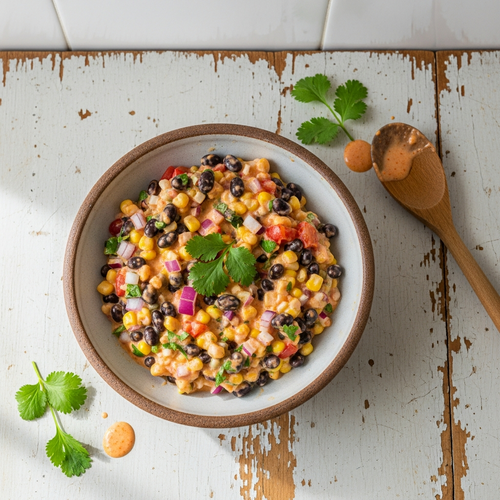
Description: A creamy, flavorful, and incredibly satisfying salsa packed with protein and fiber. This no-cook recipe is perfect for a healthy snack or meal component that supports fat loss and keeps you full for hours.
Prep Time: 5 minutes | Cook Time: 10 minutes
Servings: 6
Macros per Serving | Calories: 117 | Protein: 9g | Fat: 1g | Carbohydrates: 19g
Ingredients
- 1 (15-ounce) can of black beans, rinsed and drained
- 1 cup of frozen or canned corn, drained
- 1 (15-ounce) can of fire-roasted diced tomatoes, drained (reserve juice)
- 1 cup of low-fat cottage cheese
- 1/2 cup of diced red onion
- 1/2 cup of chopped fresh cilantro
- 1/4 cup of lime juice
- 1 jalapeño, seeded and minced
- 2 cloves of garlic, minced
- 1 teaspoon of chili powder
- 1/2 teaspoon of cumin
- Salt and black pepper to taste
Instructions
- In a blender, combine the cottage cheese and the juice from the can of diced tomatoes. Blend until completely smooth.
- In a large bowl, combine the black beans, corn, drained tomatoes, red onion, cilantro, jalapeño, and garlic.
- Pour the blended cottage cheese mixture over the ingredients in the bowl.
- Add the lime juice, chili powder, and cumin. Stir until everything is well combined.
- Season with salt and pepper to taste. For best results, chill for at least 30 minutes before serving.
Notes
For an extra flavor boost, use fresh lime juice instead of bottled. The salsa will keep in an airtight container in the refrigerator for up to 4 days.
FAQs About Salsa For Weight Loss
Here are some straightforward answers to the most common questions I receive about this salsa recipe.
Can you really lose weight by eating this high-protein salsa?
Yes, this high-protein salsa can absolutely be a powerful tool for weight loss, but it’s important to understand why. No single food causes weight loss. Fat loss happens when you consistently maintain a calorie deficit over time. This salsa helps you achieve that deficit by tackling one of the biggest challenges: hunger and cravings.
The combination of high protein from the cottage cheese and high fiber from the beans and corn is incredibly filling. When you eat a serving of this salsa, you’re going to feel much more satisfied than you would after eating the same number of calories from a bag of chips or a sugary snack. This satiety helps prevent you from overeating later in the day. It’s a strategy known as volume eating. You get to eat a large, satisfying amount of food for relatively few calories, making your calorie deficit feel much more manageable and less like a punishment.
How does this cottage cheese salsa taste?
This is probably the most common question I get, especially from people who are skeptical about cottage cheese. If you’re imagining a lumpy, tangy dip, you’re in for a pleasant surprise. The key is blending the cottage cheese until it’s completely smooth. When you do this, it loses its distinct texture and transforms into a creamy, neutral base, very similar to sour cream or Greek yogurt.
The dominant flavors in this salsa are the ones you’d expect: the smokiness from the fire-roasted tomatoes, the freshness of the cilantro and lime juice, the subtle heat from the jalapeño, and the savory notes of onion, garlic, and cumin. The blended cottage cheese simply provides a creamy texture that carries all those delicious flavors. Most people who try it can’t even tell it contains cottage cheese. It just tastes like a rich, creamy, and satisfying version of a classic bean and corn salsa.
What are the best things to eat with this salsa for fat loss?
What you pair with the salsa is just as important as the salsa itself. The goal is to build a snack or meal that is balanced, high in protein, and keeps you full. Mindlessly eating it with a family-sized bag of tortilla chips can easily undo the benefits of this healthy recipe. Instead, you want to be intentional with your choices.
For a classic dipping experience, your best bets are non-starchy vegetables. Sliced bell peppers, celery sticks, cucumber rounds, carrot sticks, and jicama sticks all provide a satisfying crunch with very few calories and extra nutrients. If you really crave that chip-like crunch, look for high-protein chip alternatives made from whey or pea protein. Just remember to stick to a single serving size. You can also use this salsa as a topping for lean proteins like grilled chicken, turkey burgers, or baked fish to create a complete, high-protein meal.
Can I make this salsa ahead of time for meal prep?
Absolutely. In fact, this salsa recipe is ideal for meal prep. It’s a “no-cook” recipe that you can assemble in about 15 minutes, making it a perfect task for a Sunday afternoon when you’re getting ready for the week. Not only can you make it ahead, but the flavor actually improves as it sits. Letting it rest in the fridge for a few hours, or even overnight, gives all the ingredients time to meld together, resulting in a deeper, more cohesive flavor.
I recommend making a big batch and then immediately portioning it into individual containers. This is a game-changer for anyone with ADHD. When hunger strikes during a busy weekday, you don’t have to think, measure, or make any decisions. You just grab a pre-portioned container from the fridge. It will stay fresh and delicious in an airtight container for up to four days, giving you a healthy and convenient snack option for most of the work week.
Is this salsa recipe good for someone with ADHD who hates cooking?
This recipe was practically designed for someone with ADHD who hates cooking. I understand the struggle with executive dysfunction, where even simple tasks can feel overwhelming. That’s why I focus on creating recipes with the fewest steps and least amount of friction possible. This salsa checks all the boxes for being ADHD-friendly.
First, it requires no actual cooking. You don’t have to turn on the stove or the oven. Second, it relies heavily on pantry staples like canned beans, corn, and tomatoes, which reduces the need for frequent grocery trips. You can also use shortcuts to lower the barrier to starting. Buy pre-chopped onion from the produce section or use minced garlic from a jar. The entire process is basically opening containers, doing some minimal chopping, and then blending and stirring. It’s a high-reward, low-effort recipe that gives you a delicious, healthy result without draining your limited energy reserves.
Try These High-Protein Recipes Next
If you enjoyed this simple and effective recipe, here are a few others you should try next.
- High-Protein Mexican Rice Recipe: A simple, one-pan meal that transforms a classic side dish into a complete, macro-friendly meal.
- Easy Taco Soup Recipe: This recipe is a perfect example of a “dump-and-go” meal that’s packed with flavor and protein, ideal for a low-energy weeknight dinner.
- Chipotle Peach Salsa: For another take on salsa, this recipe combines sweet peaches with smoky chipotle for a unique and delicious flavor profile.
Building a collection of simple, reliable recipes is the key to staying consistent on your fitness journey.