
For most of my life, stuffing was a once-a-year food. It was something I only ate at Thanksgiving, and I’d load up my plate because I knew I wouldn’t have it again for another 365 days. It felt like a guilty pleasure, a comfort food that was totally off-limits if you were trying to be healthy.
When I started my fitness journey and lost 65 pounds, I had to confront this all-or-nothing thinking. It’s a classic ADHD trap. We think things are either “good” or “bad,” on the plan or off the plan. But that mindset just leads to binge-and-restrict cycles. True sustainability comes from learning how to build the foods you love into your life, not from cutting them out.
That’s what motivated me to create this high-protein stuffing recipe. I wanted to prove that comfort food could also be fuel. I wanted a version that I could eat any time of year, one that would support my goals instead of derailing them.
This recipe is the result. It’s packed with protein and vegetables, it keeps you full for hours, and it has all the classic flavor you crave. It’s proof that you can have your stuffing and be fit, too.
Skip to My Flexibe Diet Recipe!
Why Stuffing Is Great For Fat Loss
I know what you might be thinking. Stuffing and fat loss in the same sentence? It sounds like a contradiction. Traditional stuffing is mostly bread and butter, which can be a recipe for a blood sugar spike and subsequent crash, followed by intense cravings.
But we do things differently here at ADHD FIT. We work with our brains, not against them. This recipe is engineered to be satisfying, filling, and macro-friendly. It’s built on our core principles: protein first, hunger management second, and convenience third.
The biggest change is the addition of a full pound of lean ground turkey. This immediately transforms the dish from a simple side into a balanced meal. Protein is the key to satiety. It digests slowly, keeping you feeling full and satisfied, which is a massive win for managing the impulsive snacking that can come with ADHD.
We also load it up with vegetables. Onions, celery, mushrooms, and carrots add tons of volume and fiber for very few calories. This helps fill your stomach and further promotes that feeling of fullness. More volume means you can eat a satisfyingly large portion without overdoing it on calories.
Finally, we make smart carb choices. Using high-protein or whole-wheat bread provides more fiber and nutrients than standard white bread. Paired with the protein and healthy fats from pecans, it helps stabilize your energy levels. This isn’t just a holiday treat; it’s a genuinely balanced meal that supports steady fat loss by keeping hunger and cravings under control.
Ingredients You’ll Need for Stuffing
The magic of this recipe is in its simplicity and the way each ingredient works together to create a balanced, flavorful meal. You don’t need a bunch of fancy or hard-to-find items. Most of these are kitchen staples, which is perfect for keeping things low-stress.
The star of the show is the lean ground turkey. This is what makes our stuffing a high-protein powerhouse. I recommend using 93/7 lean ground turkey. It has enough fat to keep it from drying out but is still lean enough to fit your macros. Don’t go for the 99% lean version here, as it can become tough and chewy when baked.
Here’s the full list of what you’ll need:
- 1 tablespoon olive oil
- 1 lb lean ground turkey
- 2 cups diced yellow onion
- 2 cups diced celery
- 2 cups sliced mushrooms
- 1 cup shredded carrots
- 2 cloves garlic, minced
- 12 slices high-protein or whole-wheat bread, cubed and toasted
- 1/4 cup chopped fresh parsley
- 2 tablespoons fresh sage, chopped
- 1 tablespoon fresh thyme, chopped
- 1 teaspoon fresh rosemary, chopped
- 1/2 cup unsweetened dried cranberries
- 1/2 cup chopped pecans
- 3 large eggs, beaten
- 3-4 cups low-sodium chicken or vegetable broth
- Salt and freshly ground black pepper to taste
A quick note on the bread. Using a high-protein or 100% whole-wheat bread really boosts the nutritional profile. To save time, you can cube the bread a day or two ahead and let it sit out on a baking sheet to dry. Stale bread absorbs the broth better without getting mushy.
And for the herbs, fresh is always best for flavor. However, I get it. Some days, chopping herbs feels like a monumental task. If you’re having a low-motivation day, you can substitute with dried herbs. Just use about one-third of the amount, so 2 teaspoons of sage, 1 teaspoon of thyme, and a 1/2 teaspoon of rosemary.
How To Make Stuffing (Step-By-Step)
This recipe is designed to be as straightforward as possible. We’re going to build layers of flavor in a few simple stages. The key is to do a little prep upfront, which makes the assembly process smooth and prevents that feeling of being overwhelmed in the kitchen.
Step 1: Preheat Your Oven
First things first, get that oven preheating to 375°F (190°C). This is a classic ADHD tip for task initiation. Do it before you even start chopping. That way, you won’t get everything assembled only to realize you have to wait 15 minutes for the oven to heat up. While it’s heating, lightly grease a 9×13 inch baking dish.
Step 2: Brown the Turkey
Heat the olive oil in a large skillet or Dutch oven over medium-high heat. A Dutch oven is great here because it’s big enough to eventually hold all the vegetables. Add the ground turkey and cook it until it’s browned, using a spoon to break it into small crumbles. A common mistake is overcooking it here. Just cook it until it’s no longer pink. It will finish cooking in the oven. Once it’s browned, remove it from the skillet with a slotted spoon and set it aside in a large bowl.
Step 3: Sauté the Vegetables
Don’t wipe out the skillet. All those little browned bits from the turkey are pure flavor. Add the diced onion, celery, and mushrooms to the same skillet and sauté them for 5-7 minutes. You want them to soften and release some of their moisture. Then, add the shredded carrots and minced garlic and cook for another 2 minutes until the garlic is fragrant. This process builds the aromatic base of the stuffing.
Step 4: Combine Everything in a Large Bowl
Grab the large bowl where you put the cooked turkey. Add your toasted bread cubes and the sautéed vegetables from the skillet. Give it a gentle toss to combine everything. This is also where you’ll mix in the fresh herbs (parsley, sage, thyme, rosemary), the dried cranberries, and the chopped pecans. Stir it all together so every bite will have a mix of flavors and textures.
Step 5: Add the Liquid and Season
In a separate, smaller bowl, whisk together the beaten eggs and 3 cups of the low-sodium broth. Pouring this mixture over the bread is better than adding them separately, as it ensures the egg is evenly distributed to act as a binder. Gently fold everything together until the bread cubes are evenly moistened. If it still looks dry, add up to one more cup of broth. Season it with salt and pepper now. Be generous.
Step 6: Bake the Stuffing
Transfer the stuffing mixture to your prepared 9×13 inch baking dish and spread it out evenly. Bake it, uncovered, for 30-40 minutes. You’ll know it’s done when the top is a beautiful golden brown and the center is set. Letting it rest for a few minutes after it comes out of the oven helps it hold its shape when you serve it.
How To Serve Stuffing (ADHD-Friendly)
One of the best things about this high-protein stuffing is that it’s so much more than a side dish. Because it has a great balance of protein, carbs, and fats, you can absolutely serve it as a standalone meal, especially for a quick and satisfying lunch.
For those of us with ADHD, reducing the number of decisions we have to make around mealtime is a huge win. This recipe simplifies that. You’ve got your protein, veggies, and carbs all in one dish. No need to cook three separate things. This helps prevent the “what’s for dinner” spiral that can lead to ordering takeout.
If you want to build a more traditional meal around it, here are some simple, low-effort ways to serve this stuffing:
- With Rotisserie Chicken: The ultimate convenience hack. Grab a pre-cooked rotisserie chicken from the grocery store. Serve a slice of chicken alongside a scoop of stuffing for a perfectly balanced meal in minutes.
- Topped with a Fried Egg: This is my go-to for a quick breakfast or lunch. A runny yolk creates a delicious sauce that pairs perfectly with the savory stuffing. It adds extra protein and healthy fats.
- Alongside a Simple Green Salad: To add some freshness, serve the stuffing with a side salad. Use a bagged salad mix and your favorite bottled vinaigrette. Zero chopping required.
An important ADHD-friendly tip is to portion it out as soon as it cools. Instead of putting the whole baking dish in the fridge, divide the stuffing into single-serving containers. This creates a “grab-and-go” meal system for the next few days. It removes the friction of having to scoop it out and decide on a portion size later, making it much more likely you’ll eat your planned meal.
How To Store, Reheat, and Reuse Stuffing
Meal prep is our secret weapon for staying on track, and this high-protein stuffing recipe is perfect for it. Making a big batch means you have delicious, healthy meals ready for several days. But proper storage is key to making sure it tastes just as good on day three as it did on day one.
Once the stuffing has cooled completely, transfer it to airtight containers. This is important. Letting it cool prevents condensation from building up inside the container, which can make the stuffing soggy. It will last in the refrigerator for up to 4 days. For longer storage, you can freeze it for up to 3 months. I recommend freezing it in individual portions for easy, single-serving meals later on.
Here are the best ways to reheat and reuse your leftover stuffing:
- Reheating in the Oven: For the best texture, reheat stuffing in an oven-safe dish at 350°F (175°C) for 15-20 minutes, or until heated through. Add a splash of chicken broth over the top before baking to keep it moist and delicious.
- Reheating in the Microwave: For a quick option, you can use the microwave. Place a serving on a plate, sprinkle with a little water or broth, and cover with a damp paper towel. Microwave for 1-2 minutes until hot.
- Creating Stuffing Patties: This is a fantastic way to reuse leftovers. Take a scoop of cold stuffing, form it into a patty with your hands, and pan-fry it in a lightly oiled skillet for a few minutes on each side until golden and crispy. Serve it with a fried egg on top.
Having a plan for leftovers is crucial for managing food waste and making your life easier. By using these simple storage and reheating methods, you can ensure your delicious stuffing is ready to go whenever you need a quick, healthy meal. It’s a practical system that supports a fit lifestyle without demanding perfection.
Easy Swaps & Variations for Stuffing
Flexibility is everything when it comes to sustainable eating. Life gets in the way, grocery stores run out of things, and sometimes you just want to try something new. This high-protein stuffing recipe is incredibly adaptable, so feel free to make it your own based on your dietary needs or what you have on hand.
Don’t let one missing ingredient stop you from making a recipe. That’s a classic ADHD hurdle that can derail a whole meal plan. Instead, think of recipes as templates, not strict rules. Embracing swaps and variations helps you build confidence in the kitchen and reduces the stress of needing everything to be perfect.
Here are some simple and effective swaps you can try with this stuffing:
- Protein Swaps: If you’re not a fan of turkey, lean ground chicken or even spicy Italian sausage (with the casings removed) work wonderfully. For a vegetarian option, you can use a plant-based ground “meat” substitute or a cup of cooked lentils or chickpeas.
- Bread Variations: Any sturdy, dry bread will work. Sourdough adds a nice tangy flavor, and cornbread gives it a slightly sweeter, more crumbly texture. For a gluten-free version, simply use your favorite gluten-free bread.
- Nut-Free Option: If you have a nut allergy, you can easily omit the pecans. For a similar crunch, try adding roasted pumpkin seeds or sunflower seeds instead.
- Vegetable Add-Ins: Feel free to clear out your vegetable drawer. Diced bell peppers, zucchini, or even some chopped kale or spinach (added in with the garlic) would be great additions to boost the fiber and nutrient content.
The goal is to create a meal that you enjoy and that fits your life. These variations allow you to customize the flavor and adapt the recipe to what’s available and affordable for you. It’s all about creating a system that works for you, not forcing yourself into a system that doesn’t.
High-Protein Turkey Stuffing
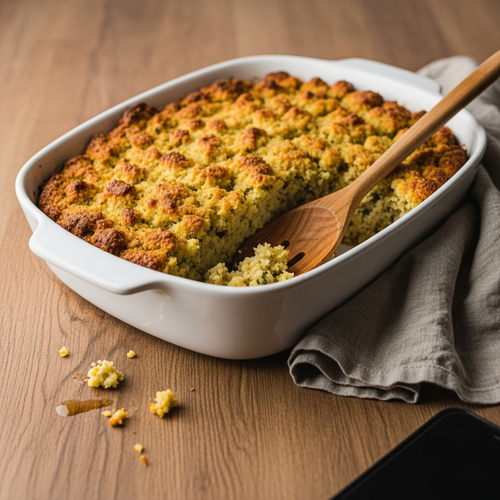
Description: A savory and satisfying stuffing packed with lean ground turkey, vegetables, and herbs. It’s a balanced, macro-friendly meal that’s perfect for the holidays or any weeknight.
Prep Time: 15 minutes | Cook Time: 40 minutes
Servings: 8
Macros per Serving | Calories: 352 | Protein: 26g | Fat: 15g | Carbohydrates: 28g
Ingredients
- 1 tablespoon olive oil
- 1 lb lean ground turkey
- 2 cups diced yellow onion
- 2 cups diced celery
- 2 cups sliced mushrooms
- 1 cup shredded carrots
- 2 cloves garlic, minced
- 12 slices high-protein or whole-wheat bread, cubed and toasted
- 1/4 cup chopped fresh parsley
- 2 tablespoons fresh sage, chopped
- 1 tablespoon fresh thyme, chopped
- 1 teaspoon fresh rosemary, chopped
- 1/2 cup unsweetened dried cranberries
- 1/2 cup chopped pecans
- 3 large eggs, beaten
- 3-4 cups low-sodium chicken or vegetable broth
- Salt and freshly ground black pepper to taste
Instructions
- Preheat oven to 375°F (190°C) and grease a 9×13 inch baking dish.
- In a large skillet over medium-high heat, cook ground turkey until browned. Remove turkey and set aside.
- In the same skillet, sauté onion, celery, and mushrooms until soft (5-7 mins). Add carrots and garlic and cook for 2 more minutes.
- In a large bowl, combine toasted bread, cooked turkey, and sautéed vegetables.
- Stir in fresh herbs, cranberries, and pecans.
- In a separate bowl, whisk eggs and 3 cups of broth. Pour over bread mixture and toss to combine. Add more broth if needed. Season with salt and pepper.
- Transfer to the baking dish and bake uncovered for 30-40 minutes, until golden brown. Let rest before serving.
Notes
To save time, use pre-chopped vegetables from the produce section. You can also toast the bread cubes a day in advance and leave them out to get stale, which improves the texture of the final dish.
FAQs About Stuffing For Weight Loss
Here are some straightforward answers to the most common questions I receive about this stuffing recipe.
Can I make this high-protein stuffing ahead of time?
Absolutely. This recipe is fantastic for making ahead, which is a lifesaver for anyone, but especially for those of us with ADHD who benefit from planning. Breaking tasks down into smaller steps makes them less overwhelming. You can prep this stuffing in a couple of different ways depending on your schedule.
Your first option is to do some component prep. You can chop all the vegetables and toast the bread cubes up to two days in advance. Store the chopped veggies in an airtight container in the fridge and the bread cubes in a bag at room temperature. On the day of, you just need to cook the turkey and assemble everything. This cuts down the active cooking time significantly.
Your second option is to fully assemble the stuffing the day before you plan to bake it. Follow the recipe right up until the baking step. Cover the baking dish tightly with foil and store it in the refrigerator for up to 24 hours. When you’re ready to bake, you may need to add an extra 10-15 minutes to the baking time since it will be starting from cold. This is a perfect strategy for a holiday meal to free up your oven and your time on the big day.
Is this stuffing recipe gluten-free?
As written, this stuffing recipe is not gluten-free because it uses whole-wheat bread. However, it is incredibly easy to make it gluten-free with one simple swap. All you need to do is substitute the whole-wheat bread with your favorite gluten-free bread. Look for a sturdy, rustic-style loaf, as it will hold its shape better and absorb the broth without turning into mush.
Make sure you still cube and toast the gluten-free bread just as you would with regular bread. Letting it dry out a bit is still the key to achieving the perfect texture. All the other ingredients in the recipe, like the turkey, vegetables, herbs, and broth (be sure to use a brand labeled gluten-free), are naturally gluten-free. It’s a simple substitution that allows anyone with a gluten sensitivity or celiac disease to enjoy this delicious, high-protein meal.
How can I make this stuffing vegetarian or vegan?
This recipe can be easily adapted for a vegetarian or vegan diet. To make it vegetarian, the main swap is the protein. Replace the pound of ground turkey with a pound of plant-based ground “meat” substitute. Brands like Beyond Meat or Impossible Foods work very well. Alternatively, you can use two cans of drained and rinsed lentils or chickpeas for a whole-food option. You will also need to use vegetable broth instead of chicken broth.
To make the stuffing fully vegan, you’ll make those same substitutions (plant-based ground and vegetable broth) and one additional change. The eggs in this recipe act as a binder. You can replace the three large eggs with a “flax egg.” To do this, mix three tablespoons of ground flaxseed with nine tablespoons of water. Let the mixture sit for about 5-10 minutes until it becomes gelatinous, and then use it in place of the eggs. With these simple swaps, you can create a delicious plant-based version of this classic comfort food.
What’s the best bread to use for stuffing?
The type of bread you use has a big impact on the final texture of your stuffing. The ideal bread is one that is sturdy and somewhat dense. You want a bread that can absorb all the flavorful broth without completely falling apart and turning into a soggy mess. This is why standard, soft sandwich bread isn’t the best choice.
For this recipe, a high-quality whole-wheat or high-protein bread is a great option because it aligns with our fat loss goals and provides more fiber and nutrients. Other excellent choices include sourdough, which adds a wonderful tangy flavor, or a rustic country loaf. Even day-old French bread or challah can work well. The most important step, regardless of the bread you choose, is to make sure it’s dry and stale. Cubing it and letting it sit out overnight, or toasting it lightly in the oven, is the secret to perfect stuffing texture every time.
How do I keep my stuffing from getting soggy?
Soggy stuffing is a common problem, but it’s completely avoidable with a few key techniques. The first and most important step is using dry, stale bread, as we just discussed. Dry bread acts like a sponge, soaking up the broth effectively without becoming waterlogged. If your bread is fresh and soft, it will disintegrate when it gets wet.
The second factor is the ratio of liquid to bread. This recipe calls for 3-4 cups of broth. Start by adding 3 cups of the broth mixture and gently tossing everything. The bread should be moist, but not swimming in liquid. If there are still large dry pockets, you can add the last cup, a little at a time. It’s better to have a slightly drier stuffing going into the oven than one that’s too wet.
Finally, baking the stuffing uncovered is crucial. This allows the moisture on the surface to evaporate, creating that beautiful golden-brown, slightly crispy top. The contrast between the crispy top and the moist interior is what makes great stuffing. If you cover it with foil, steam gets trapped inside, which can lead to a uniformly soggy texture.
Try These High-Protein Recipes Next
If you loved this flexible and macro-friendly approach to comfort food, here are a few other recipes you should try.
- Easy High-Protein Stuffed Peppers: This is another fantastic all-in-one meal that’s perfect for meal prep and loaded with protein and veggies.
- Simple High-Protein Deviled Eggs: A perfect high-protein snack that’s easy to make and helps crush cravings between meals.
- Best Bread Stuffing Recipe for Thanksgiving: For a more traditional take on stuffing, this recipe is a classic and provides a great comparison to our high-protein version.
Each of these recipes follows the same core principles of being simple, delicious, and supportive of your fitness goals.