
Scalloped potatoes used to be one of those forbidden foods for me. It was a holiday-only dish, loaded with so much heavy cream, butter, and cheese that you could feel your arteries hardening with every bite. It was delicious, but it was the definition of a “cheat meal.” A dish that felt completely off-limits when I started my journey to lose 65 pounds.
For the longest time, I just avoided it. I told myself it wasn’t compatible with a fit lifestyle. But as I learned more about sustainable fat loss, especially with an ADHD brain that rebels against extreme restriction, I realized that was the wrong approach. The goal isn’t to eliminate the foods you love. It’s to rebuild them to work for you.
That’s what this recipe is all about. This is my answer to that craving for rich, creamy, cheesy potatoes. It took a lot of experimenting, but I figured out how to get that same comforting texture and flavor without the insane calorie and fat load. I wanted to create a version of scalloped potatoes that I could eat regularly, as part of a balanced meal, without derailing my progress.
This recipe is proof that you can have your comfort food and hit your fitness goals too. It’s a core principle here at ADHD FIT. We don’t do rigid rules. We build flexible systems that make consistency feel easy.
Skip to My Flexibe Diet Recipe!
Why Scalloped Potatoes Is Great For Fat Loss
I know what you’re thinking. “Jacob, how can a dish called scalloped potatoes possibly be good for fat loss?” It’s a fair question. Traditional recipes are a calorie bomb, packed with heavy cream and full-fat cheese. They taste amazing, but they can easily blow your entire calorie budget for the day in one serving.
But this recipe is different. We built it from the ground up with fat loss macros in mind.
First, we tackle the sauce. Instead of heavy cream, we create a rich, creamy base using skim milk, chicken broth, and our secret weapon: non-fat plain Greek yogurt. This simple swap slashes the fat content and significantly boosts the protein. More protein means you feel fuller for longer, which is critical for managing hunger and cravings. That’s a huge win when you’re in a calorie deficit.
Next, let’s talk about the potatoes themselves. Potatoes have gotten a bad rap, but they are an excellent carb source for fat loss. They are a whole food, packed with nutrients like potassium, and are incredibly satiating. According to the Satiety Index, which ranks foods by how full they make you feel, boiled potatoes are number one. This dish keeps you satisfied, preventing you from reaching for junk food an hour later.
This approach embodies our principle of flexible eating. You’re not eating a “cheat meal.” You are eating a delicious, comforting side dish that is engineered to fit within your calorie and macro targets. It satisfies the part of your ADHD brain that craves comfort and dopamine from food, while still moving you closer to your goals. That is how you build a sustainable lifestyle, not a temporary diet.
Ingredients You’ll Need for Scalloped Potatoes
The magic of this recipe is in the ingredient list. We are using simple, smart swaps to transform this dish from a heavy indulgence into a macro-friendly staple. There are no weird, hard-to-find diet products here. Just real food used in a strategic way to support your fat loss goals.
The key is focusing on reducing fat while increasing protein and flavor.
-
2 lbs Yukon Gold potatoes, thinly sliced into 1/8-inch rounds
-
1 tbsp light butter
-
1 medium yellow onion, finely chopped
-
2 cloves garlic, minced
-
2 tbsp all-purpose flour
-
1 ½ cups skim milk
-
1 cup low-sodium chicken or bone broth
-
½ cup non-fat plain Greek yogurt
-
1 tsp onion powder
-
1 tsp dried thyme
-
½ tsp paprika
-
Salt and freshly ground black pepper to taste
-
1 ½ cups reduced-fat sharp cheddar cheese, shredded and divided
-
¼ cup grated Parmesan cheese
-
Fresh chives, chopped for garnish (optional)
The absolute star of this transformation is the non-fat plain Greek yogurt. This is what gives our sauce that thick, creamy, and tangy quality you’d normally get from sour cream or heavy cream, but for a fraction of the calories and a massive dose of protein. It’s a game-changer.
For the potatoes, I strongly recommend Yukon Golds. Their waxy, buttery texture holds its shape well when baked and contributes to the creamy consistency of the dish. Plus, their skin is so thin you don’t even need to peel them. Just give them a good scrub. That’s an ADHD-friendly shortcut I can always get behind.
When it comes to cheese, shredding your own from a block of reduced-fat sharp cheddar will give you the best melt and flavor. Pre-shredded cheeses contain starches to prevent caking, which can make your sauce gritty. The extra two minutes of work is worth it.
How To Make Scalloped Potatoes (Step-By-Step)
Making these scalloped potatoes is a straightforward process. The key is to break it down into manageable chunks. Don’t try to do everything at once. Put on some music or a podcast, and let’s get started.
We’ll start by making the sauce, then layer everything together, and let the oven do the heavy lifting.
Step 1: Prep Your Oven and Dish
First things first, preheat your oven to 400°F (200°C). Getting the oven hot ahead of time is crucial for an even bake. While it’s heating, lightly grease a 9×13 inch baking dish. A quick spray of cooking oil or a wipe with a paper towel and a little light butter works perfectly. This prevents the bottom layer of potatoes from sticking and makes cleanup much easier.
Step 2: Build Your Flavor Base
In a large saucepan or a Dutch oven, melt the light butter over medium heat. Add your finely chopped onion and let it cook until it’s soft and translucent, which usually takes about 5 minutes. Then, stir in the minced garlic. A common mistake is adding the garlic too early and burning it, which makes it bitter. Just cook it for about a minute until you can smell that amazing aroma.
Step 3: Create the Sauce
Sprinkle the flour over the cooked onions and garlic. Whisk it all together and let it cook for one minute. This step, called making a roux, is what will thicken our sauce. Now, gradually pour in the skim milk and chicken broth, whisking constantly. Doing this slowly is the secret to a smooth, lump-free sauce. Bring the mixture to a simmer, and let it bubble gently until it starts to thicken. Don’t walk away here; give it an occasional stir.
Step 4: Make It Creamy and Cheesy
Once the sauce has thickened, remove the pan from the heat. This is important. Adding the Greek yogurt while the sauce is boiling can cause it to curdle. Stir in the Greek yogurt, onion powder, thyme, paprika, salt, and pepper. Finally, add 1 cup of the shredded cheddar cheese and stir until it’s completely melted and the sauce is velvety smooth.
Step 5: Layer the Casserole
Now for the assembly. Arrange half of your thinly sliced potatoes in an even layer in the bottom of your prepared baking dish. Pour half of that beautiful cheese sauce over the top. Repeat the process with the remaining potatoes and the rest of the sauce. Sprinkle the last ½ cup of cheddar and the Parmesan cheese over the very top.
Step 6: Bake to Perfection
Cover the baking dish tightly with aluminum foil. This traps the steam and ensures the potatoes cook all the way through until they are tender. Bake for 45 minutes. Then, carefully remove the foil and bake for another 20-30 minutes. This final uncovered bake is what gets the top golden brown and bubbly. Let it rest for 10 minutes before serving. This allows the sauce to set up properly.
How To Serve Scalloped Potatoes (ADHD-Friendly)
One of the best things about these scalloped potatoes is how they fit into a truly satisfying and balanced meal. This isn’t just a carb-heavy side dish. It’s a component of a high-protein, hunger-crushing plate that supports your goals and feels like a reward.
Remember our core principle: protein first. To make this a complete fat-loss meal, you must pair it with a solid source of lean protein. This combination of protein and the satisfying carbs from the potatoes will keep your energy levels stable and your hunger managed for hours. No post-meal energy crash or cravings an hour later.
Here are some simple, ADHD-friendly ways to build your plate:
-
With Grilled Chicken: A simple salt-and-pepper grilled chicken breast is a perfect partner. You can meal prep a batch of chicken over the weekend to make weeknight dinners incredibly fast.
-
Alongside Baked Fish: A piece of baked cod or salmon with a squeeze of lemon offers lean protein and healthy fats. It’s quick to cook while the potatoes are resting.
-
Paired with Pork Tenderloin: A roasted pork tenderloin is another fantastic lean protein option that feels like a fancy dinner but is surprisingly easy to make.
Don’t forget to add a vegetable for fiber and nutrients. A handful of steamed green beans, roasted broccoli, or a simple side salad with a light vinaigrette rounds out the meal perfectly. The goal is a plate that is one-third protein, one-third scalloped potatoes, and one-third green vegetables.
For an ADHD brain, meal prep is your superpower. You can bake this entire casserole on a Sunday. Then, portion it out into containers with your cooked protein and veggies. Now you have 5-6 delicious, ready-to-heat meals that will prevent you from making impulsive food choices when you’re tired and hungry during the week.
How To Store, Reheat, and Reuse Scalloped Potatoes
Leftovers are a gift to your future self, especially when you have ADHD. Having a delicious, pre-made meal ready to go can be the difference between staying on track and ordering takeout. These scalloped potatoes store and reheat beautifully, so make a full batch even if you’re just cooking for one or two.
Proper storage is simple. The most important step is to let the casserole cool down to room temperature before you cover and refrigerate it. Putting a hot dish in the fridge can create condensation and make the leftovers watery.
ADHD Tip: Set a timer on your phone for 60 minutes after you take it out of the oven. Label it “Refrigerate potatoes.” This prevents the common scenario of forgetting it on the counter all night.
Here’s how to handle storage and reheating:
-
In the Refrigerator: Once cooled, transfer the potatoes to an airtight container or cover the baking dish tightly with plastic wrap. They will stay fresh and delicious in the fridge for up to 4 days.
-
Reheating in the Oven: This is the best method for maintaining texture. Place a portion in an oven-safe dish, cover with foil, and heat at 350°F (175°C) for 15-20 minutes, or until warmed through. The foil prevents the top from burning before the inside is hot.
-
Reheating in the Microwave: For a quick and easy option, the microwave works great. Place a serving on a microwave-safe plate, cover it with a damp paper towel, and heat in 60-second intervals until hot. The sauce might look a little separated at first, but a quick stir will bring it right back together.
-
Freezing Instructions: While you can freeze scalloped potatoes, be aware that the texture of the potatoes can become slightly grainier after thawing. For best results, freeze in individual, airtight portions. Thaw overnight in the refrigerator before reheating using one of the methods above.
Don’t be afraid to get creative with your leftovers. You can mash them up and form them into patties to pan-fry as potato cakes for breakfast. Or, use them as a topping for a shepherd’s pie. A little creativity turns one night of cooking into several easy meals.
Easy Swaps & Variations for Scalloped Potatoes
One of the pillars of the ADHD FIT method is flexibility. A recipe should be a guide, not a rigid set of rules. Your life is busy, and sometimes you don’t have the exact ingredient on hand, or you just want to change things up. This scalloped potatoes recipe is very forgiving and easy to adapt.
Think of this recipe as your base template. You can customize it to fit your dietary needs, your taste preferences, or simply what you have in your pantry. The core technique of creating a lighter, protein-boosted cheese sauce will work with a variety of tweaks.
Here are a few simple swaps and additions to try:
-
Make it Gluten-Free: To make this recipe gluten-free, simply replace the 2 tablespoons of all-purpose flour with a good quality cup-for-cup gluten-free flour blend. The rest of the ingredients are naturally gluten-free.
-
Go Vegetarian: This is an easy switch. Just use a flavorful vegetable broth instead of the chicken or bone broth. The taste will be just as delicious.
-
Switch Up the Cheeses: While reduced-fat sharp cheddar is great for flavor and macros, feel free to experiment. A mix of Gruyère and Parmesan would be amazing, or try a reduced-fat Monterey Jack or Pepper Jack for a spicier kick.
-
Boost the Veggies: You can easily sneak in more vegetables. Try layering in thinly sliced zucchini, yellow squash, or even some wilted spinach between the potato layers. This adds nutrients and fiber without many extra calories.
-
Add a Protein Boost: Turn this side dish into a complete one-pan meal by adding a layer of cooked, lean protein. Diced ham, shredded chicken, or cooked lean ground turkey work wonderfully layered among the potatoes.
Don’t be afraid to play with the spices either. A pinch of nutmeg in the sauce is a classic addition, or add a dash of cayenne pepper if you like a little heat. The goal is to create a dish you genuinely love and will want to make again and again.
High-Protein Scalloped Potatoes
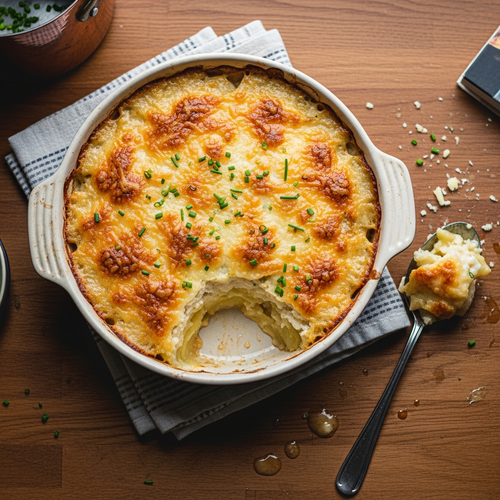
Description: A creamy, cheesy, and comforting scalloped potatoes recipe rebuilt for a fat loss lifestyle. Packed with protein and flavor, this dish proves you don’t have to give up your favorite foods to reach your goals.
Prep Time: 20 minutes | Cook Time: 75 minutes
Servings: 8
Macros per Serving | Calories: 214 | Protein: 16g | Fat: 6g | Carbohydrates: 25g
Ingredients
- 2 lbs Yukon Gold potatoes, thinly sliced
- 1 tbsp light butter
- 1 medium yellow onion, finely chopped
- 2 cloves garlic, minced
- 2 tbsp all-purpose flour
- 1 ½ cups skim milk
- 1 cup low-sodium chicken broth
- ½ cup non-fat plain Greek yogurt
- 1 tsp onion powder & 1 tsp dried thyme
- ½ tsp paprika, plus salt & pepper
- 1 ½ cups reduced-fat sharp cheddar cheese, shredded & divided
- ¼ cup grated Parmesan cheese
- Fresh chives for garnish (optional)
Instructions
- Preheat oven to 400°F (200°C) and grease a 9×13 inch baking dish.
- Melt butter in a saucepan over medium heat. Cook onion until soft (5 min), then add garlic (1 min).
- Whisk in flour and cook for 1 minute. Gradually whisk in milk and broth until smooth. Simmer until thickened.
- Remove from heat. Stir in Greek yogurt, spices, and 1 cup of cheddar cheese until smooth.
- Layer half the potatoes in the baking dish, top with half the sauce. Repeat with remaining potatoes and sauce.
- Sprinkle with remaining cheddar and Parmesan.
- Cover with foil and bake for 45 minutes. Remove foil and bake for 20-30 more minutes until golden and bubbly.
- Rest for 10 minutes before serving.
Notes
Using a mandoline slicer (with a guard!) makes slicing the potatoes much faster and more uniform. For the best melting, shred your own cheese from a block.
FAQs About Scalloped Potatoes For Weight Loss
Here are some straightforward answers to the most common questions I receive about this scalloped potatoes recipe.
Can you really eat scalloped potatoes and still lose weight?
Yes, absolutely. The most important factor in weight loss is maintaining a consistent calorie deficit, meaning you consume fewer calories than your body burns. This recipe is specifically designed to help you do that without feeling deprived. By making smart swaps like using Greek yogurt and skim milk instead of heavy cream, we dramatically lower the calorie and fat content compared to a traditional recipe.
A single serving is around 214 calories, which can easily fit into a well-planned day of eating. The key is to treat it as part of a balanced meal. Pair a reasonable portion with a lean protein source like chicken or fish and a large serving of green vegetables. This combination keeps you full and satisfied, making it easier to stick to your calorie goals for the rest of the day. It’s about integration, not elimination.
What makes these scalloped potatoes healthier than a classic recipe?
The health-focused modifications in this recipe are all about maximizing flavor and satisfaction while minimizing empty calories and unhealthy fats. The single biggest change is replacing heavy cream, which is almost entirely saturated fat, with a combination of skim milk and non-fat Greek yogurt. This move not only slashes hundreds of fat calories but also adds a significant amount of high-quality protein, which aids in muscle maintenance and satiety.
We also use a very small amount of light butter for flavor, relying more on aromatics like onion and garlic. We use reduced-fat sharp cheddar cheese, which provides a strong, cheesy flavor for fewer calories than its full-fat counterpart. By focusing on whole-food ingredients like potatoes and adding protein wherever possible, we’ve turned a dish that is typically just fat and carbs into a much more balanced and macro-friendly option.
Are potatoes bad for you when trying to lose fat?
This is one of the biggest myths in the fitness world. Potatoes are not bad for you. In fact, they can be an incredible tool for fat loss. Potatoes are a whole, unprocessed carbohydrate source packed with nutrients like potassium and vitamin C. They are also one of the most satiating foods on the planet. This means they make you feel very full for the number of calories you eat, which is a massive advantage when you are trying to manage hunger.
The problem isn’t the potato itself; it’s how it’s often prepared. Deep-frying them in oil to make french fries or loading them with butter and sour cream is what makes them a high-calorie food. In this recipe, we bake them in a light, protein-rich sauce, preserving their nutritional benefits and leveraging their satiating power to help you stay on track with your diet.
How can I make the prep for these scalloped potatoes easier with ADHD?
I designed this with the ADHD brain in mind, but there are always ways to make it even simpler on low-motivation days. First, embrace shortcuts. Use a jar of pre-minced garlic or frozen chopped onions. No shame in that. The biggest time-saver is using a mandoline slicer to slice the potatoes. Please use the safety guard! It will give you perfect, even slices in a fraction of the time it takes with a knife.
You can also use a technique called “task batching.” Slice your potatoes and chop your onion one day. The next day, make the sauce and assemble the casserole. Breaking it down into smaller, less intimidating steps can help with task initiation. And finally, put on a podcast or your favorite album. Turning cooking into a more engaging sensory experience can make a world of difference when you’re struggling with focus.
Can I add protein directly to this scalloped potatoes recipe?
Absolutely, and this is a fantastic strategy for making it a complete, one-pan meal. This is a perfect ADHD-friendly hack for simplifying dinner. You can easily layer in a cooked protein source along with the potatoes and sauce. Some great options include cooked, shredded chicken breast, lean ground turkey that you’ve browned beforehand, or even diced lean ham.
To do this, you would simply add a layer of your cooked protein between the two layers of potatoes. So it would go: potatoes, sauce, protein, potatoes, sauce, and then the cheese topping. It doesn’t typically require any change in baking time since the protein is already cooked. This method ensures you’re getting that crucial protein in your meal without having to prepare a separate main course, saving you time and cleanup.
Try These High-Protein Recipes Next
If you loved this approach to making a classic comfort food fit your fitness goals, here are a few other recipes you should try.
-
High-Protein Mashed Potatoes: We use the same Greek yogurt trick to make the creamiest, most delicious mashed potatoes you’ve ever had.
-
The Best High-Protein Mac and Cheese: A truly unbelievable mac and cheese that is packed with protein and perfect for a satisfying meal.
-
Scalloped Potatoes Au Gratin: For a different take, this recipe from This Gal Cooks offers a delicious au gratin version that is pure comfort.
Give these a try and see how easy it can be to eat the foods you love while building the body you want.