
Bread pudding used to feel like one of those forbidden foods. It was something I loved growing up, a warm, comforting dessert that was basically the definition of “off-limits” when I started my fat loss journey. For years, I avoided it completely, associating it with sugar crashes and dietary train wrecks. I figured it was just another thing I had to sacrifice to lose the 65 pounds I needed to get rid of.
But that all-or-nothing thinking is a classic ADHD trap. It’s the kind of mindset that leads to burnout and giving up entirely. Once I started building a sustainable lifestyle, I realized the goal wasn’t to eliminate foods I loved. The goal was to re-engineer them to work for my body, not against it. This high-protein, low-calorie bread pudding is the result of that shift.
I wanted to create a version that satisfied my cravings for comfort food while packing a serious protein punch to keep me full and support my workouts. It had to be simple, because on low-motivation days, complicated recipes are a non-starter. This recipe is proof that you can have your pudding and eat it too, without derailing your progress. It’s become a staple for me, both before and after I started medication, because it’s flexible, satisfying, and brutally practical.
Skip to My Flexibe Diet Recipe!
Why Bread Pudding Is Great For Fat Loss
When you hear “bread pudding,” fat loss is probably the last thing that comes to mind. Traditional recipes are loaded with heavy cream, butter, and mountains of sugar, which sends calories through the roof. But this recipe is a completely different animal. We’ve strategically rebuilt it from the ground up to support your fitness goals, not sabotage them.
The secret is simple. We focus on protein first. This recipe is packed with high-quality protein from four different sources: whey protein powder, liquid egg whites, non-fat Greek yogurt, and blended low-fat cottage cheese. This massive protein hit does two critical things. First, it keeps you feeling full and satisfied for hours, which is your number one defense against cravings and overeating. Second, it provides the essential building blocks your body needs to maintain and build lean muscle, which is vital for a healthy metabolism.
We also slash the sugar and fat content. Instead of refined sugar, we use a natural, zero-calorie sweetener like erythritol or monk fruit. The creamy texture comes from the Greek yogurt and blended cottage cheese, not from heavy cream. This completely changes the macro profile, turning a calorie bomb into a balanced meal or snack. This isn’t a “cheat meal.” This is a smart, flexible meal that fits perfectly into a fat loss plan. It allows you to enjoy a comforting classic while consistently hitting your protein targets and staying in a calorie deficit.
Ingredients You’ll Need for Bread Pudding
The magic of this recipe is in its simplicity and the smart swaps we make. You do not need a long, complicated list of ingredients to make a delicious and satisfying bread pudding. We focus on nutrient-dense foods that work together to create that classic flavor and texture without the extra calories and sugar.
Here’s exactly what you’ll need to have on hand:
- 6 slices of Ezekiel bread, cubed and left out to dry for a few hours
- 1 cup unsweetened almond milk
- 1/2 cup liquid egg whites
- 1/2 cup plain non-fat Greek yogurt
- 1/2 cup low-fat cottage cheese, blended until smooth
- 1/4 cup vanilla whey protein powder
- 1/4 cup erythritol or a monk fruit sweetener blend
- 1/4 cup unsweetened applesauce
- 1 teaspoon vanilla extract
- 1 teaspoon cinnamon
- 1/2 teaspoon nutmeg
- Pinch of salt
- Cooking spray
The key players here are the blended cottage cheese and Greek yogurt. These two ingredients are the secret weapon. They replace the traditional heavy cream and butter, providing an incredible creamy texture and a huge boost of protein for a fraction of the fat and calories. Blending the cottage cheese until it’s perfectly smooth is a non-negotiable step. It eliminates the curd texture and creates a silky custard base.
For the bread, I strongly recommend Ezekiel bread. It’s made from sprouted grains, which means it has more protein, fiber, and nutrients than most other breads. Letting it dry out is crucial, as stale bread soaks up the custard without turning to complete mush. If you’re short on time, you can toast the cubes in the oven at a low temperature for about 10-15 minutes to dry them out. Any vanilla whey protein will work, but be sure to check the macros, as they can vary between brands.
How To Make Bread Pudding (Step-By-Step)
This process is designed to be as straightforward as possible, even on days when your executive function is low. We break it down into simple, manageable steps. There are no complicated techniques here, just a clear path to a delicious, high-protein treat. Let’s get started.
Step 1: Preheat Oven and Prepare Your Dish
First things first, preheat your oven to 350°F (175°C). This is a classic ADHD tip for task initiation. Get the oven heating up before you do anything else. By the time you’re done mixing, it will be ready to go, and you won’t be stuck waiting around. While it heats, grab a small baking dish, something like an 8×8 inch pan or a 1.5-quart casserole dish, and lightly grease it with cooking spray. This prevents the bread pudding from sticking, making cleanup way easier later.
Step 2: Create the Protein Custard
In a large bowl, you’re going to combine all the wet ingredients and powders. This includes the unsweetened almond milk, liquid egg whites, Greek yogurt, blended cottage cheese, vanilla whey protein powder, sweetener, applesauce, vanilla extract, cinnamon, nutmeg, and salt. Whisk everything together vigorously until it’s completely smooth. The most important part here is making sure the cottage cheese is pre-blended and the protein powder is fully incorporated with no clumps.
Step 3: Combine Bread and Custard
Now, add your dried bread cubes to the bowl with the liquid custard mixture. Use a spatula to gently fold the bread into the liquid. You want to make sure every single piece of bread is coated and starts to get submerged. Be gentle here. The goal is to coat, not to mash the bread into a paste.
Step 4: Let the Mixture Soak
This step is crucial and cannot be skipped. Allow the entire mixture to sit for at least 20-30 minutes. This gives the stale bread time to act like a sponge and soak up all that delicious custard. It’s what creates the perfect bread pudding texture. ADHD tip: set a timer on your phone or Alexa immediately so you don’t forget. Go do something else for a bit and come back when it beeps.
Step 5: Bake to Perfection
Pour the soaked bread mixture into your prepared baking dish and use your spatula to spread it into an even layer. Place it in your preheated oven and bake for 30-40 minutes. You’ll know it’s done when the top is golden brown and the center is set. The best way to check is to insert a knife into the middle. If it comes out clean, you’re good to go. If it comes out wet, give it another 5-10 minutes.
Step 6: Cool and Serve
Once it’s out of the oven, let the bread pudding cool in the dish for at least 10-15 minutes. This helps it set up properly, making it easier to slice and serve. It can be enjoyed warm right away, or you can let it cool completely before storing it for later. The choice is yours.
How To Serve Bread Pudding (ADHD-Friendly)
One of the best things about this high-protein bread pudding is its versatility. You can eat it for breakfast, as a post-workout snack to refuel your muscles, or as a healthy dessert to crush sugar cravings. How you serve it can make a big difference, and we want to keep it simple and aligned with our fitness goals. The key is to have easy, ready-to-go options that don’t require a lot of extra steps or mental energy.
For an ADHD-friendly approach, I recommend preparing your toppings ahead of time or sticking to things that require zero effort. The goal is to reduce friction between you and a healthy choice. Instead of seeing a plain dish and feeling uninspired, you can quickly add a little something extra to make it feel like a real treat. This prevents the “I’ll just grab something else” spiral.
Here are a few simple ways to serve your bread pudding:
- With a Dollop of Greek Yogurt: Add another boost of protein and some creamy tang by topping a warm slice with a spoonful of plain or vanilla Greek yogurt.
- A Sprinkle of Cinnamon: This is the easiest topping in the world. A quick dash of cinnamon enhances the flavor and makes it feel more like a decadent dessert. Keep the cinnamon right next to your plates to make it an automatic action.
- Fresh Berries: A handful of fresh raspberries, blueberries, or sliced strawberries adds natural sweetness, fiber, and antioxidants. To make this easy, wash your berries as soon as you get home from the store and keep them in a clear container at the front of the fridge.
- A Drizzle of Sugar-Free Syrup: A small drizzle of sugar-free maple or caramel syrup can elevate this dish instantly. It feels indulgent without adding significant calories.
My top tip for incorporating this into your routine is to pre-portion it. As soon as the bread pudding has cooled, slice it into four (or however many) equal servings and place each one in its own airtight container. This is a game-changer. It eliminates guesswork, prevents mindless overeating, and makes it incredibly easy to grab a perfectly portioned, high-protein meal or snack when you’re busy or feeling overwhelmed.
How To Store, Reheat, and Reuse Bread Pudding
This recipe is fantastic for meal prep, which is a lifesaver for anyone, but especially for those of us with ADHD. The “cook once, eat multiple times” strategy saves time, energy, and decision-making power throughout the week. Properly storing and reheating your bread pudding ensures that it stays delicious and is ready to go whenever you need a quick, healthy meal.
The goal is to make “future you” as happy as possible. This means making storage so simple that you actually do it. No complicated wrapping or special containers needed. Just a few basic steps will keep your bread pudding fresh and ready for easy grab-and-go meals.
Here’s how to handle storing, reheating, and even freezing:
- Storing in the Refrigerator: Once the bread pudding has cooled completely, cover the baking dish tightly with plastic wrap or foil, or transfer the individual portions into airtight containers. It will keep well in the fridge for up to 5 days. Pre-portioning is highly recommended to make your life easier.
- Reheating in the Microwave: This is the fastest and easiest method. Place a serving on a microwave-safe plate and heat for 45-60 seconds, or until warmed through. The texture will be soft and custardy, which is delicious.
- Reheating in the Oven or Air Fryer: If you want to bring back a little of that golden-brown crispness on top, the oven or air fryer is your best bet. Reheat at 350°F (175°C) for about 10 minutes. This method takes a bit longer but is worth it if you have the time.
- Freezing for Later: Yes, this bread pudding freezes beautifully. Cut it into individual portions, wrap each one tightly in plastic wrap, and then place them in a freezer-safe bag or container. ADHD Pro-Tip: Use a marker to write “Protein Bread Pudding” and the date on the bag. It will prevent the dreaded “what is this frozen block?” mystery later. It can be stored in the freezer for up to 3 months. To eat, thaw a portion overnight in the fridge and then reheat using your preferred method.
Having these pre-made, high-protein portions in your fridge or freezer is like a nutritional safety net. When you’re hungry and don’t have the energy to cook, you can have a satisfying and healthy meal ready in minutes. It’s a simple system that helps you stay consistent, even on your toughest days.
Easy Swaps & Variations for Bread Pudding
One of the core principles we follow is that flexibility wins. A rigid plan is a fragile plan, especially for the ADHD brain. This bread pudding recipe is designed to be a template, not a strict set of rules. You can easily adapt it based on what you have in your pantry, your dietary needs, or just your flavor preferences for the week. Don’t be afraid to experiment and make it your own.
The key is to understand the role of each ingredient so you can make smart substitutions. As long as you maintain the basic ratio of dry bread to wet custard, you have a lot of room to play. This allows you to avoid that extra trip to the grocery store when you’re just missing one thing, which can be a major barrier to getting a meal made.
Here are some simple and effective swaps and variations to try:
- Bread Options: While I prefer Ezekiel bread for its nutritional profile, almost any kind of stale bread will work. Day-old whole wheat, sourdough, or even gluten-free bread are great options. Just be sure to cube it and let it dry out properly. The macros will change slightly, so just be aware of that if you are tracking.
- Protein Powder Flavors: Vanilla is a classic, but you can completely change the character of this dish by using a different flavor of protein powder. Chocolate protein powder creates a rich, brownie-like bread pudding. Cinnamon roll or salted caramel flavors also work incredibly well.
- Milk Choices: Unsweetened almond milk is my go-to for keeping calories low, but you can substitute it one-for-one with any other milk, dairy or non-dairy. Skim milk, soy milk, or oat milk will all work just fine.
- Fun Add-Ins: Feel free to fold in some extras before baking for more flavor and texture. A handful of sugar-free chocolate chips, some fresh or frozen berries (blueberries are amazing), or a quarter cup of chopped pecans or walnuts can take it to the next level. ADHD tip: pre-portion your add-ins into small snack bags to avoid accidentally dumping in half the bag.
These small adjustments can keep the recipe feeling fresh and exciting, which helps with long-term consistency. When you feel like you have options instead of restrictions, you’re much more likely to stick with your healthy eating habits. The best diet is the one you can actually follow without feeling deprived.
High-Protein, Low-Calorie Bread Pudding
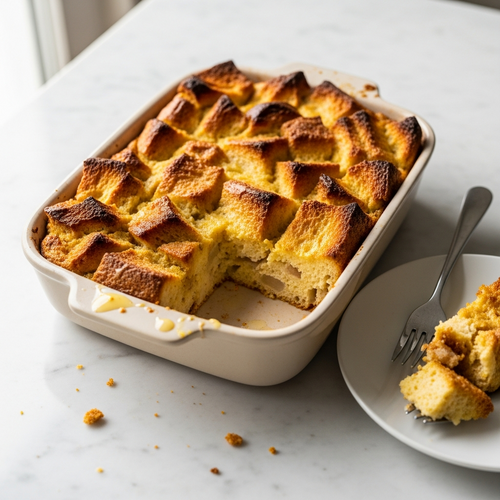
Description: A warm, comforting, and guilt-free bread pudding packed with protein to support fat loss and muscle growth. Perfect for breakfast, a post-workout snack, or a healthy dessert.
Prep Time: 10 minutes | Cook Time: 40 minutes
Servings: 4
Macros per Serving | Calories: 216 | Protein: 24g | Fat: 3g | Carbohydrates: 26g
Ingredients
- 6 slices of Ezekiel bread, cubed and dried
- 1 cup unsweetened almond milk
- 1/2 cup liquid egg whites
- 1/2 cup plain non-fat Greek yogurt
- 1/2 cup low-fat cottage cheese, blended until smooth
- 1/4 cup vanilla whey protein powder
- 1/4 cup erythritol or a monk fruit sweetener blend
- 1/4 cup unsweetened applesauce
- 1 teaspoon vanilla extract
- 1 teaspoon cinnamon
- 1/2 teaspoon nutmeg
- Pinch of salt
- Cooking spray
Instructions
- Preheat oven to 350°F (175°C) and grease a small baking dish.
- In a large bowl, whisk together all ingredients except for the bread cubes until smooth.
- Gently fold the bread cubes into the liquid mixture until fully coated.
- Let the mixture sit for 20-30 minutes to allow the bread to soak up the custard.
- Pour the mixture into the prepared dish and bake for 30-40 minutes, until the center is set.
- Let cool for 10-15 minutes before serving.
Notes
Ensure your bread is very dry for the best texture. If it’s fresh, toast the cubes in the oven at 300°F for 10-15 minutes to dry them out before using. Blending the cottage cheese is a crucial step for a smooth, creamy custard base.
FAQs About Bread Pudding For Weight Loss
Here are some straightforward answers to the most common questions I receive about this bread pudding recipe.
Can you really eat bread pudding and still lose weight?
Yes, you absolutely can. The idea that certain foods are “good” and others are “bad” is a myth that often leads to failure. Fat loss comes down to a simple principle: consuming fewer calories than your body burns over time, which is known as a calorie deficit. This recipe is specifically engineered to help you do that without feeling deprived. Traditional bread pudding is a calorie bomb because it’s full of sugar, butter, and heavy cream. Our version completely flips the script.
We replace those high-calorie ingredients with high-protein, low-fat alternatives like Greek yogurt, cottage cheese, and egg whites. We use a zero-calorie sweetener instead of sugar. The result is a delicious, satisfying dish that is high in protein, which promotes fullness and helps preserve muscle mass during weight loss, and relatively low in calories. A single serving fits easily into a balanced, calorie-controlled diet. It proves that you don’t have to eat boring food to lose weight. You just have to eat smarter.
What is the best bread for a healthy bread pudding?
The most important characteristic of the bread isn’t the type, but its condition: it must be dry or stale. This is non-negotiable for achieving the classic bread pudding texture. Dry bread acts like a sponge, soaking up the custard base without disintegrating into a soggy mess. If you use fresh, soft bread, you’re likely to end up with a very mushy, unappealing result.
With that said, I personally recommend using a sprouted grain bread like Ezekiel bread. It offers a superior nutritional profile, with more protein, more fiber, and a lower glycemic index compared to most processed white or even whole wheat breads. However, you can successfully use day-old whole wheat, sourdough, or even a sturdy gluten-free bread. The key is to cut it into cubes and leave it out on the counter for a few hours, or toast it lightly in the oven, to ensure it’s properly dried out before you begin.
How can I make this bread pudding recipe without protein powder?
You can definitely make this recipe without protein powder. It’s a common question for those who don’t have it on hand or prefer not to use supplements. Omitting the protein powder will slightly alter the final texture and, of course, lower the overall protein content of the dish. The bread pudding will be a bit softer and more custardy, which some people actually prefer.
If you leave it out, you don’t necessarily need to replace it with anything. The recipe will still work. However, if you want to try and make up for some of the lost protein and structure, you could slightly increase the amount of Greek yogurt or blended cottage cheese by a few tablespoons. Another option is to use a product like powdered peanut butter (PBfit), which adds protein and a nice nutty flavor. Just be aware that this will change the taste profile. The recipe is flexible enough to handle this omission without failing.
Why is my high-protein bread pudding soggy or watery?
A soggy or watery bread pudding is almost always caused by one of two things: the bread wasn’t dry enough, or the pudding was under-baked. First, let’s talk about the bread. Using fresh, soft bread is the most common mistake. It is already saturated with moisture and simply cannot absorb the liquid custard. You must use stale, dry bread cubes so they can soak up the liquid effectively. If your bread is fresh, cut it into cubes and bake it at a low temperature (around 300°F or 150°C) for about 15 minutes to dry it out before using.
The second likely culprit is baking time. Ovens can vary, and it’s possible yours needs a little more time than the recipe states. A wet, runny center is a clear sign it’s not done yet. The egg whites and yogurt need to be fully cooked and set to create the proper structure. Always perform the knife test: insert a sharp knife into the very center of the bread pudding. If it comes out clean, it’s ready. If it comes out with wet batter on it, put it back in the oven for another 5-10 minutes and test again.
Can I make this bread pudding recipe dairy-free?
Yes, you can make a dairy-free version of this bread pudding with a few smart substitutions. The recipe already calls for almond milk, so you’re halfway there. The main dairy components you need to replace are the Greek yogurt, cottage cheese, and the whey protein powder.
For the Greek yogurt, you can use a plain, unsweetened dairy-free yogurt alternative, such as one made from coconut, soy, or almonds. For the blended cottage cheese, which provides creaminess and protein, a good substitute would be blended silken tofu. It will create a similarly smooth and rich custard base. Finally, you must swap the whey protein for a plant-based protein powder. A vanilla-flavored pea, soy, or brown rice protein blend would work well. Just keep in mind that plant-based powders can be a bit more absorbent, so you may need to add an extra splash of almond milk to get the right consistency for your custard. The final taste and texture will be slightly different, but it will still be delicious.
Try These High-Protein Recipes Next
If you enjoyed this flexible and satisfying recipe, here are a few others you should try next.
- High-Protein French Toast: This is another breakfast classic remade to be a muscle-building powerhouse that will keep you full all morning.
- High-Protein Stuffing: Craving a savory comfort food? This recipe transforms holiday stuffing into a delicious, protein-packed side dish you can enjoy any time of year.
- Pudding Pie Recipes: For more creamy and delicious dessert ideas that won’t derail your progress, check out this great collection of pudding-based treats.
Building a library of simple, go-to recipes is one of the best ways to stay consistent and reach your goals.