
Jambalaya used to be one of those “special occasion” meals for me. It was something I associated with big gatherings, celebrations, and usually, a massive food coma afterward. It was rich, heavy, and felt like the exact opposite of “health food.” For years, I put it on my mental list of foods I could no longer enjoy if I wanted to be serious about losing weight.
When I started my journey and lost the first 65 pounds, I did it by completely overhauling my relationship with food. I learned that food is 75 percent of the battle. But I also learned that deprivation is a recipe for disaster, especially for an ADHD brain that craves novelty and satisfaction. The key wasn’t to eliminate my favorite foods. It was to re-engineer them.
I wanted that deep, smoky, spicy flavor of a real-deal jambalaya, but I needed it to fit my new lifestyle. I needed it to be packed with protein to keep me full, loaded with veggies for nutrients, and easy enough to make on a Tuesday night when my executive function was shot. I wasn’t willing to sacrifice flavor for macros.
This recipe is the result of that mission. It’s a powerhouse meal that tastes like an indulgence but works with your fat loss goals, not against them. It proves you can have the bold, comforting food you love while building a body you feel great in. This is how we make fitness sustainable.
Skip to My Flexibe Diet Recipe!
Why Jambalaya Is Great For Fat Loss
Let’s be direct. A traditional jambalaya from a restaurant can easily pack over 1,000 calories per serving, often loaded with fatty pork sausage, white rice, and a lot of oil. It tastes amazing, but it can blow your entire day’s calorie budget. This version is built differently. It’s designed specifically to support fat loss while satisfying those deep cravings for comfort food.
The first principle here is Protein First. This recipe is absolutely loaded with lean protein from three different sources: boneless, skinless chicken breast, lean turkey andouille sausage, and shrimp. Protein is the superstar of fat loss. It keeps you feeling full and satisfied for hours, which crushes cravings. It also helps preserve muscle mass while you’re in a calorie deficit, ensuring you’re losing fat, not just weight.
Next is Hunger Management. We swap out the typical white rice for brown rice. The extra fiber slows down digestion, preventing the sharp blood sugar spikes and crashes that can lead to energy dips and impulse snacking. We also pack this dish with vegetables, the classic “holy trinity” of onion, celery, and bell pepper. All that fiber and volume fills your stomach, signaling to your brain that you’re full on fewer calories.
Finally, we focus on Convenience and Flavor. This is a one-pot meal. For those of us with ADHD, fewer dishes means less cleanup, which means less friction to actually cook. You can make a big batch on Sunday and have delicious, high-protein lunches ready for the week. This kills decision fatigue and stops the “what’s for dinner?” spiral that often ends with a delivery app. You get all the smoky, spicy, savory flavor of classic jambalaya in a meal that fuels your goals.
Ingredients You’ll Need for Jambalaya
Building a great jambalaya is all about layering flavors. The good news is that you don’t need a hundred complicated ingredients to do it. This list is designed to be accessible and focuses on smart swaps that maximize flavor while supporting your fitness goals. Here’s exactly what you’ll need.
- 1 tsp olive oil
- 8 oz boneless, skinless chicken breast, cut into 1-inch cubes
- 8 oz lean turkey or chicken andouille sausage, sliced into 1/4-inch coins
- 1 large onion, chopped
- 2 celery sticks, sliced
- 1 green bell pepper, chopped
- 1 red bell pepper, chopped
- 3 cloves garlic, minced
- 1 (28-ounce) can diced tomatoes, undrained
- 2 cups fat-free, low-sodium chicken broth
- 3/4 cup uncooked brown rice
- 1 tbsp Cajun seasoning
- 1 tsp dried thyme
- 1/2 tsp cayenne pepper (optional, for extra heat)
- 1 lb large shrimp, peeled and deveined
- 2 green onions, sliced
- Fresh parsley, chopped, for garnish
The key ingredient that makes this recipe work is the lean turkey or chicken andouille sausage. Traditional pork andouille is delicious but carries a ton of fat and calories. This swap is a game-changer. You still get that essential smoky, spicy flavor that defines jambalaya, but you slash the fat content significantly. Brands like Aidells or Bilinski’s make excellent chicken sausages that work perfectly here.
For the shrimp, I recommend buying them already peeled and deveined. This is a fantastic ADHD-friendly shortcut that removes a tedious and messy step. You can buy them frozen and just thaw what you need. And for the Cajun seasoning, be mindful of the brand. Some are incredibly salty. Look for a lower-sodium option if you can, or just be prepared to adjust your salt levels elsewhere. The quality of your seasoning blend is what will make or break the final flavor.
How To Make Jambalaya (Step-By-Step)
The secret to a deep, flavorful jambalaya isn’t complicated techniques. It’s about building layers of flavor in one pot. We’ll brown the meats first, then cook the vegetables in the same pot to soak up all those delicious browned bits. Using a heavy-bottomed pot or a Dutch oven is highly recommended. It distributes heat evenly and prevents the rice from scorching on the bottom.
Step 1 & 2: Brown The Chicken and Sausage
Start by heating your olive oil over medium-high heat. Add the cubed chicken and cook it until it’s browned on all sides. Don’t worry about cooking it through completely at this stage. The goal is to get a nice color on the outside. Once browned, use a slotted spoon to remove the chicken and set it aside in a bowl. Do the same thing with the sliced sausage, letting it get nicely browned and a little crispy on the edges. This step creates the “fond,” a layer of caramelized flavor at the bottom of the pot that is pure gold.
Step 3 & 4: Sauté The Vegetables
Toss the chopped onion, celery, and bell peppers directly into the pot. There’s no need to add more oil. The moisture from the vegetables will help you scrape up all those browned bits from the bottom of the pot. This is called deglazing, and it’s where so much of the dish’s deep, savory flavor comes from. Cook the vegetables for 5-7 minutes, until they’ve softened up. Then, stir in the minced garlic and cook for just one more minute until you can smell it. Be careful not to let the garlic burn.
Step 5, 6, & 7: Simmer The Rice
Now it’s time to bring it all together. Pour in the diced tomatoes with their juices, the chicken broth, the uncooked brown rice, Cajun seasoning, thyme, and cayenne pepper if you’re using it. Stir everything together well and bring the mixture to a rolling boil. Once it’s boiling, immediately reduce the heat to low, put a tight-fitting lid on the pot, and let it simmer. ADHD Tip: Set a timer for 35 minutes and walk away. Do not lift the lid. You need to trap the steam to cook the brown rice properly.
Step 8, 9, 10, & 11: Finish The Dish
After 35-40 minutes, the rice should be tender and have absorbed most of the liquid. Stir the cooked chicken and sausage back into the pot. Then, add the raw shrimp, stirring to distribute them evenly. Put the lid back on and cook for just 3-5 more minutes. The shrimp will cook very quickly in the residual heat. You’ll know they’re done when they turn pink and opaque. Don’t overcook them or they’ll get rubbery. Finally, take the pot off the heat, stir in the sliced green onions, and garnish with fresh parsley before serving.
How To Serve Jambalaya (ADHD-Friendly)
One of the best things about this jambalaya is that it’s a true one-pot meal. You have your protein, your carbs, and your vegetables all in one bowl. This dramatically simplifies things on a busy night and reduces decision fatigue. There’s no need to worry about making complicated side dishes.
For those of us with ADHD, portion control can be a challenge. My brain often works in “all or nothing” mode. To counter this, I highly recommend portioning out the jambalaya as soon as it’s done cooking. Use a measuring cup (I find 1.5 to 2 cups is a very satisfying serving) and pack it into single-serving containers for the week ahead. This does two things: it makes grab-and-go lunches effortless, and it prevents you from mindlessly scooping extra onto your plate later.
When it comes to toppings, keep it simple and strategic. Here are a few great options:
- A dollop of plain Greek yogurt: This adds a cool, creamy contrast to the spice and gives you an extra boost of protein.
- A sprinkle of fresh green onions or parsley: This adds a pop of fresh flavor and color that brightens up the whole dish.
- Your favorite hot sauce: If you like it extra spicy, adding hot sauce at the table allows everyone to customize their own heat level.
Having a delicious, pre-portioned meal ready to go is one of the best ways to prevent the “I’m starving and have nothing to eat” spiral that leads to ordering unhealthy takeout. This is a proactive strategy. You’re setting your future self up for success by making the right choice the easiest choice. It’s a perfect example of working with your brain, not against it.
How To Store, Reheat, and Reuse Jambalaya
This jambalaya recipe is practically designed for meal prep. The flavors actually get even better the next day as they have more time to meld together. Storing it properly ensures you have a quick, healthy, and delicious meal ready to go whenever you need it. This is a huge win for managing ADHD and staying consistent with your nutrition.
Here are the best ways to store and reheat your leftovers:
- In the Refrigerator: First, allow the jambalaya to cool down for about 30-45 minutes before storing. Putting a large, hot batch of food directly into the fridge can raise the internal temperature and risk spoilage. ADHD Tip: Set a timer on your phone so you don’t forget it on the counter. Store it in airtight containers for up to 4 days.
- In the Freezer: Jambalaya freezes surprisingly well. The only thing to note is that shrimp texture can sometimes become slightly chewier after being frozen and reheated, but it’s still delicious. I recommend freezing it in individual portion sizes. This makes it incredibly convenient to grab one serving at a time. It will last for up to 3 months in the freezer.
When you’re ready to eat, reheating is simple. For a single serving from the fridge, the microwave is your best friend. Add a tablespoon of water or chicken broth to the container, cover it with a damp paper towel, and heat for 2-3 minutes, stirring halfway through. This prevents the rice from drying out. If you’re reheating a larger amount, the stovetop is a great option. Just add it to a pot with a splash of broth over medium-low heat and stir occasionally until it’s heated through. Leftovers make for a fantastic, no-effort lunch that will keep you full and on track all afternoon.
Easy Swaps & Variations for Jambalaya
One of our core principles at ADHD FIT is that flexible systems always win over rigid perfection. This jambalaya recipe is a perfect template for you to adapt based on what you have on hand, your dietary needs, or just your personal preference. Don’t be afraid to make it your own. Consistency is what matters most, so use the version of this recipe that you’ll actually make.
Here are a few simple swaps and variations that work beautifully:
- Protein Swaps: You don’t have to use all three proteins. If you only have chicken and sausage, just use more of those. If you’re not a fan of shrimp, leave it out entirely. For a pescatarian version, you could even add chunks of a firm white fish like cod in the last 5-7 minutes of cooking.
- Lower-Carb Jambalaya: To significantly reduce the carbohydrate count, you can swap the brown rice for cauliflower rice. Do not add it at the beginning. Instead, stir in the frozen or fresh riced cauliflower during the last 5-7 minutes of cooking time, right when you add the shrimp. This will ensure it gets cooked through without turning to mush.
- Vegetable Add-ins: The “holy trinity” is classic, but feel free to add more veggies. Chopped zucchini, mushrooms, or even a couple of handfuls of fresh spinach stirred in at the end are all fantastic additions that boost the nutrient content.
- The Ultimate ADHD Shortcut: The most time-consuming part of this recipe is chopping the vegetables. Many grocery stores sell a pre-chopped “seasoning blend” or “mirepoix” in the produce or frozen section. This blend of onion, celery, and bell pepper is a lifesaver on low-energy days. It allows you to get a healthy meal on the table with minimal prep work.
Remember, the goal is a delicious, high-protein meal that you enjoy. If a small tweak makes the recipe more accessible or enjoyable for you, that’s a win. Don’t let the “perfect” be the enemy of the good.
High-Protein Jambalaya for Fat Loss
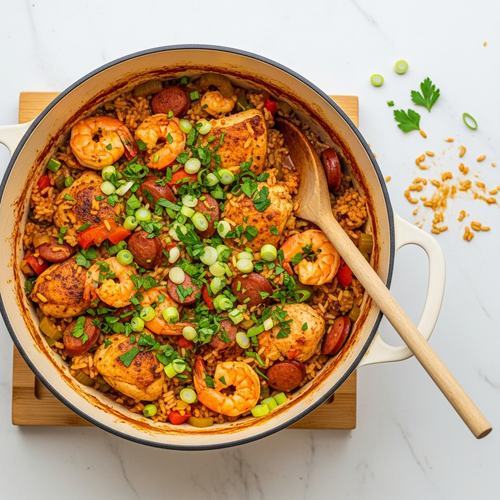
Description: A one-pot meal packed with lean protein and fiber. This jambalaya delivers all the smoky, spicy flavor of the classic dish but is macro-friendly and designed to keep you full for hours, making it perfect for a sustainable fat loss plan.
Prep Time: 15 minutes | Cook Time: 55 minutes
Servings: 6
Macros per Serving | Calories: 410 | Protein: 42g | Fat: 8g | Carbohydrates: 41g
Ingredients
- 1 tsp olive oil
- 8 oz boneless, skinless chicken breast, cut into 1-inch cubes
- 8 oz lean turkey or chicken andouille sausage, sliced
- 1 large onion, chopped
- 2 celery sticks, sliced
- 1 green bell pepper, chopped
- 1 red bell pepper, chopped
- 3 cloves garlic, minced
- 1 (28-ounce) can diced tomatoes, undrained
- 2 cups fat-free, low-sodium chicken broth
- 3/4 cup uncooked brown rice
- 1 tbsp Cajun seasoning
- 1 tsp dried thyme
- 1/2 tsp cayenne pepper (optional)
- 1 lb large shrimp, peeled and deveined
- 2 green onions, sliced
- Fresh parsley, chopped, for garnish
Instructions
- Heat olive oil in a large Dutch oven over medium-high heat. Brown the chicken, remove from pot, then brown the sausage and remove from pot.
- Add onion, celery, and bell peppers to the pot and cook for 5-7 minutes until softened. Stir in garlic and cook for 1 minute.
- Stir in diced tomatoes, chicken broth, brown rice, Cajun seasoning, thyme, and cayenne. Bring to a boil.
- Reduce heat to low, cover, and simmer for 35-40 minutes, until rice is tender.
- Stir the cooked chicken and sausage back into the pot. Add the shrimp and cook for another 3-5 minutes, until shrimp are pink.
- Remove from heat, stir in green onions, and garnish with parsley before serving.
Notes
For a shortcut, use a pre-chopped mirepoix mix (onion, celery, peppers). Adjust cayenne pepper to your preferred spice level. This dish reheats well and is great for meal prep.
FAQs About Jambalaya For Weight Loss
Here are some straightforward answers to the most common questions I receive about this jambalaya recipe.
Is jambalaya actually healthy for weight loss?
Traditional jambalaya can be a calorie bomb, making it a difficult fit for a weight loss plan. It’s often made with high-fat pork sausage, large amounts of white rice, and a generous amount of oil or butter for cooking. While delicious, this combination is very calorie-dense and can lead to blood sugar spikes that leave you feeling hungry again soon after.
However, this specific jambalaya recipe was engineered from the ground up to be healthy for weight loss. We make strategic swaps that preserve the flavor while completely changing the nutritional profile. By using lean chicken breast, lean turkey andouille sausage, and shrimp, we maximize the protein content. Protein is crucial for satiety and muscle retention. We also use fiber-rich brown rice and pack the dish with vegetables, which adds volume and nutrients while helping you stay full on fewer calories. So yes, *this* jambalaya is an excellent meal for fat loss.
Can I make this jambalaya recipe without shrimp?
Absolutely. While shrimp is a fantastic source of lean protein, it’s easy to omit if you have a shellfish allergy, don’t enjoy the taste, or just don’t have any on hand. The recipe will work perfectly without it. The core flavor profile comes from the Cajun seasoning, the “holy trinity” of vegetables, and the smoky andouille sausage.
To keep the meal just as satisfying and high in protein, you can slightly increase the amount of chicken breast or lean sausage. For example, you could use 12 ounces of chicken breast instead of 8. The cooking process remains exactly the same; you will simply skip the final step of adding the shrimp. It’s a great example of the flexibility that’s essential for long-term success. You can and should adapt recipes to fit your own needs and preferences.
How can I make this jambalaya less spicy?
Controlling the spice level in this jambalaya is very simple. The heat primarily comes from two ingredients: the Cajun seasoning blend and the optional cayenne pepper. The easiest way to make a milder version is to omit the cayenne pepper entirely. This will significantly reduce the sharp heat of the dish without sacrificing the overall savory flavor.
Additionally, Cajun seasoning blends vary widely in their heat level. Some brands are quite mild, while others are very spicy. If you are sensitive to heat, look for a “mild” version or check the ingredient list to see if cayenne or other hot peppers are listed high up. You can start with a smaller amount of the seasoning, perhaps two teaspoons instead of a full tablespoon, and then taste the broth before simmering. You can always add more later if you feel it needs it. This allows you to build the flavor to a level that you find enjoyable.
What’s the difference between Creole and Cajun jambalaya?
This is a common question, and the main difference is simple: tomatoes. Creole jambalaya includes tomatoes, which gives the dish its characteristic reddish color and a slightly different flavor base. This style is more associated with the city of New Orleans, which had more access to tomatoes and European culinary influences. Our recipe, with its can of diced tomatoes, is a Creole-style jambalaya.
Cajun jambalaya, on the other hand, does not contain tomatoes. It typically has a brownish color that comes from deeply browning the meat and vegetables to create a rich fond in the pot. This style is more associated with the rural, countryside areas of Louisiana. While both are delicious, we use tomatoes in this recipe because they add a lot of volume, moisture, and flavor for very few calories, which is a great strategy for creating satisfying fat loss meals.
Can I use white rice in this jambalaya recipe instead of brown rice?
Yes, you can definitely use white rice if that’s what you have or prefer. The most important thing to remember is that white rice cooks much faster than brown rice. If you make a direct substitution, you will need to reduce the simmering time significantly. Long-grain white rice will likely be fully cooked in about 15-20 minutes, compared to the 35-40 minutes needed for brown rice.
Just be sure to check the rice at the 15-minute mark to see if it’s tender and has absorbed the liquid. While this swap works, it’s important to understand why we choose brown rice for this recipe. The higher fiber content in brown rice helps to slow digestion, leading to more stable blood sugar and energy levels. This is a huge benefit for managing hunger and cravings. But remember our principle: consistency over perfection. Making the recipe with white rice is far better than not making a healthy, home-cooked meal at all.
Try These High-Protein Recipes Next
If you loved the simple, high-protein approach of this jambalaya, here are a few other recipes you should try.
- ADHD-Friendly Gumbo Recipe: Another Louisiana classic, redesigned to be macro-friendly and packed with flavor.
- The Best High-Protein Chili Recipe: A hearty and satisfying chili that’s perfect for meal prep and loaded with lean protein and fiber.
- Easy Jambalaya Recipe: This is another great take on a simplified jambalaya that has a fantastic flavor profile.
Each of these recipes follows the same core principles of being delicious, easy to make, and supportive of your fitness goals.