
For most of my life, pulled pork was a “cheat meal.” It was something you got at a summer barbecue, drowned in sugary sauce and piled onto a white bun. It was delicious, but it always felt like a setback. A treat that would undo a week of hard work at the gym and careful eating. When I started my journey to lose 65 pounds, I thought I had to say goodbye to it forever.
That all-or-nothing thinking is a classic trap, especially for those of us with ADHD. We think we have to be perfect, and when we inevitably slip up, we spiral. I learned that consistency beats perfection every single time. The real key to sustainable fat loss was figuring out how to include the foods I loved, not cut them out completely.
That’s what motivated me to create this high-protein, low-fat pulled pork recipe. I wanted that smoky, savory, comforting flavor without the caloric gut punch. I needed a meal that I could cook in a big batch, something that was practically effortless, and something that would give me delicious, protein-packed leftovers for days. This recipe is the result. It’s a cornerstone of how I eat now, both before and after starting ADHD medication. It proves that you can absolutely crush your fitness goals while still eating amazing food.
It’s brutally practical, incredibly forgiving, and designed to work with your brain, not against it.
Skip to My Flexibe Diet Recipe!
Why Pulled Pork Is Great For Fat Loss
When you hear “pulled pork,” you probably don’t think “health food.” I get it. Traditional versions use fatty cuts like pork shoulder or Boston butt, which are loaded with saturated fat. Then they’re smothered in barbecue sauces that are often more sugar than anything else. That combination is a recipe for a calorie bomb that can derail your progress.
But this recipe is different by design. We are building a fat-loss machine from the ground up, starting with our core principles: protein first, hunger management second. The secret weapon here is the cut of meat. We use pork tenderloin, which is incredibly lean and packed with protein. It’s one of the leanest cuts of pork available, rivaling chicken breast in its macro profile.
High protein intake is non-negotiable for fat loss. It keeps you feeling full and satisfied, which is critical for managing the impulsive cravings our ADHD brains love to throw at us. Protein also has a higher thermic effect of food, meaning your body burns more calories just digesting it. It’s also essential for building and maintaining muscle while you’re in a calorie deficit, which keeps your metabolism running strong.
We also tackle the sauce problem head-on by using a sugar-free barbecue sauce and a flavorful spice rub. This gives you all the classic smoky and tangy flavor you crave without the mountain of empty calories from sugar. This high-protein pulled pork becomes a versatile base for dozens of meals, making it easy to stay consistent without getting bored. It’s the perfect example of working smarter, not harder.
Ingredients You’ll Need for Pulled Pork
This ingredient list is simple and accessible. We’re not using anything weird or hard to find. The magic is in the combination and, most importantly, the specific cut of pork we’re using. It makes all the difference in turning this into a high-protein powerhouse.
Here’s exactly what you’ll need:
- 2.5 lbs pork tenderloin, excess fat and silver skin trimmed
- 1 tbsp smoked paprika
- 1 tbsp sweet paprika
- 2 tsp onion powder
- 2 tsp garlic powder
- 1 tsp cumin
- 1 tsp chili powder
- 1/2 tsp cayenne pepper (optional, for heat)
- 1 tsp black pepper
- 2 tsp salt
- 1 cup low-sodium chicken broth
- 1/4 cup apple cider vinegar
- 1 large onion, chopped
- 2 carrots, chopped
- 2 celery stalks, chopped
- 4 cloves garlic, smashed
- 1/2 cup sugar-free barbecue sauce
The absolute key ingredient here is the pork tenderloin. This is our big twist. Traditional pulled pork uses pork shoulder, which can have upwards of 20 grams of fat per serving. Pork tenderloin, on the other hand, has only about 4-5 grams of fat for the same serving size. This one swap dramatically changes the nutritional profile of the entire dish without sacrificing flavor or that tender, shreddable texture.
For the spice rub, using both smoked and sweet paprika adds a real depth of flavor. The smoked paprika gives you that authentic, just-off-the-smoker taste without any of the actual work. Don’t skip it if you can help it. As for the barbecue sauce, brands like G Hughes or Primal Kitchen make great sugar-free options. Read the labels and find one you like; it’s a crucial component for the final flavor.
How To Make Pulled Pork (Step-By-Step)
One of the best things about this recipe is how incredibly simple it is. This is a true “set it and forget it” meal, perfect for low-motivation days or busy weeks. Your slow cooker does 95 percent of the work. We’re just going to do a tiny bit of prep upfront to build a huge foundation of flavor.
Step 1: Create The Spice Rub
In a small bowl, just dump in all your spices: the smoked paprika, sweet paprika, onion powder, garlic powder, cumin, chili powder, optional cayenne, black pepper, and salt. Give it a quick mix with a fork until it’s all one uniform color. This simple step is what creates the flavorful crust on the pork and seasons the meat from the outside in.
Step 2: Season The Pork
First, pat the pork tenderloins completely dry with a paper towel. This is a small but important step. A dry surface helps the spice rub adhere properly. Now, be generous and rub that spice mixture all over every side of the pork. Get it into all the little crevices. If you have time, let the seasoned pork sit in the fridge for at least 30 minutes. If you’re a planner (or just remember), doing this the night before is even better. This gives the salt time to work its magic, tenderizing the meat and drawing the flavors in.
Step 3: Load The Slow Cooker
This is the easy part. Scatter your chopped onion, carrots, and celery in the bottom of your slow cooker. This creates a bed for the pork to sit on, preventing it from scorching and infusing the cooking liquid with flavor. Place the seasoned pork tenderloins right on top of the vegetables. Then, in a separate bowl, whisk the chicken broth and apple cider vinegar together and pour it around the pork. Don’t pour it over the top, as that can wash off your beautiful spice rub.
Step 4: Cook Until Tender
Put the lid on your slow cooker, set it to low, and walk away. Let it cook for 6-8 hours. You can also cook it on high for 3-4 hours if you’re short on time, but the low-and-slow method yields a slightly more tender result. You’ll know it’s done when you can easily shred the pork with a fork.
Step 5: Shred and Sauce The Pork
Carefully remove the pork from the slow cooker and place it on a large plate or cutting board. Use two forks to shred the meat. It should fall apart with very little effort. Strain the liquid left in the slow cooker to remove the cooked-down veggies. Return the shredded pork to the pot, pour in your sugar-free BBQ sauce, and add about 1/4 cup of that reserved cooking liquid to keep it moist. Stir everything together and let it warm through for another 15 minutes. Your high-protein pulled pork is ready.
How To Serve Pulled Pork (ADHD-Friendly)
Now for the fun part: eating it. The beauty of having a big batch of pulled pork ready to go is that it eliminates decision fatigue for multiple meals. Instead of staring into the fridge wondering what to make, you have a delicious, high-protein base waiting for you. The key is to keep the serving options simple, flexible, and fast.
Think of this pulled pork as a component, not a complete meal. This allows you to create different meals around it, which prevents the food boredom that can derail our best intentions. All you need are a few other simple, ready-to-go ingredients to build a balanced plate.
Here are a few of my go-to, minimal-effort ways to serve it:
- On a Baked Potato: A classic for a reason. Microwave a sweet potato or a russet potato until tender. Split it open, fluff the inside with a fork, and top with a big scoop of pulled pork. It’s a perfect mix of protein and complex carbs.
- In Lettuce Wraps: For a low-carb option, spoon the pork into large, crisp lettuce leaves like iceberg or butter lettuce. You can top it with a little pre-shredded coleslaw mix for some crunch.
- Over a Salad: This is my daily lunch. Start with a big base of mixed greens. Add the pulled pork (you can serve it hot or cold), some chopped veggies you have on hand, and a light vinaigrette. It makes for a massive, filling salad that crushes cravings.
- With a Side of Veggies: Keep it simple. Serve a portion of pulled pork with a side of steamed, frozen green beans or a microwavable bag of broccoli. It’s a balanced meal that takes less than five minutes to assemble.
The goal is to make mealtime as frictionless as possible. By having the main protein cooked and ready, you’re just one or two simple steps away from a healthy, satisfying meal that aligns with your fat loss goals.
How To Store, Reheat, and Reuse Pulled Pork
Meal prep is our superpower against the chaos of the ADHD brain. When you have healthy food prepped and ready, you remove the opportunity to make impulsive, less-healthy choices when hunger strikes. This pulled pork recipe is an absolute champion for meal prep because it stores and reheats perfectly.
Proper storage is key to making your prep last. Once the pulled pork has cooled slightly, you can portion it out for the week ahead. I highly recommend storing it with a little bit of the cooking liquid or extra sauce to keep it from drying out.
Here’s how I handle storing and reheating to make life as easy as possible:
- Refrigerating: Store the pulled pork in an airtight container in the refrigerator for up to 4-5 days. I like to portion it into single-serving glass containers so I can just grab one for lunch without having to measure or think.
- Freezing: Pulled pork freezes beautifully. Portion it into freezer-safe bags or containers. Squeeze out as much air as possible to prevent freezer burn. It will last for up to 3 months in the freezer. This is a great hack for future-you on a day when you have zero energy to cook.
- Reheating: The easiest way is in the microwave. Place a serving on a plate, cover it with a damp paper towel to help it steam, and heat for 60-90 seconds, or until warmed through. You can also reheat it in a pan on the stovetop over medium-low heat with a splash of chicken broth or water to keep it moist.
Don’t be afraid to reuse the pork in different ways to keep things interesting. You can throw it into an omelet with some cheese, make a quick quesadilla using low-carb tortillas, or mix it with some black beans and corn for a quick burrito bowl. Flexibility is the name of the game.
Easy Swaps & Variations for Pulled Pork
The best recipes are the ones that are flexible. We all have different tastes, budgets, and ingredients available to us. With an ADHD brain, having options is crucial. If we’re missing one specific ingredient, it can be enough to make us abandon the entire plan. So let’s talk about how you can adapt this pulled pork recipe to fit your needs.
This recipe is a template, not a strict set of rules. Feel free to experiment with different spices or sauces once you get the basic technique down. The core of the recipe—lean protein cooked low and slow—is what matters most for your fitness goals.
Here are some simple swaps you can make:
- Different Protein: If pork isn’t your thing, this method works perfectly with boneless, skinless chicken breasts or thighs. The cooking time might be slightly shorter, so just keep an eye on it until the chicken shreds easily.
- Spice It Up (or Down): The spice rub is completely customizable. If you don’t like heat, leave out the cayenne. If you want a more Southwest flavor, increase the cumin and chili powder and add a bit of oregano. Want a sweeter profile? Add a little erythritol or monk fruit sweetener to the rub.
- Sauce Swaps: Not a fan of barbecue sauce? You can finish this pork with a Carolina-style vinegar sauce, a sugar-free teriyaki glaze, or even just a mix of the cooking liquids and a little hot sauce. The possibilities are endless.
- Cooking Method: If you have an Instant Pot or pressure cooker, you can make this recipe in a fraction of the time. Just sear the pork using the sauté function, add the other ingredients, and cook on high pressure for about 45-60 minutes.
The point is to make this recipe work for you. Don’t let a missing ingredient or a preference for a different flavor stop you from making a delicious, healthy meal that will support you all week long.
High-Protein Pulled Pork (ADHD-Friendly)
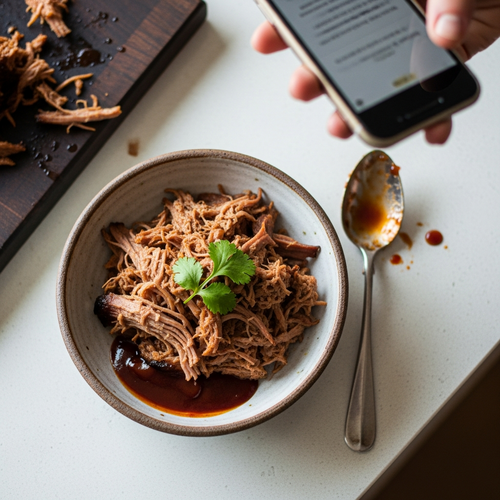
Description: An incredibly easy, set-it-and-forget-it pulled pork recipe designed for fat loss. By using lean pork tenderloin and sugar-free BBQ sauce, you get all the smoky, savory flavor you love in a high-protein meal that keeps you full for hours.
Prep Time: 15 minutes | Cook Time: 6-8 hours
Servings: 8
Macros per Serving | Calories: 220 | Protein: 40g | Fat: 6g | Carbohydrates: 5g
Ingredients
- 2.5 lbs pork tenderloin, excess fat and silver skin trimmed
- 1 tbsp smoked paprika
- 1 tbsp sweet paprika
- 2 tsp onion powder
- 2 tsp garlic powder
- 1 tsp cumin
- 1 tsp chili powder
- 1/2 tsp cayenne pepper (optional, for heat)
- 1 tsp black pepper
- 2 tsp salt
- 1 cup low-sodium chicken broth
- 1/4 cup apple cider vinegar
- 1 large onion, chopped
- 2 carrots, chopped
- 2 celery stalks, chopped
- 4 cloves garlic, smashed
- 1/2 cup sugar-free barbecue sauce
Instructions
- Combine all spices in a small bowl to create the rub. Pat the pork tenderloins dry and coat them evenly with the spice mixture.
- Place the chopped onion, carrots, celery, and garlic in the bottom of a slow cooker. Place the seasoned pork on top.
- Whisk together the chicken broth and apple cider vinegar, then pour it around the pork in the slow cooker.
- Cover and cook on low for 6-8 hours or on high for 3-4 hours, until the pork is fork-tender.
- Remove the pork and shred it using two forks. Strain the cooking liquid, discarding the vegetables.
- Return the shredded pork to the slow cooker. Stir in the sugar-free barbecue sauce and 1/4 cup of the reserved cooking liquid. Warm on low for 15-20 minutes before serving.
Notes
For the best flavor, let the seasoned pork rest in the refrigerator for at least 30 minutes before cooking. The macros listed are an estimate and can vary based on the specific brands of ingredients used.
FAQs About Pulled Pork For Weight Loss
Here are some straightforward answers to the most common questions I receive about this pulled pork recipe.
Can I make this pulled pork recipe without a slow cooker?
Absolutely. A slow cooker is my favorite tool for this because it’s so hands-off, which is a huge win for managing ADHD. However, you have other great options. A Dutch oven works wonderfully. Just follow the same steps, but cook it in an oven preheated to 300°F (150°C) for about 3-4 hours, or until the pork is tender. Make sure the lid is on tight to trap the moisture.
You can also use an Instant Pot or any electric pressure cooker. Use the sauté function to sear the pork first (this is optional but adds flavor), then add the remaining ingredients. Cook on high pressure for about 50-60 minutes, then allow the pressure to release naturally for at least 15 minutes before opening the lid. The result will be just as tender and delicious, but in a fraction of the time.
Is pulled pork actually healthy for weight loss?
This is a great question, and the answer is: it completely depends on how you make it. Traditional pulled pork, made with fatty pork shoulder and sugary sauce, is not a great choice for consistent fat loss. It’s very high in calories, saturated fat, and sugar, making it easy to overeat and hard to fit into your daily calorie and macro targets.
However, this pulled pork recipe is designed specifically for a weight loss lifestyle. By making two critical swaps—using lean pork tenderloin instead of pork shoulder and a sugar-free barbecue sauce—we slash the fat and sugar content dramatically. This transforms it into a high-protein, relatively low-calorie meal that supports your goals by promoting satiety, preserving muscle mass, and managing cravings. So yes, this version of pulled pork is an excellent tool for your weight loss journey.
Why is my pulled pork dry and how can I fix it?
Dry pulled pork is usually caused by one of two things: the wrong cut of meat or overcooking without enough liquid. While pork tenderloin is very lean, it can become dry if cooked for too long or at too high a temperature without sufficient moisture. It’s important to make sure there’s enough broth in the slow cooker and to cook it on low if possible, as this gentle heat is more forgiving.
If you find your finished product is a bit dry, don’t panic! It’s an easy fix. The key is to add moisture back in. When you return the shredded pork to the pot, be sure to add back some of the reserved cooking liquid along with the barbecue sauce. Start with 1/4 cup, stir it in, and if it still seems dry, add more, a tablespoon at a time, until it reaches the consistency you like. The pork will absorb that liquid and become juicy and flavorful again.
What’s the best cut of pork for healthy pulled pork?
For a healthy, fat-loss-oriented pulled pork, the hands-down best cut is pork tenderloin. It is exceptionally lean, often containing as little as 3-4 grams of fat per 4-ounce serving, while still packing over 25 grams of protein. This macro profile makes it an absolute superstar for hitting your protein goals without adding a ton of extra calories from fat.
Another solid option is a well-trimmed pork loin roast, which is also quite lean, though not quite as tender as tenderloin. The key is to avoid the traditional cuts like pork shoulder (also known as Boston butt) or pork picnic roast. While these cuts are very flavorful due to their high fat content and great for traditional barbecue, that same fat content makes them a less-than-ideal choice when your primary goal is fat loss.
How can I fit pulled pork into my meal prep for the week?
This pulled pork recipe is a meal prep dream, especially for the ADHD brain that thrives on having easy, pre-made options. The best strategy is to cook a full batch on a Sunday or whenever you have a few hours. Once it’s cooked and shredded, let it cool down a bit. Then, portion it out into single-serving containers. I aim for about 6-8 ounces per container, which provides a solid 40-50 grams of protein.
From there, you have your protein base for several meals. For lunches, you can simply grab a container of pork and a bag of salad greens or a microwavable steam bag of veggies. For dinner, you can reheat the pork and serve it with a baked sweet potato or over some quinoa. By having the main component ready, you reduce the steps and the executive function required to make a healthy meal during a busy week. This prevents the “I have nothing to eat” spiral that leads to takeout.
Try These High-Protein Recipes Next
If you liked how simple and effective this recipe is, here are a few others you should try.
- High-Protein Pot Roast: Another incredibly easy slow cooker meal that gives you tender, delicious beef and veggies with minimal effort.
- Healthy Sloppy Joe Recipe: A healthier take on a childhood classic, packed with protein and perfect for a quick weeknight dinner.
- Pulled Pork BBQ Nachos: Use the leftovers from this recipe to make an amazing, high-protein plate of nachos that still fits your macros.
These recipes all follow the same principles: simple, delicious, and built to support your fitness goals.