
If you told me ten years ago that one of my go-to fat loss meals would be stuffed shells, I would have laughed. For me, this dish was pure comfort food, the kind of thing my mom made on a cold Sunday that felt like a hug in a casserole dish. It was cheese, pasta, and sauce. It was delicious, and in my mind, it was the definition of “unhealthy.”
When I started my journey to lose 65 pounds, I thought I had to say goodbye to meals like this forever. My early approach was all about restriction. I ate boring chicken and broccoli, convinced that was the only way. Predictably, that didn’t last. The cravings would hit, I’d feel deprived, and I’d fall off the wagon. It was a classic ADHD cycle of all-or-nothing thinking.
Everything changed when I shifted my mindset from restriction to addition. Instead of asking what I had to cut out, I started asking, “How can I make this work for my goals?” I wanted to add protein, manage hunger, and keep the flavor that made me love the dish in the first place. That’s how this high-protein version of stuffed shells was born.
This recipe is the result of years of refinement. It’s packed with lean protein from ground turkey and my secret weapon, cottage cheese. It’s satisfying, delicious, and makes incredible leftovers. Most importantly, it’s built for the ADHD brain: brutally practical, flexible, and something you can actually look forward to eating. It proves you don’t have to give up your favorite foods to build a body you’re proud of.
Skip to My Flexibe Diet Recipe!
Why Stuffed Shells Are Great For Fat Loss
Let’s get one thing straight: no single food causes fat loss. It’s about your total daily calorie intake. But some foods make it a whole lot easier to stay in a calorie deficit, and this stuffed shells recipe is engineered to do exactly that. It works because it’s built on the core principles of sustainable fat loss: protein, satiety, and satisfaction.
The number one player here is protein. We’ve packed this recipe with it. You get a huge dose from the 93% lean ground turkey, but the real game-changer is the fat-free cottage cheese. By using it as the primary base for the cheese filling, we slash the fat content found in traditional recipes and send the protein content through the roof. A single serving of this dish can easily pack 35-40 grams of protein.
Why is that so important? Protein is the most satiating macronutrient. That means it keeps you feeling fuller for longer. For those of us with ADHD, managing hunger is critical. When you’re full and satisfied, you’re less likely to be derailed by impulsive cravings for snacks. This meal crushes hunger for hours, making it easier to stick to your plan.
Finally, there’s the satisfaction factor. This is not a “diet” meal. It’s rich, cheesy, saucy, and tastes like a classic comfort food. This is a mental win. When you can eat food you genuinely enjoy, you don’t feel deprived. This prevents the binge-restrict cycle that so many of us fall into. You’re not having a “cheat meal”; you’re having a planned, macro-friendly meal that tastes incredible and moves you closer to your goals. That is the key to long-term consistency.
Ingredients You’ll Need for Stuffed Shells
One of the best things about this recipe is its simplicity. There are no fancy, hard-to-find ingredients here. Everything should be easily available at your local grocery store. We’re using a few smart swaps to boost protein and lower fat, but the flavor is classic. It’s all about working smarter, not harder.
Here’s the full list of what you’ll need to make these amazing stuffed shells.
- 12 oz jumbo pasta shells: This is the foundation of our dish.
- 1 lb 93% lean ground turkey: A fantastic source of lean protein. Choosing 93% lean gives you great flavor without a ton of extra fat.
- 1 tbsp olive oil: For sautéing our aromatics.
- 1/2 large yellow onion, diced: Adds a base layer of savory flavor.
- 3 cloves garlic, minced: Because it’s not an Italian dish without garlic.
- 1 tsp Italian seasoning: A simple shortcut to great flavor.
- 1/2 tsp salt: To enhance all the other flavors.
- 1/4 tsp black pepper: For a little bit of bite.
- Pinch of red pepper flakes (optional): If you like a tiny bit of heat.
- 15 oz fat-free or low-fat cottage cheese: This is our secret weapon. It replaces a large amount of ricotta, massively increasing the protein content. If you don’t like the texture, blend it first until it’s perfectly smooth.
- 1/2 cup part-skim ricotta cheese: We still use a little ricotta to get that classic creamy texture and flavor.
- 1/4 cup grated Parmesan cheese: For a salty, nutty kick in the filling.
- 1 large egg, beaten: This acts as a binder, helping the filling hold together.
- 10 oz frozen chopped spinach, thawed and squeezed dry: An easy way to add veggies and nutrients. Squeezing it very dry is the most important step!
- 24 oz jar of your favorite marinara sauce: A great store-bought shortcut. Look for one with no added sugar to keep it macro-friendly.
- 1 cup shredded part-skim mozzarella cheese: For that essential cheesy, bubbly top.
- Fresh basil, for garnish (optional): Adds a touch of freshness at the end.
The real star here is the cottage cheese. Don’t be skeptical! Once it’s mixed with the other ingredients and baked, you won’t even notice the texture, but your body will thank you for the incredible protein boost. It’s the key to making these stuffed shells a true fitness-friendly meal.
How To Make Stuffed Shells (Step-By-Step)
This recipe might look like it has a lot of steps, but I promise it’s straightforward. We’re essentially just making three components—the pasta, the meat, and the cheese filling—and then combining them. The best ADHD tip I can give you is to read through all the steps first. This is called “pre-reading” and it helps your brain get a roadmap of what’s coming, reducing that feeling of being overwhelmed.
Step 1: Preheat Oven and Cook Shells
First things first, get your oven preheating to 375°F (190°C). Getting this started right away means it will be ready when you are. Now, get a large pot of salted water boiling for your pasta. Cook the jumbo shells according to the package directions, but pull them out when they are just shy of being fully cooked, or “al dente.” They will continue to cook in the oven, and this prevents them from getting mushy and falling apart when you stuff them. Once cooked, drain them and set them aside. A little rinse with cool water can stop them from sticking together.
Step 2: Brown The Turkey and Aromatics
While the pasta is cooking, you can get started on the meat filling. Heat the olive oil in a large skillet over medium-high heat. Add your diced onion and cook it until it softens up, which usually takes about 5 minutes. Then, add the minced garlic. Be careful here; garlic burns quickly. You only need to cook it for about a minute until you can smell it. Now, add the ground turkey to the skillet. Use a wooden spoon or spatula to break it apart as it cooks. Once it’s browned and fully cooked, drain any excess fat from the pan. Stir in the Italian seasoning, salt, pepper, and red pepper flakes if you’re using them.
Step 3: Mix The Cheesy Filling
In a large bowl, it’s time to make the delicious, high-protein cheese base. Combine the cottage cheese, part-skim ricotta, grated Parmesan, and the beaten egg. Mix it all together until it’s well combined. Here’s a pro tip: if you dislike the texture of cottage cheese curds, put the cottage cheese in a blender or food processor first and blend it until it’s completely smooth. It will have the consistency of ricotta but with way more protein. Once the cheese mixture is ready, stir in the cooked turkey mixture and the thawed, squeezed spinach. Make sure you’ve squeezed every last drop of water out of that spinach to avoid a watery filling.
Step 4: Assemble The Stuffed Shells
Now for the fun part. Grab a 9×13 inch baking dish and spread a thin layer of your marinara sauce on the bottom. This prevents the shells from sticking. Using a small spoon, stuff each cooked pasta shell with a generous amount of the turkey and cheese filling. Don’t be shy here; pack it in. As you fill each shell, arrange them in a single layer in your prepared baking dish. It’s okay if they are snug against each other.
Step 5: Sauce, Cheese, and Bake
Pour the remaining marinara sauce over all the stuffed shells, making sure they are evenly coated. Sprinkle the shredded part-skim mozzarella cheese evenly over the top. Cover the baking dish with foil and pop it into your preheated oven. Bake it for 25 minutes. Covering it helps the shells heat through without the cheese burning. After 25 minutes, carefully remove the foil and bake for another 10 to 15 minutes. This is when the magic happens: the sauce will get bubbly and the cheese will melt and turn a beautiful golden brown. Let it stand for 5-10 minutes before serving. This helps it set up and makes it easier to serve.
How To Serve Stuffed Shells (ADHD-Friendly)
Once your beautiful, bubbly stuffed shells come out of the oven, the first impulse is to dig right in. But how we serve and portion our food is just as important as how we cook it, especially when we have fat loss goals. For the ADHD brain, creating simple systems around mealtime can make all the difference between staying on track and getting derailed.
My number one tip is to portion out servings immediately. This recipe makes about eight servings. Instead of leaving the entire casserole dish in the fridge where you can easily scoop “just a little more,” portion it into individual food containers right after it has cooled slightly. This removes the guesswork and decision-making later. When it’s mealtime, you just grab one container. This is a classic strategy for working with our executive function challenges. We’re making the “right” choice the easiest choice.
So what do you serve with it? The shells are a complete meal on their own, with protein, carbs, and fats. However, to increase the volume and fiber of the meal, which boosts satiety even more, I always pair it with a simple vegetable. Here are some brain-friendly options:
- A Simple Bagged Salad: Don’t underestimate the power of a pre-washed, bagged salad kit. It requires zero prep. Just open the bag, put it in a bowl, and add a light vinaigrette. It’s the perfect, effortless side.
- Steamed Frozen Veggies: Keep bags of frozen broccoli florets or green beans on hand. You can steam them in the microwave in just a few minutes while your shells are reheating. A little salt and pepper is all they need.
- Roasted Vegetables: If you have a bit more energy, roasting vegetables like zucchini or bell peppers is a great option. They can even be cooked on a separate pan while the shells are in the oven.
By pairing a pre-portioned serving of stuffed shells with a heaping portion of simple vegetables, you create a visually large, satisfying meal that is perfectly aligned with your fat loss goals. It’s filling, nutritious, and requires minimal effort at mealtime, which is a huge win for any busy adult, especially one with ADHD.
How To Store, Reheat, and Reuse Stuffed Shells
One of the best features of this stuffed shells recipe is that it’s absolutely fantastic for meal prep. Cooking once and eating multiple times is a core strategy for anyone with ADHD. It saves time, reduces decision fatigue, and ensures you always have a healthy, goal-oriented meal ready to go. You’re essentially giving your future self a gift. Here’s how to handle the leftovers for maximum convenience and flavor.
Proper storage is key. Once the stuffed shells have cooled down a bit, you have a couple of options. For short-term storage, portion them into airtight containers and keep them in the refrigerator.
- Refrigerating: Leftovers will stay fresh and delicious in the fridge for up to 4 days. This is perfect for your lunches or dinners for the next few days. Having these containers ready to grab makes it so much easier to avoid ordering takeout on a busy day.
- Freezing: These shells also freeze beautifully, which is a total lifesaver. You can freeze the entire casserole dish before or after baking, wrapped tightly in plastic wrap and then foil. Or, for even more convenience, freeze individual portions in freezer-safe containers. They will last for up to 3 months in the freezer.
When you’re ready to eat, reheating is simple. If you’re just reheating a single portion from the fridge, the microwave is your fastest option. Place it on a plate, cover it loosely, and heat for 2-3 minutes, or until hot. If you have a bit more time, the oven or an air fryer will give you a much better result, making the cheese crispy again. To reheat in the oven, place the shells in an oven-safe dish, cover with foil, and bake at 350°F (175°C) for about 15-20 minutes, or until heated through. For that extra cheesy melt, remove the foil for the last 5 minutes. Having a stash of these in the freezer is like having a secret weapon against those low-motivation days when cooking feels impossible.
Easy Swaps & Variations for Stuffed Shells
One of my core principles is flexibility. A recipe is a template, not a rigid set of rules. For those of us with ADHD, being able to adapt a recipe based on what we have on hand, what we’re in the mood for, or our specific dietary needs is crucial. It prevents us from getting stuck and abandoning the plan altogether. This stuffed shells recipe is incredibly versatile, so feel free to make it your own.
Here are a few simple swaps and variations that work great:
- Switch Up The Protein: While 93% lean ground turkey is my go-to, you can easily substitute it. 93% lean ground beef or ground chicken would work perfectly. For a different flavor profile, try using lean Italian turkey sausage (with the casings removed). It adds a ton of flavor without you needing to add extra spices.
- Make It Vegetarian: To make a meat-free version, simply omit the ground turkey. You can bulk up the filling by adding more spinach or by sautéing 8 ounces of finely chopped mushrooms and mixing them into the cheese filling. For a protein boost, you could also use a plant-based ground meat substitute.
- Add More Veggies: The filling is a great place to hide extra vegetables. Finely diced zucchini, bell peppers, or carrots can be sautéed with the onion and garlic and added to the mix. It’s an easy way to increase the nutrient density of the dish.
- Play With The Cheeses: If you really can’t get on board with cottage cheese, you can use all part-skim ricotta, but be aware that the protein content of the final dish will be significantly lower. You can also experiment with the topping cheese. A sprinkle of asiago or provolone along with the mozzarella adds a nice sharp flavor.
- Adjust The Sauce: Your choice of marinara can completely change the dish. Use a spicy arrabbiata sauce for a kick of heat, or a basil-heavy sauce for a fresher flavor. Just remember to check the labels for added sugars to keep it aligned with your fitness goals.
Don’t be afraid to experiment. The core of this recipe is the high-protein cheese filling and the method of assembling. The details are where you can let your creativity and preferences shine through.
High-Protein Stuffed Shells
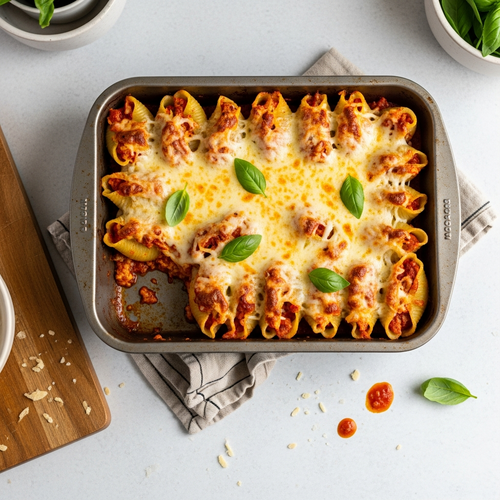
Description: A macro-friendly take on a classic comfort food, packed with protein to keep you full and satisfied. This stuffed shells recipe is perfect for fat loss and an ADHD-friendly lifestyle, making it a delicious addition to your weekly meal prep.
Prep Time: 20 minutes | Cook Time: 40 minutes
Servings: 8
Macros per Serving | Calories: 410 | Protein: 39g | Fat: 14g | Carbohydrates: 32g
Ingredients
- 12 oz jumbo pasta shells
- 1 lb 93% lean ground turkey
- 1 tbsp olive oil
- 1/2 large yellow onion, diced
- 3 cloves garlic, minced
- 1 tsp Italian seasoning
- 1/2 tsp salt
- 1/4 tsp black pepper
- Pinch of red pepper flakes (optional)
- 15 oz fat-free or low-fat cottage cheese
- 1/2 cup part-skim ricotta cheese
- 1/4 cup grated Parmesan cheese
- 1 large egg, beaten
- 10 oz frozen chopped spinach, thawed and squeezed dry
- 24 oz jar of your favorite marinara sauce
- 1 cup shredded part-skim mozzarella cheese
- Fresh basil, for garnish (optional)
Instructions
- Preheat oven to 375°F (190°C). Cook jumbo shells according to package directions until al dente. Drain and set aside.
- While pasta cooks, heat olive oil in a large skillet. Sauté onion until soft (5 mins), then add garlic and cook for 1 more minute.
- Add ground turkey to the skillet, break it apart, and cook until browned. Drain excess fat. Stir in seasonings.
- In a large bowl, combine cottage cheese, ricotta, Parmesan, and egg. Mix well. (Optional: blend cottage cheese first for a smoother texture).
- Stir the cooked turkey mixture and the dry spinach into the cheese mixture.
- Spread a thin layer of marinara sauce in a 9×13 inch baking dish.
- Stuff each shell with the filling and arrange them in the dish.
- Pour remaining marinara over the shells and top with shredded mozzarella.
- Cover with foil and bake for 25 minutes. Remove foil and bake for another 10-15 minutes, until cheese is bubbly and golden.
- Let stand for 5-10 minutes before serving.
Notes
The most critical step for texture is to squeeze as much liquid as possible from the thawed spinach. A watery filling is almost always caused by wet spinach. For easier meal prep, the entire dish can be assembled up to 2 days in advance, covered, and refrigerated before baking.
FAQs About Stuffed Shells For Weight Loss
Here are some straightforward answers to the most common questions I receive about this stuffed shells recipe.
Can you really eat pasta like stuffed shells and still lose weight?
Absolutely, one hundred percent yes. This is one of the biggest myths in the fitness world that I want to bust. No single food, including pasta, makes you gain weight. Weight gain is caused by consistently consuming more calories than your body burns. The problem with traditional pasta dishes is that they are often very high in calories and low in protein, making it easy to overeat them and still feel hungry later.
This recipe is different. We’ve strategically engineered these stuffed shells to be high in protein and fiber, which are the two most important factors for satiety, or the feeling of fullness. The lean turkey, cottage cheese, and spinach all contribute to a meal that keeps you satisfied for hours. By controlling the portion size and pairing it with a vegetable, you can easily fit this comforting, delicious meal into a calorie deficit, which is the only requirement for weight loss. It’s all about making smart swaps, not needless sacrifices.
How can I make these stuffed shells ahead of time?
This recipe is perfect for making ahead, which is a fantastic strategy for managing ADHD and a busy schedule. You can fully assemble the entire dish without baking it. Just follow all the steps right up to putting it in the oven. Instead, cover the baking dish tightly with plastic wrap or foil and store it in the refrigerator for up to two days. This is great for a weeknight when you know you won’t have time to cook from scratch.
When you’re ready to eat, just take it out of the fridge, remove the plastic wrap, cover it with foil, and bake. You may need to add about 10-15 minutes to the initial covered baking time since it will be starting from cold. You can also freeze the unbaked casserole for up to three months. Just bake it directly from frozen, adding about 30-40 minutes to the total bake time.
My stuffed shells filling is always watery. What am I doing wrong?
This is a super common problem, but it has a very simple fix. The number one culprit for a watery filling is, without a doubt, the spinach. Frozen spinach holds an incredible amount of water. You must thaw it completely and then squeeze every single drop of liquid out of it. I mean it. Put it in a colander and press down hard with a spoon, or wrap it in a clean kitchen towel or cheesecloth and wring it out until it’s a dry, compact ball.
The second potential issue could be the type of cheese or sauce you’re using. Some brands of ricotta or cottage cheese can be more watery than others. Using part-skim or fat-free versions usually helps. Also, ensure your marinara sauce is relatively thick and not too liquidy. If you nail the spinach squeeze, I guarantee you’ll have a perfectly creamy, non-watery filling.
What’s the best way to stuff the shells without them breaking?
Dealing with broken pasta shells can be frustrating, but a few simple tricks can help. First, make sure you cook the shells al dente, meaning they are still slightly firm. If you overcook them, they will be too soft and will tear easily. Once they are cooked and drained, you can toss them with a tiny bit of olive oil to prevent them from sticking together as they cool.
When it comes to the actual stuffing, use a small spoon, like a teaspoon or a small dessert spoon. This gives you more control than a large tablespoon. Don’t try to force too much filling in at once. And here’s the most important tip: don’t stress about it! A few shells will inevitably break. It happens to everyone. Just do your best, and if a few tear, you can still place them in the dish. Once it’s all covered in sauce and cheese and baked, no one will ever know the difference. Perfection is not the goal here; a delicious meal is.
Can I make these stuffed shells without meat for a vegetarian option?
Yes, making a vegetarian version of these stuffed shells is incredibly easy. The foundation of the recipe is already the high-protein cheese and spinach filling, so you’re already halfway there. Simply omit the ground turkey. To make sure the filling is still substantial, you can increase the amount of spinach or add other vegetables.
A popular and delicious option is to finely chop about 8 ounces of cremini mushrooms and sauté them with the onion and garlic until they’ve released their moisture and started to brown. Then, mix the cooked mushrooms into the cheese filling. You could also add finely diced zucchini or red bell pepper. Another option is to use a plant-based ground meat substitute. Just be mindful that any substitution will change the final macronutrient profile, so the protein and calorie counts will be different from the original recipe.
Try These High-Protein Recipes Next
If you loved how we made this classic comfort food fit your fitness goals, you’ll want to check out these other delicious, high-protein pasta dishes.
- ADHD-Friendly High-Protein Lasagna: Another classic Italian dish remade to be high in protein and easy to assemble, using smart shortcuts that work for your brain.
- Simple High-Protein Baked Ziti: All the flavor of a baked pasta dish but even easier than stuffing shells. This is a true one-pan wonder for busy weeknights.
- Best Manicotti Recipe with Ricotta: If you loved the process of stuffing shells, give this classic manicotti a try for a slightly different take on cheese-filled pasta.
These recipes prove that you can enjoy hearty, delicious meals while consistently moving toward your goals.