
If you told me ten years ago that a blueberry muffin would be a key part of my fat loss plan, I would have laughed. Back then, food was either “good” or “bad.” Muffins, especially the giant, sugar-dusted ones from coffee shops, were definitely in the “bad” category. They were a forbidden food, something I’d only eat on a full-blown cheat day that would inevitably spiral into a week of feeling guilty.
That all-or-nothing thinking is a classic ADHD trait, and it sabotaged my fitness goals for years. I’d be perfect for a few weeks, then crash and burn because I was miserable and felt deprived. My journey to losing 65 pounds for good only started when I threw out the rulebook and decided to work with my brain, not against it.
That meant finding ways to include the foods I loved, but in a way that served my goals. I needed comfort, convenience, and flavor, but also protein and hunger control. This high-protein blueberry muffin recipe is the result of that mindset. It’s a perfectly satisfying, grab-and-go breakfast or snack that tastes like a treat but is packed with the nutrients you need to stay full and energized. It’s proof that you don’t have to give up your favorites to build a body you love.
Skip to My Flexibe Diet Recipe!
Why Blueberry Muffin Is Great For Fat Loss
Let’s be brutally honest. Most muffins are just cupcakes without the frosting. They are loaded with sugar, refined flour, and fat, which leads to a massive blood sugar spike followed by a hard crash. That crash leaves you feeling tired, foggy, and craving even more sugar. It’s a vicious cycle that makes fat loss feel impossible.
This blueberry muffin recipe is different by design. We engineered it to support your fat loss goals, not sabotage them. The first and most important principle here is protein first. We pack these muffins with protein from two sources: vanilla whey protein powder and non-fat Greek yogurt. Each muffin delivers a solid dose of protein, which is a powerhouse for fat loss.
Protein keeps you feeling full and satisfied for hours. This drastically reduces the random cravings and mindless snacking that can easily derail a calorie deficit. For the ADHD brain, which often seeks dopamine through food, managing hunger is a game-changer. When you’re not constantly battling cravings, you have more mental energy for everything else.
We also strategically cut down on the things that hinder progress. By using a granulated sugar substitute and unsweetened applesauce, we get all the sweetness and moisture without the empty calories and blood sugar rollercoaster of regular sugar and oil. This creates a sustainable treat. It’s a delicious blueberry muffin that helps you stay consistent, and we know that consistency, not intensity, is what drives results.
Ingredients You’ll Need for Blueberry Muffin
The best recipes are the ones you can actually make without a special trip to the store. This ingredient list is built on simple, affordable staples that you likely already have in your kitchen. We focus on what works, without unnecessary complexity. That’s how we make healthy eating stick, especially on low-motivation days.
Here’s exactly what you’ll need to make these muffins.
- All-Purpose Flour: 1 ½ cups
- Vanilla Whey Protein Powder: ½ cup
- Baking Powder: 2 tsp
- Baking Soda: ½ tsp
- Salt: ½ tsp
- Plain Non-Fat Greek Yogurt: 1 cup
- Unsweetened Applesauce: ½ cup
- Large Egg Whites: 2
- Granulated Sugar Substitute: ⅔ cup
- Vanilla Extract: 1 tsp
- Fresh or Frozen Blueberries: 1 cup
The secret weapon in this recipe is the plain non-fat Greek yogurt. It’s a true multitasker. It provides a significant protein boost, helping us hit our macro goals. It also adds incredible moisture and a slight tang that balances the sweetness, all while replacing the oil or butter found in traditional muffin recipes. This simple swap dramatically lowers the fat and calorie content without sacrificing texture.
A quick note on protein powder. A good quality vanilla whey isolate will give you the cleanest flavor and best texture. Some brands can have a chalky aftertaste, so use one you know you like. For blueberries, frozen works just as well as fresh. Just don’t thaw them first, as they can bleed and turn your batter a grayish-purple color. Adding them in frozen keeps the muffins looking bright and bakery-fresh.
How To Make Blueberry Muffin (Step-By-Step)
One of my biggest challenges in the kitchen is feeling overwhelmed by too many steps at once. This process is designed to be as straightforward as possible. We break it down into manageable chunks to keep things calm and focused. Read through the steps once before you start, and get all your ingredients out on the counter. This little bit of prep makes a huge difference.
Step 1: Prep Your Space and Oven
First things first, preheat your oven to 375°F (190°C). Getting this started right away ensures it’s ready to go when your batter is mixed. Next, prep your 12-cup muffin tin. You can use paper liners for zero cleanup, which is a massive win for ADHD brains, or just give it a good coat of non-stick spray.
Step 2: Combine the Dry Ingredients
In a large bowl, add your all-purpose flour, vanilla whey protein powder, baking powder, baking soda, and salt. Use a whisk to mix them together thoroughly for about 30 seconds. This step is more important than it looks. It ensures the baking powder and soda are evenly distributed, which is key to getting a good rise on every single muffin.
Step 3: Mix the Wet Ingredients
Grab a separate, medium-sized bowl. In this one, combine the plain non-fat Greek yogurt, unsweetened applesauce, large egg whites, sugar substitute, and vanilla extract. Whisk these together until the mixture is smooth and well-combined. Mixing the wet ingredients separately helps prevent overmixing the final batter.
Step 4: Gently Combine Wet and Dry
Now, pour the wet mixture from the medium bowl into the large bowl with the dry ingredients. Using a spatula or wooden spoon, stir until the ingredients are just combined. This is the most critical part. Do not overmix. A few lumps in the batter are perfectly fine. Overmixing develops the gluten in the flour and will result in tough, dense muffins instead of light and fluffy ones.
Step 5: Fold in the Blueberries
Gently pour your fresh or frozen blueberries into the batter. Use your spatula to fold them in with just a few strokes. If you’re using frozen berries, work quickly to prevent them from coloring the entire batter. This gentle folding motion keeps the berries whole.
Step 6: Fill and Bake
Divide the batter evenly among the 12 prepared muffin cups. An ice cream scoop with a trigger release is an amazing tool for this. It makes portioning fast, easy, and consistent. Place the muffin tin in your preheated oven and bake for 18 to 22 minutes. The muffins are done when they are golden brown and a toothpick inserted into the center comes out clean.
Step 7: Cool Down
Once baked, remove the muffin tin from the oven. Let the muffins cool in the tin for about five minutes. This allows them to set up a bit. After that, carefully transfer them to a wire rack to cool completely. This prevents the bottoms from getting soggy from trapped steam.
How To Serve Blueberry Muffin (ADHD-Friendly)
A muffin can be a great snack, but to make it a truly satisfying meal that supports your goals, it’s best to pair it with other foods. For those of us with ADHD, having a simple, repeatable meal structure is key to avoiding decision fatigue, especially in the morning or for lunch when focus can be low. These muffins can be the perfect anchor for a quick and balanced meal.
The goal is to create a plate that crushes hunger for hours. Since these muffins already have protein and carbs, you can add a little more protein or some healthy fats to round things out. This ensures you’re not reaching for another snack an hour later.
Here are some brutally practical ways to serve them:
- The Power Breakfast: Pair two blueberry muffins with a side of scrambled eggs or a pre-made hard-boiled egg. This is a fantastic combination of fast-acting carbs for energy and a big protein hit for lasting fullness.
- The Grab-and-Go Snack: Warm up one muffin and smear it with a tablespoon of peanut butter, almond butter, or even a bit of cream cheese. The healthy fats will make it even more satisfying.
- The Post-Workout Refuel: Have one or two muffins within an hour after your workout. They provide the perfect blend of protein and carbohydrates to help your muscles recover and replenish energy stores.
- The Yogurt Bowl Topper: Crumble a muffin over a bowl of plain Greek yogurt and add a few extra berries. This creates a delicious, high-protein parfait with great texture.
The ultimate ADHD tip is to batch-bake these on a Sunday. Store them in clear, single-serving containers in the fridge. When you see them, you’ll remember they exist. This simple act of making your healthy choices the easy choices is how you build a sustainable lifestyle.
How To Store, Reheat, and Reuse Blueberry Muffin
Meal prep is our superpower. Having healthy, delicious food ready to go is the ultimate defense against last-minute takeout orders or skipping meals entirely. These blueberry muffins are perfect for prepping ahead, ensuring you have a smart choice available whenever you need it. Storing them correctly keeps them fresh and tasty all week long.
Your storage method depends on how quickly you plan to eat them. No matter which you choose, always let the muffins cool completely to room temperature first. Storing them while still warm will create condensation and make them soggy.
Here are the best ways to store your muffins:
- On the Counter (1-2 Days): If you’ll be eating them quickly, you can store them in an airtight container at room temperature. Line the bottom of the container with a paper towel to absorb any excess moisture and keep them from getting sticky.
- In the Refrigerator (Up to 1 Week): For longer freshness, the fridge is your best bet. Keep them in an airtight container. They’ll be ready to grab for a full week of easy breakfasts and snacks.
- In the Freezer (Up to 3 Months): This is the ultimate ADHD life hack. Wrap each muffin individually in plastic wrap or foil, then place them all in a large freezer-safe zip-top bag. Squeeze out as much air as possible. Now you have a secret stash of healthy treats for any time a craving strikes or you have no time to cook.
Reheating is simple. From the fridge, 15-20 seconds in the microwave is perfect. From the freezer, microwave for 30-45 seconds. For a crispy, “fresh-baked” top, pop a refrigerated or thawed muffin into an air fryer or toaster oven at 350°F (175°C) for just 2-3 minutes. It makes a world of difference.
Easy Swaps & Variations for Blueberry Muffin
A recipe is a template, not a strict set of rules. The best way to stay consistent with your nutrition is to be flexible. You should feel empowered to adapt this blueberry muffin recipe based on what you have in your pantry, your dietary needs, or just what you’re in the mood for. Don’t let one missing ingredient stop you from making a healthy meal.
These muffins are incredibly forgiving. Small changes won’t ruin the final product, so feel free to experiment. Just remember that swapping ingredients will change the final nutrition information, so be mindful of that if you are tracking your macros closely.
Here are some simple and effective swaps you can try:
- For a Fiber Boost: Replace up to half of the all-purpose flour with whole wheat flour or oat flour. This will add extra fiber, which is great for digestion and keeping you full, but may result in a slightly denser muffin.
- Change the Fruit: Blueberries are classic, but this recipe works beautifully with other fruits. Try swapping them for an equal amount of raspberries, chopped strawberries, or even blackberries. You could also use a cup of sugar-free chocolate chips for a more decadent treat.
- Different Protein Powders: While vanilla whey is my top pick, a chocolate whey protein would make a delicious chocolate-blueberry muffin. If you only have unflavored protein, just add an extra half-teaspoon of vanilla extract to boost the flavor.
- Make it Dairy-Free: You can substitute the Greek yogurt with a dairy-free alternative like coconut or almond-based yogurt. Be aware that this will likely lower the protein content, so check the labels.
Embrace these variations as a way to prevent boredom and use up what you have on hand. A flexible approach is a sustainable approach, and that’s what we’re all about here.
High-Protein Blueberry Muffin
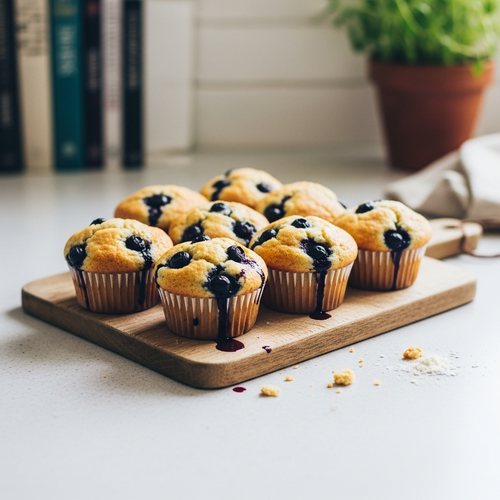
Description: A light, fluffy, and satisfying blueberry muffin packed with protein to keep you full and fight cravings. The perfect grab-and-go breakfast or snack for a sustainable fat loss lifestyle.
Prep Time: 10 minutes | Cook Time: 20 minutes
Servings: 12 Muffins
Macros per Serving | Calories: 110 | Protein: 8g | Fat: 1g | Carbohydrates: 16g
Ingredients
- 1 ½ cups all-purpose flour
- ½ cup vanilla whey protein powder
- 2 tsp baking powder
- ½ tsp baking soda
- ½ tsp salt
- 1 cup plain non-fat Greek yogurt
- ½ cup unsweetened applesauce
- 2 large egg whites
- ⅔ cup granulated sugar substitute
- 1 tsp vanilla extract
- 1 cup fresh or frozen blueberries
Instructions
- Preheat oven to 375°F (190°C) and line a 12-cup muffin tin with liners or non-stick spray.
- In a large bowl, whisk together flour, protein powder, baking powder, baking soda, and salt.
- In a separate bowl, mix together Greek yogurt, applesauce, egg whites, sugar substitute, and vanilla extract until smooth.
- Pour the wet ingredients into the dry ingredients and stir until just combined. Do not overmix.
- Gently fold in the blueberries.
- Divide batter evenly among the 12 muffin cups.
- Bake for 18-22 minutes, or until a toothpick inserted into the center comes out clean.
- Cool in the tin for 5 minutes before transferring to a wire rack to cool completely.
Notes
For best results, use a whey protein isolate. If using frozen blueberries, do not thaw them before adding to the batter to prevent bleeding.
FAQs About Blueberry Muffin For Weight Loss
Here are some straightforward answers to the most common questions I receive about this blueberry muffin recipe.
Can you really eat this blueberry muffin recipe and still lose weight?
Yes, absolutely. Fat loss comes down to one core principle: consistently consuming fewer calories than your body burns. This is called a calorie deficit. The reason so many diets fail is that they rely on extreme restriction, which is unsustainable. This blueberry muffin recipe is designed to help you maintain that deficit without feeling deprived.
Each muffin is low in calories (around 110) but high in protein (8 grams). The protein is key because it promotes satiety, meaning it helps you feel full and satisfied long after you’ve eaten. This drastically reduces the likelihood of overeating later in the day. By having a planned, delicious treat that fits your macros, you eliminate the “forbidden fruit” mentality and are less likely to have an unplanned binge on something far less healthy. It’s a tool for consistency.
What is the best protein powder for this blueberry muffin recipe?
My go-to recommendation is a high-quality vanilla whey protein isolate. Isolate powders are more refined than concentrates, which means they typically have more protein per scoop and fewer carbs and fats. They also tend to have a very smooth texture and mild flavor that blends seamlessly into baked goods without making them gritty or giving them a weird aftertaste.
A whey-casein blend also works exceptionally well in baking. The casein protein absorbs more liquid and bakes up very moist, which can give the muffins an even better texture. While you can experiment with plant-based protein powders, be aware that they behave very differently. They are much more absorbent, so you may need to add extra liquid (like more applesauce or yogurt) to prevent the muffins from becoming dry and crumbly.
How can I make this blueberry muffin recipe gluten-free?
Making this recipe gluten-free is very simple. All you need to do is swap the all-purpose flour for a good quality “cup-for-cup” or “1-to-1” gluten-free all-purpose baking flour blend. Brands like Bob’s Red Mill 1-to-1 Baking Flour or King Arthur Measure for Measure are excellent choices because they already contain xanthan gum, which is essential for providing structure in the absence of gluten.
You can swap it in the exact same amount as the regular flour. Keep in mind that gluten-free baked goods can sometimes have a slightly different texture; they might be a bit more dense or delicate than their gluten-containing counterparts. This is completely normal. The rest of the ingredients in the recipe are naturally gluten-free, but always double-check the labels on your protein powder and baking powder to be certain.
My blueberry muffins came out dry. What did I do wrong?
Dry muffins are a common problem, and it usually comes down to one of two things: overmixing the batter or overbaking the muffins. The number one rule of muffin-making is to mix the batter as little as possible. Once you combine the wet and dry ingredients, stir only until you no longer see streaks of dry flour. Lumps are your friend! Overmixing develops gluten, which makes the muffins tough and dry.
The second culprit is baking time. Every oven is slightly different, and your oven might run hotter than mine. Start checking for doneness at the 18-minute mark. Insert a toothpick into the center of a muffin; it should come out with a few moist crumbs attached. If it comes out completely clean and dry, they are likely already a bit overbaked. Pulling them out at the right moment is key to a moist, tender crumb.
Can I make these blueberry muffins without a sugar substitute?
Of course. The goal here is flexibility, and you can absolutely make these with regular sugar if you prefer. You can replace the ⅔ cup of granulated sugar substitute with ⅔ cup of regular granulated sugar, coconut sugar, or brown sugar. The texture and baking process will be virtually identical.
The main thing to be aware of is that this change will affect the nutritional information. Using regular sugar will add about 512 calories to the entire batch, which works out to roughly 43 extra calories per muffin, all from carbohydrates. This might be perfectly fine for your goals, especially if you aren’t strictly tracking macros. The choice is yours. You can also try using a liquid sweetener like maple syrup or honey, but you may need to reduce the applesauce by a tablespoon or two to compensate for the added liquid.
Try These High-Protein Recipes Next
If you loved how simple and delicious these muffins are, here are a few other high-protein recipes you should try next.
- High-Protein Pancakes: The perfect weekend breakfast that will keep you full all morning long without the sugar crash.
- High-Protein Waffles: Crispy, fluffy waffles that are freezer-friendly and perfect for a quick weekday meal.
- Blueberry Banana Yogurt Muffins: A great alternative from This Gal Cooks if you have some ripe bananas you need to use up.
Building a library of simple, go-to recipes is the secret to long-term success.