
For most of my life, my relationship with cake was simple. I saw it, I wanted it, I ate way too much of it. During my first attempt at losing weight, I treated it like the enemy. I told myself I could never have a slice of chocolate cake again. That all-or-nothing thinking is a classic ADHD trap, and it backfired spectacularly.
I’d resist for weeks, my cravings would build into a roaring monster, and then I’d find myself devouring half a store-bought cake in one sitting. The guilt spiral that followed was brutal. It was only when I rejected perfection and embraced a flexible, sustainable system that things started to change. I needed a way to satisfy my cravings without derailing my progress.
This high-protein chocolate cake is the direct result of that journey. It’s not a “cheat” meal. It’s a tool. It’s a delicious, satisfying dessert that works with my macros, crushes my cravings for sweets, and keeps me on track. It’s proof that you don’t have to give up the foods you love to build a body you’re proud of. You just have to build smarter versions.
This recipe is for anyone who has felt that same frustration. It’s for the busy parent with ADHD who needs a simple, quick treat that won’t lead to a sugar crash. It’s for the person who is tired of the restrict-binge cycle and wants to find a balanced way to enjoy food and achieve their fat loss goals. This is how we win.
Skip to My Flexibe Diet Recipe!
Why This Protein Cake Is Great For Fat Loss
When you’re trying to lose fat, the biggest battles are often fought against hunger and cravings. This protein cake is engineered to help you win on both fronts. Food is 75 percent of the equation, and this recipe makes that 75 percent feel easy and enjoyable.
The number one principle here is protein first. Each slice is packed with protein from whey or casein powder and non-fat Greek yogurt. Protein is the most satiating macronutrient. It makes you feel fuller for longer, which drastically reduces the chances you’ll go hunting for snacks an hour after your meal. For the ADHD brain, which is constantly seeking dopamine hits from food, managing hunger is non-negotiable.
This leads directly to the second principle: hunger management. A slice of traditional chocolate cake will spike your blood sugar, leading to a quick burst of energy followed by a hard crash. That crash triggers more cravings, and the cycle continues. This cake, with its high protein content and complex carbs from oat flour, provides a much more stable source of energy. It keeps you full and your blood sugar steady, which is a game-changer for impulse control.
Finally, this is about sustainable, flexible eating. A slice of this cake has a fraction of the calories, sugar, and fat of its traditional counterpart, but it still delivers that rich, chocolatey satisfaction. Including small, planned indulgences like this prevents the feeling of deprivation that leads to massive binges. It’s not a cheat meal; it’s a strategic part of a plan that allows you to enjoy life while consistently moving toward your goals.
Ingredients You’ll Need for This Protein Cake
Building an ADHD-friendly kitchen means having simple, versatile ingredients on hand. This recipe uses pantry staples that you can use for dozens of other high-protein meals and snacks. No searching for obscure, expensive items at specialty stores. We are aiming for brutally practical.
Here’s exactly what you’ll need to get started.
- 1 cup non-fat plain Greek yogurt
- 2 large eggs
- 1/2 cup unsweetened almond milk
- 1 teaspoon vanilla extract
- 1/2 cup oat flour
- 2 scoops (approx. 60g) chocolate whey or casein protein powder
- 1/4 cup unsweetened cocoa powder
- 1/2 cup zero-calorie sweetener (e.g., erythritol or monk fruit blend)
- 1 1/2 teaspoons baking powder
- 1/4 teaspoon salt
For the Frosting:
- 1 cup non-fat plain Greek yogurt
- 1 scoop (approx. 30g) chocolate protein powder
- 2 tablespoons zero-calorie powdered sweetener
- 1 tablespoon unsweetened cocoa powder
The absolute star of this recipe is the non-fat plain Greek yogurt. It’s our secret weapon. It replaces the oil or butter found in traditional cake recipes, slashing the fat and calorie content while adding a significant protein boost. More importantly, it provides incredible moisture, which is essential for preventing protein baked goods from becoming dry and chalky.
Your choice of chocolate protein powder will have the biggest impact on the final taste. Use a brand and flavor you genuinely enjoy drinking as a shake. A whey/casein blend often bakes best, as casein helps retain moisture, but a quality whey concentrate or isolate will also work. Just be aware that some pure whey isolates can make the final product a bit drier.
For the oat flour, you can buy it pre-made or make your own in seconds. Simply add old-fashioned or rolled oats to a blender and blend on high until you have a fine, powdery flour. This is a great, cost-effective shortcut.
How To Make Protein Cake (Step-By-Step)
We’re keeping this process simple and straightforward. The key to success with any recipe, especially on a low-motivation day, is to break it down into small, manageable steps. Before you start, do a quick “mise en place” by getting all your ingredients out on the counter. This little bit of prep work prevents that mid-recipe panic when you can’t find the baking powder.
Step 1: Prepare Your Oven and Pan
First things first, preheat your oven to 350°F (175°C). While it’s heating up, prepare your 8×8 inch baking pan. You can lightly grease it with cooking spray, but my preferred method for zero-stress cleanup is to line it with parchment paper. Leave a little overhang on two sides to act as “handles” so you can easily lift the entire cake out of the pan once it’s cooled.
Step 2: Mix the Wet Ingredients
In a large bowl, add the 1 cup of Greek yogurt, 2 large eggs, unsweetened almond milk, and vanilla extract. Whisk these together until the mixture is completely smooth. You don’t want any lumps of yogurt remaining, as they can create dense spots in your finished cake. Keep whisking until it’s a uniform, liquid consistency.
Step 3: Combine the Dry Ingredients
In a separate, medium-sized bowl, add the oat flour, 2 scoops of protein powder, unsweetened cocoa powder, zero-calorie sweetener, baking powder, and salt. Use a whisk or a fork to thoroughly combine everything. This step is more important than it seems. It ensures the baking powder is evenly distributed, which is what gives the cake a nice, even rise.
Step 4: Mix It All Together
Now, pour the dry ingredients into the bowl with the wet ingredients. Using a spatula or wooden spoon, mix until everything is just combined. The most common mistake in protein baking is overmixing. If you work the batter too much, the cake can become tough and rubbery. Just mix until you no longer see streaks of dry flour.
Step 5: Bake the Cake
Pour the finished batter into your prepared baking pan and use your spatula to spread it into an even layer. Place it in the preheated oven and bake for 25-30 minutes. You’ll know it’s done when the edges start to pull away from the sides of the pan and a toothpick inserted into the center comes out clean.
Step 6: Cool Completely and Frost
This step requires patience, which can be tough with ADHD, but it’s critical. You must let the cake cool completely in the pan before you even think about frosting it. If you try to frost a warm cake, the frosting will melt into a soupy mess. While it cools, whisk together all the frosting ingredients in a small bowl until smooth. Once the cake is at room temperature, spread the frosting evenly over the top, slice, and enjoy.
How To Serve Protein Cake (ADHD-Friendly)
The best part about this protein cake is how easily it fits into a healthy lifestyle. This isn’t a complicated dessert. It’s a simple, effective tool for satisfying your sweet tooth while staying aligned with your fitness goals. The key is to be intentional about how you incorporate it.
My favorite ADHD-friendly strategy is pre-portioning for grab-and-go convenience. As soon as the cake is frosted and set, cut it into nine equal squares. Place each square into a small, separate airtight container. This does two things: it removes the friction of having to cut a piece every time you want one, and it defines a serving size, preventing the temptation to “just shave off a little sliver more.” When a craving hits, you can just grab a container from the fridge.
While the cake is delicious on its own, a few simple additions can elevate it. Here are some easy, low-effort ideas:
- Fresh Berries: A handful of fresh raspberries or sliced strawberries on top adds a burst of freshness, a bit of fiber, and a nice color contrast. Plus, the prep time is minimal.
- A Dollop of Yogurt or Cream: For a creamier texture, add a spoonful of non-fat Greek yogurt or a small amount of light whipped cream. It makes the experience feel even more decadent.
- A Sprinkle of Toppings: A few sugar-free chocolate chips, a light dusting of cocoa powder, or some chopped nuts can add a nice textural element without adding significant calories.
Think of this cake as your planned indulgence for the day. Having a slice after dinner can be the perfect way to cap off your meals and prevent late-night snacking. It provides that psychological comfort of a treat, making your fat loss journey feel less like a chore and more like a lifestyle you can actually stick with.
How To Store, Reheat, and Reuse Protein Cake
Proper storage is essential for keeping this protein cake fresh and delicious. Because both the cake and the frosting are made with a large amount of Greek yogurt, this is one treat you absolutely must store in the refrigerator. Leaving it on the counter is not an option.
Once you’ve sliced it, place the cake in an airtight container. This will keep it from drying out and absorbing any other flavors from your fridge. Stored correctly, it will stay moist and tasty for up to 3 or 4 days. I find it’s perfect for making on a Sunday to have a healthy dessert ready for the first half of the busy week.
This cake is also incredibly freezer-friendly, which is a fantastic hack for long-term planning.
- Freeze Individual Slices: The best method is to freeze individual portions. Wrap each slice snugly in plastic wrap, and then place the wrapped slices into a larger freezer-safe bag or container. This prevents freezer burn and makes it easy to grab one at a time.
- Thawing Your Cake: When you’re ready for a treat, you have a couple of options. You can either let a slice thaw in the refrigerator for a few hours (or overnight), or if you need instant gratification, unwrap it and microwave it for 20-30 seconds.
When it comes to serving from the fridge, you can enjoy it cold or warm it up slightly. It’s delicious straight from the refrigerator, with a dense, fudgy texture. If you prefer a softer, gooier cake, just pop a slice in the microwave for about 15-20 seconds. It brings out the chocolate flavor and makes it feel like it just came out of the oven. This flexibility makes it a super convenient dessert for any occasion.
Easy Swaps & Variations for This Protein Cake
One of my core principles is that recipes should be flexible. Life is busy, and sometimes you don’t have the exact ingredient a recipe calls for. With the ADHD brain, having to run to the store for one specific item can be enough to derail the entire plan. This protein cake recipe is very forgiving and easy to adapt based on what you have in your pantry.
Here are a few simple swaps and variations you can try to make this cake your own:
- Change the Protein Flavor: While this is a chocolate cake recipe, you can easily change the entire flavor profile by using a different protein powder. A vanilla whey or casein would create a delicious vanilla base. You could even get creative with flavors like peanut butter cup, salted caramel, or cookies and cream for a completely new dessert experience.
- Different Flours: If you don’t have oat flour, you can substitute it with an equal amount of all-purpose flour or whole wheat flour. The texture might be slightly different—a little less dense—but it will still bake up beautifully. Almond flour could also work, but you may need to adjust the wet ingredients slightly as it absorbs more moisture.
- Milk Options: Unsweetened almond milk is my go-to for its low calorie count, but feel free to use any milk you have on hand. Skim dairy milk, soy milk, or oat milk will all work perfectly in this recipe without requiring any adjustments.
- Add Some Mix-Ins: To add more texture and flavor, consider folding in about 1/4 cup of mix-ins to the batter before baking. Sugar-free chocolate chips are a classic choice. Chopped walnuts or pecans would add a nice crunch, and a handful of shredded, unsweetened coconut could give it a tropical twist.
- Experiment with Extracts: Vanilla extract is a great base, but you can add a new dimension of flavor with other extracts. Try adding 1/2 teaspoon of peppermint extract for a chocolate-mint cake, or a little orange extract for a chocolate-orange flavor that’s perfect for the holidays.
Don’t be afraid to experiment. The goal is to create a recipe that you love and that fits seamlessly into your life. Use this as a template and adjust it to match your personal tastes and what you have available.
ADHD-Friendly High-Protein Chocolate Cake
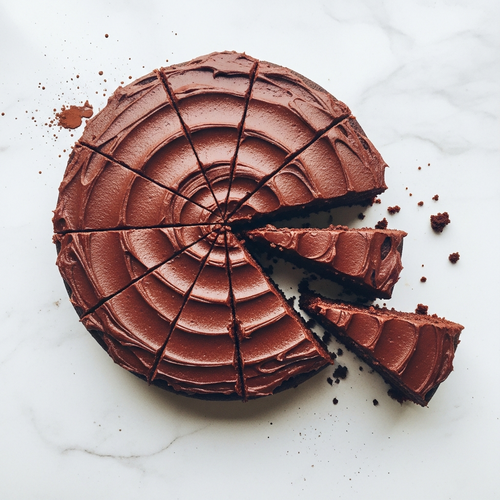
Description: A rich, moist, and fudgy chocolate protein cake that’s easy to make and perfect for fat loss. This recipe crushes cravings and supports your fitness goals without feeling like a diet.
Prep Time: 10 minutes | Cook Time: 30 minutes
Servings: 9
Macros per Serving | Calories: 115 | Protein: 15g | Fat: 2g | Carbohydrates: 7g
Ingredients
- 1 cup non-fat plain Greek yogurt
- 2 large eggs
- 1/2 cup unsweetened almond milk
- 1 teaspoon vanilla extract
- 1/2 cup oat flour
- 2 scoops (approx. 60g) chocolate whey or casein protein powder
- 1/4 cup unsweetened cocoa powder
- 1/2 cup zero-calorie sweetener (e.g., erythritol or monk fruit blend)
- 1 1/2 teaspoons baking powder
- 1/4 teaspoon salt
- For the Frosting:
- 1 cup non-fat plain Greek yogurt
- 1 scoop (approx. 30g) chocolate protein powder
- 2 tablespoons zero-calorie powdered sweetener
- 1 tablespoon unsweetened cocoa powder
Instructions
- Preheat oven to 350°F (175°C). Line an 8×8 inch baking pan with parchment paper.
- In a large bowl, whisk together 1 cup Greek yogurt, eggs, almond milk, and vanilla until smooth.
- In a separate bowl, combine oat flour, 2 scoops protein powder, 1/4 cup cocoa powder, sweetener, baking powder, and salt.
- Add the dry ingredients to the wet ingredients and mix until just combined. Do not overmix.
- Pour batter into the prepared pan and bake for 25-30 minutes, or until a toothpick comes out clean.
- Let the cake cool completely.
- While cooling, whisk together all frosting ingredients until smooth.
- Spread frosting over the cooled cake, slice into 9 squares, and serve.
Notes
Store any leftovers in an airtight container in the refrigerator for up to 4 days. This cake is also freezer-friendly. The choice of protein powder will significantly impact the final taste, so use one you enjoy.
FAQs About Protein Cake For Weight Loss
Here are some straightforward answers to the most common questions I receive about this protein cake recipe.
Can I eat this protein cake every day for weight loss?
While this protein cake is designed to be a macro-friendly treat that fits into a fat loss plan, I wouldn’t recommend eating it every single day. The key to a sustainable diet is variety. Your body needs a wide range of nutrients from different whole food sources like lean meats, vegetables, fruits, and complex carbohydrates. Relying too heavily on any single food, even a healthy one, can lead to nutritional gaps.
Think of this cake as a powerful tool in your nutritional toolkit. It’s perfect for 3-4 times a week when you have a strong craving for something sweet. It allows you to satisfy that craving in a controlled, high-protein way that supports your goals instead of derailing them. On other days, try to satisfy your sweet tooth with fruit or a flavored Greek yogurt. Balance is always the goal.
What is the best protein powder to use for this cake recipe?
The protein powder you choose is probably the single most important ingredient for the final outcome of your cake. For baking, a protein powder blend that contains both whey and casein is often the gold standard. Casein absorbs more liquid and helps keep the cake moist and dense, counteracting the drying effect that whey can sometimes have when baked.
However, a high-quality whey concentrate will also work well. I would be cautious with 100% whey isolate, as it tends to be finer and can result in a drier, more rubbery texture. Most importantly, pick a flavor you absolutely love. If you don’t enjoy the taste of your protein powder in a shake, you definitely won’t enjoy it in a cake where its flavor is front and center.
Why did my protein cake turn out dry or rubbery?
This is the most common problem people encounter when baking with protein powder, and it usually comes down to one of three culprits. The first, and most likely, is overmixing the batter. When you mix flour and liquid, you develop gluten. Overmixing overdevelops it, leading to a tough, chewy texture. Mix your wet and dry ingredients only until they are just combined and no dry streaks remain.
The second cause could be the type of protein powder used, as mentioned above. Some whey isolates are not ideal for baking and can yield a dry result. The third issue is simply overbaking. Protein baked goods cook quickly and can go from perfectly moist to dry in just a minute or two. Keep a close eye on it and pull it out of the oven as soon as a toothpick inserted in the center comes out clean.
Can I make this protein cake without protein powder?
In short, no. This recipe is fundamentally built around protein powder. It acts not just as a nutritional supplement, but also as a key structural ingredient, similar to flour. Removing it would require a complete reformulation of the recipe. The protein powder provides bulk, structure, and flavor, and absorbs liquid in a specific way that other ingredients do not.
If you’re looking for a low-calorie cake without protein powder, you would be better off searching for a recipe specifically designed for that. You could look for recipes that use ingredients like applesauce, pumpkin puree, or extra Greek yogurt to replace fat and sugar, but they won’t provide the high-protein punch that makes this cake such an effective tool for hunger management and fat loss.
How does this chocolate protein cake help with ADHD symptoms like cravings?
This is a fantastic question because it gets to the core of why I create recipes like this. Many people with ADHD struggle with executive function and impulse control, which often manifests as food cravings and emotional eating. Our brains are often seeking dopamine, a neurotransmitter involved in pleasure and reward, and high-sugar, high-fat foods provide a quick and powerful hit.
This protein cake helps in two ways. First, it provides a psychologically satisfying alternative. You get the taste and experience of eating a delicious chocolate cake, which satisfies the mental craving for a treat. Second, and more importantly, its high-protein content provides a physiological benefit. Protein helps stabilize blood sugar levels, preventing the sharp spikes and crashes that trigger intense, hard-to-control cravings. By keeping you fuller for longer and your energy levels stable, it helps you manage impulsivity and make more deliberate food choices throughout the day.
Try These High-Protein Recipes Next
If you loved this simple and delicious protein cake, here are a few other recipes from our site and around the web that you should try next.
- ADHD-Friendly Protein Carrot Cake – A delicious twist on a classic, this recipe is packed with protein and flavor, making it another perfect guilt-free dessert.
- Simple High-Protein Chocolate Mug Cake – For when a craving strikes and you need a single-serving dessert in under five minutes. It’s a lifesaver on busy nights.
- Easy Chocolate Cake from This Gal Cooks – When you’re looking for a more traditional chocolate cake recipe that is still straightforward and incredibly simple to make, this is a great one to try.
These recipes all follow the same principles: easy to make, delicious to eat, and built to support your health and fitness goals.