
There are some things from my “before” life that I just can’t quit. For me, carrot cake is one of them. I remember grabbing those massive, plastic-domed slices from the grocery store bakery, telling myself it was “healthy” because, you know, carrots. It was a comfort food that always felt like a special occasion, even on a random Tuesday.
When I started my fitness journey and lost the first 65 pounds, I thought treats like that were gone for good. I tried the all-or-nothing approach, and it was miserable. The cravings would build up until I’d inevitably crack, eat the entire cake, and then feel like a failure, starting the whole shame spiral over again. It was a classic ADHD trap of black-and-white thinking.
This high-protein carrot cake recipe is the direct result of that struggle. I needed a version that tasted like the real deal but worked with my goals, not against them. It had to be simple enough to make on a low-energy day and satisfying enough to genuinely crush a craving. This cake isn’t a “cheat.” It’s a tool for sustainable fat loss, built for brains like ours.
It’s proof that you can hit your fitness goals without giving up the foods you love.
Skip to My Flexibe Diet Recipe!
Why Carrot Cake Is Great For Fat Loss
When you hear “cake” and “fat loss” in the same sentence, it’s natural to be skeptical. I get it. Most cakes are calorie bombs made of sugar and fat that send your blood sugar on a rollercoaster, leaving you hungry and craving more just an hour later. This recipe is engineered differently, specifically to support your body and your brain while you’re working towards a leaner, stronger physique.
The first principle of ADHD FIT is protein first. This carrot cake is packed with it, thanks to vanilla whey-casein protein powder and non-fat Greek yogurt. Protein is the superstar macro for fat loss. It keeps you feeling full for hours, which is our number one weapon against mindless snacking and intense cravings. It also requires more energy for your body to digest, a phenomenon known as the thermic effect of food, giving your metabolism a small but meaningful boost.
We also tackle hunger management by swapping out sugar and oil for smarter ingredients. Instead of cups of sugar, we use a zero-calorie sweetener to get that classic sweetness without the calories or the energy crash. Unsweetened applesauce and Greek yogurt replace the oil, providing incredible moisture while slashing the fat content. This isn’t about deprivation; it’s about making strategic swaps that deliver the same amazing taste and texture without derailing your progress. You get a generous slice of delicious cake that actually fits your macros and keeps you on track.
Finally, this carrot cake supports consistency, which is far more important than intensity. By allowing yourself planned, satisfying treats like this, you prevent the buildup of restriction-fueled cravings. This flexible eating approach is crucial for those of us with ADHD. It stops the all-or-nothing cycle and proves that a healthy lifestyle can, and should, include dessert.
Ingredients You’ll Need for Carrot Cake
Building a great recipe is like building a great workout plan. Every ingredient has a specific purpose. We’re not just throwing things in a bowl; we’re choosing components that work together to create a delicious final product that fuels our goals. This high-protein carrot cake uses a handful of smart swaps to deliver on flavor without the extra fat and sugar.
The key players here are the protein sources that also double as structural and moisture-providing elements. We use both a vanilla whey-casein protein powder and non-fat Greek yogurt. The protein powder blend is important. Whey is fast-digesting, while casein is slow-digesting, which helps create a better cake-like texture and enhances satiety. The Greek yogurt adds even more protein and provides a tangy, moist crumb that you just can’t get from oil.
Here’s the full list of what you’ll need to get started.
- For the Carrot Cake:
- 1 ½ cups whole wheat pastry flour
- ½ cup vanilla whey-casein protein powder
- 1 ½ teaspoons baking powder
- 1 teaspoon baking soda
- 1 tablespoon ground cinnamon
- ½ teaspoon ground nutmeg
- ¼ teaspoon ground ginger
- ¼ teaspoon salt
- ¾ cup granulated zero-calorie sweetener (e.g., erythritol)
- 2 large eggs
- 1 cup plain non-fat Greek yogurt
- ½ cup unsweetened applesauce
- 1 teaspoon vanilla extract
- 2 cups finely grated carrots, packed
- ½ cup chopped walnuts or pecans (optional)
- ¼ cup unsweetened crushed pineapple, drained (optional)
- For the High-Protein Cream Cheese Frosting:
- 8 oz fat-free or light cream cheese, softened
- 1 cup plain non-fat Greek yogurt
- ¼ cup vanilla whey-casein protein powder
- ½ cup powdered zero-calorie sweetener, or to taste
- 1 teaspoon vanilla extract
- As a Planned Post-Workout Snack. The combination of protein and carbohydrates is perfect for refueling your muscles after a tough workout. Having a slice with a glass of milk or a scoop of protein shake can be a fantastic way to kickstart recovery.
- A Legit Afternoon Dessert. Instead of reaching for office snacks or hitting the vending machine around 3 p.m., plan to have your slice of cake then. Pair it with a cup of coffee or tea. This turns it into a mindful break, a moment to reset, rather than a mindless munch.
- To Satisfy a Late-Night Sweet Tooth. Cravings often hit hardest at night. Knowing you have a macro-friendly, genuinely delicious slice of carrot cake waiting in the fridge can be a game-changer. It prevents last-minute scrambles for junk food and helps you end the day feeling in control and satisfied.
- Refrigeration: As mentioned, an airtight container is best. Pre-slicing it before storing makes it easy to grab one piece at a time without having to take the whole cake out. This is a huge win for reducing friction on busy days.
- Freezing for Later: Yes, you can freeze it! This is my favorite hack for preventing food fatigue. If you know you won’t eat the whole cake in 5 days, freeze individual slices. Place the slices on a baking sheet and freeze for an hour until firm. Then, wrap each slice tightly in plastic wrap and place them in a freezer-safe bag. They’ll keep for up to 3 months.
- Reheating (or not): I prefer this carrot cake chilled, straight from the fridge. It’s dense, moist, and refreshing. If you’re pulling a slice from the freezer, you can let it thaw on the counter for about 30-60 minutes or in the refrigerator for a few hours. I don’t recommend microwaving it, as it can make the cake rubbery and melt the frosting unevenly.
- Gluten-Free Carrot Cake: To make this recipe gluten-free, simply swap the whole wheat pastry flour for a good quality measure-for-measure gluten-free all-purpose flour blend. Look for one that contains xanthan gum, as it will help with the structure of the cake.
- Nut-Free Option: If you have a nut allergy or just don’t like nuts, you can leave them out entirely. For a bit of texture, you could add a quarter cup of unsweetened shredded coconut or some sunflower seeds to the batter instead.
- Different Protein Flavors: While vanilla is the classic choice, you could experiment with other protein powder flavors. A cinnamon swirl or salted caramel protein powder could be absolutely delicious in this recipe and add a unique twist.
- For an Even Higher Fiber Kick: Want to boost the fiber content? You can replace a quarter cup of the flour with oat fiber or add a tablespoon of ground flaxseed to the batter. This will also help with satiety.
- For the Carrot Cake:
- 1 ½ cups whole wheat pastry flour
- ½ cup vanilla whey-casein protein powder
- 1 ½ teaspoons baking powder
- 1 teaspoon baking soda
- 1 tablespoon ground cinnamon
- ½ teaspoon ground nutmeg
- ¼ teaspoon ground ginger
- ¼ teaspoon salt
- ¾ cup granulated zero-calorie sweetener
- 2 large eggs
- 1 cup plain non-fat Greek yogurt
- ½ cup unsweetened applesauce
- 1 teaspoon vanilla extract
- 2 cups finely grated carrots, packed
- ½ cup chopped walnuts or pecans (optional)
- For the High-Protein Cream Cheese Frosting:
- 8 oz fat-free cream cheese, softened
- 1 cup plain non-fat Greek yogurt
- ¼ cup vanilla whey-casein protein powder
- ½ cup powdered zero-calorie sweetener
- 1 teaspoon vanilla extract
- Preheat oven to 350°F (175°C). Line an 8×8 inch pan with parchment paper.
- In a large bowl, whisk together all dry cake ingredients (flour through salt).
- In a separate bowl, whisk eggs and sweetener. Then stir in yogurt, applesauce, and vanilla.
- Pour wet ingredients into dry and mix until just combined. Do not overmix.
- Fold in grated carrots and optional nuts.
- Pour batter into the prepared pan and bake for 30-40 minutes, or until a toothpick comes out clean.
- Let cake cool completely on a wire rack. This is critical.
- To make frosting, beat softened cream cheese and yogurt until smooth. Beat in protein powder, sweetener, and vanilla until fluffy.
- Spread frosting over the completely cooled cake. Store in the refrigerator.
- ADHD FIT High-Protein Banana Bread: Another classic comfort food reinvented to be packed with protein and perfect for a quick breakfast or snack.
- The Ultimate Protein Cheesecake: A rich, creamy, and decadent cheesecake that is surprisingly macro-friendly and simple to make.
- Carrot Cake Baked Oatmeal: From This Gal Cooks, this is a great breakfast prep idea that gives you all the flavors of carrot cake in a warm, satisfying bowl of oatmeal.
A quick note on the carrots. Take the extra five minutes to grate them yourself. The pre-shredded ones from the store are often thick and dry, which will negatively impact the moisture of your cake. For the ADHD brain, I know grating can feel like a huge chore. My tip: put on a short podcast or one of your favorite songs. By the time it’s over, the task will be done. Task batching like this makes food prep feel less daunting.
How To Make Carrot Cake (Step-By-Step)
Let’s get baking. I’ve broken this down into simple, manageable steps. Remember, we’re aiming for brutally practical, not perfect. If you forget an ingredient or mix something out of order, it’s usually not a big deal. Just keep moving forward. The goal is a delicious cake, not a flawless performance.
Step 1: Prep Your Oven and Pan
First things first, preheat your oven to 350°F (175°C). This is a classic “task initiation” hack. Getting the oven heating up is a small step that commits you to the process. While it heats, prepare your 8×8 inch baking pan. You can grease and flour it, but my preferred ADHD-friendly method is lining it with parchment paper. It makes cleanup so much easier later, which is a gift to your future self.
Step 2: Combine the Dry Ingredients
In a large bowl, add the whole wheat pastry flour, vanilla protein powder, baking powder, baking soda, cinnamon, nutmeg, ginger, and salt. Use a whisk to mix them all together thoroughly. This step is important for making sure the leavening agents and spices are evenly distributed, so you don’t get a bland bite followed by a pocket of baking soda.
Step 3: Combine the Wet Ingredients
Grab a separate, medium-sized bowl. Crack in the two large eggs and add the granulated sweetener. Whisk them together until they’re well combined and a little frothy. Now, stir in the plain non-fat Greek yogurt, unsweetened applesauce, and vanilla extract. Mix until the mixture is smooth and uniform.
Step 4: Mix Wet and Dry, But Don’t Overdo It
Pour the wet mixture into the large bowl with the dry ingredients. Mix them together with a spatula or wooden spoon until they are just combined. You might still see a few small streaks of flour, and that’s okay. Overmixing develops the gluten in the flour, which can lead to a tough, dense cake. We want a tender crumb.
Step 5: Fold in the Stars of the Show
Now it’s time for the main event. Gently fold in the finely grated carrots. If you’re using them, add the chopped walnuts and the drained crushed pineapple now, too. “Folding” just means using your spatula to go down the side of the bowl and gently bring the batter from the bottom up over the top. Repeat until everything is just incorporated.
Step 6: Bake the Cake
Pour your beautiful, speckled batter into the prepared baking pan and use your spatula to spread it into an even layer. Pop it into your preheated oven and bake for 30 to 40 minutes. The baking time can vary, so start checking around the 30-minute mark. The cake is done when a toothpick inserted into the center comes out clean.
Step 7: Cool It Down Completely
This is the hardest step for anyone with ADHD. Patience! Let the cake cool in the pan for about 15 minutes. Then, carefully transfer it to a wire rack to cool completely. Do not, under any circumstances, try to frost a warm cake. The frosting will melt into a soupy mess. Go for a walk, do some dishes, or set a timer and leave the kitchen.
Step 8: Whip Up the Protein Frosting
While the cake cools, make the frosting. In a medium bowl, use an electric mixer to beat the softened fat-free cream cheese and Greek yogurt until they are smooth and creamy. Add the vanilla protein powder, powdered sweetener, and vanilla extract. Beat again until the frosting is light and fluffy. Taste it and add more sweetener if you like.
Step 9: Frost and Chill
Once the cake is 100% cool to the touch, you can frost it. Spread the high-protein cream cheese frosting evenly over the top. You can get fancy with swirls or keep it simple. The finished cake needs to be stored in the refrigerator because of the Greek yogurt and cream cheese in the frosting.
How To Serve Carrot Cake (ADHD-Friendly)
Now for the best part: eating the cake you made. But even this step can be optimized for an ADHD-friendly lifestyle. How we incorporate foods like this into our routine is just as important as the recipe itself. We want to enjoy it in a way that feels intentional and satisfying, not impulsive or chaotic.
My number one tip is to pre-portion the cake as soon as it’s frosted and chilled. Cut the 8×8 cake into nine equal squares. This immediately removes decision fatigue for future-you. When you want a slice, you don’t have to wonder, “How big of a piece should I have?” You just grab one pre-cut square. It’s a simple system that prevents the “I’ll just cut a little sliver” habit that ends with half the cake gone.
Here are a few ways I like to incorporate this carrot cake into my week:
The key is planning. Look at your day and decide when you’ll have your slice. This tiny bit of foresight turns the cake from a potential “off-plan” food into a scheduled, enjoyable part of your successful fat loss plan. It’s about working with your brain’s need for novelty and reward, but on your own terms.
How To Store, Reheat, and Reuse Carrot Cake
Proper storage is essential for making this recipe work for a busy lifestyle. One of the core tenets of the ADHD FIT method is to cook once and eat multiple times. This high-protein carrot cake is perfect for that, but you have to store it correctly to maintain its taste and texture.
Because of the cream cheese and Greek yogurt in both the cake and the frosting, this cake must be kept in the refrigerator. After you’ve frosted it, place it in an airtight container. If you don’t have a container large enough, you can cover the baking pan tightly with plastic wrap. It will stay fresh and delicious in the fridge for up to 5 days. I actually think the flavor gets even better on day two as the spices meld together.
Here’s how to handle storage and reusing your carrot cake:
Having single-serving portions ready in the freezer is the ultimate ADHD life hack. It’s a built-in “break in case of emergency” for when a massive craving hits or you simply don’t have any other healthy snacks prepared. It saves you from making poor food choices in the moment and keeps you consistent with your goals.
Easy Swaps & Variations for Carrot Cake
Flexibility is the name of the game. A recipe is just a blueprint, and you should feel empowered to adapt it to your tastes, your budget, and what you have in your pantry. A rigid plan is a plan that’s destined to fail, especially for the ADHD brain that craves novelty. So let’s talk about some simple ways you can customize this protein carrot cake.
Don’t be afraid to experiment with the spices. If you love ginger, add a little extra. Not a fan of nutmeg? Leave it out. You could even add a pinch of cardamom or allspice for a different flavor profile. The goal is to make a cake that you will genuinely be excited to eat. The more you love it, the more likely you are to stick with your plan.
Here are a few easy swaps and variations you can try:
Remember, every swap might slightly change the final macros and texture, but that’s part of the process. The core of this recipe is the high-protein, low-sugar base. As long as you maintain that, you have plenty of room to play and make this carrot cake recipe your own. This adaptability is what makes healthy eating sustainable in the long run.
High-Protein Carrot Cake Recipe
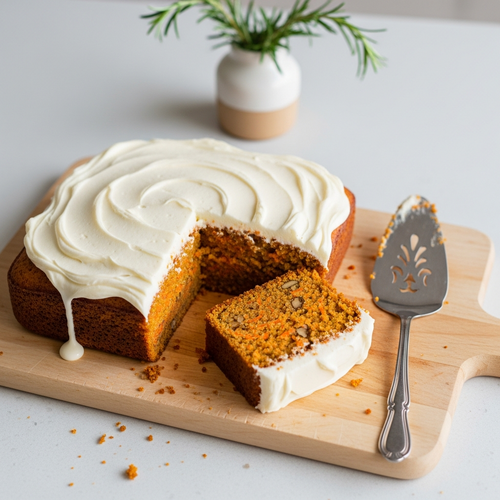
Description: A delicious, moist, and satisfying carrot cake that’s packed with protein and fiber to crush cravings and support your fat loss goals. Perfect for a post-workout treat or a planned dessert.
Prep Time: 15 minutes | Cook Time: 35 minutes
Servings: 9
Macros per Serving | Calories: 231 | Protein: 21g | Fat: 6g | Carbohydrates: 22g
Ingredients
Instructions
Notes
For best results, use a whey-casein blend protein powder. Grating your own carrots provides the best moisture. Ensure the cake is 100% cool before frosting to prevent melting.
FAQs About Carrot Cake For Weight Loss
Here are some straightforward answers to the most common questions I receive about this carrot cake recipe.
Can you really eat this carrot cake and still lose weight?
Yes, absolutely. This is the most important concept to grasp for long-term success. Weight loss is determined by being in a consistent calorie deficit, meaning you consume fewer calories than your body burns. This recipe is specifically designed to make staying in that deficit easier and more enjoyable. A typical slice of bakery carrot cake can have over 600 calories, loaded with sugar and fat. Our version comes in at around 230 calories with a massive 21 grams of protein.
The high protein and fiber content work together to keep you feeling full and satisfied, which helps control your overall calorie intake for the rest of the day. Instead of triggering more cravings like a sugary dessert would, this carrot cake helps to end them. By fitting a treat like this into your daily or weekly calorie and macro targets, you can enjoy the food you love, prevent feelings of deprivation, and still make steady progress towards your fat loss goals. It’s about smart choices, not elimination.
What makes this a high-protein carrot cake?
This recipe gets its protein power from a few key ingredients that replace less nutrient-dense traditional ones. The primary source is vanilla whey-casein protein powder, which is added directly to the batter and the frosting. This is a far more effective way to boost protein than just adding an extra egg. We get another significant protein contribution from non-fat Greek yogurt, used in both the cake and the frosting. It’s a fantastic substitute for oil or butter, providing moisture and a tender texture while adding a substantial amount of protein.
Even the fat-free cream cheese in the frosting adds to the total. When you combine these ingredients, you get a dessert where nearly 40% of the calories come from protein. This is a dramatic shift from traditional carrot cake, where the vast majority of calories come from carbohydrates (sugar and flour) and fats (oil and full-fat cream cheese). It fundamentally changes how the dessert functions in your body, turning it from an empty-calorie indulgence into a satisfying, muscle-supporting snack.
Can I use regular all-purpose flour instead of whole wheat pastry flour for this carrot cake?
You can, but it will change the texture and nutritional profile slightly. I chose whole wheat pastry flour because it offers the best of both worlds. It has the fiber and nutrients of whole wheat, which helps with satiety and provides a more stable energy release, but it has a finer grind, similar to all-purpose flour. This results in a lighter, more tender crumb than you would get from standard whole wheat flour.
If you use regular all-purpose flour, the cake will be a bit lighter and less dense, and it will have slightly less fiber. It will still be delicious, so it’s a perfectly acceptable substitute if that’s what you have on hand. Conversely, if you only have standard whole wheat flour, the cake will be denser and have a more rustic, hearty texture. The key is to know that these swaps are available and to understand the small trade-offs you’re making. The recipe is flexible enough to work either way.
My carrot cake frosting is runny, what did I do wrong?
A runny frosting is a common issue with protein-based frostings, and there are usually a couple of simple culprits. The most likely reason is that your cream cheese was too soft or warm. You want it softened enough to beat smoothly, but not warm and melty. If it gets too warm, the fat structure breaks down and it won’t hold its shape. A good rule of thumb is to let it sit on the counter for about 30-45 minutes, not several hours.
Another potential issue is the type of Greek yogurt or protein powder used. Some Greek yogurts have a higher water content than others. If your yogurt seems particularly thin, you can strain it through a cheesecloth for an hour to remove excess whey. Also, different protein powders absorb liquid differently. If your frosting seems thin after mixing, you can try adding a bit more powdered sweetener or another tablespoon of protein powder to help thicken it up. As a last resort, you can place the frosting in the refrigerator for 30 minutes to an hour to let it firm up before spreading it on the cake.
Can I make this carrot cake recipe into muffins or a loaf?
Yes, this batter is very versatile and works great for muffins or a loaf pan. This is a fantastic strategy for portion control and grab-and-go convenience, which is perfect for an ADHD lifestyle. If you’re making muffins, you’ll want to line a muffin tin with paper liners or grease it well. The batter should make about 12 standard-sized muffins.
The baking time will be shorter for muffins, so start checking them around the 18-20 minute mark. They’re done when a toothpick comes out clean. For a loaf pan (typically 9×5 inches), the baking time will likely be longer than the 8×8 cake, closer to 45-55 minutes. Again, the toothpick test is your best friend. For both variations, allow them to cool completely before you even think about frosting them. Frosted muffins are especially easy to store in the fridge or freezer for a quick, perfectly-portioned protein snack.
Try These High-Protein Recipes Next
If you loved this flexible and delicious approach to carrot cake, here are a few other recipes designed with the same principles in mind.
Give these a try and keep building your arsenal of simple, sustainable meals that work for you.