
Cornbread has always been one of those non-negotiable comfort foods for me. Growing up, a pot of chili wasn’t complete without a warm, crumbly square of cornbread next to it. It was the perfect tool for sopping up every last bit of flavor. It felt like a staple, a part of home.
When I started my fitness journey and lost 65 pounds, I fell into the classic trap many of us with ADHD do: all-or-nothing thinking. I figured foods like cornbread were off-limits forever. I told myself it was “bad” and that I had to stick to a rigid list of “good” foods to see results. That worked for a while, but it wasn’t sustainable. It led to cravings, burnout, and feeling deprived.
I realized that for a lifestyle to be truly sustainable, it has to include the foods you love. It just requires a different approach. So, I set out to create a high-protein cornbread recipe that scratched that comfort-food itch without derailing my progress. This version is built for fat loss. It’s packed with protein to keep you full, uses smart swaps to lower the calories, and is brutally practical to make, even on a low-energy day.
This recipe is proof that you don’t have to give up your favorites. You just have to make them work for you and your goals.
Skip to My Flexibe Diet Recipe!
Why Cornbread Is Great For Fat Loss
Let’s be direct. Traditional cornbread, loaded with butter, sugar, and white flour, isn’t exactly a fat-loss superfood. But this recipe is different by design. We’ve rebuilt it from the ground up to support your goals, working with your ADHD brain, not against it.
The number one principle here is Protein First. We add unflavored or vanilla protein powder and a full cup of non-fat Greek yogurt. This simple addition transforms the cornbread from a simple carb into a balanced, satisfying food. Protein is crucial for fat loss because it keeps you feeling full for longer, which crushes cravings before they even start. When you’re satisfied, you’re far less likely to spiral into mindless snacking.
Next, we tackle Hunger Management. Instead of just all-purpose flour, we use a mix of cornmeal and whole wheat flour. The whole wheat flour adds fiber, which slows down digestion. This helps prevent the blood sugar spike and crash that can come from refined carbs. Stable energy levels mean fewer mood swings and less “hanger,” which is a huge win for managing ADHD symptoms and staying on track.
Finally, this recipe embraces Flexible Eating. Banning foods entirely is a recipe for disaster. It creates a scarcity mindset that often leads to binging. By building a healthier, satisfying version of a food you love, you can include it in your plan without guilt. A slice of this cornbread with a high-protein chili feels like a treat, but its macros are working for you. It’s a planned comfort food that provides satisfaction and prevents the “cheat meal” mentality that can sabotage progress.
It’s delicious, easy, and fits into a real-life, sustainable eating plan.
Ingredients You’ll Need for Cornbread
One of the keys to consistency is having a simple, reliable pantry. This recipe uses straightforward ingredients that are easy to find. There are no overly complicated or expensive items here, because fitness should fit your life, not the other way around.
The magic ingredient that really transforms this from a standard side dish into a fat-loss tool is the protein powder. Adding just a third of a cup significantly boosts the protein content, helping you hit your macros and stay full. I prefer an unflavored or a simple vanilla whey-casein blend, as it mixes well and doesn’t overpower the classic cornbread flavor.
Here’s the full list of what you’ll need:
- 1 cup yellow cornmeal
- ¾ cup whole wheat flour
- ⅓ cup unflavored or vanilla protein powder
- 2 tsp baking powder
- ½ tsp baking soda
- ¼ tsp salt
- 1 cup plain non-fat Greek yogurt
- ½ cup unsweetened almond milk
- ¼ cup unsweetened applesauce
- 2 large eggs, beaten
- 2 tbsp honey or maple syrup
- 1 tbsp melted butter or coconut oil
A few notes on these ingredients. Using non-fat Greek yogurt is crucial for keeping the fat content low while maximizing protein. The unsweetened applesauce is a great hack; it provides moisture and a touch of natural sweetness, allowing us to use less oil and sugar. For the cornmeal, any standard yellow cornmeal will do. There’s no need to hunt down a specialty brand. This recipe is all about being practical.
How To Make Cornbread (Step-By-Step)
We need recipes that are simple and hard to mess up, especially on days when executive function is low. This process is designed to be as straightforward as possible. Two bowls, a whisk, and a baking pan. That’s it.
Step 1: Preheat Oven and Prep Pan
First things first, preheat your oven to 375°F (190°C). Getting this done at the start is a classic task-initiation trick. While it heats, grease your 8×8 inch baking pan or line it with parchment paper. Using parchment paper makes cleanup almost zero, which is a huge win for the ADHD brain that dreads washing dishes.
Step 2: Combine Dry Ingredients
In a large bowl, add the cornmeal, whole wheat flour, protein powder, baking powder, baking soda, and salt. Use a whisk to mix them together thoroughly. This ensures the leavening agents are evenly distributed, so you get a consistent rise and not a dense, flat cornbread.
Step 3: Combine Wet Ingredients
In a separate, medium-sized bowl, whisk together the Greek yogurt, unsweetened almond milk, unsweetened applesauce, beaten eggs, and honey or maple syrup. Keep whisking until everything is smooth and well-combined. Having all the wet ingredients mixed separately first helps prevent overmixing the final batter.
Step 4: Mix Wet and Dry
Pour the wet ingredients into the large bowl with the dry ingredients. Stir with a spatula or wooden spoon until they are just combined. A few small lumps are perfectly fine. The most common mistake is overmixing, which develops the gluten in the flour and makes the cornbread tough and dry. Stop as soon as you no longer see streaks of dry flour.
Step 5: Fold in Fat
Gently fold in the melted butter or coconut oil. This last-minute addition of fat adds richness and tenderness. Just a few gentle folds will incorporate it into the batter.
Step 6: Pour and Spread
Pour the batter into your prepared baking pan. Use your spatula to spread it into an even layer, making sure it reaches all the corners. A level batter ensures the cornbread bakes evenly.
Step 7: Bake to Perfection
Bake for 20-25 minutes. You’ll know it’s done when the top is a beautiful golden brown and a toothpick inserted into the center comes out clean. Ovens can vary, so start checking around the 20-minute mark to avoid overbaking.
Step 8: Cool Before Serving
Let the cornbread cool in the pan for at least 10 minutes. This step is critical. It allows the structure to set, so it won’t crumble when you slice it. Set a timer so you don’t forget. Then, slice and serve warm.
How To Serve Cornbread (ADHD-Friendly)
Knowing how to incorporate this high-protein cornbread into your meals is key to making it a sustainable part of your lifestyle. It’s not just a side dish; it’s a tool for building a satisfying, protein-packed meal that keeps you on track.
The most important ADHD-friendly tip I can offer is this: portion it out immediately. Once the cornbread has cooled, slice the entire pan into your desired number of servings (I usually do 9 squares). Place each square into an individual small container or zip-top bag. This eliminates future decision-making. When you’re hungry and your willpower is low, you can just grab one serving without having to decide on a portion size. It’s a simple system that prevents accidental overeating.
This cornbread is incredibly versatile and pairs perfectly with other high-protein meals. Here are a few of my go-to pairings:
- With Chili or Stew: This is the classic combination for a reason. Serve a slice alongside a bowl of high-protein turkey chili or beef stew for a hearty, filling meal that feels like pure comfort.
- As a Side for BBQ: Pair it with grilled chicken, pulled pork, or lean brisket. Add a side of coleslaw (made with a Greek yogurt base) for a complete, satisfying plate.
- For Breakfast: Yes, for breakfast. Gently toast a square and top it with a smear of butter or a drizzle of honey. Serve it with a couple of scrambled eggs for a protein-packed start to your day.
- With a Big Salad: A warm slice of cornbread can make a simple salad feel like a much more substantial and enjoyable meal. It’s perfect alongside a large salad topped with grilled chicken or fish.
By pairing this cornbread with a primary protein source, you ensure your meal is balanced, helps you meet your macro targets, and keeps you full and focused for hours. It’s all about making smart, simple choices that work together.
How To Store, Reheat, and Reuse Cornbread
Meal prep and leftovers are a lifeline for anyone, but especially for those of us with ADHD. Having delicious, healthy food ready to go is one of the best ways to stay consistent. This high-protein cornbread stores and reheats beautifully, making it perfect for your weekly prep.
The key to storing cornbread is to prevent it from drying out. Air is the enemy. Make sure you wrap it tightly or store it in an airtight container. An ADHD pro-tip: label the container or bag with the date you made it. This helps fight the “out of sight, out of mind” issue and reduces food waste.
Here are the best ways to store your cornbread:
- At Room Temperature: If you plan to eat it within 2-3 days, you can store the cornbread in an airtight container on your counter. Make sure it’s completely cool before sealing it up.
- In the Refrigerator: For longer storage, the fridge is your best bet. Wrapped tightly in plastic wrap or placed in a sealed container, the cornbread will stay fresh for up to a week. The fridge can dry it out slightly, so reheating is recommended.
- In the Freezer: This is my favorite method for long-term planning. Slice the cornbread into individual portions, wrap each piece tightly in plastic wrap, and then place them all in a freezer-safe zip-top bag. They will last for up to 3 months. This is perfect for grabbing a single serving whenever you need it.
To reheat, you can simply microwave a slice for about 20-30 seconds until warm. For a crispier, fresh-from-the-oven texture, I like to pop it in the toaster oven or an air fryer for a few minutes at around 350°F. If you’re reheating from frozen, you can thaw it on the counter for an hour or microwave it for 45-60 seconds.
Don’t be afraid to reuse leftovers in creative ways. Stale cornbread can be crumbled up and used as a topping for chili or a casserole, or even turned into croutons for a salad.
Easy Swaps & Variations for Cornbread
Flexibility is the name of the game. The best recipe is one you can adapt to what you have in your kitchen and what fits your dietary needs. This high-protein cornbread recipe is a great base, but feel free to experiment with these simple swaps and variations.
Remember, consistency beats perfection. If making a small swap means you’ll actually bake the cornbread instead of ordering takeout, that’s a huge win. Don’t let not having one specific ingredient stop you from making a healthy choice. The goal is to build a system that works for you in the real world.
Here are some easy and reliable adjustments you can make:
- For a Gluten-Free Version: To make this cornbread gluten-free, simply swap the whole wheat flour for a cup-for-cup gluten-free all-purpose baking blend. Ensure your cornmeal is also certified gluten-free if you have a high sensitivity or celiac disease.
- To Make it Dairy-Free: You can easily make this recipe dairy-free. Replace the Greek yogurt with a dairy-free plain yogurt (like coconut or almond-based) and use your favorite plant-based milk. Use coconut oil or another dairy-free butter substitute.
- Add Some Savory Flavors: For a savory twist, try folding in some additions to the batter right before baking. About ½ cup of shredded cheddar cheese, 1-2 finely chopped jalapeños (seeds removed for less heat), or ½ cup of corn kernels (canned or frozen and thawed) all work wonderfully.
- Adjust the Sweetness: If you prefer a sweeter cornbread, you can increase the honey or maple syrup to 3 or 4 tablespoons. If you prefer it less sweet, you can reduce it to 1 tablespoon or omit it entirely, especially if using a sweetened vanilla protein powder.
These variations allow you to customize the cornbread to your personal taste and dietary needs without compromising the core benefits of the recipe. The goal is to create a food you genuinely love to eat, making your fitness journey more enjoyable and sustainable.
High-Protein Cornbread
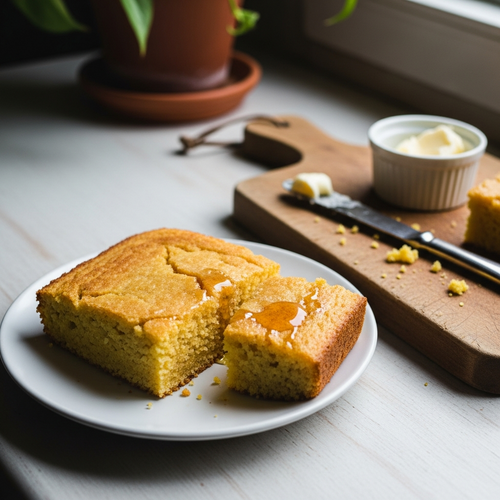
Description: A moist, flavorful cornbread packed with protein to support fat loss goals. It’s the perfect flexible comfort food for a sustainable lifestyle, designed to be simple and work with your ADHD brain, not against it.
Prep Time: 10 minutes | Cook Time: 25 minutes
Servings: 9 squares
Macros per Serving | Calories: 155 | Protein: 10g | Fat: 4g | Carbohydrates: 21g
Ingredients
- 1 cup yellow cornmeal
- ¾ cup whole wheat flour
- ⅓ cup unflavored or vanilla protein powder
- 2 tsp baking powder
- ½ tsp baking soda
- ¼ tsp salt
- 1 cup plain non-fat Greek yogurt
- ½ cup unsweetened almond milk
- ¼ cup unsweetened applesauce
- 2 large eggs, beaten
- 2 tbsp honey or maple syrup
- 1 tbsp melted butter or coconut oil
Instructions
- Preheat oven to 375°F (190°C) and grease an 8×8 inch baking pan.
- In a large bowl, whisk together cornmeal, flour, protein powder, baking powder, baking soda, and salt.
- In a separate bowl, whisk together Greek yogurt, almond milk, applesauce, eggs, and honey until smooth.
- Pour wet ingredients into dry ingredients and stir until just combined. Do not overmix.
- Gently fold in the melted butter or oil.
- Pour batter into the prepared pan and spread evenly.
- Bake for 20-25 minutes, or until a toothpick inserted in the center comes out clean.
- Cool in the pan for at least 10 minutes before slicing.
Notes
For best results, use a protein powder that dissolves well. A whey-casein blend often bakes better than 100% whey. Don’t skip the 10-minute cooling step; it’s essential for the cornbread to set properly.
FAQs About Cornbread For Weight Loss
Here are some straightforward answers to the most common questions I receive about this cornbread recipe.
Can I make this protein cornbread without protein powder?
Yes, you absolutely can make this cornbread without protein powder. If you don’t have it on hand or prefer not to use it, you can simply replace the ⅓ cup of protein powder with an equal amount of whole wheat flour or all-purpose flour. The recipe will still work perfectly fine and will be delicious.
However, it’s important to understand how this change affects the nutritional profile. Removing the protein powder will significantly lower the protein content of each slice, which is one of the key features that makes this recipe so effective for hunger management and fat loss. The Greek yogurt and eggs still provide some protein, but the final product will be more carb-heavy. If you make this substitution, just be mindful of your meal pairing and make sure to include a strong protein source alongside it to keep your meal balanced.
Why is my healthy cornbread dry and crumbly?
This is the most common issue people have with any kind of cornbread, healthy or not. There are usually two main culprits: overmixing the batter or overbaking it. When you mix the wet and dry ingredients, you’re developing gluten. The more you mix, the tougher and drier the final product becomes. For this recipe, stir only until you no longer see dry flour. A few lumps are okay!
Overbaking is the other major cause. Baking for even a few minutes too long can suck the moisture right out of the cornbread. Ovens vary in temperature, so I recommend setting your timer for the low end of the range (20 minutes) and checking for doneness with a toothpick. As soon as it comes out clean, take the cornbread out of the oven. Letting it cool in the pan for 10 minutes is also crucial, as this allows the moisture to redistribute and the structure to set properly.
Is this cornbread recipe good for meal prep?
Absolutely. In fact, this recipe was designed with meal prep in mind. The biggest challenge with ADHD and nutrition is often in-the-moment decision-making when you’re already hungry. This cornbread solves that problem because you can prepare it ahead of time and have perfectly portioned, healthy carbs ready to go for several days.
My go-to strategy is to bake a batch on a Sunday, let it cool completely, slice it into nine squares, and then immediately store them in individual containers or freezer bags. This way, when I’m packing my lunch or need a quick side for dinner, I can just grab one without thinking. It pairs perfectly with pre-portioned chili, grilled chicken, or a big container of salad greens. It makes building a balanced meal almost automatic, which is a massive win for consistency.
What makes this cornbread healthier than traditional recipes?
Traditional Southern cornbread recipes are delicious, but they are often loaded with ingredients that don’t align with fat-loss goals. They typically call for large amounts of butter, buttermilk (or whole milk), sugar, and refined all-purpose white flour. While delicious, this combination results in a very high-calorie, high-fat, and high-sugar dish with little protein or fiber.
Our recipe makes several strategic swaps to overhaul the nutritional profile. We replace much of the butter and oil with non-fat Greek yogurt and unsweetened applesauce, which cuts down on fat and calories while adding protein and moisture. We use whole wheat flour for added fiber, which aids in digestion and satiety. We significantly reduce the sugar by using just a small amount of natural sweetener like honey or maple syrup. And most importantly, we add protein powder, which fundamentally changes the macro ratio to be more supportive of muscle maintenance and hunger control during a fat loss phase.
Can I make this cornbread in a cast iron skillet?
Yes, and I highly recommend it if you have one. Baking cornbread in a preheated cast iron skillet creates an unbelievably crispy, golden-brown crust that is simply fantastic. The process is slightly different but very simple. To do it, place your 9 or 10-inch cast iron skillet into the oven while it preheats.
When your batter is mixed and ready, carefully remove the hot skillet from the oven. Add your tablespoon of butter or oil to the skillet; it should sizzle and melt immediately. Swirl it around to coat the bottom and sides. Then, pour your batter into the hot, greased skillet. You’ll hear a satisfying sizzle. Bake as directed, though you may need to check for doneness a few minutes earlier, as the hot skillet will speed up the cooking process. The result is a cornbread with a perfectly tender center and a crunchy, flavorful crust.
Try These High-Protein Recipes Next
If you enjoyed this flexible and practical approach to a classic comfort food, here are a few other recipes you might like.
- High-Protein Cottage Cheese Bread: This recipe is another fantastic way to boost your protein intake with a savory, versatile bread that’s perfect for sandwiches or toast.
- Easy No-Knead Sourdough Bread: For those who love the tangy flavor of sourdough, this simplified recipe makes baking your own loaf incredibly approachable, even for beginners.
- Classic Cast Iron Buttermilk Cornbread: If you’re looking for a more traditional take on cornbread, this recipe from This Gal Cooks is a fantastic, classic version that delivers amazing flavor and texture.
Building a collection of reliable, healthy recipes is one of the best ways to stay consistent on your fitness journey.