
If you looked in my fridge on any given week over the past five years, you’d probably find a container of meatballs. I’m serious. For me, the humble meatball has been a total game-changer, both before and after I started ADHD medication. When I first set out to lose 65 pounds, I was wrestling with constant cravings, decision fatigue around food, and a schedule that felt impossibly busy as a single dad.
I needed food that was simple, packed with protein, and versatile enough that I wouldn’t get bored. Traditional meatball recipes were often loaded with fatty ground meat and breadcrumbs, which didn’t fit my fat loss goals. They felt heavy and often left me feeling sluggish. So, I started experimenting in my own kitchen, driven by the need for something better.
This recipe is the result of that journey. It’s built for the realities of an ADHD brain. It’s a brutally practical, high-protein meatball that actually tastes incredible, stays juicy, and can be used in a dozen different ways. It became a cornerstone of my meal prep, helping me stay consistent even on days when my motivation was at zero. It’s proof that you don’t need complicated, perfect meals to get results. You just need reliable, delicious fuel that works with you, not against you.
Skip to My Flexibe Diet Recipe!
Why These Meatballs Are Great For Fat Loss
When it comes to sustainable fat loss, the game is won with consistency, not intensity. This meatball recipe is designed from the ground up to make consistency easy. It aligns perfectly with the core principles we follow at ADHD FIT: protein first, hunger management second, and convenience third. Food is 75 percent of your results, and having a go-to recipe like this is like having a superpower.
First, let’s talk protein. We use 99% lean ground turkey, which is an incredibly efficient source of protein with very little fat. Each serving is packed with protein, which is critical for a few reasons. It helps you build and maintain muscle mass while you’re in a calorie deficit, ensuring you’re losing fat, not muscle. Protein is also the most satiating macronutrient, meaning it keeps you feeling full and satisfied for longer, which is your number one defense against cravings.
We also swap out traditional breadcrumbs for rolled oats. This isn’t just a random substitution. Oats provide complex carbohydrates and fiber, which digest more slowly than refined white bread. This slow digestion helps stabilize your blood sugar levels, preventing the energy spikes and crashes that can trigger cravings for sugary snacks. It’s a small change that makes a huge difference in managing your appetite throughout the day.
Finally, this meatball recipe is built for flexibility and convenience. You can make a big batch on a Sunday and have a ready-to-go protein source for multiple meals. This removes the daily “what should I eat?” decision fatigue that so many of us with ADHD face. When you have delicious, healthy food already prepared, you’re far less likely to reach for takeout or processed junk. It’s a simple system that supports your goals without demanding perfection.
Ingredients You’ll Need for Meatballs
This recipe uses simple, accessible ingredients that work together to create a flavorful and macro-friendly meatball. There are no complicated or hard-to-find items here because our goal is to reduce friction and make healthy eating as easy as possible. Here’s exactly what you’ll need.
- 1 lb (450g) 99% lean ground turkey
- 1/2 cup old-fashioned rolled oats
- 1/4 cup finely grated Parmesan cheese
- 1/4 cup liquid egg whites
- 1/4 cup finely minced yellow onion
- 2 cloves garlic, minced
- 2 tablespoons chopped fresh parsley
- 1 teaspoon dried Italian seasoning
- 1/2 teaspoon salt
- 1/4 teaspoon black pepper
- 1/4 teaspoon red pepper flakes (optional)
- 1 teaspoon unflavored gelatin
- 2 tablespoons low-sodium chicken broth
The secret ingredient that truly elevates this meatball recipe is the unflavored gelatin. I know it sounds strange, but trust me on this. Lean ground turkey can easily become dry when cooked. The gelatin, when bloomed in a little chicken broth, creates a matrix within the meat that traps moisture. This ensures your meatballs stay incredibly juicy and tender, even without the high fat content of traditional recipes.
A few notes on the other ingredients. Using 99% lean ground turkey is key to keeping the fat content low and the protein high. If you can’t find it, 93/7 is an acceptable alternative, but you’ll need to account for the extra fat. For the Parmesan, grating your own from a block will always yield better flavor and melting texture than the pre-shredded kind, which often contains anti-caking agents. Lastly, old-fashioned rolled oats provide a better texture than instant oats, which can become mushy.
How To Make Meatballs (Step-By-Step)
Making this meatball recipe is straightforward, even on a low-energy day. We’re baking them instead of frying to keep things simple, low-fat, and mess-free. The key is to work gently and avoid overmixing. Let’s get started.
Step 1: Prep Your Oven and Gelatin
First things first, let’s get the boring stuff out of the way. Preheat your oven to 400°F (200°C). While it’s heating up, line a large baking sheet with parchment paper. This is a non-negotiable step for an ADHD-friendly kitchen. It means cleanup is as easy as throwing away the paper. Next, in a small bowl, sprinkle the unflavored gelatin over the cold chicken broth. Just let it sit there for about five minutes. This process is called “blooming,” and it allows the gelatin to absorb the liquid so it can work its magic inside the meatballs.
Step 2: Combine Your Ingredients
Now, grab a large bowl. Add everything except the bloomed gelatin mixture: the ground turkey, rolled oats, Parmesan cheese, egg whites, minced onion and garlic, parsley, and all the seasonings. An ADHD tip: get all your ingredients out and measured before you start mixing. This is called “mise en place,” and it prevents that mid-recipe panic when you realize you’re missing something. Once everything is in the bowl, add the bloomed gelatin mixture on top.
Step 3: Mix and Form The Meatballs
This is the most important part. Use your hands to gently mix all the ingredients until they are just combined. The biggest mistake people make is overworking the meat mixture. This develops the proteins too much and results in tough, rubbery meatballs. Mix just enough so that you don’t see any dry patches of seasoning. Once mixed, roll the mixture into about 20 meatballs, each roughly 1.5 inches in diameter. Place them in a single layer on your prepared baking sheet.
Step 4: Bake to Perfection
Place the baking sheet in your preheated oven and bake for 18 to 22 minutes. You’ll know they’re done when they are golden brown on the outside and cooked all the way through. An instant-read thermometer is your best friend here; the internal temperature should be at least 165°F (74°C). Once they’re done, you can serve them immediately or let them cool completely for meal prepping.
How To Serve Meatballs (ADHD-Friendly)
Having a batch of these high-protein meatballs ready to go is like having a cheat code for healthy eating. The key is to keep the serving options simple, quick, and delicious to avoid decision fatigue. We want to assemble meals, not cook entirely new ones from scratch every time.
The goal is to pair the meatballs with a fiber-rich carbohydrate and plenty of vegetables for a balanced, satisfying meal that supports your fat loss goals. By planning ahead, you can have a nutritious dinner on the table in minutes, which is a massive win on busy weeknights or when your executive function is low.
Here are a few brutally practical ways to serve your meatballs:
- Classic Spaghetti Style: Serve 4-5 meatballs over a bed of zucchini noodles (zoodles), whole wheat pasta, or chickpea pasta. Top with a store-bought, no-sugar-added marinara sauce like Rao’s. This gives you the comfort food vibe without derailing your progress.
- Quick Protein Bowl: Build a bowl with a base of quinoa or brown rice. Add your meatballs, a handful of spinach, and some steamed frozen vegetables. A little drizzle of sauce or a sprinkle of extra Parmesan finishes it off. This is a perfect “dump and go” meal.
- Meatball Sub Skewers: For a fun, low-carb option, thread a meatball, a cherry tomato, a cube of mozzarella, and a fresh basil leaf onto a skewer. Drizzle with a little balsamic glaze. It’s satisfying and requires zero cooking.
- Simple Salad Topper: Let the meatballs cool, then slice them in half and toss them into a big green salad. They add a huge protein boost that makes a salad feel like a real, substantial meal.
Remember, the best meal is the one you’ll actually make and eat consistently. Don’t overcomplicate it. Use shortcuts like pre-cut veggies, jarred sauces, and frozen grains to your advantage. Work with your ADHD brain, not against it.
How To Store, Reheat, and Reuse Meatballs
Meal prep is one of the most effective strategies for anyone, but it’s especially powerful for those of us with ADHD. It front-loads the decision-making and executive function required for cooking into one session. Properly storing and reheating your meatball batch is key to making this strategy work all week long.
Once your meatballs have cooled completely to room temperature, you can store them. Never put hot food directly into the fridge, as it can raise the internal temperature and create a food safety risk. Patience is a virtue here. Once cool, you have a couple of solid options for storage that will set you up for success later.
Here’s how to handle your meatball prep for maximum freshness and convenience:
- Refrigerating: Place the cooled meatballs in an airtight container. They will stay fresh and delicious in the refrigerator for up to 4 days. I like to portion them out into smaller containers, with 4-5 meatballs per serving, so I can just grab one for a quick lunch or dinner.
- Freezing: These meatballs freeze beautifully. For best results, first place the cooled meatballs in a single layer on a baking sheet and “flash freeze” them for about an hour. This prevents them from sticking together. Once solid, transfer them to a zip-top freezer bag or airtight container. They will last for up to 3 months in the freezer.
- Reheating: You can reheat them straight from the fridge or freezer. From the fridge, a minute or two in the microwave works perfectly. To reheat from frozen, you can microwave them for 3-4 minutes, simmer them in sauce on the stovetop for 10-15 minutes, or bake them in a 350°F (175°C) oven until warmed through.
Having these meatballs in the freezer is an incredible tool to prevent last-minute spirals into ordering takeout. If you get home late and have no energy, you can have a high-protein meal ready in minutes. It’s a simple system that provides a safety net for your nutrition goals.
Easy Swaps & Variations for Meatballs
Flexibility is the key to a sustainable diet. The “all-or-nothing” mindset is a trap, especially for the ADHD brain. This meatball recipe is designed to be a template, not a rigid rule. You can and should adapt it based on what you have on hand, your personal preferences, and your dietary needs. Don’t be afraid to experiment.
The core of the recipe is the lean protein, the binder, and the seasonings. As long as you keep those elements in balance, you can make plenty of changes. This is how you prevent boredom and keep your meals interesting, which is crucial for long-term consistency. If you don’t have an ingredient, there’s almost always a simple swap you can make without having to run to the store.
Here are some easy substitutions and variations you can try:
- Protein Swaps: If you’re not a fan of turkey, 99% lean ground chicken works just as well. You could also use 93/7 lean ground turkey or even 96/4 lean ground beef, but remember to adjust your macros to account for the higher fat content.
- Binder Alternatives: If you don’t have rolled oats, you can use an equal amount of traditional breadcrumbs or panko. For a gluten-free option, use certified gluten-free rolled oats or almond flour, though you may need to add a little less almond flour as it’s very absorbent.
- Flavor Variations: This recipe has an Italian-inspired flavor profile. You can easily change it up! For a Mexican-inspired meatball, swap the Italian seasoning for cumin and chili powder and the parsley for cilantro. For a breakfast-style meatball, add a bit of sage and a touch of maple syrup.
- Spice It Up or Down: The red pepper flakes are optional. If you love heat, feel free to add more. If you’re sensitive to spice, leave them out entirely. You can also add other aromatics like finely chopped bell peppers or mushrooms for extra veggies and flavor.
The best recipe is the one that you’ll actually make. Use these ideas to make this meatball recipe your own. By allowing for this kind of flexibility, you build a resilient eating plan that can handle whatever life throws at you.
High-Protein Turkey Meatballs for Fat Loss
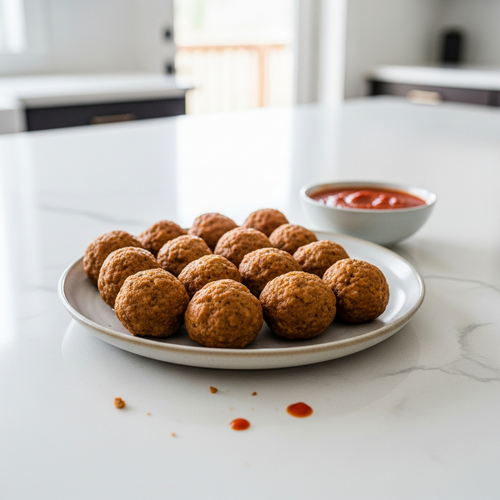
Description: These juicy, flavorful, and high-protein turkey meatballs are designed for fat loss and an ADHD-friendly lifestyle. They are easy to make, perfect for meal prep, and incredibly versatile. The secret ingredient ensures they stay moist and delicious every time.
Prep Time: 15 minutes | Cook Time: 20 minutes
Servings: 5 (4 meatballs per serving)
Macros per Serving | Calories: 185 | Protein: 32g | Fat: 4g | Carbohydrates: 6g
Ingredients
- 1 lb (450g) 99% lean ground turkey
- 1/2 cup old-fashioned rolled oats
- 1/4 cup finely grated Parmesan cheese
- 1/4 cup liquid egg whites
- 1/4 cup finely minced yellow onion
- 2 cloves garlic, minced
- 2 tablespoons chopped fresh parsley
- 1 teaspoon dried Italian seasoning
- 1/2 teaspoon salt
- 1/4 teaspoon black pepper
- 1/4 teaspoon red pepper flakes (optional)
- 1 teaspoon unflavored gelatin
- 2 tablespoons low-sodium chicken broth
Instructions
- Preheat oven to 400°F (200°C) and line a baking sheet with parchment paper.
- In a small bowl, sprinkle gelatin over cold chicken broth and let it bloom for 5 minutes.
- In a large bowl, combine all other ingredients. Add the bloomed gelatin mixture.
- Gently mix with your hands until just combined. Do not overwork the mixture.
- Roll into 20 meatballs (about 1.5 inches each) and place on the prepared baking sheet.
- Bake for 18-22 minutes, or until golden brown and cooked through (165°F internal temperature).
Notes
For best results, use freshly grated Parmesan cheese and 99% lean ground turkey. Do not skip the gelatin step; it’s the key to keeping these lean meatballs juicy.
FAQs About Meatballs For Weight Loss
Here are some straightforward answers to the most common questions I receive about this meatball recipe.
Can I make this meatball recipe with beef instead of turkey?
Yes, you absolutely can make this meatball recipe with beef. However, the key to keeping it aligned with fat loss goals is to choose the right kind of ground beef. Standard ground beef (like 80/20) is very high in saturated fat and calories, which can quickly turn this macro-friendly meal into something that works against your goals. If you choose to use beef, look for the leanest option available, typically 96% lean (96/4).
Using 96/4 ground beef will result in a macro profile that is very similar to the 99% lean ground turkey. The flavor will be richer and more traditional, which some people prefer. The gelatin trick will work just as well to keep the lean beef moist and tender. Just remember that even a small change in the fat percentage of the meat can have a significant impact on the total calories, so always be mindful of the type you’re buying if you’re tracking your macros closely.
How do I keep my turkey meatball from being dry?
This is the most common concern with turkey meatballs, and for good reason. Lean protein lacks the fat that naturally keeps meat moist, so it’s very easy to end up with a dry, crumbly result. This recipe has two specific elements built in to prevent that from ever happening. The first and most important is the unflavored gelatin bloomed in chicken broth. This is a culinary trick that creates a gel-like network within the meat, trapping moisture that would otherwise evaporate during cooking. It’s my secret weapon for perfectly juicy meatballs every single time.
The second critical technique is to avoid overmixing the meat. When you work the ground meat too much, the proteins bind together tightly. This squeezes out moisture and results in a tough, dense, and rubbery meatball. You want to mix the ingredients with a light touch, using your hands, just until everything is evenly combined. As soon as the seasonings and binders are incorporated, stop mixing. Following these two simple rules will guarantee a tender and moist turkey meatball.
Is this meatball recipe good for meal prep?
This meatball recipe isn’t just good for meal prep; it was specifically designed for it. As someone with ADHD, I rely on systems that reduce daily decision-making and friction. Cooking a large batch of these meatballs on a Sunday provides a versatile, high-protein base for numerous meals throughout the week, which is a cornerstone of my approach to nutrition. They store perfectly in the fridge for up to four days and reheat in minutes without losing their texture or flavor.
They also freeze exceptionally well, which is another crucial element for an ADHD-friendly kitchen. I always make a double batch and freeze half. This creates a backup plan for those weeks when I don’t have the time or energy to do a full meal prep. Having a bag of these in the freezer means I’m never more than a few minutes away from a healthy, satisfying meal, which helps prevent the impulse to order unhealthy takeout. The convenience and flexibility make this an ideal meal prep recipe.
What makes this a healthy meatball recipe compared to traditional ones?
This recipe is healthier than a traditional meatball recipe primarily due to its carefully selected ingredients that optimize the macronutrient profile for fat loss and muscle maintenance. First, we use 99% extra-lean ground turkey instead of the typical blend of beef and pork, which drastically reduces the overall calorie and saturated fat content while maximizing the protein per serving. Protein is essential for satiety and preserving muscle, making it a top priority in a fat loss phase.
Second, we replace traditional breadcrumbs with old-fashioned rolled oats. White breadcrumbs are a simple carbohydrate that can cause blood sugar spikes. Rolled oats, on the other hand, are a complex carbohydrate rich in soluble fiber. This fiber slows down digestion, promoting a longer feeling of fullness and providing more stable energy. Finally, the recipe is baked, not fried. Frying adds a significant amount of unnecessary oil and calories, whereas baking achieves a beautiful golden-brown exterior without any added fat, keeping the final product lean and clean.
Can I freeze this meatball dough before baking?
Yes, you can absolutely freeze the unbaked meatball mixture. This can be a great time-saving strategy. If you know you’ll want fresh-baked meatballs later in the week but won’t have time for the prep, you can mix and roll them ahead of time. To do this properly, place the raw, rolled meatballs on a parchment-lined baking sheet, making sure they aren’t touching. Put the entire sheet in the freezer for 1-2 hours, or until the meatballs are frozen solid.
This “flash freezing” step is crucial because it prevents them from sticking together in a giant clump. Once they are solid, you can transfer them into a freezer-safe bag or container. When you’re ready to cook them, you can bake them directly from frozen. You don’t need to thaw them first. Simply place the frozen meatballs on your baking sheet and extend the baking time by about 10-15 minutes, ensuring they reach an internal temperature of 165°F (74°C).
Try These High-Protein Recipes Next
If you enjoyed this simple and effective meatball recipe, here are a few other high-protein meals designed to support your fitness goals.
- High-Protein Meatloaf Recipe: This recipe takes the same principles of lean protein and great flavor and applies them to a classic comfort food. It’s perfect for a family dinner or for meal prepping slices for the week.
- Easy High-Protein Lasagna: A macro-friendly take on lasagna that uses clever swaps to pack in over 50 grams of protein per serving without sacrificing the cheesy, saucy goodness you love.
- Baked Pesto Pork Meatballs: For a different flavor profile, this recipe uses pork and pesto for a rich and delicious meatball, served with creamy gnocchi for a satisfying meal.
Building a rotation of reliable, easy recipes is the secret to long-term success.