
If you told me ten years ago that I’d be developing a healthy oatmeal cookie recipe, I would have laughed. Back then, cookies were my kryptonite. They were the thing I’d grab when my ADHD brain felt overwhelmed, which was pretty much all the time. A sleeve of store-bought cookies and a pint of milk was my go-to coping mechanism.
That cycle of stress-eating and guilt was a huge part of why I was overweight and constantly exhausted. When I started my fitness journey, I thought I had to say goodbye to things like cookies forever. It was all chicken and broccoli, a rigid plan that my brain immediately rebelled against.
It was a miserable, all-or-nothing approach that never lasted. The cravings would eventually win, and I’d find myself back at square one, feeling like a failure. It took me years to understand that sustainability isn’t about restriction. It’s about re-engineering the foods you love to support your goals, not sabotage them.
This protein oatmeal cookie is the result of that realization. It’s the product of my journey to lose 70 pounds and keep it off, both before and after starting ADHD medication. It’s designed to give you that warm, comforting satisfaction of a classic cookie while packing a punch of protein and fiber to keep you full and focused. It’s proof that you can build a body you’re proud of without giving up the joy of food.
This isn’t just a recipe. It’s a tool for a flexible, sustainable lifestyle that works with your brain, not against it.
Skip to My Flexibe Diet Recipe!
Why This Oatmeal Cookie Is Great For Fat Loss
Let’s get one thing straight. A cookie, by itself, doesn’t cause fat loss. Consistent, smart choices over time do. This oatmeal cookie recipe is designed to be one of those smart choices, making your fat loss journey easier and much more enjoyable.
The number one principle we follow at ADHD FIT is “protein first.” Protein is the most satiating macronutrient. It helps you feel full and stay full longer, which is a massive weapon against the impulsive snacking that often comes with an unfocused ADHD brain. Each one of these cookies has a solid dose of protein, turning a potential craving-inducer into a tool for hunger management.
We also strategically manage blood sugar. Traditional cookies are loaded with refined flour and sugar, causing a rapid spike in blood sugar followed by a hard crash. That crash triggers more cravings, fatigue, and brain fog. It’s a vicious cycle. We break that cycle by using rolled oats and oat flour, which are complex carbs that provide slow-release energy. The fiber keeps you steady.
Furthermore, we’ve swapped out most of the sugar and fat. Unsweetened applesauce and non-fat Greek yogurt replace a ton of butter and oil, cutting calories without sacrificing moisture. A zero-calorie brown sugar substitute gives you that classic sweet, molasses-like flavor without the caloric impact. This isn’t about tricking your body; it’s about giving it what it needs in a package it enjoys. It’s a planned indulgence that fits your macros, prevents binges, and makes you feel in control, not deprived.
Ingredients You’ll Need for Oatmeal Cookie
Building a better cookie starts with better ingredients. We aren’t just throwing things together; each component is chosen for a specific purpose related to flavor, texture, and nutrition. The goal is a cookie that satisfies your taste buds and supports your fitness goals simultaneously.
Here’s exactly what you’ll need to have on hand. Don’t get overwhelmed by the list. We’ll break it down, and many of these are pantry staples.
- 1 cup old-fashioned rolled oats
- 1/2 cup oat flour (simply blend rolled oats in a blender until fine)
- 1/2 cup vanilla or unflavored protein powder
- 1 teaspoon ground cinnamon
- 1/2 teaspoon baking soda
- 1/4 teaspoon salt
- 1/2 cup unsweetened applesauce
- 1/4 cup plain non-fat Greek yogurt
- 1 large egg
- 2 tablespoons melted coconut oil or light butter
- 1 teaspoon vanilla extract
- 1/2 cup zero-calorie brown sugar substitute (like erythritol or monk fruit blend)
- 1/3 cup dark chocolate chips
The real star of this recipe is the protein powder. This is our primary tool for flipping the script on a traditional treat. It boosts the protein content significantly, which is key for muscle maintenance during fat loss and for keeping you full. I prefer a whey-casein blend for baking as it tends to result in a better texture, but a standard whey isolate will work too. Vanilla flavor complements the oatmeal and cinnamon perfectly.
A quick note on the oats. Make sure you use old-fashioned rolled oats, not instant or steel-cut. Rolled oats provide the classic chewy texture we’re looking for in an oatmeal cookie. For the oat flour, you don’t need to buy a special bag. Just toss some rolled oats into a blender and pulse until it’s a fine powder. It’s a simple, cost-effective hack.
How To Make Oatmeal Cookie (Step-By-Step)
I know that for the ADHD brain, a long list of instructions can be daunting. So we’re keeping this simple and straightforward. Think of it less as a strict culinary process and more as a simple assembly project. Grab your bowls and let’s get started.
Step 1: Prep Your Oven and Baking Sheet
First things first, preheat your oven to 350°F (175°C). This is a classic ADHD tip for task initiation: do the easiest, most passive step first. While the oven heats up, line a baking sheet with parchment paper. This prevents sticking and makes cleanup almost non-existent, which is a huge win for executive function.
Step 2: Combine Your Dry Ingredients
In a medium-sized bowl, add the rolled oats, oat flour, protein powder, cinnamon, baking soda, and salt. Use a whisk to mix them together thoroughly. This step is important because it ensures the baking soda and cinnamon are evenly distributed. You don’t want one cookie to be super salty and another to have no cinnamon at all.
Step 3: Combine Your Wet Ingredients
Now, grab a separate, larger bowl. In this bowl, whisk together the unsweetened applesauce, Greek yogurt, egg, melted coconut oil, and vanilla extract. Keep whisking until everything is smooth and fully combined. This mixture is the foundation of your cookie’s moisture and flavor.
Step 4: Dissolve the Sweetener
Add the zero-calorie brown sugar substitute to your wet ingredients. Stir it in until you can’t see any more granules. Making sure it’s fully dissolved helps create a more uniform sweetness and prevents a gritty texture in the final cookie. This is a small detail that makes a big difference.
Step 5: Mix It All Together
Gently pour the dry ingredients from the first bowl into the large bowl of wet ingredients. Use a spatula to fold them together until they are just combined. The key here is to not overmix. Overmixing develops the gluten and can make your cookies tough and dense instead of soft and chewy.
Step 6: Fold in the Chocolate Chips
Once the dough has just come together, add your dark chocolate chips. Fold them in gently with the spatula until they are evenly distributed throughout the dough. Again, be careful not to overwork the dough here.
Step 7: Form and Shape the Cookies
Use a tablespoon or a small cookie scoop to drop rounded balls of dough onto your prepared baking sheet. Space them about 2 inches apart. A key thing to know about this oatmeal cookie dough is that it won’t spread much during baking. Gently press down on the top of each dough ball with your fingers or the bottom of a glass to flatten it into your desired cookie shape.
Step 8: Bake to Perfection
Place the baking sheet in your preheated oven and bake for 10-12 minutes. You’ll know they’re done when the edges are a light golden brown and the centers look set. They might still feel a little soft in the middle, but they will firm up as they cool.
Step 9: Cool Completely
Let the cookies rest on the baking sheet for about 5 minutes after you take them out of the oven. This allows them to set up properly. Then, carefully transfer them to a wire rack to cool completely. This step is crucial for achieving the perfect texture. Trying to eat them hot off the pan might lead to a crumbly mess.
How To Serve Oatmeal Cookie (ADHD-Friendly)
How you incorporate a treat like this into your day is just as important as the recipe itself. For those of us with ADHD, creating simple, repeatable systems removes decision fatigue and helps us stay consistent. So let’s talk about how to make this oatmeal cookie work for you, not against you.
The goal is to have these cookies as a planned part of your day. They are not a “cheat” or a reward for “good behavior.” They are a tool. They are a delicious, high-protein snack that satisfies a craving while helping you hit your macro targets. Thinking of them this way removes the guilt and shame that so often accompanies eating enjoyable foods during a fat loss phase.
Here are a few brutally practical ways to serve them:
- As a Morning Coffee Companion. Having one or two of these cookies with your morning coffee can be a fantastic way to start the day. The protein and fiber will give you some staying power and prevent that mid-morning energy crash that can lead to mindlessly reaching for office donuts.
- The Pre-Workout Energy Boost. The combination of complex carbs from the oats and protein makes this a solid pre-workout snack. Eat one about 30-60 minutes before your workout to fuel your session without feeling heavy or bloated.
- The Afternoon Slump Buster. We all know that 3 PM feeling when focus just disappears. Instead of grabbing a sugary energy drink or a bag of chips, have an oatmeal cookie and a glass of water. It’s a planned, satisfying snack that can help you power through the rest of your workday.
- A Post-Dinner Sweet Fix. If you’re someone who always needs a little something sweet after dinner, this is your solution. It crushes the craving for dessert without derailing your progress. It feels like an indulgence, but it’s completely aligned with your goals.
An ADHD-friendly pro tip: once the cookies are completely cool, portion them out immediately. Put one or two cookies into individual small ziplock bags or containers. This “grab-and-go” system removes any in-the-moment calculation or willpower. You just grab a pre-portioned serving and you’re set. It’s about making the right choice the easiest choice.
How To Store, Reheat, and Reuse Oatmeal Cookie
One of the best things about this recipe is that it’s perfect for batch prepping. Having healthy, delicious options ready to go is a lifesaver on low-motivation days. But you need to store them correctly to keep them fresh and tasty. Let’s cover the best ways to store, and even reuse, your protein oatmeal cookie batch.
Proper storage is simple but crucial. If you leave them out on the counter, they’ll get stale and hard within a day or two. We want to preserve that soft, chewy texture we worked for. Your future self will thank you for taking a few extra seconds to store them right.
Here’s how to do it:
- Room Temperature Storage. Once the cookies are 100% cool, place them in an airtight container. They will stay fresh at room temperature for up to 4-5 days. If you want to be extra sure they stay soft, you can add a small piece of bread to the container. The cookies will absorb moisture from the bread, keeping them chewy.
- Freezer Storage for Longevity. These cookies freeze incredibly well. This is my favorite method for long-term storage and portion control. Lay the cooled cookies in a single layer on a baking sheet and pop them in the freezer for about an hour. Once they are frozen solid, you can transfer them to a large freezer-safe bag or container. They’ll be good for up to 3 months. This prevents them from sticking together in a giant clump.
When you’re ready to enjoy a frozen cookie, you can just take one out and let it thaw on the counter for about 15-20 minutes. If you’re impatient like me, a quick 10-15 seconds in the microwave does the trick. It makes the chocolate chips a little melty and the cookie taste like it just came out of the oven.
Don’t be afraid to get creative with leftovers, either. If a few cookies get a little stale, crumble them up and use them as a topping for Greek yogurt or a protein smoothie bowl. It adds a fantastic texture and flavor, ensuring nothing goes to waste.
Easy Swaps & Variations for Oatmeal Cookie
Flexibility is the key to long-term success. Life happens, pantries run low, and dietary needs vary. This oatmeal cookie recipe is a fantastic baseline, but it’s also incredibly adaptable. Don’t be afraid to make it your own based on what you have available or what your preferences are.
The core of the recipe—the protein, fiber, and low-sugar base—is solid. The small tweaks are where you can have some fun and customize. This helps prevent boredom and makes it feel less like you’re following a rigid diet and more like you’re just cooking good food.
Here are some simple and effective swaps you can try:
- For a Gluten-Free Version. The recipe is already very close to being gluten-free. Just ensure you use certified gluten-free rolled oats and oat flour. Oats are naturally gluten-free, but they are often processed in facilities with wheat, so cross-contamination is a risk if you have celiac disease or a high sensitivity.
- For a Dairy-Free Version. This is an easy swap. Simply use a plant-based protein powder (like a soy, pea, or brown rice blend) instead of whey. For the Greek yogurt, substitute it with a plain, unsweetened dairy-free yogurt, such as one made from coconut or almond milk.
- Experiment with Mix-Ins. Dark chocolate chips are a classic, but you’re not limited to them. You could use raisins for a more traditional oatmeal cookie, or try chopped nuts like walnuts or pecans for extra healthy fats and a nice crunch. A tablespoon of chia seeds or ground flaxseed can also be added to the dry ingredients for a boost in fiber and omega-3s.
- Change Up the Flavor Profile. While vanilla protein powder works beautifully, you could easily use a chocolate protein powder for a double-chocolate version. You could also add other spices alongside the cinnamon, like a pinch of nutmeg or allspice, to give it a warmer, spicier flavor.
The most important thing is to track your changes if you’re closely monitoring your macros. Swapping chocolate chips for walnuts, for example, will change the fat and protein content. But for general healthy eating, these simple variations can keep the recipe fresh and exciting.
High-Protein Oatmeal Cookie
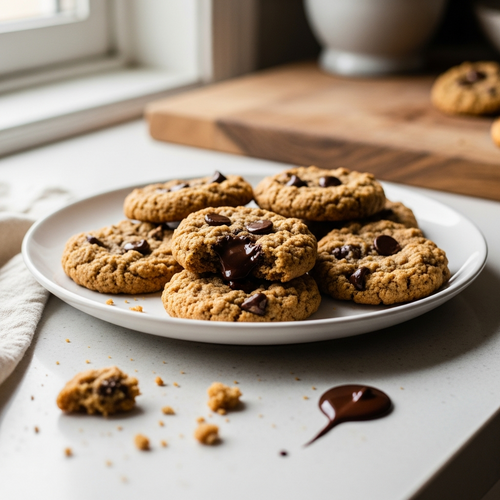
Description: A soft, chewy, and satisfying oatmeal cookie packed with protein and fiber. Designed to crush cravings and support your fat loss goals without feeling like diet food. Perfect for a quick snack or a healthy dessert.
Prep Time: 5 minutes | Cook Time: 12 minutes
Servings: 18 cookies
Macros per Serving | Calories: 76 | Protein: 4g | Fat: 3g | Carbohydrates: 8g
Ingredients
- 1 cup old-fashioned rolled oats
- 1/2 cup oat flour
- 1/2 cup vanilla or unflavored protein powder
- 1 teaspoon ground cinnamon
- 1/2 teaspoon baking soda
- 1/4 teaspoon salt
- 1/2 cup unsweetened applesauce
- 1/4 cup plain non-fat Greek yogurt
- 1 large egg
- 2 tablespoons melted coconut oil or light butter
- 1 teaspoon vanilla extract
- 1/2 cup zero-calorie brown sugar substitute
- 1/3 cup dark chocolate chips
Instructions
- Preheat oven to 350°F (175°C) and line a baking sheet with parchment paper.
- In a medium bowl, whisk together oats, oat flour, protein powder, cinnamon, baking soda, and salt.
- In a large bowl, whisk together applesauce, Greek yogurt, egg, melted coconut oil, and vanilla extract. Stir in the brown sugar substitute until dissolved.
- Add the dry ingredients to the wet ingredients and mix until just combined. Fold in chocolate chips.
- Drop rounded tablespoons of dough onto the baking sheet and gently flatten each one.
- Bake for 10-12 minutes, until edges are golden.
- Cool on the baking sheet for 5 minutes before moving to a wire rack to cool completely.
Notes
These cookies will not spread much in the oven, so flattening them before baking is key to getting the right shape and texture. Store in an airtight container for up to 5 days.
FAQs About Oatmeal Cookie For Weight Loss
Here are some straightforward answers to the most common questions I receive about this oatmeal cookie recipe.
Can I make this oatmeal cookie recipe without protein powder?
You can, but it will significantly change the recipe’s nutritional profile and purpose. The protein powder is the key ingredient that makes this a high-protein snack designed for hunger management and muscle support during fat loss. Removing it will lower the protein content dramatically and increase the relative percentage of carbs and fats.
If you do want to make it without protein powder, you would need to replace its volume with more oat flour or a similar dry ingredient to maintain the dough’s consistency. You could try adding another 1/2 cup of oat flour, but be aware that the texture will be different. The cookies will be less dense and might have a more traditional, less “healthy-tasting” texture, but you’ll lose the primary benefit of making them in the first place. My advice is to find a protein powder you genuinely enjoy, as it’s a game-changing tool for this lifestyle.
How can I make this protein oatmeal cookie gluten-free?
Making this recipe gluten-free is very simple. The main ingredients containing potential gluten are the oats and oat flour. While oats are naturally free of gluten, they are frequently subject to cross-contamination with wheat, barley, and rye during harvesting, transport, and processing. This is a problem for anyone with celiac disease or a non-celiac gluten sensitivity.
To ensure your oatmeal cookie is completely gluten-free, you must purchase oats and oat flour that are explicitly labeled as “certified gluten-free.” This certification guarantees that they have been processed in a dedicated facility and tested to meet strict gluten-free standards. All other ingredients in this recipe, such as the protein powder (check the label, but most are), applesauce, yogurt, and eggs, are naturally gluten-free.
Why is my oatmeal cookie dry or tough?
A dry or tough cookie is usually the result of one of three common issues: overmixing, overbaking, or inaccurate measurements. The most likely culprit is overmixing the dough after you combine the wet and dry ingredients. When you mix flour with liquid, you begin to develop gluten. The more you mix, the more gluten develops, leading to a tough, dense, and rubbery texture instead of a soft and chewy one. Mix only until the streaks of flour disappear, and then stop.
Overbaking is another common mistake. These cookies are designed to be soft, and they won’t look hard and crispy when they’re ready to come out of the oven. They will look “set” in the center and have light golden brown edges. They will continue to firm up on the hot baking sheet and the cooling rack. If you wait until they feel hard in the oven, they will be very dry once they cool. Finally, make sure you are measuring your dry ingredients correctly, especially the oat flour and protein powder. Scooping directly from the container can compact the powder, causing you to use too much, which throws off the wet-to-dry ingredient ratio and results in a dry cookie.
Can I meal prep this oatmeal cookie for the week?
Absolutely. This recipe is perfectly designed for meal prepping and is a core part of how I manage my own nutrition. Having healthy, pre-portioned snacks ready to go is a powerful strategy, especially for an ADHD brain that struggles with in-the-moment decisions. Spending 20 minutes on a Sunday to bake a batch of these can set you up for success all week long.
The best way to do this is to follow the storage instructions carefully. Once the cookies are completely cool, you can store them in an airtight container at room temperature. For maximum convenience and portion control, I highly recommend portioning them into individual ziplock bags or small containers as soon as they’re cool. This makes them a true “grab-and-go” snack. If you bake a double batch, the freezer is your best friend. Freezing them individually ensures you always have a healthy treat on hand for weeks to come.
What is the best zero-calorie sweetener for this oatmeal cookie recipe?
The choice of sweetener can have a noticeable impact on the final taste and texture. I wrote the recipe using a zero-calorie brown sugar substitute, which is typically an erythritol or monk fruit blend designed to mimic the flavor and texture of real brown sugar. This gives the cookies a nice hint of molasses flavor that works perfectly with oatmeal and cinnamon.
Brands like Swerve Brown or Lakanto Monkfruit Golden are excellent choices. If you only have a regular granular sweetener like pure erythritol or a stevia blend, that will work too, but you might lose a little of that classic flavor depth. The most important thing is to use a sweetener that you personally enjoy the taste of. Some people are sensitive to the cooling effect of erythritol, while others dislike the aftertaste of stevia. Experiment with what works for you. Just be sure to use a 1:1 sugar replacement to get the sweetness level right.
Try These High-Protein Recipes Next
If you loved how simple and effective this recipe is, I have a few others I think you’ll enjoy.
- ADHD-Friendly Overnight Oats: This is my go-to breakfast. It’s a high-protein, grab-and-go meal that takes five minutes to prep the night before.
- The Ultimate Protein Chocolate Chip Cookie: If you’re more of a classic chocolate chip fan, this recipe delivers that perfect soft-baked texture with a huge protein boost.
- Easy Oatmeal Cookies by This Gal Cooks: For a more traditional take on the oatmeal cookie that’s still simple and delicious, check out this great recipe.
Building a library of simple, repeatable recipes is the secret to making this lifestyle stick.