
I have a complicated history with the Philly cheesesteak. For years, it was a symbol of failure for me. It was the “cheat meal” I’d order after a week of trying to eat nothing but chicken and broccoli. It was delicious, messy, and always followed by a wave of guilt.
That all-or-nothing thinking is a classic ADHD trap. We’re either perfectly on track or completely off the rails. There is no in-between. When I finally started losing weight for good, it was because I rejected that mindset. I learned to build the foods I loved into my plan, not banish them.
That’s what motivated me to develop this high-protein philly cheesesteak recipe. I wanted that savory, cheesy, satisfying flavor without the 1,000-calorie gut bomb and the subsequent shame spiral. I needed a version that would crush the craving, pack in the protein, and fit into my life as a busy single dad.
This recipe is the result. It’s brutally practical, incredibly tasty, and proves that you don’t have to give up your favorite foods to build a body you’re proud of. It’s a tool for consistency, not a reason to feel guilty.
Skip to My Flexibe Diet Recipe!
Why Philly Cheesesteak Is Great For Fat Loss
Let’s be direct. When you hear “Philly cheesesteak,” you probably don’t think “health food.” A classic cheesesteak from a restaurant or sub shop can easily pack 700 to 1,400 calories, loaded with fat from ribeye steak and oily cheese sauce. That can derail an entire day’s progress.
But this recipe is different by design. We engineered it to support your fat loss goals, not sabotage them. The magic is in a few simple, strategic swaps that slash calories and fat while cranking up the protein.
First, we focus on protein. Each serving of this recipe has over 40 grams of protein. Protein is the most important macro for fat loss. It keeps you feeling full and satisfied for hours, which is a massive advantage for the ADHD brain that often seeks dopamine through snacking. It also helps your body hold onto muscle while you lose fat, which is key for a strong, fit look.
We achieve this by swapping fatty ribeye for lean flank steak or top sirloin. This one change dramatically cuts down on the fat content without sacrificing that savory, beefy flavor. We also use real, low-fat provolone cheese. You still get that incredible, melty cheese pull, but with fewer calories.
The result is a complete meal that comes in at just around 370 calories. You get a huge, satisfying portion of food that tastes like an indulgence but works with your calorie deficit. This is how you build a sustainable lifestyle. You eat food you love, manage your hunger, and consistently hit your goals without feeling deprived.
Ingredients You’ll Need for Philly Cheesesteak
One of my biggest rules for ADHD-friendly cooking is keeping the ingredient list short and simple. A long, complicated list is a recipe for overwhelm and a trip to the drive-thru. We’re keeping this list focused and easy to manage.
ADHD Tip: Before you go to the store, take a picture of this list on your phone. It’s faster than typing it out and you’re less likely to forget your paper list on the counter. We need to eliminate as many potential failure points as possible.
Here’s everything you’ll need for this high-protein Philly cheesesteak:
- Lean Flank Steak: 1 lb, trimmed of any excess fat.
- Avocado or Olive Oil: 1 tablespoon.
- Yellow Onion: 1 large, thinly sliced.
- Green Bell Pepper: 1 large, thinly sliced.
- Garlic Powder: 1 teaspoon.
- Worcestershire Sauce: 1 tablespoon. This is our key ingredient for a deep, savory flavor.
- Salt and Black Pepper: To taste, usually about ½ teaspoon of each.
- Low-Fat Provolone Cheese: 4 slices.
- Low-Calorie Hoagie Rolls or Buns: 4 rolls (look for ones around 150-200 calories).
The standout ingredient here is the lean flank steak. This is our primary swap to make the recipe macro-friendly. Traditional cheesesteaks use fatty ribeye, which is delicious but loaded with calories. Flank steak is packed with protein and has significantly less fat, giving us the result we want.
A crucial note on the steak: getting it sliced thinly is essential for the right texture. If you try to slice a room-temperature flank steak, it can be tough. The best hack is to place the steak in the freezer for about 20-30 minutes before slicing. This firms it up just enough so you can easily get those paper-thin slices with a sharp knife. This small step makes a huge difference in the final product.
How To Make Philly Cheesesteak (Step-By-Step)
This recipe is designed to be fast and straightforward. We’re using one pan to minimize cleanup because, let’s be honest, no one with ADHD wants to face a mountain of dishes after dinner. The entire process takes about 15 minutes from start to finish, making it perfect for a busy weeknight.
Follow these simple steps to make a perfect, high-protein Philly cheesesteak every time.
Step 1: Prep Your Ingredients First
This is the most important step for an ADHD brain. Before you even think about turning on the stove, get everything ready. Thinly slice your steak (using the freezer trick), slice your onion and bell pepper, and have your seasonings measured out. This practice, often called “mise en place,” prevents the classic cooking chaos where you’re frantically chopping an onion while your steak is burning. It turns a stressful process into a calm one.
Step 2: Cook the Vegetables
Heat your oil in a large non-stick or cast-iron skillet over medium-high heat. Add the sliced onion and bell pepper to the pan. Cook for about 5-7 minutes, stirring occasionally, until they are soft and starting to caramelize. Once they’re done, remove them from the skillet and set them aside on a plate.
Step 3: Sear the Steak
Add your thinly sliced flank steak to the same hot skillet. It’s important to spread it out in a single layer. If you overcrowd the pan, the steak will steam instead of sear. Cook in batches if you need to. Let it cook for 1-2 minutes per side until browned. You want a nice crust. A common mistake is overcooking the steak. Because it’s sliced so thin, it cooks incredibly fast. Overcooked steak becomes tough and chewy.
Step 4: Combine and Melt the Cheese
Once the last batch of steak is cooked, reduce the heat to low. Add all the steak back to the pan along with the cooked peppers and onions. Sprinkle with garlic powder, salt, and pepper, then drizzle with Worcestershire sauce. Stir everything together until it’s well combined. Now, arrange the mixture into four even piles in the skillet and lay a slice of provolone cheese over each one. Cover the pan for a minute or two until the cheese is perfectly melted and gooey.
How To Serve Philly Cheesesteak (ADHD-Friendly)
Now that you have this delicious, cheesy, high-protein mixture, let’s talk about how to serve it. The goal here is flexibility and ease. Having multiple serving options is a great strategy for the ADHD brain because it prevents you from getting stuck if you realize you’re missing an ingredient, like buns. It allows you to pivot without feeling like you’ve failed.
The classic approach is always a winner. Lightly toast your low-calorie hoagie rolls, then use a spatula to scoop one of the cheesy piles of steak and veggies onto each bun. It’s simple, satisfying, and feels just like the real thing.
But we need options for different days and different macro goals. Here are a few of my favorite ways to serve this Philly cheesesteak mixture:
- The Philly Cheesesteak Bowl: Skip the bread entirely and serve the mixture over a bed of cauliflower rice for a low-carb, high-volume meal. You can also use brown rice or quinoa if you want to include more complex carbs to fuel a workout.
- The Lettuce Wrap: For the ultimate low-carb option, use large, crisp leaves of iceberg or romaine lettuce as a boat for the filling. It’s crunchy, fresh, and incredibly light. This is a great choice for a day when you’re saving your carbs for something else.
- The Stuffed Pepper: This is a fantastic meal prep option. Cut bell peppers in half, remove the seeds, and stuff them with the cheesesteak mixture. Top with a little extra cheese and bake at 375°F (190°C) for 20-25 minutes, until the peppers are tender.
Having these choices ready in your mind is a form of “spiral prevention.” Instead of realizing you have no buns and ordering a pizza, you just say, “Okay, tonight it’s a Philly cheesesteak bowl.” It keeps you in control and moving toward your goals.
How To Store, Reheat, and Reuse Philly Cheesesteak
One of the best things you can do for your fitness goals is to embrace leftovers. Cooking once and eating two or three times is a massive win, especially on low-motivation days. This Philly cheesesteak recipe is perfect for meal prep, and the leftovers are just as good, if not better, the next day.
To store, let the steak and veggie mixture cool down completely. Then, transfer it to an airtight container and keep it in the refrigerator. It will stay fresh for up to 4 days. I highly recommend storing the meat mixture separately from any buns to prevent them from getting soggy.
Here are the best ways to reheat and reuse your leftovers:
- The Skillet Method (Best): The best way to reheat the mixture is in a non-stick skillet over medium heat for a few minutes until it’s warmed through. This helps revive the texture of the steak and veggies, so it tastes freshly made.
- The Microwave Method (Fastest): If you’re short on time, the microwave works fine. Place the mixture in a microwave-safe bowl and heat it in 30-second intervals, stirring in between, until it’s hot. Just be careful not to overdo it, as it can make the steak a little tough.
- Repurpose into a Quesadilla: This is my favorite way to use leftovers. Spoon the cheesesteak mixture onto a low-carb tortilla, add a sprinkle of extra cheese, fold it over, and pan-fry it until golden brown and crispy. It’s a completely new meal in under 5 minutes.
ADHD Pro Tip: Use painter’s tape or a dry-erase marker on your glass containers to label what’s inside and the date you made it. This simple habit fights “object permanence” issues in the fridge. You won’t forget what you have, which means less food waste and one less thing to think about when you’re hungry.
Easy Swaps & Variations for Philly Cheesesteak
The best recipes are the ones you can adapt to what you have on hand or what fits your personal taste. Think of this recipe as a template, not a set of rigid rules. Flexibility is the key to long-term consistency, and it’s something we rely on heavily at ADHD FIT. Here are some simple swaps and variations you can try.
These adjustments can help you fit the recipe to different dietary needs, use up ingredients you already have, or just keep things interesting so you don’t get bored.
- Change the Protein: If you’re not a fan of steak or don’t have any, this recipe works great with other proteins. Try using a pound of ground chicken or lean ground turkey. Just cook it through before adding the veggies. Shaved chicken breast is another fantastic option.
- Switch Up the Cheese: Provolone is the classic choice, but feel free to experiment. Low-fat mozzarella, Swiss, or even white American cheese all melt beautifully and taste amazing. For an extra creamy texture, stir in a wedge of Laughing Cow light cheese.
- Add More Veggies: This is an easy way to boost the fiber and nutrient content. Sliced mushrooms are a natural fit and add a great earthy flavor. Sliced jalapeños or a dash of hot sauce can give it a spicy kick. Using a bag of frozen, pre-sliced peppers and onions is a perfect shortcut for a low-energy day.
- Make It Gluten-Free: To make this recipe gluten-free, simply serve it in a bowl over rice or quinoa, in lettuce wraps, or with your favorite gluten-free bread or bun. Make sure to use a gluten-free Worcestershire sauce as well.
Don’t be afraid to make this recipe your own. The core principles remain the same: high protein, lots of flavor, and easy preparation. The rest is up to you.
High-Protein Philly Cheesesteak
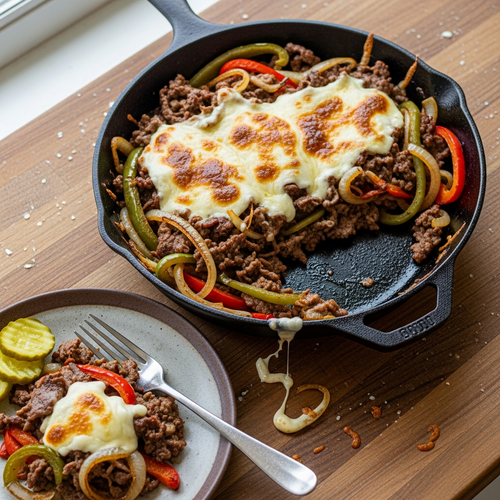
Description: A quick, easy, and macro-friendly take on the classic Philly cheesesteak. Packed with over 40 grams of protein and full of savory flavor, this recipe is perfect for a satisfying weeknight meal that supports your fat loss goals.
Prep Time: 10 minutes | Cook Time: 15 minutes
Servings: 4
Macros per Serving | Calories: 370 | Protein: 42g | Fat: 12g | Carbohydrates: 25g
Ingredients
- 1 lb lean flank steak, thinly sliced
- 1 tbsp olive oil
- 1 large yellow onion, sliced
- 1 large green bell pepper, sliced
- 1 tsp garlic powder
- 1 tbsp Worcestershire sauce
- Salt and black pepper to taste
- 4 slices low-fat provolone cheese
- 4 low-calorie hoagie rolls (approx. 150 calories each)
Instructions
- Heat oil in a large skillet over medium-high heat. Add onion and bell pepper and cook until soft, about 5-7 minutes. Remove from skillet and set aside.
- Add the thinly sliced steak to the hot skillet in a single layer (cook in batches if needed). Sear for 1-2 minutes per side until browned. Do not overcook.
- Return all steak and the cooked veggies to the skillet. Reduce heat to low. Season with garlic powder, salt, pepper, and Worcestershire sauce. Stir to combine.
- Divide the mixture into four piles in the skillet. Top each with a slice of provolone cheese. Cover the pan for 1-2 minutes to melt the cheese.
- Serve immediately on toasted low-calorie hoagie rolls.
Notes
For the thinnest steak slices, place the steak in the freezer for 20-30 minutes before cutting. This firms up the meat and makes it much easier to slice against the grain.
FAQs About Philly Cheesesteak For Weight Loss
Here are some straightforward answers to the most common questions I receive about this Philly cheesesteak recipe.
What is the best cut of beef for a healthy Philly cheesesteak?
This is probably the most important question for making a macro-friendly Philly cheesesteak. Traditionally, these sandwiches are made with ribeye steak. Ribeye is known for its intense marbling and rich flavor, but that marbling is fat, which means it’s also very high in calories. For a fat loss-focused recipe, ribeye is not the best choice.
Instead, we opt for lean cuts of beef that are high in protein and lower in fat. My top recommendations are flank steak or top sirloin steak. Both of these cuts are incredibly flavorful but have significantly less fat than ribeye. You still get a satisfying, beefy taste without overloading on calories. Another excellent and convenient option is to buy pre-shaved steak from your grocery store’s butcher counter. It’s already sliced paper-thin, saving you a prep step, which is a big win on a low-energy day.
Can I make this Philly cheesesteak recipe ahead of time for meal prep?
Yes, absolutely! This recipe is fantastic for meal prep. In fact, making a double batch is one of the best things you can do for your future self. It’s a perfect ADHD-friendly strategy because it eliminates decision fatigue during a busy week. You don’t have to wonder what’s for lunch; it’s already made and waiting for you.
To meal prep, cook the steak, onion, and pepper mixture completely according to the recipe. Let it cool down, then portion it out into airtight containers. It will last in the fridge for up to four days. When you’re ready to eat, you can reheat a portion in the microwave or, for the best texture, in a skillet. I recommend waiting to add the cheese until you reheat it, and keeping the buns separate until you’re ready to serve to avoid any sogginess.
How do I make a low-calorie Philly cheesesteak that still tastes good?
The key to making a delicious low-calorie Philly cheesesteak is to build flavor at every step. Just because we’re cutting fat doesn’t mean we have to cut taste. It starts with getting a good sear on the meat. Don’t overcrowd the pan; cooking the steak in batches over high heat creates a flavorful crust through the Maillard reaction. This adds a depth of flavor that you just can’t get if you steam the meat.
Next, don’t skimp on seasoning. The combination of garlic powder, salt, and pepper is simple but effective. The Worcestershire sauce is a non-negotiable secret weapon. It adds a complex, savory, umami flavor that mimics the richness of a fattier cut of meat. Finally, using real, good-quality low-fat provolone cheese ensures you get that authentic, gooey, satisfying cheese pull that makes a cheesesteak so great. It’s about being smart with your techniques and ingredients, not just removing things.
What are some good low-carb alternatives to bread for a Philly cheesesteak?
There are many excellent low-carb ways to enjoy this Philly cheesesteak recipe, which is great for anyone following a keto diet or simply looking to reduce their carb intake. The most popular method is serving the meat and cheese mixture in a bowl. You can serve it on its own or over a bed of cauliflower rice, which adds volume and an extra serving of vegetables without many carbs.
Another fantastic option is to make lettuce wraps. Large, sturdy leaves of iceberg or romaine lettuce make a great vessel. They provide a satisfying crunch and freshness that contrasts nicely with the rich filling. If you still want a sandwich-like experience, there are many great low-carb and keto-friendly bread and tortilla options on the market now. Look for keto buns or low-carb tortillas to wrap the filling in. This gives you the classic hand-held meal with a fraction of the carbs.
Is this Philly cheesesteak recipe suitable for a high-protein diet?
Yes, this Philly cheesesteak recipe is perfectly suited for a high-protein diet. In fact, it was specifically designed with that goal in mind. Each serving contains a powerful 42 grams of protein, which is an ideal amount for a single meal to help you hit your daily protein target. This high protein content is the “secret weapon” that makes the recipe so effective for fat loss and hunger management.
Protein is incredibly satiating, meaning it helps you feel full and satisfied for a longer period after eating. This is crucial for controlling cravings and preventing mindless snacking, which can be a common challenge for those with ADHD. Consuming adequate protein also helps preserve lean muscle mass during a calorie deficit, ensuring that the weight you lose is primarily fat. This recipe makes hitting your protein goals easy and delicious, proving that you don’t have to live on plain chicken breast and protein shakes.
Try These High-Protein Recipes Next
If you enjoyed this easy and satisfying Philly cheesesteak, here are a few other high-protein recipes you should try next.
- High-Protein Sloppy Joe Recipe: A healthy twist on a nostalgic classic, perfect for a quick family dinner.
- High-Protein Smash Burger Recipe: Get that crispy, diner-style burger experience at home without derailing your macros.
- Philly Cheesesteak Tortellini: A creative and comforting pasta dish that combines two amazing comfort foods into one.
Each of these recipes follows the same principles: simple steps, amazing flavor, and the protein you need to stay on track.