
I still remember the first time I tried shakshuka. I was a few months into my fitness journey, down maybe 15 pounds, and I was getting tired of the same old chicken and broccoli. I was scrolling online, looking for something that felt like a treat but wouldn’t completely derail my progress. I stumbled upon this vibrant, one-pan dish of eggs poached in a spicy tomato sauce, and it felt like a revelation.
Here was a meal that was warm, comforting, and packed with flavor. It felt indulgent, like something you’d order for brunch, but when I looked at the ingredients, it was all whole foods. Tomatoes, peppers, onions, spices, and the king of fat loss foods: eggs. This was something I could work with.
Over the years, I’ve tweaked my shakshuka recipe to align perfectly with the ADHD FIT principles. I’ve made it more filling, more convenient, and completely foolproof. I added chickpeas for extra fiber and plant-based protein, and I figured out the exact spice blend to make it taste incredible every single time. It’s become a staple in my rotation because it hits every mark: it’s high in protein, manages my hunger, is simple to make on a low-motivation day, and tastes amazing.
This is the recipe that proves you don’t need to eat boring food to lose fat. You just need the right systems in place.
Skip to My Flexibe Diet Recipe!
Why Shakshuka Is Great For Fat Loss
When it comes to fat loss, food is about 75 percent of the battle. The core of a successful plan isn’t about eating less; it’s about eating smarter. This shakshuka recipe is a perfect example of smart eating because it’s built around our first two principles: protein first and hunger management second.
The main protein sources here are the eggs and chickpeas. A single serving of this recipe packs a serious protein punch, which is critical for feeling full and satisfied. Protein takes longer to digest than carbs, which helps stabilize your blood sugar and prevent the energy crashes that lead to reaching for sugary snacks. It also helps preserve muscle mass while you’re losing fat, which is essential for a healthy metabolism.
Beyond the protein, this dish is loaded with fiber and volume from the vegetables. The onions, bell peppers, spinach, and tomatoes add tons of nutrients and bulk to the meal for very few calories. This volume fills up your stomach, sending signals to your brain that you’re full. The fiber from the chickpeas and veggies slows digestion even further, keeping you satisfied for hours. This combination of protein and fiber is the ultimate weapon against cravings.
This shakshuka is a complete, balanced meal in one pan. You get protein, healthy fats from the olive oil and egg yolks, and complex carbs from the chickpeas and vegetables. It’s a powerhouse for fat loss because it works with your body’s natural hunger cues instead of fighting against them. It’s the kind of meal that prevents the late-night hunger spiral because you’re genuinely full and nourished.
Ingredients You’ll Need for Shakshuka
One of the best things about this shakshuka recipe is that it relies on simple, accessible ingredients. Most of these are probably already in your pantry or are easy to find at any grocery store. We’re building maximum flavor with minimum fuss, which is exactly what we need when our executive function is running low.
Here’s exactly what you’ll need to get started:
- 1 tbsp extra virgin olive oil
- 1 large onion, diced
- 1 red bell pepper, diced
- 3 cloves garlic, minced
- 2 tsp smoked paprika
- 1 tsp ground cumin
- 1/2 tsp ground coriander
- 1/4 tsp red pepper flakes (or more, to taste)
- 1 (28-ounce) can crushed fire-roasted tomatoes
- 1 (15-ounce) can chickpeas, rinsed and drained
- 5 cups fresh spinach
- Salt and fresh-cracked black pepper, to taste
- 6 large eggs
- 1/4 cup crumbled feta cheese
- 1/4 cup fresh parsley, chopped
The secret weapon here is the fire-roasted tomatoes. You can absolutely use regular crushed tomatoes, but the fire-roasted variety adds a deep, smoky flavor that makes the sauce taste like it’s been simmering for hours. It’s a simple store-bought shortcut that elevates the entire dish.
My personal twist on the classic is the addition of chickpeas. They make the shakshuka heartier and more filling, adding valuable plant-based protein and fiber. This turns it from a light breakfast into a substantial meal you can eat for lunch or dinner. And don’t skimp on the smoked paprika. It complements the fire-roasted tomatoes and provides that signature warm, smoky flavor that makes this recipe so addictive.
How To Make Shakshuka (Step-By-Step)
This is a one-pan meal, which is a massive win for any of us with ADHD. Less cleanup means less resistance to starting. The process is straightforward, but a few small details make a big difference. I recommend getting all your ingredients chopped and measured before you turn on the stove. This technique, called “mise en place,” prevents that mid-recipe panic when you can’t find the cumin while the garlic is about to burn.
Step 1: Sauté Your Foundation
Heat the olive oil in a large, deep skillet or Dutch oven over medium heat. Add the diced onion and bell pepper. The key here is patience. Let them cook for a solid 5-7 minutes, stirring occasionally, until they’re genuinely soft and the onions are translucent. This step isn’t just about cooking them; it’s about building the first layer of sweet, savory flavor for your sauce.
Step 2: Bloom the Spices
Add the minced garlic, smoked paprika, cumin, coriander, and red pepper flakes. Stir constantly for about one minute until you can smell them. This is called “blooming” the spices. Cooking them directly in the oil for a minute unlocks their aromatic compounds and distributes their flavor throughout the dish much more effectively than just dumping them into the tomatoes.
Step 3: Build the Sauce
Pour in the can of crushed fire-roasted tomatoes and add the rinsed chickpeas. Stir everything together, bring it to a lively simmer, and then let it cook for 10-15 minutes. Don’t rush this part. Simmering allows the flavors to meld and, just as importantly, it thickens the sauce. You want a sauce that’s thick enough to hold the eggs in place, not a watery soup.
Step 4: Wilt the Spinach
Add the fresh spinach one large handful at a time. It will look like an impossible amount, but it wilts down to almost nothing in a minute or two. Just keep stirring it in until it’s all incorporated. Once it’s wilted, season the sauce with salt and pepper. Taste it and adjust as needed.
Step 5: Make Wells for the Eggs
Using the back of a spoon, create six small indentations or “wells” in the surface of the sauce. This gives each egg its own little pocket to cook in, keeping them separate and ensuring they cook evenly.
Step 6: Crack in the Eggs
Carefully crack one egg into each well. An ADHD-friendly pro tip: crack each egg into a small bowl first, then gently slide it into the well. This prevents you from getting eggshells in your beautiful sauce and makes placement easier and less stressful.
Step 7: Cook the Eggs
Reduce the heat to low and cover the skillet with a lid. Let it cook for 5-8 minutes. The lid is essential because it traps steam, which gently cooks the tops of the eggs. 5 minutes will give you very runny yolks, while 8 minutes will result in firmer, jammy yolks. Keep an eye on them until the whites are fully set.
Step 8: Garnish and Serve
Remove the skillet from the heat. Finish by sprinkling the crumbled feta cheese and chopped fresh parsley over the top. The salty bite of the feta and the freshness of the parsley cut through the richness of the sauce and eggs perfectly. Serve it immediately.
How To Serve Shakshuka (ADHD-Friendly)
One of the biggest hurdles for those of us with ADHD is “decision fatigue,” especially when we’re hungry. That’s why keeping the serving process for this shakshuka brutally simple is part of the system. The goal is to get this nutritious, delicious meal from the pan to your plate with as few steps as possible.
My favorite way to serve it is family-style, straight from the skillet. Place a trivet on your dinner table, put the pan right in the middle, and let everyone serve themselves. This is not just rustic and fun; it means there’s no serving platter to wash. Reducing cleanup is a non-negotiable for sustainable habits.
To keep this meal aligned with fat loss goals, what you serve it with matters. While traditional crusty bread is delicious for dipping, it can add a lot of empty calories. Here are a few flexible, ADHD-friendly options:
- As Is: Honestly, this shakshuka is so hearty with the added chickpeas that it’s a complete meal on its own. Just grab a fork and a spoon and dig in. Zero extra steps required.
- High-Fiber Toast: If you love the dipping experience, choose a slice of high-quality, whole-grain or sourdough toast. The fiber makes it more filling and better for blood sugar than white bread.
- Low-Carb Options: A low-carb tortilla or a high-protein pita, warmed up and cut into wedges, works great for scooping.
- A Simple Salad: A handful of arugula drizzled with lemon juice and a pinch of salt on the side adds a fresh, peppery bite without adding complexity.
The most important ADHD tip for serving is this: decide how you’re going to eat it before you start cooking. This eliminates the last-minute scramble where you end up grabbing the easiest, but not necessarily healthiest, option because you’re starving. By planning this one small step, you set yourself up for success.
How To Store, Reheat, and Reuse Shakshuka
Leftovers are a secret weapon for anyone, but especially for those of us with ADHD. Having a healthy, pre-made meal ready to go saves us from making poor food choices when we’re low on time or motivation. This shakshuka recipe is fantastic for leftovers, but how you store it makes a difference.
Your goal is to make future you’s life as easy as possible. Here’s how to handle your leftover shakshuka to ensure it’s just as good the next day.
- How to Store: The best method is to store the tomato and vegetable base separately from the eggs. If you know you’re making extra for meal prep, just cook the eggs you plan to eat immediately and store the leftover sauce in an airtight container in the fridge. It will last for up to 4 days. If you’re storing leftovers with the eggs already cooked, that’s fine too! Just know the yolks will cook through and become hard upon reheating.
- How to Reheat: To reheat the sauce, simply put a portion in a small skillet over medium-low heat until it’s warmed through. Then, you can make a fresh well and poach a new egg right in the sauce. It takes 5 minutes and tastes just like you made it from scratch. If you’re reheating a portion with a cooked egg already in it, the microwave is your fastest option. Heat it in 30-second intervals until warm.
- How to Reuse: The leftover shakshuka base is incredibly versatile. Don’t just think of it as a vehicle for eggs. You can use it as a pasta sauce, spoon it over grilled chicken breast, or serve it with a side of quinoa or brown rice for a completely different meal. This “cook once, eat twice” strategy is a cornerstone of ADHD-friendly meal planning.
By making a double batch of the shakshuka base on a day you have energy, you’re giving yourself the gift of a nearly-instant, healthy meal for a future day when cooking feels impossible. This is how we build a system that works with our brain’s natural ebbs and flows of motivation.
Easy Swaps & Variations for Shakshuka
The best recipes are flexible. Rigidity is the enemy of consistency, especially for the ADHD brain. If you’re missing an ingredient, don’t let it stop you from making a healthy meal. This shakshuka recipe is a perfect canvas for swaps and variations based on what you have on hand or what you prefer. The goal is to get a healthy meal on the table, not to follow a recipe to perfection.
Think of this recipe as a template, not a strict rulebook. Here are some of my favorite brutally practical swaps and additions to make this shakshuka your own:
- Boost the Protein: To make it even more filling, stir in a cup of cooked shredded chicken, ground turkey, or lean ground beef along with the tomatoes. This will make it an absolute protein powerhouse.
- Use Different Veggies: Don’t have a red bell pepper? Use a yellow or orange one. Have some zucchini, mushrooms, or eggplant about to go bad? Dice them up and sauté them with the onions. Have a bag of frozen kale? Throw it in instead of spinach.
- Adjust the Heat: If you like it spicy, add more red pepper flakes or a spoonful of harissa paste, a smoky North African chili paste that is phenomenal in this dish. If you don’t like spice, simply leave the red pepper flakes out.
- Change the Cheese: Creamy goat cheese is a fantastic substitute for feta. For a dairy-free version, you can skip the cheese entirely or use a dairy-free feta alternative. A sprinkle of nutritional yeast can add a cheesy, savory flavor as well.
- Swap the Herbs: Not a fan of parsley? Fresh cilantro or dill would also be delicious and would give the dish a completely different flavor profile.
The key takeaway is to work with what you’ve got. Following a system doesn’t mean you can’t be creative. It means you have a reliable foundation you can adapt to fit your life, your budget, and your taste buds on any given day.
High-Protein Chickpea Shakshuka
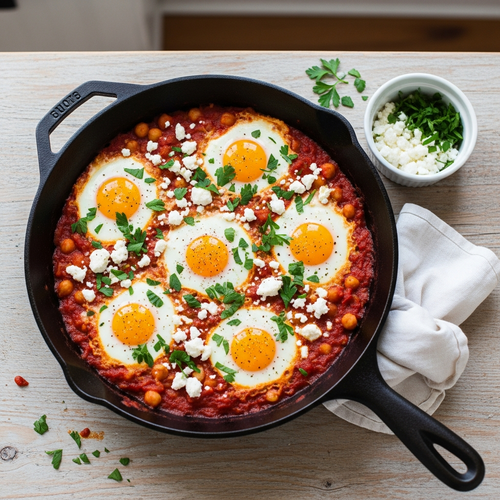
Description: A simple, flavorful, and incredibly satisfying one-pan meal of eggs poached in a spicy tomato and vegetable sauce with chickpeas. Perfect for a high-protein breakfast, lunch, or dinner designed for fat loss and an ADHD-friendly lifestyle.
Prep Time: 10 minutes | Cook Time: 25 minutes
Servings: 3
Macros per Serving | Calories: 393 | Protein: 21g | Fat: 21.5g | Carbohydrates: 36g
Ingredients
- 1 tbsp extra virgin olive oil
- 1 large onion, diced
- 1 red bell pepper, diced
- 3 cloves garlic, minced
- 2 tsp smoked paprika
- 1 tsp ground cumin
- 1/2 tsp ground coriander
- 1/4 tsp red pepper flakes (or more, to taste)
- 1 (28-ounce) can crushed fire-roasted tomatoes
- 1 (15-ounce) can chickpeas, rinsed and drained
- 5 cups fresh spinach
- Salt and fresh-cracked black pepper, to taste
- 6 large eggs
- 1/4 cup crumbled feta cheese
- 1/4 cup fresh parsley, chopped
Instructions
- Heat olive oil in a large skillet over medium heat. Sauté onion and bell pepper for 5-7 minutes until soft.
- Stir in garlic and spices. Cook for 1 minute until fragrant.
- Pour in tomatoes and chickpeas. Simmer for 10-15 minutes to thicken.
- Stir in spinach until wilted. Season with salt and pepper.
- Create 6 wells in the sauce and crack an egg into each.
- Cover, reduce heat to low, and cook for 5-8 minutes until egg whites are set.
- Remove from heat, top with feta and parsley, and serve immediately.
Notes
The sauce can be made ahead and stored in the fridge for 4 days. Reheat on the stove and poach fresh eggs in it for a quick meal.
FAQs About Shakshuka For Weight Loss
Here are some straightforward answers to the most common questions I receive about this shakshuka recipe.
Is shakshuka actually healthy for weight loss?
Yes, absolutely. This shakshuka recipe is an excellent tool for weight loss because it’s designed around the principles of satiety and nutrient density. The high protein content from the eggs and chickpeas is the primary driver. Protein is incredibly satisfying and helps keep you full for longer, which naturally reduces your overall calorie intake by minimizing snacking and cravings. It helps you feel in control of your hunger, not the other way around.
Furthermore, the dish is packed with vegetables, which provide essential vitamins, minerals, and fiber for very few calories. This “high volume” approach means you can eat a large, satisfying portion without consuming a huge number of calories. The combination of protein and fiber also promotes stable blood sugar levels, preventing the spikes and crashes that can trigger cravings for high-sugar, high-fat foods. It’s a complete meal that nourishes your body and keeps your fat loss goals on track.
Can I make this shakshuka recipe ahead of time for meal prep?
This is one of the best features of shakshuka for anyone with a busy life or ADHD. The tomato and vegetable base is perfect for meal prep. You can easily make a double or triple batch of the sauce, let it cool, and store it in an airtight container in the refrigerator for up to four days. Some would even argue the flavor of the sauce gets better the next day as the spices meld.
When you’re ready to eat, you just scoop a serving of the cold sauce into a small pan, heat it over the stove, make a little well, and poach a fresh egg or two. This “hybrid” meal prep approach is fantastic. You do the majority of the work (chopping, sautéing, simmering) when you have the time and energy. Then, on a busy day, your delicious, high-protein meal is less than 10 minutes away. While you can store the entire dish with cooked eggs, they are always best when made fresh.
What can I serve with shakshuka besides bread?
While bread is the traditional accompaniment, there are many other great options that align better with a fat-loss-focused lifestyle. The goal is to add nutrition and satisfaction without adding a ton of empty calories. My top recommendation is to simply eat it on its own. The chickpeas and eggs make it a very substantial and complete meal without anything extra.
If you want a side, consider roasted vegetables like sweet potato wedges or broccoli. Their fiber content adds to the meal’s staying power. Another great option is to serve the shakshuka over a bed of quinoa or cauliflower rice. Quinoa adds more protein and fiber, while cauliflower rice is a great low-calorie, low-carb way to bulk up the meal. A simple green salad with a light vinaigrette also pairs beautifully, adding a fresh, crisp contrast to the warm, rich sauce.
How can I add more protein to this shakshuka?
This recipe already has a solid amount of protein, but if you have higher protein goals for your workouts or you find you need more to stay full, it’s very easy to increase it. The simplest way is to just add more eggs. Instead of two eggs per serving, have three. You can also double the amount of chickpeas in the recipe for a plant-based protein boost.
Another fantastic method is to add lean meat. Stirring in pre-cooked shredded chicken, ground turkey, or even lean ground beef into the tomato sauce as it simmers is an easy way to add 20-30 grams of protein per serving. A less conventional but delicious addition is a dollop of plain Greek yogurt on top when serving. It adds a creamy texture and an extra dose of protein.
My shakshuka is too watery. How do I fix it?
This is a very common issue, and the fix is simple: give it more time. A watery sauce is usually the result of not simmering it long enough before adding the eggs. The 10-15 minute simmer time is crucial for allowing the excess liquid from the crushed tomatoes to evaporate, which naturally thickens the sauce. Make sure you are simmering it uncovered to allow the steam to escape.
If you’re short on time and your sauce is still too thin, you have a quick fix. Stir in a tablespoon of tomato paste. Tomato paste is highly concentrated and will help thicken the sauce and deepen the tomato flavor almost instantly. Let it simmer for another minute or two after adding the paste before you make the wells for your eggs. This will ensure your eggs have a thick, rich base to poach in.
Try These High-Protein Recipes Next
If you loved the simple, flavorful, and fat-loss-friendly approach of this shakshuka, here are a few other recipes you should try.
- Easy High-Protein Ratatouille: A veggie-packed, rustic French stew that’s surprisingly easy to make and perfect for meal prep.
- The Best High-Protein Chili Recipe: My go-to high-protein chili recipe that’s satisfying, freezer-friendly, and loaded with flavor.
- Heirloom Tomatoes with Baked Eggs: Another fantastic baked egg dish that highlights the freshness of heirloom tomatoes for a simple, elegant meal.
These are all built on the same principles of being delicious, easy to make, and great for a sustainable fit lifestyle.