
Spaghetti was a staple in my house growing up. It was comfort food. It was easy. When I started my fitness journey, I thought it was something I had to give up forever. The heavy pasta, the sugary jarred sauce, the fatty ground beef. It felt like a recipe for disaster.
For a while, I avoided it. But cravings are real, especially when you have ADHD and your brain is chasing dopamine. I knew that a sustainable plan had to include foods I actually enjoyed. Deprivation was not going to work for me long-term.
So, I set out to build a better version. A spaghetti sauce that was packed with protein, loaded with hidden veggies, and so satisfying it would crush my cravings instead of causing them. This recipe is the result of years of tweaking. It helped me lose over 65 pounds and it’s still a core part of my meal prep rotation today.
It’s simple, it’s forgiving, and it’s designed to work with your brain, not against it. This is a spaghetti sauce that builds muscle, supports fat loss, and tastes like home.
Skip to My Flexibe Diet Recipe!
Why Spaghetti Sauce Is Great For Fat Loss
When you hear spaghetti sauce, you probably don’t think “health food.” Most versions are a vehicle for refined carbs and can be surprisingly high in sugar and fat. But this recipe flips the script entirely. We designed it specifically to align with the core principles of sustainable fat loss: protein first and hunger management.
The foundation is lean protein from 96% lean ground beef or turkey. Protein is the most satiating macronutrient. It keeps you feeling full and satisfied for hours, which is your number one defense against mindless snacking and intense cravings. A high-protein meal sends a signal to your brain that you are fueled, reducing the constant search for the next snack.
But we don’t stop there. The secret weapon in this spaghetti sauce is red lentils. These tiny powerhouses dissolve into the sauce, making it thick and hearty while adding a massive dose of fiber and plant-based protein. Fiber slows down digestion and further stabilizes blood sugar, preventing the energy crashes that can lead to grabbing junk food. You get the comforting texture of a classic meat sauce with double the hunger-fighting power.
We also pack in finely chopped carrots and zucchini. These add volume, vitamins, and nutrients for very few calories. They melt right into the sauce, so even picky eaters won’t notice them. This strategy, adding low-calorie volume, means you can eat a large, satisfying portion without derailing your calorie goals. For the ADHD brain, this is a perfect batch-prep meal. Cook once, and you have a high-protein, delicious meal ready to go for days. It eliminates decision fatigue and makes sticking to your plan almost effortless.
Ingredients You’ll Need for Spaghetti Sauce
The beauty of this spaghetti sauce recipe is its simplicity. We use easy-to-find, affordable ingredients to create something that tastes incredible and aligns perfectly with your fitness goals. No fancy, hard-to-source items here. Just pure, straightforward goodness.
Here’s exactly what you’ll need to have on hand.
- 1 lb 96% lean ground beef or ground turkey
- 1 large onion, finely chopped
- 4 cloves garlic, minced
- 1 cup finely chopped carrots
- 1 cup finely chopped zucchini
- 1 (28 ounce) can crushed tomatoes
- 1 (15 ounce) can tomato sauce
- 2 tablespoons tomato paste
- 1 cup red lentils, rinsed
- 2 teaspoons dried oregano
- 1 tablespoon fresh basil, chopped
- 1 teaspoon fresh thyme, minced
- 1/2 teaspoon red pepper flakes (optional)
- Salt and freshly ground black pepper to taste
- 1 tablespoon olive oil
The key ingredient that truly transforms this sauce is the red lentils. Unlike brown or green lentils, red lentils break down completely when cooked, creating a thick, creamy texture without adding any fat. They are your secret weapon for boosting protein and fiber, making this sauce incredibly filling.
When it comes to the canned tomatoes, quality can make a difference. If you can find them, San Marzano tomatoes offer a sweeter, less acidic flavor. However, any standard can of crushed tomatoes will work wonderfully. The most important thing is to get crushed tomatoes, not diced or whole, for the best consistency.
For the lean ground meat, choosing 96% lean is a strategic move to keep the fat content low while maximizing protein. This simple choice saves a significant number of calories compared to the more common 80% or 85% lean options, making it much easier to fit into your daily macros.
How To Make Spaghetti Sauce (Step-By-Step)
This recipe is designed to be as straightforward as possible. We build layers of flavor in a few simple stages. The best part is that most of the cooking time is hands-off simmering. Grab a large pot or a Dutch oven, and you’re ready to go.
Step 1: Sauté Onion and Build Your Base
Heat your tablespoon of olive oil in the pot over medium heat. Once it shimmers, add the finely chopped onion. Cook, stirring occasionally, for about 5 minutes. You want the onions to soften and become translucent. This step isn’t just about cooking onions; it’s about creating the aromatic foundation for the entire sauce. Don’t rush it.
Step 2: Brown the Meat
Add the 96% lean ground beef or turkey to the pot with the softened onions. Use a wooden spoon or spatula to break the meat apart as it cooks. Continue cooking until it’s browned all over. Even with lean meat, you might see a little fat render out. It’s a good practice to carefully drain any excess grease from the pot before moving on.
Step 3: Cook the Vegetables and Garlic
Add your finely chopped carrots and zucchini to the pot with the browned meat. Stir everything together and cook for 3-4 minutes. This gives the veggies a head start on softening. Now, stir in the minced garlic. We add it at this stage to prevent it from burning, which can give the sauce a bitter taste. Cook for just one more minute until you can smell the garlic.
Step 4: Deepen Flavor with Tomato Paste
Clear a small space in the center of the pot and add the tomato paste. Let it cook for about a minute, stirring it constantly. This technique, often called “blooming,” caramelizes the paste slightly and cooks out the raw, canned flavor. It adds a remarkable depth to the finished spaghetti sauce.
Step 5: Combine, Season, and Simmer
Now it’s time to bring it all together. Pour in the crushed tomatoes, tomato sauce, and the rinsed red lentils. Add your dried oregano, fresh basil, fresh thyme, and optional red pepper flakes. Give everything a good stir and season with salt and pepper. Bring the sauce to a gentle simmer.
Step 6: Let the Magic Happen
Once the sauce is simmering, reduce the heat to low, put the cover on the pot, and let it cook for at least 30 minutes. If you have more time, letting it go for an hour is even better. This allows the flavors to meld and the lentils to become completely tender. Remember to stir it every 10-15 minutes to make sure nothing sticks to the bottom.
Step 7: Final Touches
After simmering, give the sauce a taste. Now is the time to adjust the seasoning. Does it need more salt, pepper, or maybe a little more basil? If you prefer a smoother sauce, you can use an immersion blender to blend it slightly. This is also a great trick if you want to make sure the vegetables are completely hidden. Serve hot and enjoy!
How To Serve Spaghetti Sauce (ADHD-Friendly)
This high-protein spaghetti sauce is incredibly versatile, which is perfect for an ADHD-friendly kitchen. Having multiple ways to use a single batch-prepped food reduces boredom and makes it easier to stick with your plan. While serving it over traditional pasta is an option, we can make more strategic choices for fat loss.
To keep carbs in check and boost your veggie intake, think beyond the pasta box. Here are some of my favorite ways to serve this sauce:
- Zucchini Noodles or Spaghetti Squash: These are classic low-carb swaps. A spiralizer makes quick work of zucchini, but for ultimate convenience, buy pre-spiralized zoodles from the produce section or the freezer aisle. Spaghetti squash is as simple as roasting, scraping, and serving.
- High-Protein Pasta: If you’re craving the classic pasta experience, choose a pasta made from chickpeas, lentils, or edamame. These options can pack over 20 grams of protein per serving, turning your meal into a muscle-building powerhouse.
- Over a Protein Source: Spoon the sauce over baked chicken breast, lean ground turkey patties, or even a simple omelet. It’s a fantastic way to add flavor and moisture without adding a lot of calories.
- Stuffed Vegetables: Hollow out bell peppers or zucchini, fill them with the sauce, top with a little mozzarella, and bake until tender. It’s a complete, satisfying meal in one dish.
An important ADHD tip here is to eliminate as much friction as possible. Don’t feel like you have to make everything from scratch. If buying a bag of frozen cauliflower rice or pre-cooked chicken strips means you’ll eat a healthy meal instead of ordering takeout, that is a huge win. We are aiming for consistency, not perfection. Use a food scale to portion your carbs and a measuring cup for the sauce to keep your macros on track without the guesswork.
How To Store, Reheat, and Reuse Spaghetti Sauce
This spaghetti sauce recipe is a meal prepper’s dream. In fact, I think it tastes even better on the second or third day as the flavors have more time to meld together. Making a big batch is a gift to your future self, especially on those low-energy days when cooking feels impossible.
Proper storage is key to making your efforts last. Here’s the simple breakdown for keeping your sauce fresh and ready to go:
- Refrigerating: Allow the sauce to cool down for a bit before transferring it to airtight containers. Glass containers are great as they don’t stain. Your spaghetti sauce will stay fresh and delicious in the fridge for up to 5 days. This gives you nearly a full week of easy meal options.
- Freezing: This is where the magic happens for long-term planning. I highly recommend freezing the sauce in single-serving portions. This prevents you from having to thaw a giant batch when you only need one meal. Silicone freezer trays (like Souper Cubes) are perfect for this. Once frozen, you can pop the blocks of sauce into a freezer bag.
- ADHD Pro Tip: Label everything! Use a marker to write “Protein Spaghetti Sauce” and the date on your container or freezer bag. Your brain will thank you later when you’re not trying to identify a mystery frozen block. The sauce will last for 3-4 months in the freezer.
Reheating is just as simple. For a single serving, the microwave is your fastest option. Just put it in a bowl, cover it to prevent splatters, and heat for a few minutes. If you’re reheating a larger amount, the stovetop is best. Place it in a pot over medium-low heat, stirring occasionally until it’s heated through. If the sauce has thickened too much, just add a splash of water or broth to loosen it up.
Easy Swaps & Variations for Spaghetti Sauce
One of the best things about a staple recipe like spaghetti sauce is how easy it is to adapt. Whether you’re working with what’s in your pantry, catering to a dietary need, or just feel like changing things up, this recipe is incredibly flexible. Don’t be afraid to experiment.
Here are a few simple swaps and additions you can try:
- Make it Vegetarian or Vegan: This is an easy switch. Simply omit the ground meat. You can double the red lentils or add a pound of finely chopped cremini mushrooms for a meaty texture. Sauté the mushrooms after the onions until they release their water and start to brown. Ensure you use vegetable broth if the recipe calls for it to keep it fully vegan.
- Change Up the Protein: If you’re not a fan of ground beef or turkey, lean ground chicken is a great alternative. For a different flavor profile, you could use spicy or sweet Italian sausage, just be sure to check the nutritional information as the fat content will likely be higher.
- Sneak in More Veggies: This sauce is a perfect canvas for hiding extra vegetables. Finely chopped mushrooms, bell peppers, or even eggplant can be added with the carrots and zucchini. You can also stir in a few large handfuls of fresh spinach or kale at the very end of cooking and let it wilt into the sauce.
- Adjust the Flavor: If your canned tomatoes are a bit acidic, a pinch of sweetener can balance them out. For more warmth, add a bit of smoked paprika. For a richer, deeper flavor, a splash of red wine after browning the meat can make a big difference (just let it cook off for a few minutes).
Remember, shortcuts are your friend. Using a bag of frozen, pre-chopped onions or a jar of minced garlic is perfectly fine. Buying pre-shredded carrots saves time and energy. The goal is to make a nutritious meal that you will actually cook, and any tool that helps you get there is a good one.
High-Protein Spaghetti Sauce for Fat Loss
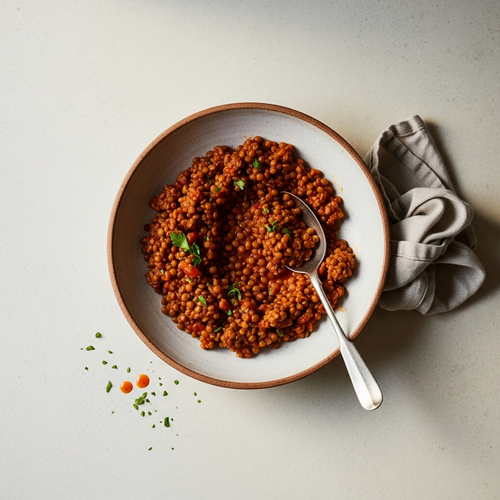
Description: A hearty, veggie-packed spaghetti sauce designed to crush cravings and support your fitness goals. Packed with lean protein and fiber, this sauce is perfect for meal prep and makes healthy eating easy and delicious.
Prep Time: 15 minutes | Cook Time: 45 minutes
Servings: 8
Macros per Serving | Calories: 240 | Protein: 20g | Fat: 7g | Carbohydrates: 25g
Ingredients
- 1 lb 96% lean ground beef or ground turkey
- 1 large onion, finely chopped
- 4 cloves garlic, minced
- 1 cup finely chopped carrots
- 1 cup finely chopped zucchini
- 1 (28 ounce) can crushed tomatoes
- 1 (15 ounce) can tomato sauce
- 2 tablespoons tomato paste
- 1 cup red lentils, rinsed
- 2 teaspoons dried oregano
- 1 tablespoon fresh basil, chopped
- 1 teaspoon fresh thyme, minced
- 1/2 teaspoon red pepper flakes (optional)
- Salt and freshly ground black pepper to taste
- 1 tablespoon olive oil
Instructions
- Heat olive oil in a large pot over medium heat. Sauté onion until soft (about 5 minutes).
- Add ground meat and cook until browned, breaking it apart. Drain any excess fat.
- Stir in garlic, carrots, and zucchini. Cook for 3-4 minutes until veggies soften.
- Add tomato paste and cook for 1 minute, stirring constantly.
- Stir in crushed tomatoes, tomato sauce, rinsed lentils, and all seasonings.
- Bring to a simmer, then reduce heat to low, cover, and cook for at least 30 minutes, stirring occasionally.
- Taste and adjust seasoning if necessary before serving.
Notes
For a smoother sauce, use an immersion blender after cooking. This sauce freezes exceptionally well in single-serving portions for future meals.
FAQs About Spaghetti Sauce For Weight Loss
Here are some straightforward answers to the most common questions I receive about this spaghetti sauce recipe.
Can you really eat spaghetti sauce and lose weight?
Yes, absolutely. The idea that certain foods are “good” or “bad” is what gets us into trouble. What matters are the ingredients, the portion sizes, and how a meal fits into your overall calorie and macro goals for the day. Traditional spaghetti dinners can be problematic because they often involve huge portions of refined pasta, sauce loaded with hidden sugars, and high-fat meat.
This recipe is fundamentally different. We build it from the ground up for fat loss. We use extra-lean protein to keep you full. We add lentils for fiber and even more protein, which crushes hunger for hours. We pack it with low-calorie vegetables to add volume and nutrients. By controlling the ingredients, we create a spaghetti sauce that is low in fat and sugar but extremely high in satiety. When you serve it over vegetables or a high-protein pasta, you get a meal that is both satisfying and perfectly aligned with a calorie deficit.
Why add red lentils to this spaghetti sauce recipe?
Adding red lentils is my favorite hack for this sauce, and it serves three critical purposes. First, it’s a massive protein boost. Combining the lean meat with plant-based protein from the lentils makes the final dish a powerhouse for building and maintaining muscle while in a calorie deficit. More protein means you feel fuller, longer.
Second, fiber. Lentils are packed with dietary fiber, which is crucial for hunger management. Fiber slows down digestion, helps stabilize your blood sugar, and keeps you from feeling hungry again an hour after you eat. This is key for preventing the crashes that lead to reaching for high-calorie snacks. Third, they create an amazing texture. Red lentils cook down completely, making the sauce incredibly thick, rich, and hearty without adding a drop of cream or a lot of extra fat.
Is this spaghetti sauce recipe good for meal prep?
This spaghetti sauce recipe isn’t just good for meal prep; it’s one of the best recipes you can have in your arsenal. The entire recipe is built around the idea of cooking once and eating multiple times. For those of us with ADHD, reducing the number of decisions we have to make about food during a busy week is a game-changer. It frees up mental energy and makes it so much easier to stay on track.
It stores perfectly in the fridge for up to five days and the flavor actually deepens and improves overnight. It also freezes beautifully. I always make a double batch and freeze half of it in single-serving portions. That way, on a day when I have zero motivation to cook, I can pull a healthy, high-protein meal from the freezer, heat it up, and I’m good to go. It’s the ultimate defense against the temptation of ordering takeout.
Can I use jarred spaghetti sauce as a base to save time?
You can, but you have to be very careful and act like a detective. The convenience of jarred sauce is tempting, but the vast majority of brands are loaded with added sugar, sodium, and unnecessary oils. Some popular brands have more sugar per serving than a bowl of sugary cereal. This can spike your blood sugar, lead to energy crashes, and increase cravings, which is the opposite of what we want.
If you absolutely must use a jarred sauce, read the nutrition label and ingredients list meticulously. Look for a brand with no added sugar and a simple ingredient list, mostly consisting of tomatoes and spices. Even then, you will still want to cook it with the lean meat, lentils, and extra vegetables from this recipe to get the protein and fiber needed to make it a truly effective meal for fat loss. Honestly, making it from scratch takes only a few extra minutes and gives you complete control over what you’re eating.
What’s the best way to chop the vegetables for this spaghetti sauce?
For this specific recipe, the goal is to chop the vegetables—the onion, carrots, and zucchini—very finely. The reason is that we want them to “melt” into the sauce. This creates a smooth, traditional texture that isn’t overly “chunky” with vegetables, which is great for anyone who might be a bit picky. It also ensures the flavor is distributed evenly throughout every bite.
While you can absolutely do this with a sharp knife and some patience, the most ADHD-friendly method is to use a tool to make it faster and easier. A food processor is your best friend here. Just roughly chop the vegetables, throw them in the processor, and pulse a few times until they are finely minced. A mini-chopper or even a box grater will also work well. The less friction and effort a task requires, the more likely you are to do it consistently. Don’t be a hero; use the shortcut.
Try These High-Protein Recipes Next
If you loved this simple and satisfying recipe, here are a few others from my kitchen that you should try.
- High-Protein Lasagna Recipe: All the comforting, cheesy flavor of classic lasagna, but redesigned with macros that support your fitness goals.
- Easy High-Protein Meatball Recipe: These meatballs are perfect for meal prep and can be served in a variety of ways. They are tender, flavorful, and incredibly simple to make.
- Slow Cooker Spaghetti Sauce: For a truly hands-off approach, this slow cooker version from This Gal Cooks allows you to set it and forget it, perfect for a busy day.
Each of these recipes follows the same principles: protein first, incredible flavor, and simple steps that work for a busy life.