
Shrimp scampi used to be my ultimate “special occasion” meal. The kind of dish I’d only order at a restaurant, knowing it was a complete calorie bomb. It was a reward. A giant plate of pasta swimming in a pool of garlic butter, so rich you could barely finish it. Delicious, but it always left me feeling sluggish and a bit guilty.
When I started my journey to lose 65 pounds, I thought meals like this were off the table forever. That’s the all-or-nothing thinking that often trips us up, especially with an ADHD brain. You’re either “on a diet” or you’re “off the rails.”
But that’s not a sustainable way to live. So I made it my mission to figure out how to keep the foods I loved. I needed to re-engineer them to fit my goals. This high-protein shrimp scampi is the result of that mission. It has all the bright, garlicky, satisfying flavor of the original, but it’s built to fuel your body and support fat loss, not derail it.
It’s fast, it’s flexible, and it proves you don’t have to give up comfort food to build a body you feel great in. This is what flexible eating is all about.
Skip to My Flexibe Diet Recipe!
Why Shrimp Scampi Is Great For Fat Loss
Let’s be clear. A typical restaurant shrimp scampi is not a fat-loss food. It’s loaded with refined pasta, half a stick of butter, and often comes in a portion size fit for three people. But our version is different. We built it from the ground up based on the principles that helped me lose over 65 pounds and keep it off.
First, we lead with protein. Shrimp is an incredible source of lean protein. A single serving of this recipe packs a serious punch, which is critical for building and maintaining muscle while you’re in a calorie deficit. Protein is also the most satiating macronutrient, meaning it keeps you feeling full and satisfied for longer, which is our number one weapon against cravings.
Second, we manage hunger intelligently. We swap out standard white pasta for a high-protein, high-fiber alternative like chickpea or lentil pasta. This simple switch dramatically slows down digestion, preventing the blood sugar spike and subsequent crash that leaves you hunting for snacks an hour after eating. The combination of protein and fiber is a powerhouse for appetite control.
Finally, we focus on flavor without excessive calories. We use just enough butter and olive oil to create a rich, silky sauce, but we rely on flavor-packed, low-calorie ingredients like fresh garlic, lemon juice, chicken broth, and red pepper flakes to do the heavy lifting. When your food is genuinely delicious, you don’t feel deprived. This helps prevent the classic ADHD spiral of restriction followed by an overwhelming binge. This meal fits your life, instead of forcing your life to fit a rigid diet.
Ingredients You’ll Need for Shrimp Scampi
Building a great meal starts with the right ingredients, but for those of us with ADHD, the list can’t be a mile long or full of hard-to-find items. This recipe keeps it simple and relies on staples, with a few key upgrades that make all the difference for our fitness goals. We focus on efficiency and big flavor from a few core components.
Here’s exactly what you’ll need to pull this off:
- For the Shrimp:
- 1.5 lbs large shrimp, peeled and deveined
- 1/4 tsp salt
- 1/4 tsp black pepper
- 1 tbsp olive oil
- For the Scampi Sauce:
- 1 tbsp olive oil
- 1 tbsp unsalted butter
- 4 cloves garlic, minced
- 1/2 cup dry white wine (like Pinot Grigio or Sauvignon Blanc)
- 1/2 cup low-sodium chicken or vegetable broth
- Juice and zest of 1 lemon
- 1/4 tsp red pepper flakes (or more to taste)
- For Assembly:
- 8 oz high-protein pasta (such as chickpea, lentil, or edamame pasta)
- 1 cup reserved pasta water
- 1/2 cup chopped fresh parsley
- Optional: 1 cup cherry tomatoes, halved, or 2 cups fresh spinach
The secret weapon here is the high-protein pasta. This is a non-negotiable for me. Swapping regular semolina pasta for one made from chickpeas, lentils, or edamame can double the protein and triple the fiber per serving. This turns the meal from a carb-heavy dish into a balanced, muscle-building powerhouse.
For the shrimp, I always recommend buying frozen raw shrimp that’s already peeled and deveined. This is a perfect ADHD shortcut. It eliminates the tedious, time-consuming task of cleaning them, which can be a major barrier to starting a recipe on a low-motivation day. Just thaw them in a bowl of cold water for 15 minutes and you’re ready to go. And for the garlic, while fresh is best, don’t hesitate to use the pre-minced jarred kind if that’s what gets the meal made. Brutal practicality over perfection, always.
How To Make Shrimp Scampi (Step-By-Step)
The beauty of this dish is how quickly it comes together. We’re talking under 20 minutes from start to finish. The key is to have your ingredients prepped and ready before you even turn on the stove. This concept, known as “mise en place,” is a lifesaver for the ADHD brain. It prevents that mid-cooking scramble where you realize you forgot to mince the garlic.
Step 1: Cook The Pasta
Get a large pot of water on to boil and salt it generously. It should taste like the ocean. This seasons the pasta from the inside out. Cook your high-protein pasta according to the package directions. Before you drain it, use a mug to scoop out and reserve about a cup of the starchy pasta water. This cloudy water is liquid gold; the starch helps the scampi sauce emulsify and cling perfectly to every noodle.
Step 2: Prepare And Cook The Shrimp
While the pasta cooks, pat your thawed shrimp completely dry with paper towels. This is the most important step for getting a beautiful sear. If the shrimp are wet, they’ll steam in the pan and become rubbery. Season them with salt and pepper. Heat one tablespoon of olive oil in a large skillet over medium-high heat. Add the shrimp in a single layer, being careful not to overcrowd the pan. Cook for 1-2 minutes per side, just until they turn pink. Immediately remove them from the skillet and set them aside.
Step 3: Build The Scampi Sauce
In the same skillet, lower the heat to medium and add the remaining olive oil and the butter. Once the butter is melted, add your minced garlic and red pepper flakes. Cook for just 30-60 seconds until you can smell the garlic. Do not let it brown or it will become bitter. Immediately pour in the white wine and lemon juice to stop the cooking process. Use a wooden spoon to scrape up all those delicious browned bits from the bottom of the pan. That’s where the flavor lives.
Step 4: Finish And Assemble
Let the wine and lemon juice simmer for a couple of minutes to cook off the alcohol, then stir in the chicken broth. Bring it to a gentle simmer for another 3-5 minutes. Add your drained pasta directly to the skillet with the sauce. Toss everything to coat, adding a splash of your reserved pasta water if the sauce seems too thick. Finally, turn off the heat and return the cooked shrimp to the pan along with the fresh parsley and lemon zest. If you’re using spinach or tomatoes, add them now. Toss one last time until everything is combined and the shrimp are just heated through. Serve immediately.
How To Serve Shrimp Scampi (ADHD-Friendly)
How you serve a meal is just as important as how you cook it, especially when you’re building a sustainable lifestyle. We need options that work for different energy levels and nutritional goals. This shrimp scampi is incredibly versatile, so you can adapt it to whatever your brain and body need on a given day.
The most straightforward way is to serve it as a complete meal right out of the pan. The combination of shrimp, high-protein pasta, and optional veggies already creates a balanced plate with protein, complex carbs, and healthy fats. It’s a perfect one-pan dinner that minimizes cleanup, which is always a win.
For an ADHD-friendly strategy, I highly recommend pre-portioning your servings immediately after cooking. Use a food scale if you track macros, or just divide it evenly into meal prep containers. This does two things: it prevents mindless overeating directly from the skillet (we’ve all been there), and it sets up your future self for success. Tomorrow’s lunch is already packed and ready, removing a point of decision fatigue.
If you want to lower the carbs or just pack in more vegetables, here are a few simple ways to serve it:
-
Over Zucchini Noodles: Use pre-spiralized zoodles from the grocery store for ultimate convenience. Just toss them in the pan with the sauce for the last minute of cooking to warm them through.
-
With Spaghetti Squash: A great, high-fiber alternative to pasta. You can cook the squash ahead of time so it’s ready to go.
-
Alongside Roasted Veggies: Forget the pasta altogether and serve the shrimp and sauce over a bed of roasted broccoli or asparagus. It’s a fantastic, nutrient-dense, lower-calorie option.
Making the meal look appealing can also provide a small dopamine boost. Sprinkle some extra fresh parsley on top. The little things make healthy eating feel like a treat, not a chore.
How To Store, Reheat, and Reuse Shrimp Scampi
Leftovers are a cornerstone of my ADHD FIT system. Cooking once and eating twice (or three times) saves a massive amount of time and executive function. When you have a delicious, healthy meal waiting for you in the fridge, you’re far less likely to get overwhelmed and order takeout. But reheating seafood and pasta can be tricky, so let’s do it right.
Proper storage is the first step. Allow the shrimp scampi to cool down for a bit at room temperature, but not for more than an hour. Transfer it to airtight containers and get it into the refrigerator promptly. This will keep it fresh and tasting great for up to three days. I don’t recommend freezing this dish once it’s fully assembled, as the pasta can become mushy and the sauce may separate upon thawing.
When it’s time to reheat, please step away from the microwave’s full-power setting. Blasting seafood with high heat is the fastest way to make it tough and rubbery. Here are the best methods:
-
The Skillet Method (Best): This is my preferred way. Add the leftover scampi to a non-stick skillet over low-medium heat. Add a tablespoon of water or chicken broth to help loosen the sauce and create a bit of steam. Cover the pan and let it heat gently for 3-5 minutes, stirring occasionally until everything is warmed through. The shrimp will stay tender and the sauce will be just as good as day one.
-
The Microwave Method (In a Pinch): If you’re short on time, the microwave is okay if you’re careful. Place the leftovers in a microwave-safe bowl, cover it, and set the power to 50%. Heat in 45-second intervals, stirring between each one, until it’s hot. The lower power and frequent stirring help it heat more evenly without overcooking the shrimp.
Don’t be afraid to repurpose your leftovers to fight food boredom. You could chop up the leftover shrimp and pasta and toss it with some fresh arugula and a lemon vinaigrette for a delicious cold pasta salad. It’s all about making your effort in the kitchen work smarter, not harder.
Easy Swaps & Variations for Shrimp Scampi
One of our core principles is flexibility. Life happens. You might not have white wine, or maybe shrimp isn’t on sale this week. An ADHD-friendly recipe needs to be adaptable, not a rigid set of rules that causes stress if you’re missing one ingredient. This shrimp scampi is a perfect template for you to customize based on your preferences, budget, and what you have in your kitchen.
Don’t feel locked into the exact ingredient list. Think of it as a starting point. The core of the dish is a protein cooked with garlic in a light, acidic sauce. As long as you keep that formula, you can get creative and still have a fantastic, healthy meal that aligns with your goals.
Here are some simple swaps and variations that work beautifully:
-
Swap the Protein: If you don’t have shrimp, this recipe is amazing with thinly sliced chicken breast or sea scallops. For chicken, just cook it through before making the sauce. Scallops cook even faster than shrimp, so be careful not to overdo them. For a vegetarian option, try a can of rinsed chickpeas or some pan-seared halloumi cheese.
-
Add More Veggies: This is the easiest way to boost the fiber and nutrient content. Sauté some sliced mushrooms or red bell peppers with the garlic. You can also wilt in a few giant handfuls of fresh spinach or arugula at the very end. Halved cherry tomatoes add a wonderful burst of sweetness and color.
-
Make it Creamy: If you’re craving something a bit richer without derailing your macros, stir in two tablespoons of plain Greek yogurt or light cream cheese at the very end, with the heat turned off. It creates a luscious, creamy sauce for very few extra calories and a nice protein boost.
-
No Wine on Hand: Don’t let a lack of wine stop you. Simply replace the 1/2 cup of white wine with an additional 1/2 cup of low-sodium chicken broth and an extra tablespoon of fresh lemon juice. You’re just aiming to replace the liquid volume and the acidity, and this combination does the trick perfectly.
Flexible High-Protein Shrimp Scampi
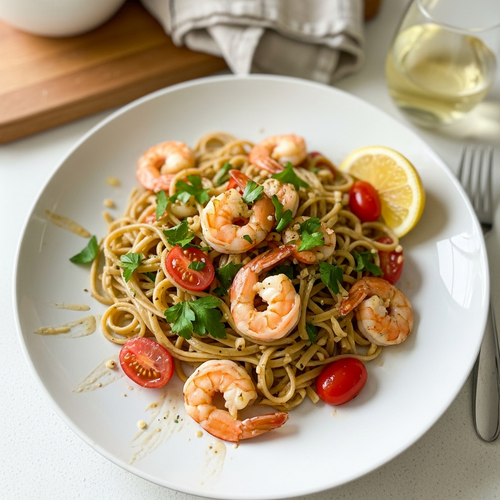
Description: A lightened-up, protein-packed version of the classic Italian-American dish, designed for fat loss and an ADHD-friendly lifestyle. Quick, flavorful, and incredibly satisfying.
Prep Time: 5 minutes | Cook Time: 10 minutes
Servings: 4
Macros per Serving | Calories: 415 | Protein: 50g | Fat: 11g | Carbohydrates: 30g
Ingredients
- 1.5 lbs large shrimp, peeled and deveined
- 1/2 tsp salt, divided
- 1/4 tsp black pepper
- 2 tbsp olive oil, divided
- 1 tbsp unsalted butter
- 4 cloves garlic, minced
- 1/2 cup dry white wine
- 1/2 cup low-sodium chicken broth
- Juice and zest of 1 lemon
- 1/4 tsp red pepper flakes
- 8 oz high-protein pasta (chickpea or lentil)
- 1/2 cup chopped fresh parsley
Instructions
- Cook pasta according to package directions in salted water. Reserve 1 cup of pasta water before draining.
- While pasta cooks, pat shrimp dry and season with 1/4 tsp salt and pepper. Heat 1 tbsp olive oil in a large skillet over medium-high heat. Cook shrimp for 1-2 minutes per side until pink. Remove from skillet.
- Reduce heat to medium, add remaining 1 tbsp olive oil and butter. Add garlic and red pepper flakes and cook for 30-60 seconds until fragrant.
- Pour in white wine and lemon juice, scraping the bottom of the pan. Simmer for 2-3 minutes. Add chicken broth and simmer for 3-5 more minutes.
- Add drained pasta to the skillet, tossing to coat. Add reserved pasta water as needed to create a smooth sauce.
- Return shrimp to the pan along with parsley and lemon zest. Toss to combine and heat through. Serve immediately.
Notes
Use frozen, peeled, and deveined shrimp and jarred minced garlic to save on prep time. This recipe works great over zucchini noodles or roasted broccoli for a lower-carb option.
FAQs About Shrimp Scampi For Weight Loss
Here are some straightforward answers to the most common questions I receive about this shrimp scampi recipe.
Is shrimp scampi actually healthy for weight loss?
Yes, this version of shrimp scampi is absolutely designed to be healthy for weight loss. Traditional restaurant scampi is often a calorie trap due to huge amounts of butter, oil, and refined pasta. Our recipe flips the script by making strategic, macro-friendly choices without sacrificing flavor.
We prioritize lean protein from the shrimp, which is essential for muscle retention and satiety. We use high-protein, high-fiber pasta to provide steady energy and keep you feeling full for hours. The sauce gets its incredible flavor from garlic, lemon, and wine, not from half a stick of butter. By focusing on these nutrient-dense components, we create a delicious meal that fits easily into a calorie deficit, making your weight loss journey feel enjoyable rather than restrictive.
Can I make this shrimp scampi recipe without wine?
You definitely can. While a dry white wine like Pinot Grigio adds a classic layer of acidic complexity to the sauce, it is by no means essential. If you prefer not to cook with alcohol or simply don’t have any on hand, there’s an easy and effective substitution.
Simply replace the half-cup of white wine with an equal amount of low-sodium chicken or vegetable broth. To replicate the acidity the wine provides, add an extra tablespoon of fresh lemon juice along with the broth. This combination will give you a bright, flavorful sauce that beautifully complements the garlic and shrimp. Avoid “cooking wine” from the grocery store aisle, as it’s typically loaded with sodium and additives that can negatively impact the flavor.
What is the best kind of shrimp to use for shrimp scampi?
For the best combination of flavor, texture, and convenience, I recommend using large (21-25 shrimp per pound) or jumbo (16-20 per pound) raw shrimp. The larger size makes them harder to overcook, ensuring they stay plump and juicy. It’s crucial to use raw shrimp, as pre-cooked shrimp will inevitably become tough and rubbery when heated a second time in the sauce.
To make this recipe as ADHD-friendly as possible, I always buy frozen raw shrimp that has already been peeled and deveined. This is a massive time-saver and removes a significant prep hurdle. You can quickly thaw them by placing them in a colander and running cold water over them for a few minutes. This simple shortcut means you’re just minutes away from starting the actual cooking process.
How do I prevent my shrimp from becoming rubbery in shrimp scampi?
This is the number one fear when cooking shrimp, and the solution is simple: do not overcook them. Shrimp cook incredibly fast, often in just a few minutes. The key is to sear them quickly over medium-high heat for about 1-2 minutes per side, just until they turn pink and curl into a “C” shape. An overcooked shrimp curls into a tight “O” and becomes tough.
The most important technique in this recipe is to remove the shrimp from the pan as soon as they are cooked and set them aside. You then build the entire sauce in the same pan. The shrimp only return to the skillet at the very end, with the heat turned off, just to be tossed with the pasta and sauce to warm through. This method guarantees your shrimp will be perfectly tender and succulent every time.
What can I serve with shrimp scampi to make it a more complete meal?
Our version of shrimp scampi, with its high-protein pasta and the option to add spinach or tomatoes, is already a well-balanced meal. However, if you want to increase the vegetable volume and add more micronutrients, there are several excellent options that pair beautifully with the flavors of the dish.
A simple side salad with a light lemon vinaigrette is a fantastic choice to add freshness and crunch. For a more substantial vegetable pairing, roasted or steamed asparagus or broccoli are perfect. The slight bitterness of these green vegetables cuts through the richness of the garlic sauce wonderfully. Serving the shrimp and sauce over a bed of sautéed zucchini noodles or spaghetti squash is also a great way to create a larger, more filling portion for fewer calories and carbs.
Try These High-Protein Recipes Next
If you loved the simple, macro-friendly approach of this shrimp scampi, here are a few other recipes from our collection that you should try next.
-
High-Protein Chicken Alfredo – We gave another classic pasta dish a complete fitness-focused makeover. It’s creamy, satisfying, and packed with protein to support your goals.
-
15-Minute Lemon Garlic Salmon – For those nights you need a healthy meal on the table fast, this salmon recipe uses similar bright, zesty flavors and is an absolute game-changer for weeknight cooking.
-
Classic Shrimp Scampi with Lemon and Garlic – To see a more traditional take on this dish, check out this great recipe. It’s helpful to see where the inspiration came from!
Each of these recipes follows the same principles: high protein, big flavor, and simple steps designed to work for you, not against you.