
Peach cobbler has always been one of those nostalgic, feel-good desserts for me. I remember summer cookouts where a warm, bubbly dish of it would show up, and it was game over. The sweet, jammy peaches and the soft, cakey topping were pure comfort. When I started my fat loss journey, desserts like this felt like they were completely off-limits. They were the enemy.
For the first year or so of losing weight, I just avoided them entirely. But that approach isn’t sustainable, especially for an ADHD brain that thrives on novelty and gets bored with restriction. The cravings for those comfort foods never really went away. They just got louder. I knew if I wanted to make this lifestyle last, I had to find a way to work with my brain, not constantly fight it.
That’s what led me to create this high-protein peach cobbler. I wanted to capture that same comforting flavor and texture without the sugar crash and calorie bomb that would derail my progress. It took a lot of trial and error, but this version is the one. It satisfies the craving, packs a serious protein punch to keep you full, and fits perfectly into a flexible eating plan. It’s proof that you don’t have to give up the foods you love to get the body you want.
Skip to My Flexibe Diet Recipe!
Why Peach Cobbler Is Great For Fat Loss
When you hear “peach cobbler,” fat loss is probably the last thing that comes to mind. Traditional recipes are loaded with sugar, butter, and refined flour. They can easily send your blood sugar on a rollercoaster, leading to more cravings and energy crashes. That’s a recipe for disaster when you’re trying to stay consistent with your diet.
This recipe flips the script entirely. We’re not just making a “less bad” version. We are building a dessert that actively supports your fitness goals. The biggest weapon here is protein. We use a whey/casein blend protein powder and non-fat Greek yogurt to dramatically increase the protein content. A single serving gives you a solid dose of protein, which is critical for muscle repair and, more importantly, for satiety.
Protein makes you feel fuller for longer. When you eat a satisfying, protein-rich dessert like this, you’re not just treating yourself. You are actively managing your hunger. This helps prevent the late-night pantry raids or the feeling that you need to eat a bunch of other snacks to feel satisfied. It turns a potential craving trigger into a tool for appetite control.
We also make smart swaps to cut down on empty calories. Instead of cups of sugar, we use a zero-calorie sweetener like erythritol or monk fruit. This gives you all the sweetness without the calories or the blood sugar spike. Using oat flour adds a bit of fiber, and light butter keeps the satisfying richness without going overboard on fat. This isn’t a cheat meal. It’s a strategic, planned indulgence that keeps you on track, happy, and moving toward your goals.
Ingredients You’ll Need for Peach Cobbler
Putting together this high-protein peach cobbler is straightforward, and the ingredients are easy to find. The key is how we combine them to maximize flavor and macros. There are no overly complicated or expensive items here, because simple is sustainable, especially on low-motivation days.
The star of the show, and the ingredient that truly transforms this recipe, is the vanilla whey/casein blend protein powder. Using a blend is crucial. Whey protein alone can sometimes make baked goods dry or rubbery. The casein in the blend helps retain moisture, giving the topping a much better, softer texture that’s closer to a traditional cobbler. It also digests more slowly, which enhances the feeling of fullness.
For the peaches, you have flexibility. Fresh, ripe peaches in the summer will give you the absolute best flavor. But let’s be brutally practical: frozen sliced peaches work wonderfully and are available year-round. They save you the prep work of peeling and slicing, which is a huge win for the ADHD brain. Just make sure you grab the unsweetened kind. The other ingredients are pantry staples for anyone who bakes with fitness in mind.
For the Peach Filling:
- 4 cups sliced fresh or frozen peaches
- 1 scoop vanilla whey/casein blend protein powder
- 1 tablespoon cornstarch or tapioca starch
- 1 tablespoon lemon juice
- 2 tablespoons zero-calorie sweetener (e.g., erythritol or monk fruit)
- 1/2 teaspoon cinnamon
For the Cobbler Topping:
- 1/2 cup oat flour (or all-purpose flour)
- 1/4 cup vanilla or unflavored whey/casein blend protein powder
- 1/4 cup zero-calorie sweetener (e.g., erythritol or monk fruit)
- 1 ½ teaspoons baking powder
- 1/4 teaspoon salt
- 1/4 cup non-fat plain Greek yogurt
- 1/4 cup unsweetened almond milk (or other low-calorie milk)
- 1 large egg
- 2 tablespoons light butter, melted
- 1/2 teaspoon vanilla extract
How To Make Peach Cobbler (Step-By-Step)
Making this peach cobbler is designed to be as simple as possible. We break it down into manageable steps to prevent feeling overwhelmed. Remember, the goal is a delicious, high-protein dessert, not a culinary masterpiece. Don’t stress about perfection.
Step 1: Preheat Oven and Prep Peaches
First things first, get that oven preheating to 375°F (190°C). Doing this first is a classic ADHD task-initiation hack. It creates a sense of urgency and gets the process moving. While it heats, grab a large bowl. Add your sliced peaches, whether they’re fresh or frozen. There’s no need to thaw the frozen ones; they’ll cook down perfectly in the oven.
Step 2: Mix the Peach Filling
To the bowl with the peaches, add one scoop of vanilla protein powder, the cornstarch, lemon juice, two tablespoons of sweetener, and the cinnamon. Gently toss everything together until the peaches are evenly coated. The cornstarch is key here; it will thicken the juices as the peaches bake, creating that signature syrupy filling instead of a watery mess. The protein powder adds a vanilla note and, of course, boosts the macros.
Step 3: Prepare the Baking Dish
Spread your coated peach mixture into a greased 8×8 inch baking dish. A glass or ceramic dish works best as it heats evenly. Make sure the peaches form a relatively level layer. This will help the topping bake evenly later on.
Step 4: Combine the Dry Topping Ingredients
In a separate medium bowl, it’s time to make the cobbler topping. Whisk together the oat flour, the remaining 1/4 cup of protein powder, 1/4 cup of sweetener, baking powder, and salt. Mixing the dry ingredients first ensures the baking powder is evenly distributed, which is what will give our topping its light, cakey lift.
Step 5: Combine the Wet Topping Ingredients
Now grab another small bowl. I know, more dishes, but it’s worth it for the texture. In this bowl, whisk together the Greek yogurt, almond milk, egg, melted light butter, and vanilla extract until smooth. The Greek yogurt adds protein and moisture, making the topping tender.
Step 6: Make the Topping Batter
Pour the wet mixture into the bowl of dry ingredients. Stir them together until they are just combined. The key phrase here is “just combined.” If you overmix, you’ll develop the gluten in the flour and end up with a tough, chewy topping instead of a soft, biscuit-like one. A few lumps are perfectly fine.
Step 7: Assemble the Cobbler
Using a spoon or a small cookie scoop, drop dollops of the batter over the peaches in the baking dish. Don’t worry about spreading it perfectly or covering every single peach. The gaps are what make it a cobbler. They allow the filling to bubble up and create that beautiful, rustic look.
Step 8: Bake to Perfection
Place the dish in your preheated oven and bake for 25-30 minutes. You’re looking for two signs that it’s done: the topping should be a beautiful golden brown, and you should see the peach filling bubbling up around the edges. The whole kitchen will smell amazing.
Step 9: Cool and Set
This might be the hardest step, but it’s important. Let the cobbler cool on a wire rack for at least 10 minutes before you dig in. This allows the filling to set up and thicken properly. If you serve it piping hot straight from the oven, the filling will be very runny. Patience here pays off.
How To Serve Peach Cobbler (ADHD-Friendly)
Serving this high-protein peach cobbler is where you can really make it feel like a decadent treat that fits your lifestyle. Because we’ve built it with great macros, you don’t have to feel guilty about adding a little something extra on top. It’s all about creating a satisfying experience that crushes cravings and keeps you from feeling deprived.
My go-to serving suggestion is a scoop of low-calorie vanilla ice cream, like Halo Top or Nick’s. The contrast of the warm, soft cobbler with the cold, creamy ice cream is classic for a reason. It feels incredibly indulgent, but you’re still keeping the overall calories and sugar in check. If you want to boost the protein even more, a big dollop of plain or vanilla Greek yogurt is another fantastic option. It adds a tangy creaminess that cuts through the sweetness of the peaches.
Here are a few ADHD-friendly tips for serving and incorporating this into your routine:
- Pre-Portion for Easy Access. Once the cobbler has cooled, divide it into individual servings in airtight containers. This is a game-changer. When a craving hits, you can grab one pre-portioned serving instead of facing the entire pan, which can lead to mindless overeating. It removes decision fatigue.
- Schedule Your Treat. Plan when you’re going to eat it. For me, a serving of this peach cobbler is a perfect post-dinner dessert. Knowing I have it to look forward to helps me stick to my planned meals throughout the day. It prevents that “what am I going to do about this sweet craving?” spiral.
- Pair It with Protein. Even though the cobbler itself has protein, if you’re eating it as a substantial snack, consider having it after a protein-focused meal. This ensures your blood sugar stays stable and you remain full and satisfied for hours.
By thinking about how you serve it, you turn this peach cobbler from a simple dessert into a strategic tool for your fitness journey. It’s about making your food work for you, not the other way around.
How To Store, Reheat, and Reuse Peach Cobbler
One of the best things about this peach cobbler recipe is that it’s fantastic for meal prep. Making a batch at the beginning of the week means you have a healthy, delicious dessert ready to go whenever a craving strikes. Storing it properly ensures it stays fresh and tasty, making it an easy grab-and-go option for busy days.
Proper storage is simple. Once the cobbler has cooled completely to room temperature, you can either cover the entire baking dish tightly with plastic wrap or aluminum foil, or you can portion it out into individual airtight containers. The individual container method is my preference, as it’s an ADHD-friendly system that removes barriers to making a good choice later.
Here’s how to handle storing, reheating, and even reusing it:
- Refrigerating: The cobbler will keep well in the refrigerator for up to 4 days. The topping will soften a bit over time, but the flavor will still be excellent. Storing it in airtight containers helps maintain the best possible texture.
- Freezing: This peach cobbler freezes surprisingly well. For best results, freeze it in individual portions. Wrap each portion tightly in plastic wrap, then place them in a freezer-safe bag or container. It will last for up to 3 months in the freezer. This is a great way to prevent food boredom by saving some for later.
- Reheating: To reheat from the fridge, you can simply microwave a serving for 30-60 seconds until warm. If you want to bring back some of the crispness to the topping, I highly recommend using an air fryer or toaster oven at around 350°F (175°C) for a few minutes. From frozen, you can either let it thaw in the fridge overnight or microwave it at a lower power setting for a few minutes until heated through.
Don’t be afraid to get creative with leftovers. A scoop of cold cobbler can be a great topping for a bowl of Greek yogurt in the morning. It feels like a special breakfast treat, but it’s packed with protein and fiber to start your day off right.
Easy Swaps & Variations for Peach Cobbler
This peach cobbler recipe is designed to be a flexible template. The best diet is one you can stick to, and that means having options. Maybe you don’t have oat flour on hand, or you want to try a different fruit. These swaps and variations are here to help you adapt the recipe to what you have, what you like, and your specific dietary needs. This is all about working with your life, not creating rigid rules.
The most common swap is the fruit. While this is a peach cobbler, the base and topping work beautifully with other fruits. A mix of berries like blueberries, raspberries, and blackberries is a fantastic, lower-carb option. In the fall, sliced apples with a little extra cinnamon would be perfect. Just be mindful that different fruits release different amounts of water, so you may need to adjust the cornstarch slightly.
Here are some other easy swaps you can make:
- Flour Variations: If you don’t have oat flour, you can easily use all-purpose flour or whole wheat flour in a 1:1 ratio. For a gluten-free version, use a certified gluten-free all-purpose blend that contains xanthan gum. Almond flour can also work, but it will create a denser, more crumbly topping.
- Protein Powder Flavors: While vanilla is a classic choice, feel free to experiment. A cinnamon-flavored protein powder would be incredible here. Even an unflavored or “plain” protein powder will work; just add an extra teaspoon of vanilla extract to the topping batter for more flavor.
- Dairy-Free and Vegan Options: To make this cobbler dairy-free, use a plant-based protein powder, a dairy-free yogurt alternative (like coconut or almond yogurt), plant-based milk, and a vegan butter substitute. Note that plant-based protein powders can absorb more liquid, so you might need to add an extra splash of milk to get the right batter consistency.
- Spice It Up: Don’t be afraid to add other warm spices to the filling. A pinch of nutmeg, a dash of cardamom, or a little ground ginger can add a wonderful layer of complexity to the flavor profile of your peach cobbler.
Remember, the goal is consistency, not perfection. Use what you have, make it your own, and enjoy the process. A recipe that you can easily adapt is a recipe you’ll actually use.
High-Protein Peach Cobbler
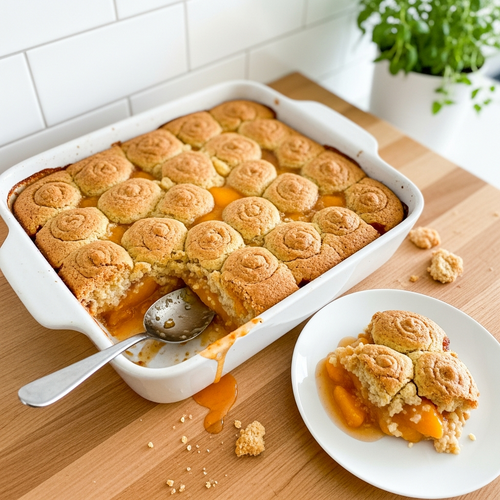
Description: A warm, comforting peach cobbler made with a high-protein, low-sugar recipe to satisfy cravings and support fat loss goals. Perfect for a healthy dessert or snack.
Prep Time: 10 minutes | Cook Time: 30 minutes
Servings: 6
Macros per Serving | Calories: 215 | Protein: 15g | Fat: 6g | Carbohydrates: 25g
Ingredients
- For the Peach Filling:
- 4 cups sliced fresh or frozen peaches
- 1 scoop vanilla whey/casein blend protein powder
- 1 tablespoon cornstarch or tapioca starch
- 1 tablespoon lemon juice
- 2 tablespoons zero-calorie sweetener (e.g., erythritol or monk fruit)
- 1/2 teaspoon cinnamon
- For the Cobbler Topping:
- 1/2 cup oat flour (or all-purpose flour)
- 1/4 cup vanilla or unflavored whey/casein blend protein powder
- 1/4 cup zero-calorie sweetener (e.g., erythritol or monk fruit)
- 1 ½ teaspoons baking powder
- 1/4 teaspoon salt
- 1/4 cup non-fat plain Greek yogurt
- 1/4 cup unsweetened almond milk (or other low-calorie milk)
- 1 large egg
- 2 tablespoons light butter, melted
- 1/2 teaspoon vanilla extract
Instructions
- Preheat oven to 375°F (190°C) and grease an 8×8 inch baking dish.
- In a large bowl, toss peaches with protein powder, cornstarch, lemon juice, sweetener, and cinnamon. Spread into the prepared dish.
- In a medium bowl, whisk together the oat flour, protein powder, sweetener, baking powder, and salt.
- In a small bowl, whisk the Greek yogurt, almond milk, egg, melted butter, and vanilla extract.
- Pour the wet ingredients into the dry and stir until just combined. Do not overmix.
- Spoon dollops of the batter over the peach mixture.
- Bake for 25-30 minutes, until the topping is golden and the filling is bubbly.
- Let cool for at least 10 minutes before serving.
Notes
Using a whey/casein blend protein powder provides the best texture for the topping. If using 100% whey, the topping may be slightly drier. Frozen peaches work perfectly; no need to thaw them first.
FAQs About Peach Cobbler For Weight Loss
Here are some straightforward answers to the most common questions I receive about this peach cobbler recipe.
Can I make this peach cobbler gluten-free?
Absolutely. Making this peach cobbler gluten-free is a very simple swap. The original recipe calls for oat flour, which is naturally gluten-free. However, the most important thing to be aware of is cross-contamination during processing. If you have celiac disease or a severe gluten sensitivity, you must make sure you buy oat flour that is explicitly labeled “certified gluten-free.”
If you don’t have certified gluten-free oat flour, your next best option is a good quality gluten-free all-purpose baking blend. Look for one that contains xanthan gum, as this will help provide the structure and texture that gluten normally would. You can typically substitute it in a 1:1 ratio for the oat flour in the recipe. The texture of the topping might be slightly different depending on the blend you use, but it will still be delicious. I have found these blends work very well and create a tender, satisfying topping for the peach cobbler.
Why is my protein peach cobbler dry?
A dry peach cobbler is a common issue when baking with protein powder, but it’s usually easy to fix. The number one culprit is the type of protein powder you’re using. If you use 100% whey isolate, it tends to absorb a lot of moisture and can make baked goods come out dry and rubbery. This is why I strongly recommend a whey/casein blend. Casein protein is much better at retaining moisture and results in a softer, more tender crumb that is much closer to a traditional cobbler topping.
Another potential reason is over-baking. Ovens can vary, so keep a close eye on your cobbler. As soon as the topping is golden brown and the filling is bubbly, it’s ready. Baking it for even five minutes too long can dry it out. Finally, make sure you are measuring your flour and protein powder correctly. I recommend using a food scale for accuracy, but if you’re using measuring cups, use the “spoon and level” method. Don’t pack the flour into the cup. This can lead to using too much flour, which will definitely result in a dry final product.
Can I use canned peaches for this peach cobbler recipe?
Yes, you can definitely use canned peaches, which makes this recipe even more convenient and accessible year-round. It’s a great pantry-friendly option. However, there are a couple of important things to look for when you’re buying them. First and foremost, make sure you choose peaches that are packed in their own juice or water, not heavy syrup. The syrup-packed versions contain a huge amount of added sugar, which would defeat the purpose of our low-sugar recipe.
When you use canned peaches, you need to drain them very thoroughly before adding them to the filling mixture. Canned fruit holds a lot more liquid than fresh or frozen, and if you don’t drain it well, you’ll end up with a very watery peach cobbler filling. Simply pour the can into a colander and let it sit for a few minutes to get rid of the excess juice. After that, you can proceed with the recipe exactly as written. The flavor will be great and it’s a perfect shortcut.
How can I increase the protein in this peach cobbler?
This recipe is already high in protein, but if you want to boost it even more, there are several easy ways to do so. The simplest method is to adjust your serving strategy. Serve the peach cobbler with a large scoop of high-protein Greek yogurt. Some brands pack over 20 grams of protein per serving, which would give your dessert a massive protein punch. You could also serve it with a scoop of high-protein, low-calorie ice cream.
Within the recipe itself, you could try to add a little more protein powder, but be careful. Adding too much more to the topping can negatively affect the texture and make it dry. A safer way is to choose a higher-protein milk, like ultra-filtered dairy milk (such as Fairlife), which has more protein than almond milk. You could also blend some unflavored collagen peptides into the wet ingredients for the topping. Collagen dissolves easily and won’t change the texture, adding an extra protein boost without you even noticing it’s there.
Is this peach cobbler suitable for meal prep?
This peach cobbler is an excellent recipe for meal prep. In fact, that’s one of the main ways I use it. Having healthy, satisfying treats prepped and ready to go is a crucial strategy for staying on track, especially with ADHD. It eliminates decision-making when you’re tired or a craving hits, making it much easier to stick to your plan. The best way to meal prep it is to bake the entire cobbler as directed and let it cool completely.
Once it’s cool, I highly recommend dividing it into individual portions in airtight containers. For me, this recipe makes six generous servings. By portioning it out immediately, you set yourself up for success. You know exactly what the macros are for each serving, and you can just grab one from the fridge when you’re ready. It prevents the temptation to just take “one more little scoop” from the pan. The individual portions will last perfectly in the fridge for up to four days or in the freezer for several months.
Try These High-Protein Recipes Next
If you enjoyed this flexible and delicious high-protein peach cobbler, here are a few other recipes you should try next.
- High-Protein Apple Pie: A macro-friendly take on another classic comfort dessert, perfect for the fall or any time you’re craving that warm apple-cinnamon flavor.
- Easy High-Protein Pumpkin Pie: This recipe is a must-have for the holidays, delivering all the creamy, spiced flavor of traditional pumpkin pie with a huge protein boost.
- Best Ever Fresh Peach Buckle: For a more traditional take on a peachy dessert when you’re planning a treat, this recipe from This Gal Cooks is a fantastic, crowd-pleasing option.
These recipes all follow the same principle of making delicious food that supports your fitness goals.