
For most of my life, pumpkin pie was a once-a-year thing. It was that dessert you only saw at Thanksgiving, usually loaded with sugar and served with a giant scoop of whipped cream from a can. It was delicious, but it always felt like an indulgence that would derail any progress I was trying to make.
When I started my fitness journey and lost 65 pounds, I had to rethink food entirely. I learned that food is 75 percent of the battle. But with my ADHD brain, strict, boring diets were a recipe for failure. I needed food that was exciting, satisfying, and easy to make. That’s when I decided to tackle the classics, and this high-protein pumpkin pie was born.
I needed a version that I could eat without feeling guilty. A slice that would crush my sweet cravings while actually helping me hit my protein goals. This recipe is the result of that mission. It’s a game-changer for anyone who loves dessert but also wants to stay on track with their fat loss goals.
It’s creamy, perfectly spiced, and tastes like the real deal, but it’s built to work with your body, not against it. It’s the kind of sustainable, flexible eating that has helped me and hundreds of my clients finally achieve our goals.
Skip to My Flexibe Diet Recipe!
Why Pumpkin Pie Is Great For Fat Loss
Let’s be direct. Traditional pumpkin pie is a sugar bomb. It’s delicious, but the combination of a buttery crust and a filling loaded with sugar can send your blood sugar on a rollercoaster, leading to energy crashes and more cravings. That’s the exact opposite of what we want when we’re focused on fat loss.
This recipe flips the script completely. We built this pumpkin pie around our core principles. Protein first, hunger management second, and convenience third. Each slice is packed with protein, which is the most important macronutrient for changing your body composition. Protein keeps you feeling full and satisfied for hours, which is a massive win for managing ADHD-driven impulse eating.
By using Greek yogurt and whey protein, we’re not just adding protein. We are creating a creamy, rich texture that mimics the classic dessert. The crust uses oat flour and protein powder instead of refined white flour and butter, giving you more fiber and sustained energy. We also swap out the sugar for a zero-calorie sweetener, which cuts down on calories without sacrificing that sweet taste we crave.
This isn’t about restriction. It’s about smart substitution. You get to enjoy a genuinely satisfying dessert that actively supports your goals. This approach is key for the ADHD brain. When you don’t feel deprived, you’re less likely to fall into the all-or-nothing trap that leads to bingeing. This pie is proof that you can have comfort food and still make incredible progress.
Ingredients You’ll Need for Pumpkin Pie
Building a high-protein pumpkin pie that actually tastes good comes down to a few smart ingredient choices. We’re not using anything weird or hard to find. Most of these items are probably in your pantry already or are just a quick grocery run away. The goal is simplicity and effectiveness, which is perfect for low-motivation days.
The real magic happens with a few key players. Whey protein powder is the star, turning both the crust and the filling into a protein powerhouse. Non-fat Greek yogurt adds creaminess and another protein boost to the filling, while pumpkin puree provides that classic flavor and a good dose of fiber and vitamins. These ingredients work together to create a dessert that satisfies your sweet tooth and your macros.
One critical note: make sure you grab pumpkin puree, not pumpkin pie filling. The filling is pre-sweetened and pre-spiced, which means it’s full of sugar we don’t want. Using pure pumpkin puree gives us total control over the sweetness and flavor. Here’s exactly what you’ll need.
For the High-Protein Crust:
- 1 cup oat flour
- 1/2 cup vanilla or unflavored whey protein powder
- 1/4 cup almond flour
- 2 tablespoons zero-calorie sweetener (e.g., erythritol or stevia blend)
- 1/4 teaspoon salt
- 1/4 cup unsweetened almond milk
- 2 tablespoons light butter or margarine, melted
- 1 teaspoon vanilla extract
For the High-Protein Pumpkin Filling:
- 1 (15-ounce) can pumpkin puree (not pumpkin pie filling)
- 3/4 cup non-fat plain Greek yogurt
- 1/2 cup liquid egg whites
- 2 scoops vanilla or unflavored whey protein powder
- 1/2 cup zero-calorie sweetener (e.g., erythritol or stevia blend)
- 1 teaspoon pumpkin pie spice
- 1/2 teaspoon cinnamon
- 1/4 teaspoon ground ginger
- 1/8 teaspoon ground nutmeg
- 1/8 teaspoon ground cloves
- 1/2 teaspoon vanilla extract
- Pinch of salt
How To Make Pumpkin Pie (Step-By-Step)
Making this high-protein pumpkin pie is way easier than you might think. We’ve broken it down into simple, scannable steps that are perfect for when your executive function is low but your craving for something delicious is high. There are two main parts: making the crust and then mixing the filling. No complicated techniques, I promise.
Step 1: Preheat Your Oven and Mix the Crust Dry Ingredients
First things first, get your oven preheating to 350°F (175°C). Doing this first is a great ADHD hack. It gives you a clear starting point and a sense of momentum. While it heats, grab a medium bowl and whisk together your dry crust ingredients: the oat flour, protein powder, almond flour, sweetener, and salt. Make sure they’re well combined so you don’t get clumps of protein powder.
Step 2: Add Wet Ingredients and Form the Crust
In a separate small bowl, mix your wet ingredients for the crust: the unsweetened almond milk, melted light butter, and vanilla extract. Pour this wet mixture into the dry ingredients. Stir it all together until a dough starts to form. It will be a bit crumbly at first, but it will come together. Don’t overmix it. Then, press the dough evenly into the bottom and up the sides of a 9-inch pie plate. Use your fingers or the back of a spoon. It doesn’t have to be perfect.
Step 3: Pre-Bake the Crust
Pop the crust into your preheated oven and bake it for 10 to 12 minutes. You’re looking for it to be lightly golden and firm to the touch. This step, called blind baking, is crucial for preventing a soggy bottom. Once it’s done, take it out and set it aside to cool down a bit while you make the filling.
Step 4: Mix the Filling
Now for the easy part. In a large bowl, whisk the pumpkin puree, Greek yogurt, and liquid egg whites until everything is completely smooth. Then, add in all your remaining filling ingredients: the protein powder, sweetener, all the spices, vanilla, and salt. Whisk again until it’s super smooth and there are no lumps of protein powder. Take a second to scrape down the sides of the bowl to make sure everything is incorporated.
Step 5: Assemble and Bake the Pie
Pour the pumpkin filling into your pre-baked crust. Smooth the top with a spatula. Bake for 50 to 60 minutes. You’ll know it’s done when the center is just set. It should still have a very slight jiggle, but a knife inserted near the center should come out mostly clean. Don’t overbake it, or it can crack.
Step 6: Cool and Chill
This might be the hardest step for an ADHD brain that wants instant gratification, but it’s important. Let the pie cool completely on a wire rack. Then, for the best texture and flavor, cover it and let it chill in the refrigerator for at least four hours, or even better, overnight. This allows the filling to set up perfectly. Patience pays off here!
How To Serve Pumpkin Pie (ADHD-Friendly)
Once your beautiful high-protein pumpkin pie has chilled and set, it’s ready to enjoy. The best part about this recipe is how seamlessly it fits into a flexible, fat-loss-focused lifestyle. There’s no need to treat this like a forbidden “cheat” food. It’s just food. Delicious food that also happens to align with your goals.
For an ADHD-friendly approach, I recommend pre-slicing the entire pie right after it has chilled. Cut it into eight even slices. This immediately removes any guesswork or decision fatigue later on. When you want a slice, you can just grab one. You already know the macros, and you don’t have to worry about accidentally cutting a giant piece when you’re feeling hungry and impulsive.
Here are a few ways to serve it that keep things simple and delicious:
- With a Dollop of Greek Yogurt: A spoonful of plain or vanilla non-fat Greek yogurt on top adds extra protein and a nice creamy, tangy contrast.
- A Sprinkle of Cinnamon: Sometimes the simplest things are the best. A light dusting of cinnamon on top looks great and enhances the warm spice flavors.
- Light Whipped Topping: If you really want that classic pie experience, a small amount of light or sugar-free whipped topping from a can or tub is a great low-calorie option.
- As a Post-Workout Treat: The combination of protein and carbs makes this an excellent way to refuel after a tough workout. It feels like a reward but it’s actually helping your muscles recover.
You can enjoy a slice as a dessert after dinner, as a satisfying afternoon snack to combat cravings, or even as part of your breakfast. Pairing it with a cup of coffee or tea makes it feel like a real treat. The key is to plan it into your day. When it’s an intentional part of your plan, there’s zero guilt involved. It’s just fuel.
How To Store, Reheat, and Reuse Pumpkin Pie
One of the best things about this recipe is that it’s fantastic for meal prep. Having a healthy, high-protein dessert ready to go in the fridge is a secret weapon against decision fatigue and impulse snacking. Proper storage is key to keeping your pumpkin pie fresh and delicious for days.
Because the filling is made with Greek yogurt and egg whites, this pie must be stored in the refrigerator. After it has cooled completely, cover the pie plate tightly with plastic wrap or aluminum foil. If you’ve pre-sliced it, you can also transfer the individual slices into airtight containers. This is my preferred method. It makes grabbing a single serving incredibly easy and helps with portion control.
Here’s how to handle storing and reusing your pie:
- Refrigerating: The pie will stay fresh and delicious in the fridge for up to 5 days. The flavor actually gets even better after a day or two as the spices meld together.
- Freezing: Yes, you can freeze it! This is a great ADHD-friendly trick. If you know you won’t eat it all in a few days, freeze individual slices. Place them on a baking sheet to freeze solid, then wrap each slice in plastic wrap and store them in a freezer-safe bag or container. They’ll last for up to 3 months.
- Reheating (or Not): Honestly, this pie is best served chilled, straight from the fridge. There’s no need to reheat it. If you’re taking a slice from the freezer, let it thaw in the refrigerator for a few hours or on the counter for about 30-60 minutes.
- Reusing Leftovers: If you have a slice or two left and want to switch things up, try crumbling it over a bowl of Greek yogurt or cottage cheese for a high-protein breakfast parfait. It adds amazing flavor and texture.
By prepping and storing your pie this way, you make it easy on your future self. When a craving hits, you have a perfect, goal-friendly option waiting for you. No cooking, no thinking, just deliciousness.
Easy Swaps & Variations for Pumpkin Pie
The best recipes are the ones you can adapt to what you have on hand or what fits your specific needs. This high-protein pumpkin pie is incredibly flexible. Don’t let a missing ingredient stop you from making it. The goal is consistency, not perfection, so let’s talk about some simple swaps and variations you can try.
These adjustments can help if you have dietary restrictions, need to use up something in your pantry, or just want to experiment with different flavors. Remember, cooking should be low-stress. Use these ideas as a starting point and feel free to get creative. The core of the recipe is forgiving enough to handle a few changes.
Here are some of the easiest and most effective swaps:
- Protein Powder: While whey protein works great for texture, you can experiment with a casein or a whey-casein blend. Casein will make the filling even thicker and more custard-like. If you need a dairy-free option, a high-quality plant-based protein powder (like a pea and rice blend) can work, but you may need to add a little extra almond milk as they can be more absorbent.
- Flours: If you don’t have oat flour, you can make your own by simply blending rolled oats in a high-speed blender until fine. You can also swap the almond flour for more oat flour if you have a nut allergy, though the crust texture will be a bit denser.
- Sweeteners: Any granulated zero-calorie sweetener will work here. Monk fruit, pure erythritol, or a blend all work well. If you prefer to use a liquid sweetener like stevia drops, you’ll need to adjust the amount accordingly and may need to slightly reduce the almond milk in the crust.
- Spices: Don’t have pumpkin pie spice? No problem. You can make your own blend with cinnamon, nutmeg, ginger, and cloves. Feel free to adjust the spice levels to your preference. If you love cinnamon, add a little extra!
- Crustless Pie: For an even lower-calorie and lower-carb option, you can skip the crust entirely. Just grease your pie plate well and pour the filling directly in. You’ll need to reduce the baking time by about 10-15 minutes, so keep an eye on it.
Making small tweaks like these can help you make the recipe your own and ensure you can whip it up whenever the craving strikes, without a last-minute trip to the store derailing your plans.
High-Protein Pumpkin Pie
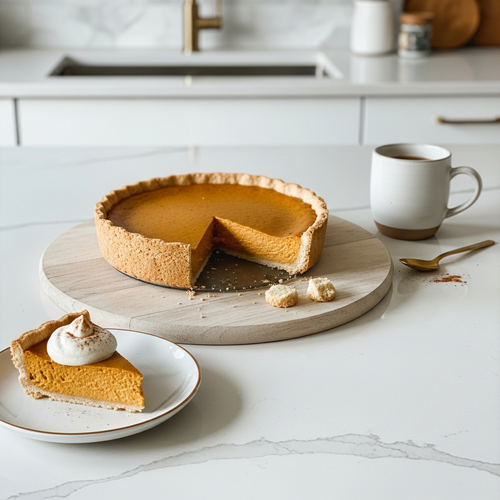
Description: A creamy, delicious, and macro-friendly pumpkin pie that crushes cravings without derailing your fat loss goals. Packed with protein, it’s the perfect guilt-free dessert for a sustainable lifestyle.
Prep Time: 15 minutes | Cook Time: 60 minutes
Servings: 8 slices
Macros per Serving | Calories: 170 | Protein: 18g | Fat: 4g | Carbohydrates: 15g
Ingredients
- For the Crust: 1 cup oat flour, 1/2 cup vanilla whey protein, 1/4 cup almond flour, 2 tbsp zero-calorie sweetener, 1/4 tsp salt, 1/4 cup unsweetened almond milk, 2 tbsp melted light butter, 1 tsp vanilla extract.
- For the Filling: 1 (15-ounce) can pumpkin puree, 3/4 cup non-fat plain Greek yogurt, 1/2 cup liquid egg whites, 2 scoops vanilla whey protein, 1/2 cup zero-calorie sweetener, 1 tsp pumpkin pie spice, 1/2 tsp cinnamon, and pinches of ginger, nutmeg, cloves, and salt, plus 1/2 tsp vanilla extract.
Instructions
- Preheat oven to 350°F (175°C).
- Mix dry crust ingredients. In a separate bowl, mix wet crust ingredients. Combine and press into a 9-inch pie plate.
- Bake crust for 10-12 minutes. Let cool slightly.
- In a large bowl, whisk all filling ingredients until smooth.
- Pour filling into the pre-baked crust.
- Bake for 50-60 minutes, until the center is just set.
- Cool completely, then refrigerate for at least 4 hours before serving.
Notes
For the best texture, chilling the pie overnight is highly recommended. Make sure to use pumpkin puree, not pumpkin pie filling. Store covered in the refrigerator for up to 5 days.
FAQs About Pumpkin Pie For Weight Loss
Here are some straightforward answers to the most common questions I receive about this pumpkin pie recipe.
Is this high-protein pumpkin pie actually good for you?
Yes, absolutely. When we say something is “good for you,” it’s all about context, and in the context of a fat loss or fitness-focused lifestyle, this pie is a fantastic tool. Unlike traditional pumpkin pie, which is primarily sugar and fat with very little nutritional benefit, this version is built with purpose. The high protein content is the biggest factor. Protein is essential for building and maintaining muscle, especially when you’re in a calorie deficit to lose fat. It also has the highest thermic effect of food, meaning your body burns more calories just digesting it.
Beyond protein, the ingredients offer other benefits. Pumpkin puree is rich in vitamins, minerals, and fiber, which aids in digestion and helps you feel full. We use oat flour, a whole grain that provides slow-release energy, instead of refined white flour. By swapping sugar for a zero-calorie sweetener, we dramatically reduce the calorie load and avoid the blood sugar spikes and crashes that can trigger more cravings. So, you’re getting a dessert that satisfies your sweet tooth while actively contributing to your protein goals and overall satiety, making it a powerful ally in your fitness journey.
Can I eat this pumpkin pie every day for fat loss?
You absolutely could, and that’s the beauty of flexible eating. The key to sustainable fat loss is consistency, and if having a slice of this pie every day helps you stay on track with your overall calorie and protein targets, then it’s a winning strategy. Food doesn’t have a moral value; it’s just fuel with different macronutrient profiles. A slice of this pie has a better macro profile than many so-called “health bars” on the market.
However, variety is also important for both micronutrients and for keeping boredom at bay, which is a major challenge for the ADHD brain. While you can eat this daily, I’d encourage you to think of it as one of many great high-protein options in your rotation. The important thing is that you have the freedom to include it whenever you want without feeling like you’re “cheating.” Planning it into your day, whether as a snack or dessert, empowers you to enjoy it guilt-free while still moving toward your goals.
What makes this pumpkin pie recipe better than a store-bought one?
The difference is night and day, and it comes down to ingredients and intention. A typical slice of store-bought or traditional pumpkin pie can have anywhere from 300 to 500 calories, with over 30 grams of sugar and very little protein, maybe 5 grams if you’re lucky. It’s designed for taste at the expense of everything else. It offers a quick hit of sugar and fat that can leave you feeling sluggish and craving more shortly after.
Our recipe is designed for both taste and performance. At around 170 calories and a massive 18 grams of protein per slice, it has a completely different impact on your body. The protein and fiber work together to keep you full and stabilize your energy levels. You have complete control over the ingredients, meaning no hidden trans fats, high-fructose corn syrup, or unnecessary preservatives. Making it yourself also helps you build a healthier relationship with food, seeing how simple swaps can transform a treat into a tool for your success.
Can I make this pumpkin pie without protein powder?
You can, but it will significantly change the recipe’s nutritional profile and texture, and it will no longer be a “high-protein” pie. The protein powder is a core structural and nutritional component in both the crust and the filling. In the crust, it replaces a good portion of the flour, and in the filling, it helps it set properly while adding a substantial protein boost.
If you were to omit it, you would need to make significant adjustments. For the crust, you’d need to replace the protein powder with more flour (like oat or all-purpose), which would increase the carbs and calories. For the filling, removing the protein powder would make it much looser. You might need to add a bit of cornstarch or an extra egg to help it set, and you would lose about 12-14 grams of protein per slice. If your goal is simply a lower-sugar pie, that could work. But if you’re following the ADHD FIT plan, the protein is the whole point, so I strongly recommend keeping it in.
Will this pumpkin pie recipe spike my blood sugar?
This recipe is specifically designed to be much gentler on blood sugar levels compared to traditional pie. The primary reason for blood sugar spikes is the rapid digestion of refined carbohydrates and sugars. We tackle this in several ways. First, we completely eliminate added sugar by using a zero-calorie sweetener that doesn’t impact blood glucose. Second, the crust is made from oat flour, a complex carbohydrate that digests more slowly than white flour.
Most importantly, the high protein and fiber content in each slice slows down the digestion of the carbohydrates that are present. When you consume carbs alongside protein, fat, and fiber, it blunts the glycemic response, leading to a more gradual and stable rise in blood sugar. This is a game-changer for energy levels and craving management. You avoid the sharp spike and subsequent crash, which helps you stay in control and feel better throughout the day. While individual responses can vary, this pie is an excellent choice for maintaining stable energy.
Try These High-Protein Recipes Next
If you loved this simple and delicious high-protein pumpkin pie, here are a few other recipes designed to crush cravings and keep you on track.
- High-Protein Apple Pie: All the warm, comforting flavor of classic apple pie, but with a macro-friendly twist that makes it perfect for any day of the week.
- The Best Protein Sugar Cookies: Soft, chewy, and easy to make, these sugar cookies are the ultimate guilt-free treat to satisfy your sweet tooth.
- Fast & Easy Pumpkin Pie Recipe: For when you want a more traditional take that is still quick and simple to whip up for any occasion.
Give them a try and see how easy it is to enjoy the foods you love while building a body you’re proud of.