
Red velvet cake used to feel like an enemy. During the first phase of my fitness journey, when I lost 65 pounds without meds, foods like that were on a “never eat” list. My ADHD brain loves all-or-nothing thinking, and for a long time, that meant a world of bland chicken and broccoli.
That approach worked for a while. It got the weight off. But it wasn’t sustainable. The cravings would build up until I’d inevitably “fall off the wagon,” eat an entire cake, and then spiral into a cycle of guilt and restriction. It was exhausting.
When I started ADHD FIT, I knew I had to build a system that worked with my brain, not against it. That meant no forbidden foods. It meant finding a way to enjoy the things I love, like a rich slice of red velvet cake, without sabotaging my hard-earned results. It meant creating a version that was packed with protein, managed my hunger, and actually tasted incredible.
This recipe is the result of that mission. It’s not a “cheat.” It’s a strategic, delicious tool that fits into a flexible, sustainable lifestyle. It proves you can have your cake, hit your protein goals, and build a body you feel great in, all at the same time.
Skip to My Flexibe Diet Recipe!
Why Red Velvet Cake Is Great For Fat Loss
I know what you’re thinking. “Fat loss” and “cake” in the same sentence sounds like a gimmick. But when you build a recipe with intention and the right ingredients, it becomes a powerful tool for consistency. And as we know, consistency is what gets results.
The magic isn’t in restriction; it’s in transformation. We’re not just making a low-calorie cake. We are fundamentally changing its nutritional profile to support your body composition goals. The star player is protein. By swapping most of the traditional flour for a whey-casein blend and using Greek yogurt, we’re packing each slice with protein. This is huge for fat loss.
Protein keeps you feeling full and satisfied for hours, which is our number one weapon against mindless snacking and intense cravings. It also has a higher thermic effect of food, meaning your body burns more calories just digesting it. Plus, it helps preserve lean muscle mass while you’re in a calorie deficit, ensuring the weight you lose is primarily fat.
We also slash the sugar by using a zero-calorie sweetener. This keeps the calorie count down and, just as importantly, prevents the blood sugar rollercoaster that often leads to energy crashes and more cravings. The applesauce and yogurt replace a ton of butter and oil, reducing the fat content while keeping the cake incredibly moist.
This approach allows you to enjoy a genuinely delicious **red velvet cake** without the guilt or the metabolic consequences of the original. It’s not a cheat meal; it’s a smart meal. Including planned, satisfying treats like this is the secret to avoiding the binge-restrict cycle that so many of us with ADHD know all too well. It makes fat loss feel less like a punishment and more like a lifestyle you can actually stick with long-term.
Ingredients You’ll Need for Red Velvet Cake
One of my core principles is simplicity. A recipe with a million steps and obscure ingredients is a recipe that someone with ADHD is never going to make. This ingredient list is straightforward, and most items are probably already in your fitness-focused pantry.
The most important ingredient here is the protein powder. I specify a whey-casein blend for a reason. Whey is fast-digesting and great for post-workout, but it can make baked goods dry and rubbery. Casein is slower-digesting and absorbs more water, which gives our **red velvet cake** a much better structure and a moist, tender crumb. If you only have whey isolate, it can work, but you may need to add a bit more yogurt or applesauce to compensate.
Our other powerhouse ingredient is non-fat plain Greek yogurt. It does double duty, providing a huge protein boost and replacing much of the oil you’d find in a traditional recipe. This keeps the cake incredibly moist without adding a ton of fat and calories. The slight tang also complements the classic red velvet flavor perfectly. For the frosting, softened reduced-fat cream cheese is key for that signature taste and smooth texture.
For the Red Velvet Cake:
- ⅔ cup (60g) chocolate or vanilla whey-casein blend protein powder
- ¼ cup (30g) coconut flour or oat flour
- 2 tbsp unsweetened cocoa powder
- 1 tsp baking powder
- ½ tsp baking soda
- ¼ tsp salt
- 1 cup (225g) non-fat plain Greek yogurt
- ½ cup (120g) unsweetened applesauce
- ½ cup (120ml) egg whites
- ¼ cup granulated zero-calorie sweetener (e.g., erythritol)
- 2 tbsp melted butter or coconut oil
- 1 tbsp red food coloring or 2-3 tbsp beetroot powder
- 2 tsp vanilla extract
- 1 tsp white vinegar
For the Protein Cream Cheese Frosting:
- 1 cup (225g) non-fat plain Greek yogurt
- 4 oz (113g) reduced-fat cream cheese, softened
- 2 scoops (60g) vanilla protein powder
- ⅓ cup powdered zero-calorie sweetener
- ½ tsp vanilla extract
How To Make Red Velvet Cake (Step-By-Step)
Before you start, here’s an ADHD tip that changed my life in the kitchen: “Mise en place.” It’s a fancy French term that just means “everything in its place.” Take 5-10 minutes to get out every single ingredient and piece of equipment and measure everything out. Put it all on your counter. This way, you won’t get halfway through and realize you’re out of yogurt, preventing a total project meltdown.
Step 1: Prep Your Oven and Pans
First things first, preheat your oven to 350°F (175°C). This is non-negotiable. An oven that isn’t fully heated will bake your cake unevenly. While it heats, prepare two 8-inch round cake pans. Grease them well and consider lining the bottoms with parchment paper. This is a game-changer for easily removing the cake layers without any sticking or breaking. Easy cleanup is a win.
Step 2: Combine the Dry Ingredients
In a medium bowl, add your protein powder, coconut or oat flour, cocoa powder, baking powder, baking soda, and salt. Use a whisk to combine them thoroughly. This step is more important than it seems. It ensures the leavening agents (baking powder and soda) are evenly distributed, which helps the cake rise properly and prevents any bitter, metallic spots.
Step 3: Combine the Wet Ingredients
In a separate, larger bowl, whisk together the Greek yogurt, unsweetened applesauce, egg whites, granulated sweetener, and melted butter or coconut oil. Once that’s smooth, mix in the red food coloring, vanilla extract, and white vinegar. The vinegar reacts with the baking soda to create a light, tender crumb, which is a classic part of any good **red velvet cake** recipe.
Step 4: Mix Wet and Dry
Now, pour the dry ingredients into the bowl with the wet ingredients. Mix everything together until it’s *just* combined. The biggest mistake in cake-making is overmixing. As soon as you stop seeing streaks of dry flour, stop. Overmixing develops the gluten and will result in a tough, dense cake instead of a light and fluffy one.
Step 5: Divide Batter and Bake
Carefully divide the batter evenly between your two prepared cake pans. You can eyeball it or use a kitchen scale for perfectly even layers. Spread the batter to the edges with a spatula. Bake for 20-25 minutes. You’ll know it’s done when a toothpick inserted into the center comes out clean. Protein cakes can dry out quickly, so start checking at the 20-minute mark.
Step 6: Cool Completely
This step requires patience, which can be tough for us. Let the cakes cool in the pans for about 10 minutes, then carefully turn them out onto a wire rack to cool completely. Do not, under any circumstances, try to frost a warm cake. Your frosting will melt into a goopy mess. Let it cool for at least an hour.
Step 7: Make the Frosting and Assemble
While the cake cools, make the frosting. In a medium bowl, use a hand mixer to beat the softened cream cheese and Greek yogurt until smooth. An ADHD tip: if you forgot to soften the cream cheese, unwrap it and microwave it for 15 seconds. Add the vanilla protein powder, powdered sweetener, and vanilla extract, and beat again until it’s creamy. Once the cake layers are totally cool, place one layer on a plate, spread about half the frosting on top, add the second layer, and frost the top and sides with the rest.
How To Serve Red Velvet Cake (ADHD-Friendly)
How we integrate food into our lives is just as important as the recipe itself. With ADHD, creating systems that reduce decision fatigue is crucial for long-term success. This high-protein **red velvet cake** isn’t just for birthdays; it’s a tool you can use weekly to stay on track and satisfied.
My number one ADHD-friendly tip for serving this cake is to pre-portion it immediately. Once the cake is frosted and set, slice the entire thing into its designated servings (this recipe makes about 12). Then, put each slice into its own small, airtight container. This does two things: it removes the guesswork and mental energy of deciding on a portion size later, and it leverages the “out of sight, out of mind” principle. Grabbing one container is a clear, defined action, whereas facing a whole cake every time you open the fridge invites impulsive decisions.
Incorporating it into your day should also be intentional. Here are a few ways I like to do it:
- As a Planned Dessert: Enjoy a slice after a balanced, high-protein dinner. When you eat it on a full stomach, you’re more likely to feel satisfied with one serving and truly savor it as a treat.
- A Smart Snack: The combination of protein and carbs makes this an excellent post-workout snack to help with muscle recovery. It can also be a great afternoon pick-me-up to fight that 3 PM slump without reaching for pure sugar.
- The “Treat” Component: I often plan a slice of this cake as my daily “flexible” item. Knowing I have something genuinely delicious to look forward to makes it so much easier to stick to my nutrition plan for the rest of the day.
Serve it with a side of fresh raspberries or strawberries for some added fiber and micronutrients, or simply with a hot cup of coffee or tea. The goal is to make it a mindful, enjoyable part of your routine, not a chaotic, guilt-ridden event. This is how we build a sustainable relationship with food.
How To Store, Reheat, and Reuse Red Velvet Cake
Meal prep isn’t just for chicken and rice. Prepping your treats is one of the best ways to ensure you have smart, goal-friendly options ready to go when cravings strike. Proper storage is key to making this **red velvet cake** last and fit into a busy, often chaotic, lifestyle.
Because of the Greek yogurt and cream cheese in both the cake and the frosting, this cake must be kept in the refrigerator. After you’ve pre-portioned the slices into individual airtight containers, they will stay fresh and delicious in the fridge for up to five days. This is perfect for making on a Sunday and having a satisfying dessert or snack planned for most of the week.
For longer-term storage, the freezer is your best friend. This is my favorite ADHD hack for preventing food waste and ensuring I’m never caught without a healthy treat. Here’s how to do it right:
- Slice First: Always slice the cake before freezing. Trying to cut a frozen cake is nearly impossible.
- Wrap Individually: Wrap each slice tightly in plastic wrap, then a layer of aluminum foil. This double layer prevents freezer burn and keeps the cake tasting fresh.
- Containerize: For extra protection and organization, you can place the wrapped slices into a large freezer-safe bag or container. They will last for up to three months in the freezer.
When you’re ready to eat a slice, you can thaw it in the fridge overnight or just leave it on the counter for about an hour. It’s delicious served slightly chilled. I don’t recommend microwaving it, as it can make the texture of protein cakes a bit rubbery, but if you’re in a pinch, use 15-second intervals. If you happen to have a slice that gets a little crumbly or dry, don’t throw it away! Crumble it over a bowl of Greek yogurt and berries to create a delicious, high-protein parfait.
Easy Swaps & Variations for Red Velvet Cake
The best recipes are the ones you can adapt to what you have on hand and what fits your personal preferences. At ADHD FIT, we value flexibility over perfection. This **red velvet cake** recipe is a fantastic template, and there are many ways to make it your own without derailing the nutritional benefits.
Don’t be afraid to experiment a little based on your pantry. The goal is to make healthy eating feel easy and accessible, not like a rigid set of rules you’re destined to break. If a small swap means the difference between making this cake and ordering a pizza, make the swap!
Here are some simple and effective substitutions you can try:
- Protein Powder: While a whey-casein blend is ideal for texture, you can use 100% whey isolate if that’s what you have. Just be prepared to add an extra tablespoon or two of Greek yogurt or a splash of almond milk, as whey isolate is more drying. Both chocolate and vanilla flavors work great.
- Flour: If you don’t have coconut or oat flour, you can use an equal amount of whole wheat pastry flour or all-purpose flour. The macros will shift slightly, but the recipe will still work well.
- Dairy-Free/Vegan: For a dairy-free version, use your favorite plant-based protein powder (a blend is still best), dairy-free Greek-style yogurt, and a dairy-free cream cheese alternative for the frosting. The results will be delicious.
- Make It Into Cupcakes: For automatic portion control, divide the batter into a lined 12-cup muffin tin. Bake for about 15-18 minutes, or until a toothpick comes out clean. This is a fantastic option for grab-and-go treats.
- Natural Food Coloring: If you’re avoiding artificial dyes, beetroot powder is an excellent alternative. Use 2-3 tablespoons in place of the food coloring. The color will be a more muted, natural red, and the cake may have a very subtle earthy note that most people don’t even notice.
Remember, the core of the recipe—high protein, low sugar—is what makes it so effective. As long as you maintain that foundation, feel free to play around with the details to make it perfect for you.
High-Protein Red Velvet Cake
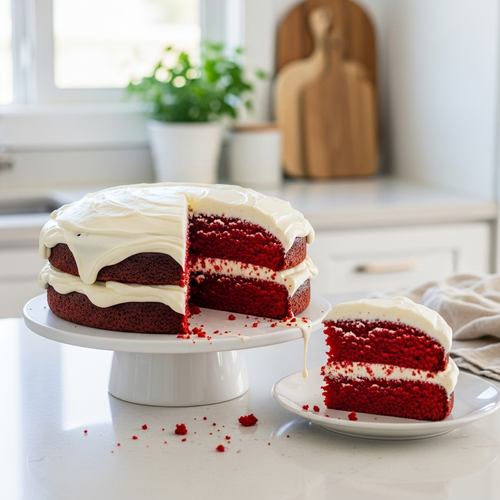
Description: A rich, moist, and delicious red velvet cake that’s packed with protein and low in sugar. This is the perfect dessert to satisfy your cravings while staying on track with your fat loss goals. The tangy protein cream cheese frosting makes it truly irresistible.
Prep Time: 15 minutes | Cook Time: 25 minutes
Servings: 12 slices
Macros per Serving | Calories: 195 | Protein: 20g | Fat: 8g | Carbohydrates: 11g
Ingredients
- For the Cake: ⅔ cup (60g) whey-casein blend protein powder, ¼ cup (30g) coconut or oat flour, 2 tbsp unsweetened cocoa powder, 1 tsp baking powder, ½ tsp baking soda, ¼ tsp salt, 1 cup (225g) non-fat plain Greek yogurt, ½ cup (120g) unsweetened applesauce, ½ cup (120ml) egg whites, ¼ cup granulated zero-calorie sweetener, 2 tbsp melted butter or coconut oil, 1 tbsp red food coloring, 2 tsp vanilla extract, 1 tsp white vinegar.
- For the Frosting: 1 cup (225g) non-fat plain Greek yogurt, 4 oz (113g) reduced-fat cream cheese (softened), 2 scoops (60g) vanilla protein powder, ⅓ cup powdered zero-calorie sweetener, ½ tsp vanilla extract.
Instructions
- Preheat oven to 350°F (175°C). Grease and line two 8-inch round cake pans.
- In a bowl, whisk together all dry cake ingredients (protein powder through salt).
- In a separate large bowl, whisk together all wet cake ingredients (yogurt through vinegar).
- Add the dry ingredients to the wet and mix until just combined. Do not overmix.
- Divide batter between pans and bake for 20-25 minutes, until a toothpick comes out clean. Let cool completely.
- To make the frosting, beat softened cream cheese and yogurt until smooth. Add protein powder, sweetener, and vanilla and beat again until creamy.
- Assemble the cake by frosting one layer, adding the second layer on top, and frosting the top and sides.
Notes
Ensure the cake layers are 100% cool before frosting to prevent the frosting from melting. Store the cake in an airtight container in the refrigerator for up to 5 days.
FAQs About Red Velvet Cake For Weight Loss
Here are some straightforward answers to the most common questions I receive about this red velvet cake recipe.
Can I really eat this red velvet cake and still lose weight?
Yes, you absolutely can. Fat loss is determined by being in a consistent calorie deficit, which means consuming fewer calories than your body burns over time. The problem with traditional cake is that a single slice can contain 500-800 calories, mostly from sugar and fat, which makes it very difficult to fit into a calorie-controlled diet without sacrificing nutrients elsewhere.
This recipe is engineered differently. A generous slice is under 200 calories and packs 20 grams of protein. The high protein content is incredibly satiating, meaning it helps control your appetite and reduces the likelihood that you’ll overeat later in the day. By planning a slice of this cake into your daily calorie and macro goals, you can satisfy your sweet tooth, prevent feelings of deprivation, and still easily maintain the calorie deficit needed for fat loss. It’s not magic; it’s just smart food science.
What makes this a “high-protein” red velvet cake?
The “high-protein” label comes from a few key ingredients that replace their traditional, nutrient-poor counterparts. The primary protein source is the whey-casein blend protein powder, which stands in for a large portion of the standard all-purpose flour. We also use a full cup of non-fat Greek yogurt in the batter and another cup in the frosting, which is a fantastic source of protein and adds incredible moisture.
Finally, we use egg whites, which are pure protein. When you add it all up, a single slice of this cake contains around 20 grams of protein. For comparison, a slice of traditional red velvet cake usually only has about 4-5 grams. This massive difference in protein content is what transforms the cake from a simple sugar bomb into a tool that helps you feel full, build and maintain muscle, and support your metabolism.
My red velvet cake turned out dry. What did I do wrong?
This is the most common challenge when baking with protein powder, but it’s usually easy to fix. The number one cause of a dry protein cake is overbaking. Protein powders bake much faster than regular flour and don’t have the same fat content to keep them moist, so even an extra minute or two in the oven can make a big difference. Always start checking for doneness at the earliest time suggested in the recipe.
Another potential issue is the type of protein powder used. A 100% whey isolate powder is much more drying than a whey-casein blend. Casein helps hold onto moisture, creating a more tender final product. Lastly, be very careful with your measurements of dry ingredients, especially coconut flour, which is extremely absorbent. Using a food scale is always more accurate than using measuring cups. If you follow the recipe closely and pull the cake from the oven as soon as the toothpick comes out clean, you should have a perfectly moist cake.
Can I make this red velvet cake without protein powder?
While you technically could try to adapt it, the protein powder is a core structural and nutritional component of this specific recipe. Simply removing it and adding more flour would fundamentally change everything. You would need to adjust the amounts of all the wet ingredients, the sweetener, and the leavening agents. The final product would no longer be a high-protein cake and would have a completely different calorie and macro profile.
This recipe is designed specifically for people looking for a high-protein dessert that fits a fitness-oriented lifestyle. If you’re looking for a cake that doesn’t use protein powder, I would recommend searching for a more traditional, lightened-up **red velvet cake** recipe and simply being mindful of your portion size. The purpose of this version is to use the power of protein to manage hunger and support your fitness goals.
Is beetroot powder a good substitute for red food coloring in this red velvet cake?
Yes, beetroot powder is a fantastic natural alternative to red food coloring. Many people prefer to avoid artificial dyes, and beetroot powder provides a beautiful color derived from a whole food source. However, it’s important to know what to expect. The color will be less of a vibrant, bright red and more of a deep, rich reddish-brown or burgundy, which is actually more historically accurate for red velvet cake.
In terms of taste, most people cannot detect any flavor from the beetroot powder once it’s baked with the chocolate, vanilla, and other ingredients. Some with very sensitive palates might notice a very slight earthy undertone, but it’s generally not prominent. A good rule of thumb is to use about 2-3 tablespoons of beetroot powder in place of the liquid food coloring. It’s a great way to get that classic look without the artificial ingredients.
Try These High-Protein Recipes Next
If you loved this flexible and delicious approach to dessert, I have a few other recipes I know you’ll enjoy.
- High-Protein Chocolate Cake: For the serious chocolate lovers, this recipe is incredibly rich, fudgy, and packed with protein to crush your cravings.
- High-Protein Vanilla Birthday Cake: A perfect, classic vanilla cake that’s light, fluffy, and completely guilt-free. It’s the ideal canvas for any celebration.
- Easy Homemade Nothing Bundt Cake Copycat: This is a great example of a delicious, more traditional cake that you can enjoy as a planned treat within a flexible eating plan.
Building a sustainable lifestyle is all about having options that you genuinely look forward to eating.