
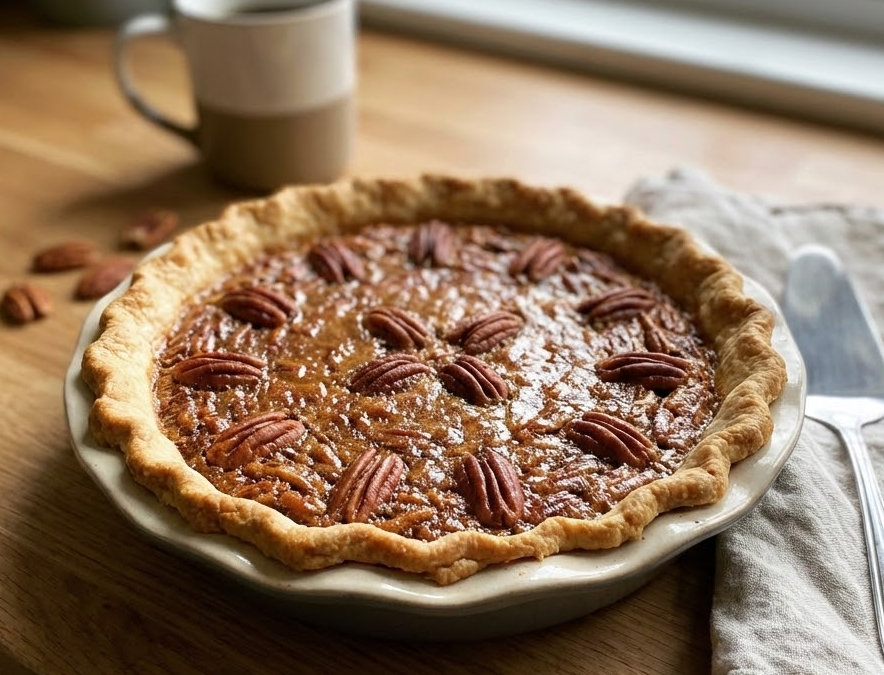
Pecan pie has always been my kryptonite. Growing up, it was the one dessert that signaled the start of the holidays. That rich, gooey, nutty flavor was pure comfort. When I started my fat loss journey, losing over 65 pounds, it was one of the first things I thought I had to give up forever.
That all-or-nothing thinking is a classic ADHD trap. We see things in black and white. For me, it was either eat “clean” and be miserable, or eat what I loved and fail. I spent years yo-yoing between those two extremes, never finding a sustainable path forward. The idea of a guilt-free, healthy pecan pie seemed impossible.
But the core of my philosophy at ADHD FIT is working with our brains, not against them. That means finding sustainable systems that allow for pleasure and flexibility. Banning your favorite foods is a recipe for disaster. It builds pressure until you inevitably “break,” which can trigger a shame spiral.
So, I set out to create a version that I could eat regularly, without the sugar crash or the calorie bomb. This recipe is the result of that mission. It’s packed with protein, low in sugar, and delivers all the satisfying flavor of the original. It’s not a “cheat meal.” It’s a tool for consistency, helping you stay on track while still enjoying the foods you love.
This is how we win long-term.
Skip to My Flexibe Diet Recipe!
Why Pecan Pie Is Great For Fat Loss
Let’s be direct. A traditional slice of pecan pie can pack over 500 calories, loaded with corn syrup and sugar. It’s a guaranteed blood sugar spike that leaves you feeling tired and craving more sweets just an hour later. For anyone focused on fat loss, especially those of us with ADHD who struggle with impulse control and energy regulation, that’s a dangerous combination.
This recipe completely flips the script. We build it from the ground up to support your fitness goals, not sabotage them. The biggest difference is the protein content. We use a whey-casein blend in both the crust and the filling. This significantly boosts the protein per slice, which is critical for fat loss. Protein keeps you feeling full and satisfied for hours, which helps kill random cravings.
It also helps preserve lean muscle mass while you’re in a calorie deficit. Remember, food is 75 percent of your results, and managing hunger is the most important part of that. The combination of protein, healthy fats from the pecans and almond flour, and fiber works together to stabilize your energy levels.
Finally, there’s the mental game. By having a planned, delicious treat like this pecan pie, you eliminate feelings of restriction. You’re not “cheating.” You’re executing a flexible eating plan. This is the key to breaking the binge-restrict cycle that so many of us get stuck in. You can have your pie, hit your protein goal, and keep making progress. That is a massive win.
Ingredients You’ll Need for Pecan Pie
A successful recipe, especially for an ADHD brain, starts with having the right ingredients ready to go. There’s nothing worse than starting to cook and realizing you’re missing something. Here’s a simple breakdown of what you’ll need for this macro-friendly pecan pie.
The real game-changer here is the whey-casein blend protein powder. Using just whey can result in a rubbery texture when baked, but the casein helps keep the crust and filling tender and moist. It’s a small detail that makes a huge difference in the final product.
For the Crust:
- 1 cup almond flour
- 1/2 cup vanilla or unflavored whey-casein blend protein powder
- 1/4 cup granulated erythritol or monk fruit sweetener
- 1/4 teaspoon salt
- 1/4 cup light butter or coconut oil, melted
- 2-3 tablespoons unsweetened almond milk, as needed
For the Filling:
- 3 large eggs
- 1/2 cup sugar-free maple syrup
- 1/4 cup brown sugar substitute (like Swerve or Truvia)
- 2 tablespoons light butter or coconut oil, melted
- 1 teaspoon vanilla extract
- 1/2 teaspoon pecan extract (optional, for enhanced flavor)
- 1/4 teaspoon salt
- 1 scoop vanilla whey-casein blend protein powder
- 2 tablespoons unsweetened almond milk
- 1 1/2 cups raw pecan halves
A quick note on a few key items. For the almond flour, make sure you get a “fine” or “super-fine” grind for the best crust texture. For the sugar-free maple syrup, choose a brand thickened with xanthan gum or fiber, as this will best mimic the gooey consistency of traditional pie filling. Brands like Lakanto or ChocZero are excellent choices.
How To Make Pecan Pie (Step-By-Step)
This process is designed to be straightforward. We break it down into manageable chunks to prevent overwhelm. An ADHD-friendly tip before you start: pull out every single ingredient and piece of equipment you need. Put it on the counter. This is called “mise en place,” and it turns a chaotic process into a simple assembly line.
Step 1: Preheat Your Oven and Prep the Pan
First things first, get your oven preheating to 350°F (175°C). Doing this now ensures it’s ready to go when you are, avoiding that frustrating wait time. Grab your 9-inch pie plate. No need to grease it, as the crust has enough fat to prevent sticking.
Step 2: Mix the Dry Ingredients for the Crust
In a medium bowl, add the almond flour, protein powder, sweetener, and salt. Use a whisk to combine them thoroughly. This is an important step because it ensures the sweetener and salt are evenly distributed, so you don’t get one super sweet bite and another bland one.
Step 3: Add the Wet Ingredients and Form the Dough
Pour the melted butter or coconut oil into the dry ingredients. Mix with a spatula until it looks like coarse, wet sand. Now, add the almond milk one tablespoon at a time. The amount you need can vary slightly depending on your protein powder. You want just enough to bring it all together into a workable dough that’s not sticky.
Step 4: Press and Bake the Crust
Transfer the dough to your pie plate. Use your fingers or the back of a spoon to press it evenly across the bottom and up the sides. Try to get it as uniform as possible for even baking. Bake for 10-12 minutes. You’re just looking for it to get lightly golden. This pre-baking step is crucial for preventing a soggy bottom.
Step 5: Prepare the Filling
While the crust bakes, make the filling. In a large bowl, whisk the eggs, sugar-free maple syrup, brown sugar substitute, melted butter, vanilla extract, pecan extract (if using), and salt. Whisk until it’s smooth and well combined.
Step 6: The Protein Powder Trick
Here is the most important tip. In a separate, small bowl, whisk your scoop of protein powder with the 2 tablespoons of almond milk until you have a smooth, lump-free paste. If you dump dry protein powder into the egg mixture, you’ll get clumps. By making this slurry first, it will incorporate perfectly. Gradually whisk this paste into your main filling mixture.
Step 7: Assemble and Bake the Pie
Arrange the pecan halves over the bottom of your pre-baked crust. Gently pour the filling over the top. Bake for 30-40 minutes. The pie is done when the edges are set and the center has just a slight jiggle to it, like Jell-O. Do not overbake.
Step 8: Cool Completely
This step requires patience, which I know can be tough. You must let the pie cool completely on a wire rack for at least 2-3 hours. The filling sets as it cools. If you cut into it while it’s warm, you’ll have a runny mess. Set a timer, leave the kitchen, and come back later.
How To Serve Pecan Pie (ADHD-Friendly)
How you serve and integrate this pecan pie into your life is just as important as how you make it. The goal is to make it a seamless part of a sustainable lifestyle, not a source of stress or a trigger for overeating. For those of us with ADHD, creating simple systems around food is a game-changer for impulse control.
My number one tip is to pre-portion the pie. As soon as it’s completely cooled, slice the entire pie into 8 or 10 equal servings. Place each slice in its own small, airtight container. This simple act of “decision removal” is incredibly powerful. When a craving hits, you don’t have to debate how big of a slice to cut. You just grab one container. The decision is already made.
When it comes to toppings, you can enhance the experience without derailing your goals. Here are a few great options:
- A Scoop of Protein Ice Cream: Brands like Halo Top or Enlightened offer a creamy, satisfying addition for a minimal calorie cost and an extra protein boost.
- A Dollop of Greek Yogurt: Plain, non-fat Greek yogurt provides a tangy contrast that cuts through the sweetness of the pie. It also adds even more protein.
- A Drizzle of Sugar-Free Syrup: A little extra sugar-free caramel or maple syrup can make it feel even more decadent.
Plan to eat your slice after a balanced, high-protein meal, like dinner. This ensures you’re already feeling satisfied, making the dessert a true treat rather than a hunger-driven snack that could lead to more grazing. It becomes a planned reward that you can look forward to, which helps with dopamine regulation and makes sticking to your plan easier and more enjoyable.
How To Store, Reheat, and Reuse Pecan Pie
Proper storage is key to making this recipe work for a busy lifestyle. Since it’s made with eggs, this pie needs to be refrigerated. Once cooled, you can either cover the entire pie plate tightly with plastic wrap or, as I recommended earlier, portion it into individual airtight containers. Stored this way in the fridge, the pie will stay fresh and delicious for up to 5 days.
This recipe is also incredibly freezer-friendly, which is a fantastic hack for ADHD-friendly meal prep. Having a healthy, single-serving dessert ready to go can be a lifesaver on a low-motivation day. It prevents you from ordering something that doesn’t align with your goals.
Here’s the best way to freeze it:
- Freeze Individual Slices: Place the pre-cut slices on a baking sheet and pop them in the freezer for about an hour, until they are firm. This is called “flash freezing” and prevents them from sticking together.
- Wrap Them Well: Wrap each frozen slice tightly in plastic wrap and then a layer of aluminum foil. This double-layer protects against freezer burn.
- Store in a Bag: Place all the wrapped slices into a large, zip-top freezer bag. Don’t forget to label it with the date. They will keep for up to 3 months.
When you’re ready for a slice, you can eat it straight from the fridge for a cool, dense treat. If you prefer it warm, a quick 15-20 seconds in the microwave is perfect. To thaw a slice from the freezer, just move it to the fridge the night before or a few hours ahead of time. You can even get creative with leftovers. Crumble a slice over a bowl of Greek yogurt with some berries for an amazing high-protein breakfast parfait.
Easy Swaps & Variations for Pecan Pie
Flexibility is one of our core principles. Life happens, pantries run low, and dietary needs vary. This recipe is a solid foundation, but you can absolutely adjust it to fit your situation. Having options is key to preventing the “I can’t make this because I’m missing one thing” shutdown that can be common when dealing with ADHD.
Think of this recipe as a template, not a rigid set of rules. Here are some simple and effective swaps you can make without sacrificing the entire vibe of this delicious pecan pie. These substitutions can help with everything from dietary restrictions to simply using what you already have on hand.
- For a Different Nut Flavor: While pecans are classic, this recipe works beautifully with walnuts. They provide a slightly more bitter, earthy flavor that pairs wonderfully with the sweet filling.
- To Make It Dairy-Free: This is an easy swap. Simply use melted coconut oil in place of the light butter in both the crust and the filling. For the protein powder, use a high-quality, plant-based blend. A mix of pea and brown rice protein will give you the best texture.
- To Change Up the Flavor Profile: Add a teaspoon of cinnamon or a dash of nutmeg to the filling for a warmer, spicier flavor. For a more adult twist, a teaspoon of bourbon extract can add a fantastic depth and a nod to a more traditional southern pecan pie.
- If You Don’t Have Almond Flour: You can substitute with sunflower seed flour for a similar low-carb, nut-free crust. Oat flour can also work, but it will be higher in carbs and may require a little less liquid to form a dough.
Don’t be afraid to experiment. The best recipe is the one that you’ll actually make and enjoy consistently. Use these ideas as a starting point to create your perfect version.
High-Protein Pecan Pie
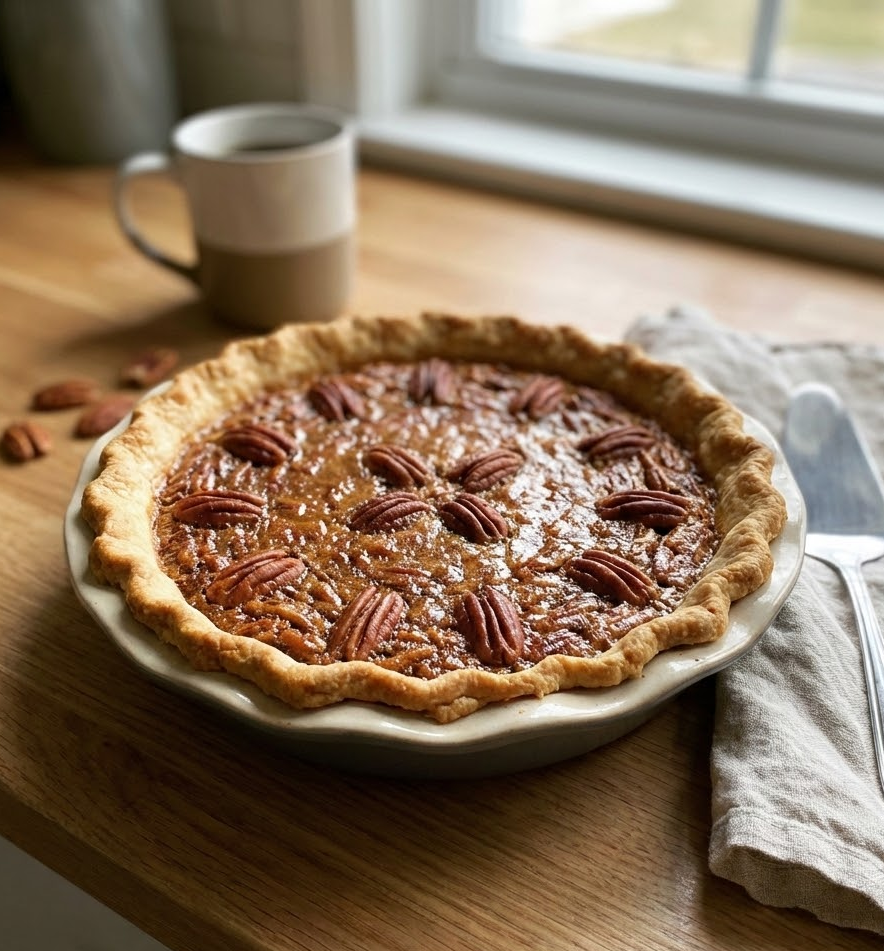
Description: A rich, gooey, and satisfying pecan pie that’s secretly packed with protein and low in sugar. This recipe is designed to crush cravings and support your fat loss goals without making you feel deprived.
Prep Time: 15 minutes | Cook Time: 45 minutes
Servings: 8 slices
Macros per Serving | Calories: 336 | Protein: 15g | Fat: 30g | Carbohydrates: 7g
Ingredients
- For the Crust:
- 1 cup almond flour
- 1/2 cup vanilla or unflavored whey-casein blend protein powder
- 1/4 cup granulated erythritol or monk fruit sweetener
- 1/4 teaspoon salt
- 1/4 cup light butter or coconut oil, melted
- 2-3 tablespoons unsweetened almond milk, as needed
- For the Filling:
- 3 large eggs
- 1/2 cup sugar-free maple syrup
- 1/4 cup brown sugar substitute (like Swerve or Truvia)
- 2 tablespoons light butter or coconut oil, melted
- 1 teaspoon vanilla extract
- 1/2 teaspoon pecan extract (optional)
- 1/4 teaspoon salt
- 1 scoop vanilla whey-casein blend protein powder
- 2 tablespoons unsweetened almond milk
- 1 1/2 cups raw pecan halves
Instructions
- Preheat oven to 350°F (175°C).
- For the crust, whisk together almond flour, protein powder, sweetener, and salt. Stir in melted butter, then add almond milk one tablespoon at a time until a dough forms.
- Press dough into a 9-inch pie plate. Bake for 10-12 minutes until lightly golden.
- For the filling, whisk eggs, sugar-free syrup, brown sugar substitute, melted butter, extracts, and salt.
- In a small bowl, whisk protein powder and almond milk into a smooth paste. Whisk this paste into the egg mixture.
- Arrange pecans in the baked crust and pour filling over them.
- Bake for 30-40 minutes, until the center has a slight jiggle.
- Cool completely on a wire rack before slicing.
Notes
Allowing the pie to cool completely is non-negotiable for the filling to set properly. Be patient! Store leftovers in an airtight container in the refrigerator for up to 5 days.
FAQs About Pecan Pie For Weight Loss
Here are some straightforward answers to the most common questions I receive about this pecan pie recipe.
Can I really eat this pecan pie and still lose weight?
Yes, absolutely. Weight loss comes down to being in a consistent calorie deficit over time. This recipe is specifically engineered to help you do that. By swapping out sugar for zero-calorie sweeteners and adding protein, we’ve created a dessert that is significantly lower in calories and much more satisfying than a traditional pecan pie. It helps you manage your total daily calorie intake more easily.
More importantly, this approach is about sustainability. When you completely forbid yourself from eating foods you love, you create intense cravings and a sense of deprivation. That often leads to an eventual binge, followed by guilt, which can derail your progress for days or weeks. By including a planned, macro-friendly treat like this, you satisfy your craving, stay within your calorie budget, and maintain the consistency needed for long-term fat loss. It’s a strategic tool, not a setback.
What is the best protein powder for this pecan pie recipe?
The best choice for this recipe is a whey-casein blend. I can’t stress this enough. Whey protein on its own is fantastic for shakes, but it can become dry, tough, or rubbery when baked. Casein protein absorbs liquid more slowly and has a different structure, which results in a much better texture in baked goods like this crust and filling. It keeps things tender and moist.
If you don’t have a blend, your next best option would be to use mostly casein with a little bit of whey. If you must use a plant-based protein, look for a blend of different sources, such as pea and brown rice protein. A single-source plant protein, like pea protein alone, can result in a chalky or gritty texture. Always choose a flavor that you enjoy on its own, like vanilla or unflavored, as baking will concentrate that taste.
My pecan pie filling didn’t set properly. What went wrong?
This is the most common issue people have with custard-style pies, and it almost always comes down to one of two things: it was either underbaked or you didn’t let it cool completely. When you take the pie out of the oven, the center should still have a slight wobble or jiggle when you gently shake it. It shouldn’t be sloshing liquid, but it also shouldn’t be rock solid. The edges should be firm and set.
The cooling process is part of the cooking. The residual heat continues to cook the filling, and the egg proteins will fully set as the pie comes to room temperature. This can take a minimum of two to three hours on a wire rack. If you slice into it while it’s still warm, the structure hasn’t had time to form, and it will be runny. Patience is the key ingredient here. Let it cool on the counter, then chill it in the fridge for another hour for the cleanest slices.
Can I make this pecan pie without a sugar substitute?
You can, but it’s important to understand that doing so will fundamentally change the nutritional profile and purpose of this recipe. This version is designed specifically for fat loss, meaning it’s low in sugar and calories. Using real sugar, maple syrup, or coconut sugar will add a significant number of calories and carbohydrates, moving it from a fat-loss tool to a more traditional dessert.
If you choose to do this, you can replace the granulated erythritol and brown sugar substitute with equal amounts of coconut sugar or regular brown sugar. However, you will no longer have a low-carb, keto-friendly dessert. It can still be part of a balanced diet if you account for the extra calories in your daily total, but it won’t be as macro-friendly. The sugar substitutes are key to making this recipe fit so easily into a weight loss plan.
Is this high-protein pecan pie suitable for a keto diet?
Yes, with careful ingredient selection, this pecan pie is very suitable for a ketogenic diet. The crust is made from almond flour, which is naturally low-carb and high-fat. The filling uses eggs and pecans, which are both keto staples. The sweeteners we use, like erythritol, monk fruit, and Swerve, are all keto-approved as they don’t impact blood sugar levels.
The one ingredient you need to double-check is your sugar-free maple syrup. Some brands use sweeteners or fillers that can contain hidden carbs. To be safe, choose a syrup specifically marketed as keto-friendly, such as those from brands like Lakanto or ChocZero. With the right syrup, a slice of this pie has very few net carbs, making it a perfect dessert for satisfying your sweet tooth while staying in ketosis.
Try These High-Protein Recipes Next
If you enjoyed this recipe, here are a few other high-protein desserts that will help you stay on track while enjoying amazing flavors.
- High-Protein Apple Pie: All the classic, comforting flavor of apple pie, but with a macro-friendly twist that fits your fitness goals.
- High-Protein Pumpkin Pie: A creamy, perfectly spiced pumpkin pie that’s perfect for the holidays or any time you need a healthy, satisfying treat.
- Classic Pecan Pie Tart: For when you want a more traditional take, this recipe offers a rich, decadent flavor in a beautiful tart form.
Building a collection of go-to healthy recipes is one of the best ways to ensure long-term success.