
Pumpkin bread used to be one of my seasonal downfalls. I’d grab a slice from a coffee shop, thinking it was a reasonably healthy choice. It’s got a vegetable in it, right? But that single slice was loaded with sugar and oil, leading to an energy crash an hour later and intense cravings for the rest of the day.
When I started my fat loss journey, losing 65-70 pounds over three years, I thought foods like this were off-limits forever. That’s the all-or-nothing thinking that so many of us with ADHD fall into. It’s either perfect eating or a full-blown binge. There was no middle ground.
But that’s not a sustainable way to live. I learned that food is 75 percent of the results, and consistency is far more important than intensity or perfection. The key wasn’t to eliminate the foods I loved, but to re-engineer them. I needed a version that worked with my brain and my body, not against them.
This high-protein pumpkin bread is the result of that process. It’s packed with protein to keep you full and focused. It satisfies that craving for a warm, spiced treat without the sugar crash. It’s a tool for your fat loss toolkit, not a “cheat.” It’s proof that you can build a fit lifestyle you actually enjoy.
Skip to My Flexibe Diet Recipe!
Why Pumpkin Bread Is Great For Fat Loss
When we hear “bread,” we often think of something that’s off-limits on a diet. But this pumpkin bread recipe is specifically designed to support your fat loss goals, especially for those of us navigating the unique challenges of an ADHD brain.
The number one principle here is protein first. Each slice is loaded with high-quality protein from two sources: Greek yogurt and a whey-casein blend protein powder. Protein is the most satiating macronutrient. It helps you feel fuller for longer, which dramatically reduces the likelihood of mindless snacking or succumbing to intense cravings later in the day.
Second, we focus on hunger management. The combination of protein and fiber from the pumpkin puree and oat flour helps stabilize your blood sugar. This prevents the sharp spikes and crashes you get from traditional baked goods that are high in refined flour and sugar. For the ADHD brain, stable energy and mood are critical for maintaining executive function and avoiding impulsive food choices.
We’ve also made smart swaps to lower the overall calorie count without sacrificing flavor. Using unsweetened applesauce and Greek yogurt reduces the need for oil, and a zero-calorie sweetener like erythritol provides sweetness without the sugar. This isn’t about deprivation. It’s about making strategic choices that allow you to enjoy your food while staying on track.
This approach embodies our core value of flexible eating. By including satisfying, macro-friendly treats like this pumpkin bread, you eliminate the need for restrictive “cheat meals.” You build a sustainable eating pattern that feels enjoyable, not like a punishment. That’s how you win long-term.
Ingredients You’ll Need for Pumpkin Bread
Building a great recipe is about using the right ingredients that work together. For this pumpkin bread, we’re focusing on simple, accessible items that maximize protein and flavor while keeping calories and sugar in check. Here’s exactly what you’ll need.
-
1 cup pumpkin puree
-
½ cup plain non-fat Greek yogurt
-
¼ cup unsweetened applesauce
-
2 large eggs
-
1 teaspoon vanilla extract
-
½ cup erythritol or other zero-calorie sweetener
-
1 cup oat flour
-
¾ cup vanilla or unflavored whey-casein blend protein powder
-
1 ½ teaspoons baking powder
-
½ teaspoon baking soda
-
2 teaspoons pumpkin pie spice
-
1 teaspoon cinnamon
-
¼ teaspoon salt
-
½ cup dark chocolate chips (optional)
The key ingredient that truly transforms this from a simple treat into a fitness-friendly powerhouse is the whey-casein blend protein powder. I specifically recommend a blend over a 100% whey isolate for baking. Whey isolate can sometimes result in a dry, rubbery texture. The casein in the blend helps retain moisture, giving the pumpkin bread a much better crumb and mouthfeel, similar to a traditional loaf.
For the pumpkin puree, make sure you buy 100% pure pumpkin, not pumpkin pie filling. The filling is pre-sweetened and spiced, which will throw off the entire recipe. Canned puree is a fantastic shortcut; it’s consistent, cheap, and saves you a ton of prep work.
When choosing a Greek yogurt, opt for plain non-fat. This gives us a boost of protein and moisture without adding unnecessary fats or sugars. The brand doesn’t matter as much as ensuring it’s plain and non-fat.
How To Make Pumpkin Bread (Step-By-Step)
One of our core principles is to keep things brutally practical. This recipe follows that rule. There are no complicated techniques, just simple, straightforward steps that you can manage even on a low-motivation day. We’re going to combine our wet and dry ingredients separately, then mix them together. It’s that easy.
Step 1: Preheat Oven and Prep Your Pan
First things first, preheat your oven to 350°F (175°C). Doing this at the very beginning ensures your oven is ready to go by the time your batter is mixed, preventing the leavening agents from losing their power. Grease a 9×5 inch loaf pan, or for even easier cleanup, line it with parchment paper, leaving some overhang on the sides to use as handles later.
ADHD Tip: This is a great time to practice *mise en place*. Get all your ingredients out and measure them before you start mixing. This simple act of preparation prevents that mid-recipe panic when you realize you’re missing something.
Step 2: Combine the Wet Ingredients
In a large mixing bowl, add your wet ingredients: the pumpkin puree, Greek yogurt, unsweetened applesauce, large eggs, and vanilla extract. Use a whisk to combine everything until it’s completely smooth and uniform in color. A smooth wet base is key to a consistent final texture.
Step 3: Stir in the Sweetener
Once the wet ingredients are mixed, stir in the erythritol or your chosen zero-calorie sweetener. Make sure it’s fully dissolved into the mixture. This ensures the sweetness is evenly distributed throughout the entire loaf of pumpkin bread.
Step 4: Combine the Dry Ingredients
In a separate, medium-sized bowl, it’s time to mix your dry ingredients. Add the oat flour, protein powder, baking powder, baking soda, pumpkin pie spice, cinnamon, and salt. Whisk them together thoroughly. This step is more important than it seems; it ensures the baking powder, soda, and spices are evenly distributed, which leads to a good rise and consistent flavor in every bite.
Step 5: Mix Wet and Dry, But Don’t Overdo It
Now, pour the dry ingredients into the bowl with the wet ingredients. Mix with a spatula or wooden spoon until they are just combined. You might see a few small streaks of flour, and that’s okay. The most common mistake in making quick breads is overmixing. Overmixing develops gluten and can make your final product tough and dense. Mix just until you no longer see dry powder.
Step 6: Fold in the Chocolate Chips
If you’re using them, now is the time to gently fold in the dark chocolate chips. Use a spatula to scrape the bottom and fold the batter over the top, repeating a few times until the chips are evenly distributed.
Step 7: Pour and Spread the Batter
Pour the finished batter into your prepared loaf pan. Use your spatula to spread it into an even layer, making sure it reaches all the corners. A level surface will help the pumpkin bread bake evenly.
Step 8: Bake Until Done
Place the loaf pan in your preheated oven and bake for 45-55 minutes. The exact time can vary depending on your oven. You’ll know it’s done when a toothpick or a cake tester inserted into the center of the loaf comes out clean. If it comes out with wet batter, it needs more time.
Step 9: Cool Before Slicing
This step requires patience but is crucial. Let the pumpkin bread cool in the pan for about 10-15 minutes. This allows it to set. Then, use the parchment paper handles to lift it out and transfer it to a wire rack to cool completely. Slicing it while it’s too warm can cause it to crumble and fall apart. Let it cool fully for the cleanest slices.
How To Serve Pumpkin Bread (ADHD-Friendly)
Having a delicious, high-protein pumpkin bread ready to go is great, but integrating it into your routine is what creates real results. For those of us with ADHD, having a plan removes decision fatigue and makes it easier to stay consistent. This bread is a versatile tool, perfect for breakfast, snacks, or even a healthy dessert.
The key is to make it as easy as possible for your future self to grab a healthy option. Once the loaf has cooled completely, slice the entire thing. Don’t leave it as a whole loaf. This removes a barrier. When you’re hungry and rushed, even the small task of grabbing a knife and cutting a slice can feel like too much effort, making you more likely to grab a less healthy, pre-packaged snack.
Here are a few simple, ADHD-friendly ways to serve your pumpkin bread:
-
The Quick Breakfast: Gently warm a slice in the microwave for 15-20 seconds. Spread a tablespoon of Greek yogurt or a thin layer of nut butter on top for extra protein and healthy fats. Pair it with a protein coffee or a ready-to-drink protein shake for a complete, high-impact breakfast you can have in under two minutes.
-
The Afternoon Slump Buster: The 3 p.m. energy dip is real, especially for ADHD brains seeking a dopamine hit. Instead of reaching for candy or chips, have a pre-portioned slice of pumpkin bread ready. The protein and complex carbs will give you sustained energy without the subsequent crash, helping you stay productive and focused.
-
The Satisfying Dessert: Craving something sweet after dinner? A slice of this bread is the perfect solution. To make it feel more decadent, you can top it with a small scoop of a low-calorie ice cream or a dollop of whipped cream. It satisfies the sweet tooth without derailing your progress.
By pre-slicing and planning how you’ll use your pumpkin bread, you’re setting yourself up for success. It becomes a reliable, go-to option that supports your goals instead of an afterthought you might forget about until it goes bad.
How To Store, Reheat, and Reuse Pumpkin Bread
One of the biggest challenges for the ADHD brain can be object permanence with food. If it’s not right in front of us, we can forget it exists. Proper storage is not just about keeping your pumpkin bread fresh; it’s about making sure your hard work doesn’t go to waste. We need a system that’s simple and visible.
First, make sure the bread is completely cool before storing it. Storing it while warm will create condensation, leading to a soggy loaf. Once cool, you have a few options depending on how quickly you plan to eat it. Our goal is to make it easy to grab a single serving without any fuss.
Here are the best ways to store your protein pumpkin bread:
-
On the Counter (1-2 Days): If you and your family will eat the loaf within a couple of days, you can store it in an airtight container at room temperature. Pre-slicing it first is still the best practice.
-
In the Refrigerator (Up to a Week): For longer freshness, the fridge is your best bet. Store the pre-cut slices in an airtight container. Placing a paper towel in the container can help absorb any excess moisture and keep the bread from getting sticky.
-
In the Freezer (Up to 3 Months): This is my favorite method for long-term storage and portion control. Wrap individual slices in plastic wrap, then place them all inside a larger freezer-safe bag or container. This is the ultimate grab-and-go solution.
ADHD Pro Tip: Label everything. Use painter’s tape or a freezer-safe marker to write “Protein Pumpkin Bread” and the date on the bag or container. This prevents the dreaded “mystery food” pile-up in your freezer and reminds you of what you have available.
To reheat, simply take a slice and microwave it for 20-30 seconds from the fridge or 45-60 seconds from frozen. It will taste just as good as the day you baked it. If a slice gets a little stale, don’t throw it out! Crumble it over a bowl of Greek yogurt with some berries for a delicious, high-protein parfait.
Easy Swaps & Variations for Pumpkin Bread
Flexibility is the name of the game. A recipe is a template, not a strict set of rules. This pumpkin bread is fantastic as is, but you can absolutely customize it based on your dietary needs, what you have in your pantry, or your personal taste preferences. Don’t be afraid to experiment a little to make it perfect for you.
The goal is to have a reliable recipe that you can turn to again and again, and that means it needs to be adaptable. If you can’t find one specific ingredient, it shouldn’t stop you from making it. Here are some of the most common and effective swaps you can make without compromising the final result too much.
Here are some simple and effective variations:
-
Protein Powder: I recommend a whey-casein blend for the best texture. However, you can use 100% whey isolate, but be aware your bread may be slightly drier. If using a plant-based protein powder, you may need to add a splash of milk or an extra tablespoon of applesauce, as they tend to be more absorbent.
-
Flour: Oat flour is a great gluten-free option with good fiber. You could substitute it with an equal amount of whole wheat flour or all-purpose flour if you prefer. A gluten-free all-purpose blend would also work well.
-
Sweetener: Erythritol is my go-to, but any zero-calorie granular sweetener that measures 1-to-1 with sugar, like a monk fruit blend, will work perfectly. If you’re not concerned about the extra calories, you can also use coconut sugar, maple syrup, or honey, but you may need to slightly reduce other wet ingredients.
-
Mix-ins and Toppings: The chocolate chips are optional, but you can get creative here. A half cup of chopped walnuts or pecans would add a wonderful crunch and healthy fats. You could also sprinkle raw pumpkin seeds (pepitas) on top of the batter before baking for a nice finishing touch.
Remember, changing ingredients will change the final nutrition information, so be mindful of that if you are tracking your macros closely. The key is to find a version you love that fits your lifestyle. That’s how you build habits that last.
High-Protein Pumpkin Bread For Fat Loss
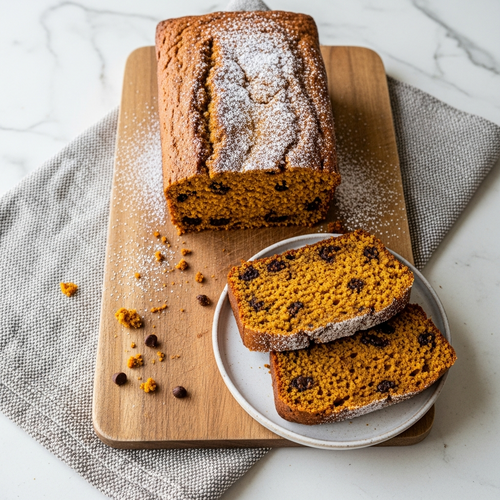
Description: A moist, delicious, and easy-to-make pumpkin bread packed with protein to support fat loss goals. It’s the perfect macro-friendly treat to satisfy cravings and keep you full without the sugar crash.
Prep Time: 10 minutes | Cook Time: 50 minutes
Servings: 10 slices
Macros per Serving | Calories: 139 | Protein: 10g | Fat: 4.5g | Carbohydrates: 16g
Ingredients
- 1 cup pumpkin puree
- ½ cup plain non-fat Greek yogurt
- ¼ cup unsweetened applesauce
- 2 large eggs
- 1 teaspoon vanilla extract
- ½ cup erythritol
- 1 cup oat flour
- ¾ cup vanilla or unflavored whey-casein blend protein powder
- 1 ½ teaspoons baking powder
- ½ teaspoon baking soda
- 2 teaspoons pumpkin pie spice
- 1 teaspoon cinnamon
- ¼ teaspoon salt
- ½ cup dark chocolate chips (optional)
Instructions
- Preheat oven to 350°F (175°C) and prepare a 9×5 inch loaf pan.
- In a large bowl, whisk together pumpkin puree, Greek yogurt, applesauce, eggs, and vanilla. Stir in erythritol.
- In a separate bowl, whisk together oat flour, protein powder, baking powder, baking soda, spices, and salt.
- Add the dry ingredients to the wet ingredients and mix until just combined. Do not overmix.
- Fold in chocolate chips, if using.
- Pour batter into the prepared pan and bake for 45-55 minutes, or until a toothpick comes out clean.
- Cool in the pan for 10-15 minutes before transferring to a wire rack to cool completely.
Notes
Macros are estimated and include the optional dark chocolate chips. Ensure the bread is fully cooled before slicing for the best texture.
FAQs About Pumpkin Bread For Weight Loss
Here are some straightforward answers to the most common questions I receive about this pumpkin bread recipe.
Can I make this pumpkin bread recipe without protein powder?
You can, but it’s important to understand that it fundamentally changes the recipe and its purpose within a fat loss plan. The protein powder is not just a supplement here; it’s a key structural and nutritional ingredient. It provides a significant portion of the protein that makes this bread so filling and macro-friendly. It also acts like a flour, providing bulk and structure.
If you choose to omit it, you will need to replace its volume with more flour, likely an additional ¾ cup of oat flour. However, doing so will dramatically alter the macronutrient profile. The protein content per slice will drop significantly, and the carbohydrate count will increase. The result will be a bread that is much less satiating and not as effective at managing hunger or supporting muscle maintenance during a fat loss phase.
In short, while it’s possible from a baking perspective, you would no longer have a high-protein pumpkin bread. You would have a more traditional, carb-focused pumpkin bread. If you’re looking for a tool to help with hunger and fitness goals, I highly recommend finding a protein powder you enjoy for this recipe.
Is this high-protein pumpkin bread good for meal prep?
Absolutely. In fact, this recipe was designed with meal prep in mind, especially for the ADHD lifestyle. One of the biggest hurdles to consistent healthy eating is decision fatigue. When you’re tired or overwhelmed, you’re more likely to grab whatever is easiest, which is often not the healthiest choice. This pumpkin bread solves that problem.
By baking a loaf on a Sunday, you are creating ten pre-portioned, macro-friendly snacks or quick breakfast components for the week ahead. The key is to complete the prep process: once it’s cool, slice the entire loaf and store it in grab-and-go portions. You can put a few slices in the fridge for the next couple of days and freeze the rest individually.
This system removes all friction during a busy week. Need a quick breakfast? It’s ready. Need a snack to fight the afternoon slump? It’s waiting for you. It’s a perfect example of working with your brain, not against it. You do the “hard work” on a day when you have motivation and energy, setting your future self up for an easy win.
Why is my protein pumpkin bread dry?
A dry result is the most common issue when baking with protein powder, but it’s completely avoidable with a few key considerations. The number one culprit is often the type of protein powder used. A 100% whey isolate powder is very lean and absorbs a lot of moisture, which can lead to a dry, rubbery texture. This is why I specifically recommend a whey-casein blend. Casein is slower-digesting and holds onto moisture much better, resulting in a more tender and moist final product.
The second most common reason is overbaking. Ovens can vary, so start checking for doneness on the earlier side of the recommended baking time. The toothpick test is your best friend here. As soon as it comes out clean from the center, the bread is done. Remember that it will continue to cook slightly from residual heat as it cools in the pan.
Finally, be very careful not to overmix the batter. When you combine the wet and dry ingredients, mix only until you no longer see streaks of flour. Overmixing can make any quick bread tough and dense. By using a protein blend, watching your bake time closely, and mixing gently, you should get a perfectly moist pumpkin bread every time.
Can I use fresh pumpkin instead of canned pumpkin puree?
Yes, you can definitely use fresh pumpkin puree instead of canned. Some people prefer the flavor, and it can be a fun project if you have the time and energy. To do so, you’ll need a small baking pumpkin, often called a sugar pumpkin or pie pumpkin. Cut it in half, scoop out the seeds, and roast it cut-side down on a baking sheet at 400°F (200°C) until it’s fork-tender, which usually takes about 45-60 minutes.
Once it’s cool enough to handle, scoop the flesh out and puree it in a blender or food processor until it’s completely smooth. It’s important to note that fresh pumpkin puree often contains more water than its canned counterpart. You may want to strain it through a cheesecloth or let it sit in a fine-mesh sieve for a while to drain some of the excess liquid to achieve a consistency closer to the canned version. This will prevent the batter from being too wet.
That said, I almost always use canned pumpkin puree for this recipe. It’s a fantastic shortcut that delivers consistent, excellent results with a fraction of the effort. For an ADHD-friendly kitchen, embracing convenient, healthy shortcuts like canned puree is a smart strategy that makes it easier to cook nutritious food regularly.
What makes this pumpkin bread recipe ADHD-friendly?
This recipe is ADHD-friendly from the ground up because it’s built on principles that cater to the ADHD brain’s needs. First, the process is simple and the steps are minimal. There are no complicated techniques, which reduces the chance of feeling overwhelmed and giving up halfway through. The ingredient list uses accessible, common items and allows for store-bought shortcuts like canned pumpkin.
Nutritionally, it’s designed to support brain function and mood regulation. The high protein content provides a steady supply of amino acids, which are precursors to neurotransmitters like dopamine. This, combined with the fiber and low sugar content, helps stabilize blood sugar and energy levels, preventing the energy crashes and brain fog that can exacerbate ADHD symptoms. It directly combats the craving for high-sugar, low-nutrient foods that the ADHD brain often seeks for a quick dopamine hit.
Finally, it aligns with our flexible eating philosophy. It’s a pre-portionable meal prep solution that eliminates decision fatigue. It satisfies cravings in a healthy way, which helps prevent the all-or-nothing cycle of extreme restriction followed by bingeing. It’s a practical tool that provides both physical and mental benefits, making it far easier to stay consistent with your health and fitness goals.
Try These High-Protein Recipes Next
If you loved this simple and delicious pumpkin bread, here are a few other recipes designed to keep you on track without sacrificing flavor.
-
High-Protein Pumpkin Pie: A guilt-free version of the holiday classic, perfect for when you want a truly decadent dessert that still fits your macros.
-
Healthy Zucchini Bread with Protein: Another amazing quick bread that sneaks in vegetables and protein for a nutritious and satisfying snack.
-
Sour Cream Pumpkin Bread: For a more traditional take, this recipe from This Gal Cooks is incredibly moist and offers a classic flavor profile.
Building a library of go-to healthy recipes is one of the best ways to make your fitness journey sustainable and enjoyable.