
For most of my life, I thought bread was the enemy of fat loss. When I first started my journey to lose 65 pounds, I cut it out completely. I told myself it was a “bad” food, full of empty carbs that would derail my progress. And for a while, that worked. But the craving never really went away.
Living with ADHD means my relationship with food can be complicated. I crave dopamine, and a warm slice of bread is pure comfort. Total restriction just led to an inevitable spiral where I’d give in, eat half a loaf of store-bought stuff, feel guilty, and then give up for a few days. It was a classic all-or-nothing trap that so many of us fall into.
I knew there had to be a better way. A sustainable way. My entire philosophy is built on working with my ADHD brain, not fighting it. That means flexible eating, not rigid rules. It means finding ways to include the foods I love in a way that still moves me toward my goals.
That’s why I developed this high-protein, low-calorie bread recipe. It’s the result of years of experimenting in the kitchen, figuring out how to get that satisfying texture and taste without the calorie and carb overload. This bread is a game-changer. It allows me to enjoy a sandwich, have toast with my eggs, and satisfy that craving without a shred of guilt. It’s proof that you don’t have to give up your favorite foods to build a body you’re proud of.
This isn’t just a recipe. It’s a tool for consistency.
Skip to My Flexibe Diet Recipe!
Why Healthy Homemade Bread Is Great For Fat Loss
When you’re trying to lose fat, the game is won or lost on hunger management. If you’re constantly hungry and fighting cravings, your willpower will eventually run out. That’s a guarantee, especially for those of us with ADHD who grapple with impulse control. This is where my high-protein bread recipe changes everything.
The number one principle we follow at ADHD FIT is “protein first.” Protein is the most satiating macronutrient. It keeps you feeling full and satisfied for longer, which crushes cravings before they even start. Each slice of this bread is packed with protein from vital wheat gluten and whey or casein powder. It turns a simple sandwich into a muscle-supporting, hunger-fighting meal.
Typical store-bought bread is mostly refined carbohydrates. It spikes your blood sugar, leading to a quick burst of energy followed by a crash that leaves you feeling hungry again an hour later. This recipe does the opposite. The combination of high protein and high fiber from oat fiber and flaxseed slows down digestion. This means a much more stable release of energy, keeping your blood sugar and your mood steady.
Remember, food is 75 percent of your results. Workouts are important, but you can’t out-train a diet that leaves you feeling deprived and prone to bingeing. This bread is a strategic tool. It allows you to eat a satisfying volume of food for fewer calories. You can have two slices of this for a sandwich and get more protein and fiber, and feel fuller, than you would from a single slice of many “healthy” whole wheat breads from the grocery store. It’s about eating smarter, not less.
Ingredients You’ll Need for Healthy Homemade Bread
The magic of this recipe is in the ingredients. We’re swapping out low-nutrient, high-calorie flour for a blend of powerhouse components that work together to create a bread that’s both delicious and incredible for your fitness goals. It’s a brutally practical approach to getting the texture you love with the macros you need.
Here’s exactly what you’ll need to have on hand:
- 1 ½ cups vital wheat gluten
- ½ cup oat fiber
- ¼ cup unflavored whey or casein protein powder
- 2 tablespoons golden flaxseed meal
- 1 tablespoon active dry yeast
- 2 teaspoons salt
- 1 ½ cups warm water (around 110°F)
- 2 large egg whites
- 1 tablespoon olive oil
- 1 tablespoon allulose or another granulated sugar substitute
The absolute star of this show is vital wheat gluten. This is not regular flour. It’s the natural protein found in wheat, and it’s what gives bread its classic chewy, elastic structure. By making it our primary ingredient, we’re front-loading the recipe with protein, which is the key to managing hunger and supporting muscle.
A few notes on the other key players. Oat fiber is a zero-calorie, zero-carb ingredient that provides bulk and a soft texture without adding to the calorie count. For the protein powder, make sure it’s unflavored. A vanilla or chocolate flavor will definitely not work here. I prefer a whey/casein blend because casein helps keep the bread from getting too dry, but plain whey works too. The quality of your yeast also matters; make sure it’s fresh and active for the best rise.
How To Make Healthy Homemade Bread (Step-By-Step)
Making bread can seem intimidating, especially on a low-motivation day. But I’ve broken this process down into simple, scannable steps. We’re aiming for consistency, not perfection. Put on a podcast, set a timer, and let’s get this done.
Step 1: Combine The Dry Ingredients
Find your largest mixing bowl. Dump in the vital wheat gluten, oat fiber, unflavored protein powder, flaxseed meal, active dry yeast, and salt. Grab a whisk and mix it all together thoroughly. This step is important for making sure the yeast and salt are evenly distributed, which ensures a consistent rise and flavor. Don’t just give it a quick stir; spend a solid 30 seconds on it.
Step 2: Mix The Wet Ingredients
In a separate, smaller bowl, combine your warm water, egg whites, olive oil, and allulose. The water temperature is key here. It should be warm to the touch, like a baby’s bath, around 110°F. Too hot and you’ll kill the yeast; too cold and it won’t activate. Whisk these together until the sweetener is dissolved and the egg whites are broken up.
Step 3: Form The Dough
Now, pour the wet mixture into the large bowl with the dry ingredients. Use a sturdy spatula or your hands to mix until you have a shaggy, messy-looking dough and no dry spots remain. It will come together quickly. Don’t overthink this part; just get everything combined.
Step 4: Knead The Dough
Turn the dough out onto a lightly floured or oiled surface. Now it’s time to knead for about 5 to 7 minutes. The goal is to develop the gluten, which is what gives the bread its structure. The dough will transform from sticky and rough to smooth and elastic. You’ll feel the change. If you’re new to kneading, just think of it as folding the dough over on itself and pushing it away from you with the heel of your hand, then giving it a quarter turn and repeating.
Step 5: Let It Rise
Lightly oil the large bowl you used earlier, place the dough inside, and turn it over once to coat. Cover the bowl with a clean towel or plastic wrap. Now, let it rise in a warm, draft-free spot for about an hour, or until it has doubled in size. An oven with just the light on is a perfect spot for this.
ADHD Tip: Set a timer on your phone and label it “BREAD RISE.” Don’t rely on your internal clock. When the timer goes off, you know exactly what it’s for.
Step 6: Shape and Bake
Once the dough has risen, preheat your oven to 375°F (190°C). Gently punch down the dough to release the air, then shape it into a rectangular loaf. Place it into a greased 9×5 inch loaf pan. Bake for 25 to 30 minutes. The top should be a deep golden brown, and it should sound hollow when you tap it on the bottom.
Step 7: Cool Completely
This is the hardest step, I know. Let the bread cool in the pan for 10 minutes, then carefully remove it and let it finish cooling on a wire rack. You must let it cool completely before slicing. Slicing into hot bread will ruin the texture and make it gummy. Be patient; it’s worth it.
How To Serve Healthy Homemade Bread (ADHD-Friendly)
Having this high-protein bread on hand is a massive win for staying on track. A plan is only useful if you can execute it, especially on busy or low-energy days. The key is to make using this bread as easy and appealing as possible to avoid reaching for less healthy convenience foods.
The best way to do this is to reduce “friction” for future you. Once the loaf has cooled completely, take five minutes and slice the entire thing. This single action is a huge ADHD-friendly hack. It removes the barrier of having to get out a knife and cutting board every time you want a slice. Sliced bread is ready-to-use bread.
Here are a few brutally practical ways to incorporate this bread into your fat-loss meal plan:
- The Power Toast: Toast two slices and top with a high-protein spread. My go-to is 1/2 cup of low-fat cottage cheese with a sprinkle of everything bagel seasoning. You can also use Greek yogurt, a sugar-free jam, or a couple of fried eggs. This makes a fantastic, filling breakfast in under five minutes.
- The Better Sandwich: Use it as the base for a lunch sandwich packed with lean protein. Think sliced turkey or chicken breast, a slice of low-fat cheese, and a pile of lettuce and tomato. The bread itself provides a solid protein foundation, so the finished sandwich will keep you full all afternoon.
- The Soup Sidekick: A slice of this bread is perfect for dipping into a hearty, vegetable-packed soup or a high-protein chili. It adds that satisfying, comforting element to the meal without derailing your macros.
By pairing this bread with other protein and fiber sources, you create meals that are incredibly satisfying. This isn’t about eating diet food. It’s about building smarter versions of the meals you already love to eat, making consistency feel almost effortless.
How To Store, Reheat, and Reuse Healthy Homemade Bread
One of the biggest challenges with homemade bread is that it doesn’t contain the preservatives of store-bought versions. That’s a good thing for our health, but it means we need a smart storage strategy to make it last. For our purposes, the freezer is our best friend and a secret weapon for meal prep consistency.
Your storage method depends on how quickly you plan to eat the loaf. If you think you’ll finish it within 2 to 3 days, storing it at room temperature is fine. Let the loaf cool completely, then place it in a bread bag or a sealed container. Do not refrigerate it. The fridge will actually make the bread go stale faster.
For anyone else, I strongly recommend freezing it. This is the ultimate ADHD-friendly system. It locks in freshness and gives you grab-and-go slices for weeks. Here’s how to do it right:
- Pre-Slice First: This is non-negotiable. As I mentioned before, slice the entire loaf *before* you freeze it. Trying to slice a frozen loaf is a nightmare and a recipe for quitting.
- Flash Freeze (Optional but helpful): Lay the slices flat on a baking sheet and pop them in the freezer for about 30 minutes. This prevents them from sticking together in the bag.
- Bag and Freeze: Place the slices into a freezer-safe zip-top bag, squeeze out as much air as possible, and seal it tight. It will keep beautifully in the freezer for up to 3 months.
When you want a slice, there’s no need to thaw. You can pull a slice or two directly from the freezer and pop it straight into the toaster or a hot pan. It toasts up perfectly from frozen and tastes just as fresh as the day you baked it. This system ensures you always have a high-protein, healthy bread option ready in 60 seconds, which is crucial for preventing those “I have nothing to eat” moments that lead to poor food choices.
Easy Swaps & Variations for Healthy Homemade Bread
A good recipe is a flexible recipe. While the core ingredients in this bread are important for the structure and macros, there’s definitely room to play around and customize it to your tastes or what you have in the pantry. This is about making a system that works for you, not following a rigid set of rules.
Remember, any changes can affect the final macros and texture, so you might need to experiment a little. Here are some simple, tested swaps and variations you can try to make this bread your own:
- Add Some Seeds: For extra texture, healthy fats, and fiber, try mixing in 2-3 tablespoons of seeds. Sunflower seeds, pumpkin seeds, or sesame seeds are all fantastic options. You can mix them into the dough or just sprinkle them on top before baking.
- Make it Savory: Add a teaspoon of garlic powder and a tablespoon of dried herbs like rosemary or Italian seasoning to the dry ingredients. You could even fold in a quarter cup of grated parmesan cheese for a cheesy, savory loaf that’s amazing for sandwiches or as a side for pasta.
- Sweetener Swap: If you don’t have allulose, you can use another granulated, zero-calorie sweetener like erythritol or a monk fruit blend. The small amount of sweetener helps activate the yeast and balances the flavor, but it’s flexible.
- Protein Powder: While I like a whey/casein blend, you can use 100% whey or 100% casein. Just know that 100% whey might result in a slightly drier loaf, while 100% casein might make it a bit denser. Both will still work well.
These variations are a great way to prevent flavor fatigue and keep things interesting. Having a savory herb version one week and a seeded version the next can make it feel like a totally new recipe. The goal is a sustainable lifestyle, and variety is a huge part of what makes a diet feel less like a diet and more like just the way you eat.
High-Protein, Low-Calorie Bread
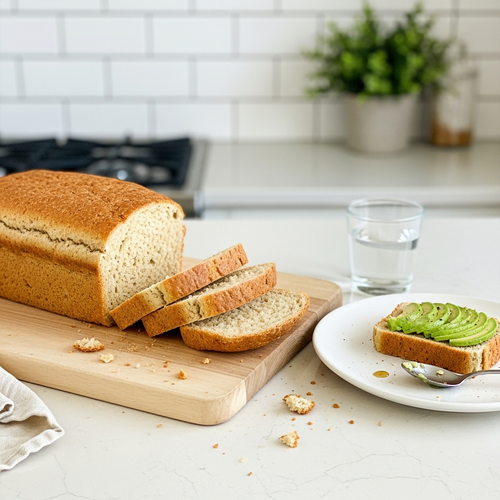
Description: A simple, satisfying homemade bread designed for fat loss. Packed with protein and fiber to crush cravings and keep you full, this recipe works with your ADHD brain to make consistency easy.
Prep Time: 15 minutes | Rise Time: 60 minutes | Cook Time: 30 minutes
Servings: 12 slices
Macros per Serving | Calories: 115 | Protein: 15g | Fat: 3g | Carbohydrates: 8g (4g net)
Ingredients
- 1 ½ cups vital wheat gluten
- ½ cup oat fiber
- ¼ cup unflavored whey or casein protein powder
- 2 tablespoons golden flaxseed meal
- 1 tablespoon active dry yeast
- 2 teaspoons salt
- 1 ½ cups warm water (around 110°F)
- 2 large egg whites
- 1 tablespoon olive oil
- 1 tablespoon allulose or another granulated sugar substitute
Instructions
- In a large bowl, whisk together all dry ingredients: vital wheat gluten, oat fiber, protein powder, flaxseed, yeast, and salt.
- In a separate bowl, mix all wet ingredients: warm water, egg whites, olive oil, and allulose.
- Pour wet ingredients into the dry and mix until a shaggy dough forms.
- Knead on a lightly floured surface for 5-7 minutes until smooth and elastic.
- Place dough in a lightly oiled bowl, cover, and let rise in a warm place for 1 hour, or until doubled.
- Preheat oven to 375°F (190°C). Shape the risen dough into a loaf and place it in a greased 9×5 inch loaf pan.
- Bake for 25-30 minutes, until golden brown and hollow-sounding when tapped.
- Cool in the pan for 10 minutes, then transfer to a wire rack to cool completely before slicing.
Notes
Ensure your yeast is fresh and your water is warm but not hot to get the best rise. Letting the loaf cool completely is critical for the best texture.
FAQs About Healthy Homemade Bread For Weight Loss
Here are some straightforward answers to the most common questions I receive about this high-protein bread recipe.
Can I make this high-protein bread without vital wheat gluten?
This is the number one question I get, and the short answer is no. Vital wheat gluten is the core structural ingredient in this recipe. It’s what provides the vast majority of the protein and, more importantly, it’s what allows the bread to form the chewy, elastic network that we recognize as bread. Trying to substitute it with another flour, like almond or coconut flour, will not work. You would end up with a dense, crumbly brick, not a loaf of bread.
Think of vital wheat gluten as the steel frame of a building. Everything else is built around it. If you have a gluten sensitivity or celiac disease, this specific recipe unfortunately won’t be a good fit. However, the principles behind it still apply. You would want to look for gluten-free recipes that prioritize protein and fiber using other ingredients like psyllium husk, protein powders, and nut flours, but it would be a completely different formula.
Is this homemade bread better for weight loss than store-bought keto bread?
In my experience, yes, for a few key reasons. First, you have 100% control over the ingredients. Many commercial “keto” or “low-carb” breads contain a long list of fillers, gums, and preservatives to achieve a shelf-stable product. My recipe uses simple, whole-food-based ingredients. You know exactly what you’re eating. This can be especially important if you are sensitive to certain additives.
Second is the macro profile, specifically the protein. While many keto breads are low in carbs, they are not necessarily high in protein. They often rely heavily on fiber and fat. This recipe is intentionally designed to be protein-first. That higher protein content is significantly more effective for satiety and hunger management, which is the most critical factor for sustainable fat loss. You will feel fuller for longer after eating a slice of this bread compared to many store-bought alternatives, making you less likely to overeat later.
Why did my protein bread not rise?
A flat loaf is frustrating, but it’s usually due to one of three common issues with the yeast. The first and most likely culprit is dead yeast. Yeast is a living organism and it can expire. Always check the date on your package. To be safe, you can “proof” your yeast by adding it to the warm water with the sweetener and letting it sit for 5-10 minutes. If it gets foamy and bubbly, it’s alive and well. If not, you need new yeast.
The second issue is water temperature. If your water was too hot (over 120°F), it will kill the yeast instantly. If it was too cold, the yeast won’t activate properly. It should feel pleasantly warm, like a bath. The third factor is the rising environment. Yeast loves a warm, draft-free place to do its work. If your kitchen is cold, your dough will rise very slowly or not at all. A great trick is to turn your oven on to its lowest setting for just a minute, then turn it off and place the covered bowl of dough inside with the door closed. This creates a perfect warm box for it to rise in.
Can I make this healthy bread in a bread machine?
Absolutely. A bread machine is a fantastic tool, especially for those of us with ADHD, because it simplifies the process and contains the mess. It automates the kneading and first rise, which can be a huge help on a low-executive-function day. To adapt this recipe for a bread machine, you’ll typically add the wet ingredients to the pan first, followed by the dry ingredients.
Make a small well in the top of the dry ingredients and add the yeast there, making sure it doesn’t touch the wet ingredients or salt directly at first. You can then use the “dough” setting on your machine. Once the dough cycle is complete, you can remove the dough, shape it into a loaf by hand, place it in a traditional loaf pan, and let it do its final rise before baking it in your regular oven. I recommend this over baking it fully in the machine, as it usually produces a better crust and shape.
How can I add more flavor to this healthy homemade bread?
While the base recipe is delicious and neutral, it’s also a perfect canvas for adding other flavors. The easiest way is to incorporate herbs and spices. Adding a teaspoon of garlic powder and a couple teaspoons of dried rosemary or Italian seasoning into the dry ingredients creates an amazing savory loaf that is perfect for sandwiches or toast with eggs. For a bit of a kick, a half teaspoon of red pepper flakes works well.
You can also add inclusions. About 1/4 to 1/3 cup of shredded cheese (like a sharp cheddar or parmesan) can be kneaded into the dough for a savory, cheesy flavor. For a different texture, try adding a few tablespoons of sunflower seeds or pumpkin seeds. Just be mindful that adding ingredients with significant fat or carbs, like cheese or a large quantity of seeds, will alter the final macro count per slice. Start with small additions and see what you like best.
Try These High-Protein Recipes Next
If you loved this brutally practical approach to fitting bread into your fat-loss plan, here are a few other recipes you should try.
-
Easy High-Protein Sourdough Bread Recipe: If you’re ready for the next level, this recipe gives you that classic tangy sourdough flavor with a macro-friendly twist.
-
High-Protein Focaccia Bread Recipe: Perfect for a savory side or the base of an amazing sandwich, this focaccia is fluffy, satisfying, and packed with protein.
-
15 Easy Bread Recipes for Thanksgiving: This roundup from This Gal Cooks offers a ton of great ideas, many of which can be adapted with a protein boost for a healthier holiday table.
Remember, consistency wins. Find the recipes you love and make them a regular part of your flexible eating plan.