
I used to think vegetable soup was boring. It was something you ate when you were sick or on some crash diet that left you starving an hour later. It definitely wasn’t on my radar when I started my own fitness journey, trying to figure out how to feed myself and my kid without spending all day in the kitchen.
Everything changed when I realized I was approaching it all wrong. I didn’t need a restrictive diet. I needed simple, filling meals that I could make in a big batch and eat for days. I needed food that would quiet the cravings and keep my energy stable, especially on days when my ADHD brain was pulling me in a million directions.
That’s when I started experimenting with this high-protein vegetable soup. My goal was to create a recipe that was packed with fiber and plant-based protein to keep me full, ridiculously easy to make, and tasted so good I’d actually look forward to eating it. This isn’t diet soup. It’s a hearty, satisfying meal that became a cornerstone of my 65-pound weight loss, both before and after I started medication.
It’s brutally practical, just the way we like it.
Skip to My Flexibe Diet Recipe!
Why Vegetable Soup Is Great For Fat Loss
When we talk about fat loss, the single most important factor is managing your total calorie intake. But for those of us with ADHD, just “eating less” is a terrible strategy. Our brains are wired for novelty and reward, which makes us vulnerable to cravings and impulse eating when we feel deprived or hungry.
This is where a recipe like this high-protein vegetable soup becomes a powerful tool. It’s designed specifically to work with your brain, not against it. The core of its effectiveness comes down to two things: volume and satiety. This soup is packed with water and fiber from the vegetables, which physically fills up your stomach and sends signals to your brain that you’re full. This is called high-volume eating, and it’s a game-changer for managing hunger without feeling like you’re on a diet.
But we don’t stop there. We follow the ADHD FIT principle: protein first. We’ve loaded this soup with lentils, quinoa, and cannellini beans. These ingredients are nutritional powerhouses, providing a triple-threat of protein, complex carbohydrates, and even more fiber. Protein is the most satiating macronutrient, meaning it keeps you feeling full longer than fats or carbs. The slow-digesting carbs provide steady energy, helping you avoid the energy crashes that can trigger a hunt for sugary snacks.
The secret weapon is the Greek yogurt or pureed cottage cheese stirred in at the end. It adds a creamy, satisfying texture without the heavy fat of actual cream, and it gives the soup a final, significant protein boost. This isn’t just a bowl of broth and vegetables. It’s a complete, balanced meal engineered to manage hunger, stabilize your energy, and make sticking to your fat loss goals feel effortless, even on your most chaotic days.
Ingredients You’ll Need for Vegetable Soup
One of the best things about this recipe is its reliance on simple, affordable pantry staples. You don’t need to hunt down a dozen specialty items. This is all about convenience and building a delicious meal from things that are easy to keep on hand.
Here’s exactly what you’ll need:
- 1 tbsp olive oil
- 1 large yellow onion, chopped
- 2 medium carrots, chopped
- 2 celery stalks, chopped
- 4 cloves garlic, minced
- 8 cups low-sodium vegetable broth
- 1 cup dried green or brown lentils, rinsed
- 1/2 cup quinoa, rinsed
- 1 (15-ounce) can diced tomatoes, undrained
- 1 (15-ounce) can cannellini beans or chickpeas, rinsed and drained
- 2 cups chopped kale or spinach
- 1 cup frozen green peas
- 1/2 cup plain, non-fat Greek yogurt or pureed low-fat cottage cheese
- 2 tsp dried thyme
- 1 tsp smoked paprika
- 1/2 tsp black pepper
- 1 tbsp balsamic vinegar or lemon juice
- Salt to taste
- Fresh parsley, chopped (for garnish)
The key ingredient that really elevates this vegetable soup from standard fare to an ADHD FIT staple is the pureed low-fat cottage cheese or Greek yogurt. This is our secret weapon for creaminess and a major protein boost. It adds a rich, satisfying texture that you’d normally get from heavy cream, but with a fraction of the fat and calories, plus a solid dose of protein to crush hunger.
A quick note on a few ingredients. Using low-sodium vegetable broth is important because it allows you to control the final salt level of the soup. Canned goods and broths can be loaded with sodium, and by starting with a low-sodium base, you can season it to your own preference. Also, don’t skip rinsing your lentils and quinoa! This removes any dust or debris and, in the case of quinoa, gets rid of saponin, a natural coating that can taste bitter.
How To Make Vegetable Soup (Step-By-Step)
We build our recipes for low-motivation days. This process is straightforward and forgiving. There are no complicated techniques, and the whole thing comes together in one pot, which means less cleanup. Less cleanup is always a win.
Step 1: Sauté Your Foundation
Start by heating the olive oil in a large pot or a Dutch oven over medium heat. A Dutch oven is fantastic here because it holds heat so evenly, but any big soup pot will work. Add your chopped onion, carrots, and celery. This combination is called a mirepoix, and it’s the flavor base for countless amazing dishes. Let them cook, stirring occasionally, for about 5 to 7 minutes. You’re not trying to brown them, just soften them up until the onions become translucent. This step builds a deep, savory foundation for the entire soup.
Step 2: Add Aromatics and Liquids
Once the vegetables are soft, stir in the minced garlic. This is an important detail. Garlic burns easily, which makes it bitter. By adding it now, you only need to cook it for about a minute until you can smell it. As soon as it’s fragrant, pour in the vegetable broth to stop the cooking. Then, add the undrained can of diced tomatoes, the rinsed lentils, and the rinsed quinoa. Give it all a good stir.
Step 3: Simmer and Season
Now it’s time to add your dried seasonings. Sprinkle in the thyme, smoked paprika, and black pepper. Stir everything together, increase the heat, and bring the soup to a boil. Once it’s bubbling, immediately reduce the heat to low, put the cover on the pot, and let it simmer. Set a timer for 25 to 30 minutes. This gives the lentils and quinoa plenty of time to cook through and become tender.
Step 4: Add the Final Ingredients
After the simmer, your lentils and quinoa should be perfectly cooked. Now, stir in the rinsed cannellini beans, the chopped kale or spinach, and the frozen peas. You don’t need to thaw the peas. They’ll heat up right in the pot. Cook for just another 5 minutes, long enough for the kale or spinach to wilt down into the soup and for the peas and beans to get hot.
Step 5: Finish with Creaminess and Acidity
Turn off the heat. This is the final, crucial step. Stir in your Greek yogurt or pureed cottage cheese. Mixing it in off the heat prevents it from curdling and ensures the soup becomes smooth and creamy. Finally, add the balsamic vinegar or lemon juice. A splash of acid at the end might sound strange, but it brightens all the other flavors and makes the soup taste alive. Give it one last taste and add salt as needed. Serve it hot, and if you’re feeling fancy, top it with some fresh parsley.
How To Serve Vegetable Soup (ADHD-Friendly)
How you serve your food can be just as important as how you cook it, especially when you’re trying to build sustainable habits. With ADHD, decision fatigue is real. The more choices you have to make at mealtime, the more likely you are to get overwhelmed and grab whatever is easiest, not what’s best for your goals. So, we keep serving simple and consistent.
This vegetable soup is designed to be a complete, one-bowl meal. It already has your protein, your complex carbs, your healthy fats, and tons of vegetables. You do not need to think about making complicated side dishes. This is your main event. The goal is to reduce the number of steps between you and a healthy meal.
To make it even easier, embrace the “single serving” mindset ahead of time. When the soup is done, don’t just put the whole pot in the fridge. Portion it out immediately into individual, microwave-safe containers. Now, lunch or dinner is already decided and ready to go. It’s a simple system that short-circuits that “what should I eat?” spiral.
For a little variety without adding complexity, here are a few zero-effort ways to top your soup:
- A Sprinkle of Parmesan: A little bit of grated Parmesan cheese adds a salty, savory kick.
- Toasted Seeds: A spoonful of pumpkin or sunflower seeds adds a satisfying crunch and a boost of healthy fats.
- A Dollop of Yogurt: If you love the creaminess, add another small scoop of Greek yogurt right on top before serving.
These small additions take seconds but can make the meal feel new again, which is key for our novelty-seeking brains. The most important part is having a plan. Knowing you have a delicious, filling bowl of soup waiting for you removes the guesswork and makes it easy to stay on track.
How To Store, Reheat, and Reuse Vegetable Soup
One of the core principles we live by at ADHD FIT is “cook once, eat for days.” This vegetable soup recipe is perfect for that. Making a big batch on a Sunday can solve your lunch or dinner problem for half the week, freeing up mental energy for more important things. But you have to store it right to keep it tasting great.
Once the soup has cooled down a bit (never put a piping hot pot directly in the fridge), you have two main options for storage. The key is to use airtight containers to prevent the soup from absorbing other flavors from your fridge and to keep it fresh.
Here’s how to handle storage and reheating to make your life easier:
- In the Refrigerator: Ladle the soup into airtight containers. As I mentioned before, I highly recommend portioning it into single-serving containers right away. This is an amazing ADHD hack. It removes a future step and makes grabbing a healthy meal as easy as getting takeout. The soup will last for up to 4-5 days in the fridge.
- In the Freezer: This soup freezes beautifully! This is my go-to strategy for future-proofing my meal plan. Let the soup cool completely, then pour it into freezer-safe containers or heavy-duty freezer bags. Be sure to leave about an inch of space at the top for expansion. It will keep well in the freezer for up to 3 months. Pro-tip: freeze some in single-serving portions for a quick meal on a day you have zero motivation to cook.
When you’re ready to eat, reheating is simple. If it’s refrigerated, you can pour a serving into a saucepan and heat it gently on the stove over medium-low heat, or just pop it in the microwave. If it’s frozen, you can thaw it overnight in the fridge for best results, or if you’re in a pinch, use the defrost setting on your microwave before heating it through. The soup might thicken up a bit after storing, so feel free to add a splash of water or broth to get it to your desired consistency.
Easy Swaps & Variations for Vegetable Soup
Flexibility is everything. You’re not always going to have every single ingredient on hand, and that’s okay. A good recipe should be a template, not a strict set of rules. This vegetable soup is incredibly forgiving and easy to adapt based on what you have in your pantry or what your dietary needs are.
The goal is consistency, not perfection. If swapping an ingredient means you’ll actually make the soup instead of ordering a pizza, that’s a huge win. Don’t let a missing item derail your plan. Here are some simple, proven swaps and variations that work perfectly with this recipe.
Feel free to experiment with these to keep things interesting or to use up what you have:
- Protein Swaps: If you don’t have lentils, you can use a can of black beans or kidney beans instead. No cannellini beans? Chickpeas are a great substitute. You can also increase the protein by using bone broth instead of vegetable broth or by adding shredded rotisserie chicken in the last 5 minutes of cooking.
- Grain Swaps: The quinoa adds a wonderful texture and complete protein, but you can easily swap it. Try using brown rice, farro, or barley. Just be aware that different grains have different cooking times, so you may need to adjust the initial simmering time accordingly.
- Vegetable Swaps: This is the easiest place to get creative. Use this soup to clean out your vegetable drawer! Add chopped zucchini, bell peppers, or mushrooms along with the onions and carrots. You can also stir in frozen corn or cauliflower. Almost any vegetable will work well here.
- Make it Vegan: To make this soup 100% vegan, simply omit the Greek yogurt or cottage cheese. The soup will be less creamy but still delicious. You could also try stirring in a spoonful of nutritional yeast for a cheesy flavor or using a plant-based plain yogurt.
Remember, the base recipe is a solid foundation. These variations allow you to tailor it to your life, reduce food waste, and prevent boredom. This flexibility is what makes a healthy eating plan sustainable in the long run, especially for the ADHD brain that craves variety.
High-Protein Vegetable Soup
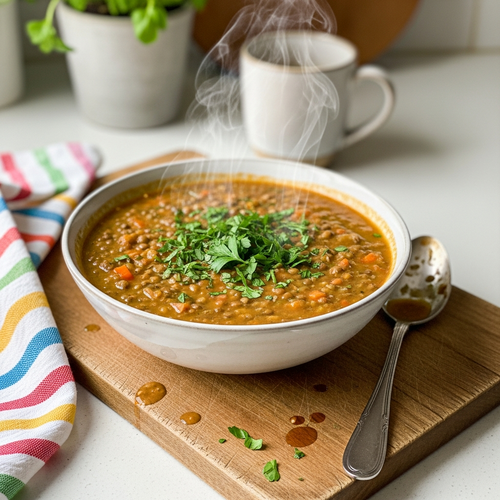
Description: A hearty, one-pot vegetable soup packed with plant-based protein and fiber. It’s designed to be incredibly filling, easy to make in a large batch, and perfect for a sustainable fat loss lifestyle.
Prep Time: 15 minutes | Cook Time: 40 minutes
Servings: 6
Macros per Serving | Calories: 316 | Protein: 16g | Fat: 3g | Carbohydrates: 48g
Ingredients
- 1 tbsp olive oil
- 1 large yellow onion, chopped
- 2 medium carrots, chopped
- 2 celery stalks, chopped
- 4 cloves garlic, minced
- 8 cups low-sodium vegetable broth
- 1 cup dried green or brown lentils, rinsed
- 1/2 cup quinoa, rinsed
- 1 (15-ounce) can diced tomatoes, undrained
- 1 (15-ounce) can cannellini beans, rinsed and drained
- 2 cups chopped kale or spinach
- 1 cup frozen green peas
- 1/2 cup pureed low-fat cottage cheese
- 2 tsp dried thyme
- 1 tsp smoked paprika
- 1/2 tsp black pepper
- 1 tbsp balsamic vinegar or lemon juice
- Salt to taste
- Fresh parsley, chopped (for garnish)
Instructions
- Heat olive oil in a large pot over medium heat. Add onion, carrots, and celery; cook for 5-7 minutes until soft. Stir in garlic and cook for 1 minute.
- Pour in vegetable broth, diced tomatoes, lentils, and quinoa. Season with thyme, paprika, and pepper.
- Bring to a boil, then reduce heat, cover, and simmer for 25-30 minutes until lentils and quinoa are tender.
- Stir in cannellini beans, kale/spinach, and frozen peas. Cook for 5 more minutes until greens are wilted.
- Remove from heat. Stir in the pureed cottage cheese, balsamic vinegar, and salt to taste. Serve hot.
Notes
This soup stores exceptionally well. Portion into single-serving containers for easy grab-and-go meals throughout the week. It will last up to 5 days in the fridge or 3 months in the freezer.
FAQs About Vegetable Soup For Weight Loss
Here are some straightforward answers to the most common questions I receive about this vegetable soup recipe.
Can you really lose weight by eating vegetable soup?
Yes, you absolutely can, but it’s important to understand why. You don’t lose weight because of some magic property in the soup itself. You lose weight because a well-designed vegetable soup, like this one, is a powerful tool for managing calories and hunger, which are the cornerstones of fat loss.
This recipe is high in volume and low in calorie density. That means a large, filling bowl has relatively few calories. The fiber from the vegetables, lentils, beans, and quinoa swells in your stomach, making you feel physically full. On top of that, the high protein content is very satiating, meaning it keeps you feeling full for hours. When you feel full and satisfied, you’re far less likely to overeat later in the day or give in to cravings for high-calorie junk food. It’s not a crash diet; it’s a strategy for making a calorie deficit feel easy and sustainable.
Is this vegetable soup recipe healthy for everyday eating?
Yes, this recipe is incredibly healthy and is designed to be a regular part of a balanced diet. Unlike some old-school “cabbage soup diets” that are just broth and a few vegetables, this is a nutritionally complete meal. It provides a fantastic balance of all three macronutrients: complex carbohydrates for sustained energy, high-quality plant-based protein for muscle maintenance and satiety, and a small amount of healthy fat.
Furthermore, it’s packed with micronutrients. You’re getting a wide array of vitamins, minerals, and antioxidants from the diverse range of vegetables, legumes, and grains. The high fiber content is also excellent for digestive health and stabilizing blood sugar levels. This isn’t just “diet food.” It’s a genuinely nourishing meal that supports your overall health and wellness while also helping you reach your fitness goals.
How can I add more protein to this vegetable soup?
While this soup is already designed to be high in protein for a vegetarian dish, there are definitely ways to boost it even further if that aligns with your specific macro goals. The easiest method is to add a lean animal protein. Stirring in shredded rotisserie chicken or cooked ground turkey during the last few minutes of cooking is a fantastic and convenient option.
If you want to stick with plant-based options, you can simply increase the amount of the existing protein sources. Try adding an extra can of beans (chickpeas, kidney beans, or black beans all work well) or increasing the lentils to 1.5 cups. You could also add a cup of edamame along with the frozen peas. Another great hack is to swap the low-sodium vegetable broth for a high-quality bone broth, which can add an extra 10 grams of protein per serving.
Can I make this vegetable soup in a slow cooker or Instant Pot?
Absolutely. This recipe is very adaptable to different cooking methods. For a slow cooker, I recommend sautéing the onion, carrots, celery, and garlic in a separate pan first, as this develops a crucial layer of flavor that you don’t want to skip. Then, transfer the sautéed vegetables to the slow cooker and add all the other ingredients except for the greens, peas, and yogurt/cottage cheese. Cook on low for 6-8 hours or on high for 3-4 hours. In the last 20 minutes, stir in the kale/spinach and frozen peas. Stir in the yogurt and vinegar just before serving.
For an Instant Pot, use the “Sauté” function to cook the onion, carrots, celery, and garlic directly in the pot. Then, add the broth, tomatoes, lentils, quinoa, and seasonings. Secure the lid, set the valve to “Sealing,” and cook on high pressure for 10 minutes. Let the pressure release naturally for 10 minutes before doing a quick release. Stir in the beans, greens, and peas, and let them warm through on the “Sauté” setting for a few minutes. Turn it off before stirring in the yogurt and vinegar.
Why is my vegetable soup bland and how can I fix it?
Bland soup is usually a result of under-seasoning or a lack of depth in the flavor base. The first step in this recipe, sautéing the onion, carrots, and celery, is critical for building that base, so don’t rush it. The smoked paprika and thyme also add a lot of warmth and complexity. If your soup still tastes flat at the end, the problem is almost always a lack of salt and acid.
Salt doesn’t just make things salty; it enhances and brightens all the other flavors. Since we start with low-sodium broth, you will likely need to add more salt at the end than you think. Add it gradually, tasting as you go, until the flavors “pop.” The second secret weapon is acid. The final splash of balsamic vinegar or lemon juice is not optional! It cuts through the richness and makes the whole pot taste brighter and more vibrant. If your soup is bland, chances are it needs more salt, a squeeze of lemon, or both.
Try These High-Protein Recipes Next
If you loved how simple and satisfying this recipe is, I have a few others that follow the same philosophy.
- ADHD-Friendly Lentil Soup: This is another one-pot wonder that’s a pure protein and fiber powerhouse. It’s incredibly hearty and one of my go-to recipes for batch prepping.
- Easy & Healthy Ratatouille: A fantastic way to pack in a ton of different vegetables. It’s simple, delicious, and proves that healthy eating can be full of flavor.
- 7 Easy Soup Recipes: This roundup offers some great variety for when you want to keep soup on the menu but need to switch things up to keep your brain engaged.
These recipes are all designed to help you get results without the stress and complexity. Enjoy!