
I have a long and complicated history with the classic no bake cookie. Growing up, they were a staple. That chocolate, peanut butter, and oatmeal combination was pure comfort. When I started my fitness journey, they felt like forbidden fruit. The original recipe is loaded with butter and sugar, a perfect recipe for derailing fat loss.
For years, I just avoided them. I told myself they didn’t fit into a healthy lifestyle. But deprivation never works, especially for an ADHD brain that craves novelty and reward. The restriction just led to bigger cravings and eventual binges. It was a cycle I had to break.
So, I set out to create a version that worked for me, not against me. I needed a high-protein no bake cookie that could satisfy my sweet tooth, crush cravings, and keep me on track with my goals. It had to be simple, fast, and made with ingredients I already had. This recipe is the result of that mission. It’s the treat that helped me lose 65 pounds and keep it off, all while enjoying my food.
It’s proof that you don’t have to give up the foods you love to get the results you want.
Skip to My Flexibe Diet Recipe!
Why No Bake Cookies Are Great For Fat Loss
When you’re aiming for fat loss, the biggest battles are often fought against hunger and cravings. This is where a strategically built recipe, like this high-protein no bake cookie, becomes a powerful tool. It’s not about restriction. It’s about smart satisfaction.
The foundation of this recipe is protein. We pack in half a cup of protein powder, which is a game-changer for a few reasons. First, protein is the most satiating macronutrient. It keeps you feeling full and satisfied for longer, which means you’re less likely to mindlessly snack later. This helps you stay in a calorie deficit without feeling constantly deprived.
Second, we’re managing blood sugar. Traditional cookies cause a rapid spike in blood sugar followed by a crash, which triggers more cravings and low energy. Our version uses oats for slow-release carbs and a sugar-free sweetener. This combination, along with the protein and healthy fats from peanut butter and coconut oil, provides steady energy. No more afternoon slumps that send you running for the nearest vending machine.
For the ADHD brain, this is critical. Unstable blood sugar can wreck our already-taxed executive functions. By keeping energy levels stable, we can improve focus and reduce the impulsivity that often leads to poor food choices. These cookies are a planned, flexible treat that serves a purpose. They give you that dopamine hit you crave in a package that supports your body and your goals.
Ingredients You’ll Need for No Bake Cookies
The beauty of this recipe is its simplicity. These are pantry staples for anyone living a fit lifestyle. No weird, hard-to-find ingredients here. Just simple, effective components that come together to create something delicious and goal-friendly.
Here’s exactly what you’ll need to get started:
- 1 cup quick-cooking oats
- 1/2 cup chocolate or vanilla protein powder (whey, casein, or a plant-based blend work well)
- 1/4 cup unsweetened cocoa powder
- 1/4 cup natural creamy peanut butter or almond butter
- 1/4 cup unsweetened almond milk
- 2 tablespoons sugar-free maple syrup or other low-calorie liquid sweetener
- 1 tablespoon coconut oil
- 1 teaspoon vanilla extract
- Pinch of sea salt
The key ingredient that transforms this from a simple treat into a fitness tool is the protein powder. The type you use will affect the final texture. A whey/casein blend tends to create the best cookie-like consistency. Plain whey can sometimes be a bit drier, while some plant-based proteins can be gritty. Use a brand you know and love the taste of. If the protein powder tastes bad on its own, it won’t taste good in the cookies.
For the oats, make sure you use quick-cooking oats. Old-fashioned or rolled oats won’t soften enough without being cooked, leaving you with a tough, chewy texture. Quick oats are thinner and absorb the liquid perfectly. Also, opt for a natural creamy peanut butter where the only ingredients are peanuts and maybe salt. The overly processed kind with added sugars and oils will change the nutritional profile and consistency.
How To Make No Bake Cookies (Step-By-Step)
One of my rules for ADHD-friendly recipes is that they must have simple, clear steps. We’re going to tackle this in three easy phases: prepping the dry ingredients, melting the wet ingredients, and then combining everything. This breaks the task down and prevents that feeling of overwhelm.
ADHD Tip: Before you start, pull out every single ingredient and measuring tool you need. Put them on the counter. This technique, called “mise en place,” saves your brain from task-switching and reduces the chance you’ll forget something midway through.
Step 1: Combine Your Dry Ingredients
Grab a large mixing bowl. Add your quick-cooking oats, protein powder, and unsweetened cocoa powder. Use a whisk to mix them together thoroughly. This is an important step because it ensures the protein and cocoa are evenly distributed. If you skip this, you might get clumps of dry powder in your finished cookies. We want consistent flavor in every bite.
Step 2: Melt the Wet Ingredients
In a small saucepan, combine the peanut butter, unsweetened almond milk, sugar-free maple syrup, and coconut oil. Place it over medium-low heat. The goal here is to gently melt and combine everything into a smooth, liquid mixture. Stir it constantly with a spatula. The biggest mistake you can make is letting it get too hot or boil. Boiling can cause the mixture to separate and will result in dry, crumbly cookies. As soon as it’s melted and smooth, take it off the heat.
Step 3: Mix, Scoop, and Chill
Once your wet mixture is off the heat, stir in the vanilla extract and a pinch of sea salt. The salt enhances the chocolate and peanut butter flavors. Immediately pour the warm wet ingredients into the bowl with your dry ingredients. Use a sturdy spoon or spatula to mix everything together until a sticky, thick dough forms. It should all come together pretty quickly. Line a baking sheet with parchment paper, then use a spoon or a small cookie scoop to drop rounded tablespoons of the mixture onto the sheet. Gently flatten them with the back of the spoon. Finally, place the entire baking sheet in the refrigerator for at least 30 minutes to let them set and firm up.
How To Serve No Bake Cookies (ADHD-Friendly)
These cookies are designed for convenience and flexibility. They are the perfect solution for when you need a quick snack or a planned dessert that won’t send you into a sugar-induced spiral. Thinking about how to serve them is really about thinking when your brain and body need them most.
For many of us with ADHD, the mid-afternoon is a danger zone. Our medication might be wearing off, energy is tanking, and the craving for a quick dopamine hit is strong. This is the perfect time for a no bake cookie. It provides a hit of protein and steady energy to carry you through the rest of the day, preventing an impulsive trip to the snack machine.
Here are a few ADHD-friendly ways to incorporate them into your routine:
- The Pre-Portioned Snack Pack: The moment these are done setting, portion them out. Put one or two cookies into small zip-top bags or tiny containers. This removes all future decision-making. When you need a snack, you just grab a bag. This “out of sight, out of mind” tactic also helps prevent accidentally eating half the batch while standing in front of the fridge.
- The Post-Workout Refuel: Keep a container of these in your gym bag or car (if it’s not too hot). They have a great mix of protein and carbs to help with muscle recovery after a workout. It’s a much better option than a sugary protein bar from the store.
- The Planned Dessert: Pair one or two cookies with a cup of herbal tea in the evening. This creates a satisfying end-of-day ritual. By planning your treat, you take away its power. It’s no longer a “cheat” but a deliberate part of your flexible eating plan.
The key is to make them work for your life. By preparing them ahead of time and having a plan for when you’ll eat them, you turn a simple cookie into a powerful tool for managing your energy, cravings, and fitness goals.
How To Store, Reheat, and Reuse No Bake Cookies
Proper storage is key to keeping these cookies fresh, delicious, and ready to go when you need them. Because they contain coconut oil and peanut butter that soften at room temperature, they must be kept chilled. Leaving them on the counter will result in a soft, sticky mess.
Here’s the best way to store them and a few ideas for using any that might get crumbled along the way.
- In the Refrigerator: This is the primary storage method. Place the set cookies in an airtight container. You can stack them with a small piece of parchment paper between the layers to prevent sticking. They will stay fresh and firm in the fridge for up to one week. This makes them perfect for weekly meal prep.
- In the Freezer: These cookies freeze beautifully. For longer storage, place them in a single layer on a baking sheet and freeze until solid, about an hour. Once frozen, you can transfer them to a freezer-safe bag or container. They will last for up to three months. You can eat them straight from the freezer for a firmer, chewier texture or let them thaw in the fridge for about 15-20 minutes.
Since these are no bake cookies, there’s no need to reheat them. They are meant to be eaten chilled. However, if some get broken or you just want to change things up, they are great for reusing.
My favorite way to use up any crumbled bits is as a topping. Sprinkle them over a bowl of Greek yogurt or protein pudding for added flavor and texture. You can also blend a cookie into a chocolate peanut butter protein shake to make it even more decadent and satisfying. It’s a great way to ensure nothing goes to waste.
Easy Swaps & Variations for No Bake Cookies
One of the best things about this no bake cookie recipe is how easy it is to customize. You can tweak it based on your dietary needs, taste preferences, or simply what you happen to have in your pantry. A flexible recipe is a sustainable recipe, and that’s what we’re all about here.
Don’t be afraid to experiment. Use this base recipe as a starting point and make it your own.
Here are some simple swaps and variations that work great:
- Nut Butter Variations: While peanut butter is classic, this recipe works equally well with almond butter, cashew butter, or even sunflower seed butter for a nut-free option. Just be sure to use a creamy, natural variety for the best texture.
- Protein Powder Flavors: Chocolate and vanilla are the obvious choices, but you can get creative. Salted caramel, peanut butter cup, or mocha-flavored protein powders would all be fantastic and add a unique twist to your no bake cookie.
- Mix-In Mania: Add a tablespoon or two of extra ingredients for more texture and flavor. Some great options include chia seeds or ground flaxseed for an omega-3 boost, shredded unsweetened coconut, or a handful of sugar-free chocolate chips. Just be mindful that this will alter the final macros.
- Sweetener Swaps: If you don’t have sugar-free maple syrup, you can use honey, regular maple syrup, or agave nectar. Just remember that these will add sugar and calories, so adjust according to your goals. For a different sugar-free option, monk fruit liquid sweetener also works well.
These simple adjustments can keep the recipe feeling fresh and exciting, which is a huge help for the ADHD brain that thrives on novelty. Having a few variations in your back pocket makes it easier to stick with your plan long-term.
High-Protein No Bake Cookie Recipe
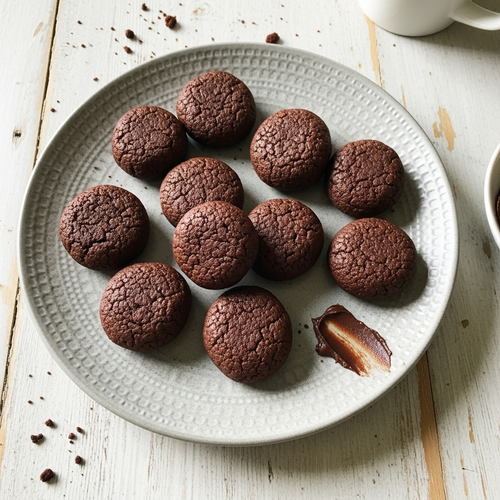
Description: A quick, easy, and delicious no bake cookie packed with protein to crush cravings and support your fat loss goals. The perfect ADHD-friendly treat.
Prep Time: 5 minutes | Cook Time: 10 minutes
Servings: 12 cookies
Macros per Serving | Calories: 90 | Protein: 6g | Fat: 5g | Carbohydrates: 7g
Ingredients
- 1 cup quick-cooking oats
- 1/2 cup chocolate or vanilla protein powder
- 1/4 cup unsweetened cocoa powder
- 1/4 cup natural creamy peanut butter
- 1/4 cup unsweetened almond milk
- 2 tablespoons sugar-free maple syrup
- 1 tablespoon coconut oil
- 1 teaspoon vanilla extract
- Pinch of sea salt
Instructions
- In a large bowl, whisk together the oats, protein powder, and cocoa powder.
- In a small saucepan over medium-low heat, combine peanut butter, almond milk, sugar-free maple syrup, and coconut oil. Stir until melted and smooth, but do not boil.
- Remove from heat and stir in vanilla and salt.
- Pour the wet mixture into the dry ingredients and stir until a sticky dough forms.
- Drop rounded tablespoons of the mixture onto a parchment-lined baking sheet and flatten slightly.
- Refrigerate for at least 30 minutes to set. Store in an airtight container in the refrigerator.
Notes
For best results, use a whey/casein blend protein powder. The type of protein powder can affect the final texture, so you may need to add a splash more almond milk if the dough seems too dry.
FAQs About No Bake Cookies For Weight Loss
Here are some straightforward answers to the most common questions I receive about this no bake cookie recipe.
Can I make this no bake cookie recipe gluten-free?
Yes, absolutely. Making this recipe gluten-free is incredibly simple. The only ingredient you need to be concerned with is the oats. While oats are naturally gluten-free, they are often processed in facilities that also handle wheat, barley, and rye, which can lead to cross-contamination.
To ensure your cookies are completely gluten-free, all you need to do is purchase oats that are specifically labeled as “certified gluten-free.” You can find these in the health food aisle of most major grocery stores. The rest of the ingredients in this recipe, such as protein powder, cocoa powder, and peanut butter, are typically gluten-free, but it’s always a good practice to double-check the labels, especially for the protein powder, to be certain.
What is the best protein powder for these no bake cookies?
The protein powder you choose has the biggest impact on the final taste and texture of your cookies. For the best consistency, I recommend using a protein blend that contains both whey and casein. Casein protein is thicker and absorbs more liquid, which helps create a fudgy, more authentic cookie texture that holds together well.
That said, you can definitely use 100% whey protein or a plant-based protein powder if that’s what you prefer or have on hand. If using whey isolate, which is very fine, your mixture might seem a bit dry. You may need to add an extra teaspoon or two of almond milk to get the right dough-like consistency. For plant-based powders (like pea, rice, or soy), be aware that some can have a slightly gritty texture or a stronger flavor. The most important rule is to use a protein powder that you genuinely enjoy the taste of on its own. If it tastes chalky in a shake, it will make your cookies taste chalky.
Why are my no bake cookies dry or crumbly?
This is the most common issue people run into, and it almost always comes down to one of two things: heat or moisture. The first culprit is overheating the wet ingredients. If you let the peanut butter and milk mixture come to a boil or even a strong simmer, too much moisture will evaporate. This leaves you with a thicker, drier base that can’t properly hydrate the oats and protein powder, resulting in a crumbly final product. Always melt the ingredients over gentle, medium-low heat and remove the saucepan as soon as everything is smooth.
The second cause is the protein powder itself. Different brands and types of protein absorb liquid differently. A very absorbent powder, like casein or some plant-based blends, might soak up all the liquid and leave the dough dry. If your dough looks crumbly and won’t stick together after mixing, simply add more almond milk, one teaspoon at a time, until it reaches a sticky, cohesive consistency. It’s an easy fix that will save your batch.
Can I make these no bake cookies without protein powder?
You can make a version of these without protein powder, but it’s important to understand that it will fundamentally change the recipe’s purpose and nutritional profile. The protein is the key ingredient that makes these a powerful tool for hunger management and fat loss. Removing it will turn them into a more traditional, carb-heavy treat.
If you want to make them without protein powder, you’ll need to substitute it with something to maintain the structure. You could try replacing the half-cup of protein powder with an additional half-cup of quick-cooking oats and a couple of tablespoons of powdered peanut butter. This will help absorb the liquid, but the final macros will be much higher in carbs and lower in protein. They will still be delicious, but they won’t provide the same satiating benefits that help with cravings and keeping you full.
How does this no bake cookie recipe help with ADHD cravings?
This recipe is specifically engineered to combat the unique challenges of the ADHD brain. Many of our cravings are not just about hunger. they are about our brain’s search for dopamine, the neurotransmitter associated with reward and pleasure. Sugary, high-fat foods provide a quick and powerful dopamine hit, which is why we often reach for them, especially when we’re feeling under-stimulated, bored, or emotionally drained.
This no bake cookie recipe provides that satisfying sense of reward in a much more constructive way. The combination of chocolate and peanut butter is inherently pleasurable, checking the dopamine box. But more importantly, the high protein and fiber content stabilizes blood sugar. This prevents the energy crashes that often trigger impulsive eating and intense cravings. When your energy is stable, your executive functions, like impulse control and decision-making, are stronger. By having a planned, delicious, and functionally sound treat ready to go, you are proactively managing your brain’s needs instead of reactively giving in to impulses that work against your long-term goals.
Try These High-Protein Recipes Next
If you loved this simple and satisfying recipe, here are a few others you should try next.
- Easy No-Bake Protein Bars: These are another fantastic grab-and-go option for busy days, packed with protein to keep you full and focused.
- High-Protein Edible Cookie Dough: When you just want a spoonful of something sweet, this recipe is the perfect single-serving solution.
- No Bake Chocolate Peanut Butter Granola Bars: A great recipe that combines chewy granola with the classic chocolate and peanut butter flavor combo.
Having a rotation of easy, high-protein treats is one of the best ways to build a sustainable lifestyle.