
Banana bread was my ultimate comfort food. Before I figured out this whole fitness thing, a giant, buttery slice of it was my go-to for stress, boredom, and everything in between. When I started my fat loss journey, the one that led to me dropping 65 pounds, I thought I had to say goodbye to it forever. That “all or nothing” thinking is a classic ADHD trap.
I tried. I white-knuckled my way through cravings, telling myself that muffins and breads were “bad.” But that approach always ended in a binge. It wasn’t sustainable. I knew if I wanted to keep the weight off for good, I had to find a way to work with my brain, not against it. That meant finding a way to enjoy my favorite foods without derailing my progress.
This high-protein banana muffin recipe is the direct result of that struggle. It took years of tinkering, first without medication and then refining it after I started, to get it right. I needed something that tasted like a real treat but was packed with enough protein to actually keep me full and crush cravings. These muffins are my secret weapon for staying on track. They are brutally practical, delicious, and prove you don’t have to give up the foods you love to get the results you want.
They are a perfect example of flexible eating in action.
Skip to My Flexibe Diet Recipe!
Why Banana Muffins Are Great For Fat Loss
Let’s get one thing straight: a typical bakery banana muffin is basically a cupcake without the frosting. It’s loaded with sugar, refined flour, and butter, which adds up to a ton of calories and a massive blood sugar spike. That spike is followed by a crash, which leaves you hungry and craving more sugar just an hour or two later. It’s a vicious cycle that makes fat loss feel impossible.
This recipe flips the script entirely. We built it from the ground up with fat loss and hunger management as the primary goals. Food is 75 percent of your results, and getting your nutrition right is about making smart swaps that still taste amazing. That’s exactly what we’re doing here.
First, we swap out nutrient-poor all-purpose flour for oat flour and protein powder. The protein is the star of the show. With a solid dose from both the whey-casein blend and the Greek yogurt, each muffin helps you feel fuller for longer. Protein is the most satiating macronutrient, meaning it crushes hunger and helps you eat fewer calories overall without feeling deprived.
The oat flour provides complex carbohydrates and fiber. Unlike the simple carbs in white flour, these digest slowly. This gives you sustained energy and prevents that dreaded sugar crash. We’re also slashing the fat and sugar content by using unsweetened applesauce and just a touch of maple syrup, relying on the natural sweetness of very ripe bananas. This isn’t about restriction. It’s about building a better, more supportive muffin that fuels your body and makes consistency feel easy.
Ingredients You’ll Need for Banana Muffins
We keep our recipes simple because complexity is the enemy of consistency, especially on low-motivation days. Every ingredient here serves a purpose, balancing macros and flavor to create the perfect fat-loss friendly banana muffin. You won’t find any weird, hard-to-find ingredients here.
The key ingredient that makes this recipe work so well is the whey-casein blend protein powder. I prefer a blend over 100% whey for baking because casein absorbs more liquid, which results in a much moister, more tender muffin. Pure whey protein can sometimes turn baked goods dry and rubbery. A simple vanilla or unflavored blend works perfectly and adds a significant protein boost that’s critical for managing hunger.
Another crucial element is using very ripe bananas. We’re talking about the ones with lots of brown spots. They are much sweeter than yellow or green bananas, which allows us to use very little added sweetener. This is a great ADHD kitchen hack: instead of letting those forgotten bananas go to waste and feeling that familiar pang of guilt, you can see them as a resource for a delicious, on-plan treat. It reframes a potential failure into a win.
-
Old-Fashioned Rolled Oats: Blended into a flour for fiber and complex carbs.
-
Vanilla or Unflavored Whey-Casein Blend Protein Powder: The key to making these muffins filling.
-
Baking Powder & Baking Soda: For leavening, to make the muffins rise.
-
Ground Cinnamon & Salt: For flavor and balance.
-
Large, Very Ripe Bananas: The primary source of sweetness and moisture.
-
Plain Non-Fat Greek Yogurt: Adds protein and moisture.
-
Unsweetened Applesauce: Replaces oil or butter, cutting fat and calories.
-
Large Egg: Binds the ingredients together.
-
Maple Syrup or Zero-Calorie Sweetener: A small amount for extra sweetness, easily adjustable.
-
Vanilla Extract: Enhances all the other flavors.
-
Optional: Dark Chocolate Chips or Chopped Nuts: For extra texture and flavor, if it fits your macros.
How To Make Banana Muffins (Step-By-Step)
Making this banana muffin recipe is straightforward, even if you’re not a baker. We designed the steps to be simple and scannable, minimizing the chance of feeling overwhelmed. The goal is a delicious outcome with minimal mental energy spent.
Step 1: Prep Your Oven and Muffin Tin
First, preheat your oven to 400°F (200°C). This first step is a great task initiation trick for the ADHD brain. Once the oven is on, you’ve committed. While it heats, line a 12-cup muffin tin with paper liners or give it a good coat of non-stick spray. Getting your station ready first prevents scrambling later.
Step 2: Make Your Oat Flour and Combine Dry Ingredients
If you don’t have oat flour, just put 1 ½ cups of old-fashioned rolled oats into a blender and blend until it’s a fine powder. In a large bowl, whisk this oat flour together with the protein powder, baking powder, baking soda, cinnamon, and salt. Mixing the dry ingredients thoroughly now ensures an even bake.
Step 3: Mash Bananas and Mix Wet Ingredients
In a separate medium bowl, mash your very ripe bananas with a fork until they’re mostly smooth. Then, add the Greek yogurt, unsweetened applesauce, egg, maple syrup, and vanilla extract. Stir everything together until it’s well combined. Using a separate bowl for wet and dry is a classic baking rule that really does make a difference in the final texture.
Step 4: Combine Wet and Dry Ingredients
Pour the wet mixture into the large bowl with the dry ingredients. Use a spatula to gently fold them together until just combined. The most common mistake is overmixing, which develops the gluten in the flour and can make your muffins tough. Stop as soon as you no longer see dry streaks of flour.
Step 5: Fill Muffin Cups and Bake
If you’re using chocolate chips or nuts, fold them in now. Divide the batter evenly among the 12 muffin cups. We use a special baking technique here for that perfect bakery-style dome. Bake for 5 minutes at 400°F, then, without opening the oven door, reduce the heat to 350°F and bake for another 15-18 minutes. The initial high heat creates a burst of steam that lifts the muffins. A toothpick inserted into the center should come out clean when they’re done.
Step 6: Cool and Enjoy
Let the muffins cool in the tin for a few minutes before moving them to a wire rack. This is important because they are delicate when hot and can fall apart. Letting them cool completely ensures they set up properly.
How To Serve Banana Muffins (ADHD-Friendly)
Having a batch of these high-protein muffins ready to go is a game-changer for staying consistent with your nutrition. With ADHD, decision fatigue is real, especially around food. When you’re hungry and unmedicated or your meds are wearing off, you’re more likely to grab whatever is fast and easy, which is often not the healthiest choice. These muffins are the ultimate “grab-and-go” solution that works with your brain.
The key is to integrate them into your routine as a planned food, not a random snack. Planning ahead removes the guesswork and helps you stay on track with your macros. They are incredibly versatile and fit into your day in several easy ways.
Here are some brutally practical ways to serve your banana muffin:
-
Quick Breakfast: Mornings can be chaotic. Grab one or two muffins on your way out the door. Pair with a ready-to-drink protein shake or a travel mug of coffee for a balanced breakfast that requires zero thought.
-
Pre- or Post-Workout Fuel: The combination of protein and complex carbs makes them a perfect snack to have about an hour before your workout for sustained energy, or within an hour after to help with muscle recovery.
-
Afternoon Slump Buster: Instead of reaching for a sugary snack when that 3 p.m. fatigue hits, have a muffin with a cup of tea. The protein will help stabilize your blood sugar and get you through the rest of the day without a crash.
-
Planned Evening Treat: If you get cravings at night, plan for it. Warm up a muffin in the microwave for 20 seconds and add a small smear of peanut butter or a dollop of Greek yogurt. It feels indulgent but keeps you aligned with your goals.
An ADHD-specific tip: once the muffins have cooled completely, portion them into individual zip-top bags or containers. This creates a small, manageable barrier. It prevents the “out of sight, out of mind” issue from turning into “in sight, eat them all at once.” You can just grab one bag without having to make a decision or count macros in the moment.
How To Store, Reheat, and Reuse Banana Muffins
One of our core principles is making things convenient. A huge part of that is meal prep and using leftovers effectively. With ADHD, having pre-made, healthy options on hand is the single best defense against impulsive food choices. These muffins are perfect for this, and storing them correctly ensures they stay fresh and delicious.
Once the muffins are completely cool—and I mean completely, as storing them while warm will create condensation and make them soggy—you have a couple of options. Storing them properly means you can bake once and have a healthy snack ready for days or even weeks.
Here’s how to handle storage and reheating for this banana muffin recipe:
-
Room Temperature: If you plan to eat the muffins within 2-3 days, you can store them in an airtight container at room temperature. To prevent them from getting moist on top, you can place a paper towel in the bottom of the container and another one on top of the muffins to absorb any excess moisture.
-
Refrigerating: I don’t usually recommend refrigerating muffins, as it can dry them out faster than storing them at room temperature. If you must, make sure they are in a very well-sealed container, and they should last for up to a week.
-
Freezing (The Best Method): This is my preferred method. It locks in freshness and is perfect for the ADHD brain because it eliminates the pressure to eat them all before they go bad. Wrap each muffin individually in plastic wrap, then place them all in a large freezer-safe zip-top bag. They’ll keep for up to 3 months.
To reheat, simply grab a muffin from the freezer. You can let it thaw at room temperature for an hour or so, or if you’re in a hurry, unwrap it and microwave it for 30-45 seconds. It will taste just as good as the day you baked it. This system of “baking in bulk” and “freezing for later” is a lifesaver for busy weeks.
Easy Swaps & Variations for Banana Muffins
Flexibility is everything. No recipe should be so rigid that you can’t adapt it to what you have in your pantry or your personal dietary needs. The best plan is the one you can actually stick to, and that means having options. This banana muffin recipe is a great base that you can easily tweak.
Don’t have one specific ingredient? Don’t let that stop you. An “all or nothing” mindset can lead to abandoning a healthy choice altogether. Instead, make a smart substitution and keep moving forward. Consistency beats perfection every single time.
Here are some simple swaps and variations that work well:
-
Make it Gluten-Free: The recipe is already gluten-free if you use certified gluten-free rolled oats. Oats are naturally gluten-free, but they are often processed in facilities with wheat, so check the label if you have celiac disease or a high sensitivity.
-
Protein Powder Flavors: While vanilla or unflavored protein powder is a safe bet, feel free to experiment. A chocolate protein powder would make these into delicious chocolate banana muffins. A cinnamon or peanut butter flavored protein would also work great.
-
Yogurt and Applesauce: If you only have Greek yogurt or only have unsweetened applesauce, you can use a full cup of one instead of a half cup of each. The texture might change slightly, but the muffins will still be moist and delicious.
-
Sweetener Options: You can replace the maple syrup with honey or agave if you prefer. For a lower-calorie option, a granulated monk fruit sweetener or erythritol blend can be used. Just check the conversion rate on the package, as some are a 1:1 replacement for sugar and others are not.
-
Mix-in Variations: Beyond chocolate chips and nuts, you could add ½ cup of blueberries (fresh or frozen), shredded coconut, or raisins. Just be sure to account for the extra calories and macros if you are tracking them.
Remember, the goal is to create a sustainable lifestyle. That means finding recipes that you not only enjoy but that can also adapt to your life. Don’t be afraid to make this recipe your own.
High-Protein Banana Muffin Recipe
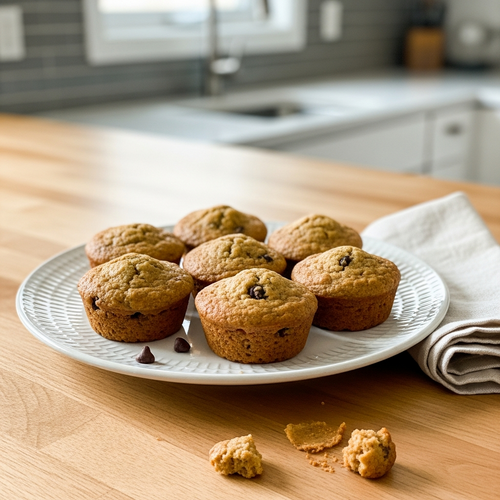
Description: A moist, flavorful, and incredibly satisfying banana muffin designed for fat loss. Packed with protein to crush cravings and made with simple, wholesome ingredients to support a fit and sustainable lifestyle.
Prep Time: 10 minutes | Cook Time: 23 minutes
Servings: 12 muffins
Macros per Serving | Calories: 145 | Protein: 10g | Fat: 3g | Carbohydrates: 19g
Ingredients
- 1 ½ cups old-fashioned rolled oats, blended into a flour
- ½ cup vanilla or unflavored whey-casein blend protein powder
- 1 ½ teaspoons baking powder
- ½ teaspoon baking soda
- ½ teaspoon ground cinnamon
- ¼ teaspoon salt
- 3 large, very ripe bananas, mashed (about 1 ½ cups)
- ½ cup plain non-fat Greek yogurt
- ¼ cup unsweetened applesauce
- 1 large egg
- 2 tablespoons maple syrup or a zero-calorie sweetener equivalent
- 1 teaspoon vanilla extract
- Optional: ½ cup dark chocolate chips or chopped nuts
Instructions
- Preheat oven to 400°F (200°C) and prepare a 12-cup muffin tin.
- Blend rolled oats into a fine flour. In a large bowl, whisk together oat flour, protein powder, baking powder, baking soda, cinnamon, and salt.
- In a separate bowl, mash the bananas, then stir in the Greek yogurt, applesauce, egg, maple syrup, and vanilla extract.
- Pour the wet ingredients into the dry ingredients and gently fold until just combined. Do not overmix. Fold in chocolate chips or nuts if using.
- Divide batter evenly among the 12 muffin cups.
- Bake at 400°F for 5 minutes, then reduce oven temperature to 350°F (175°C) and bake for another 15-18 minutes, or until a toothpick comes out clean.
- Cool in the pan for a few minutes before transferring to a wire rack to cool completely.
Notes
For the best texture, use a whey-casein blend protein powder. The riper your bananas, the sweeter your muffins will be. Store in an airtight container or freeze for up to 3 months.
FAQs About Banana Muffins For Weight Loss
Here are some straightforward answers to the most common questions I receive about this banana muffin recipe.
Can I make this banana muffin recipe with regular flour?
Yes, you can substitute all-purpose or whole wheat flour for the oat flour in a 1:1 ratio. However, this change will significantly alter the nutritional profile of the muffins. All-purpose flour has less fiber and protein than oat flour, and it digests more quickly, which can lead to a more pronounced blood sugar spike.
If you choose to use whole wheat flour, you’ll retain more fiber, which is great for digestion and satiety, but the muffins will have a denser, heartier texture. The main reason we use oat flour is for that slow-release energy and extra fiber, which are key for hunger management during fat loss. If regular flour is all you have, it’s better than not making a healthy option at all, but for the best results in line with our fat loss principles, stick with the blended oats.
Why is my protein banana muffin so dry?
This is the most common issue people have with protein baking, and it almost always comes down to one of two things: the type of protein powder used or over-baking. If you use 100% whey isolate, it tends to absorb a lot of moisture and can make baked goods very dry and rubbery. That’s why I strongly recommend a whey-casein blend; the casein helps retain moisture and creates a much better texture.
The other culprit is simply baking them for too long. Ovens can vary, so start checking for doneness a couple of minutes before the recipe says to. The second a toothpick inserted into the center comes out clean or with a few moist crumbs attached, they are done. Pull them out immediately. They will continue to cook slightly from the residual heat in the pan. A slightly under-baked muffin is always better than a dry, over-baked one.
Can I make this banana muffin recipe without protein powder?
You can, but it fundamentally changes the purpose of the recipe. The protein powder is the key ingredient that turns this from a simple carb-heavy snack into a balanced, hunger-crushing tool for fat loss. Without it, the protein per muffin will drop significantly, and they won’t be nearly as filling.
If you decide to omit it, you’ll need to replace its volume with more flour. For the ½ cup of protein powder, you would add an additional ½ cup of oat flour. The result will be a tasty, healthy-ish banana muffin, but it will function more like a traditional muffin in your diet. It will be a source of carbs and fiber, but it won’t provide that powerful satiety effect that is so crucial for managing appetite and cravings.
Is this banana muffin recipe good for meal prep?
Absolutely. In fact, this recipe was specifically designed with meal prep in mind. The ADHD brain thrives on systems that reduce in-the-moment decision-making. Baking a batch of 12 muffins on a Sunday gives you 12 pre-portioned, macro-friendly snacks or quick breakfasts for the week ahead. There’s no thinking, measuring, or tracking required once they are made.
As I mentioned in the storage section, they freeze beautifully. I often make a double batch and freeze most of them. That way, I have a healthy option locked and loaded for weeks. When life gets busy or motivation is low, having these ready to go can be the difference between staying on track and ordering takeout. It’s a perfect example of working with your brain by planning for future obstacles.
How can I make this banana muffin recipe sweeter without adding sugar?
There are several ways to boost the sweetness without adding sugar or a significant number of calories. The first and most important method is to use extremely ripe bananas. The ones that are almost entirely brown and soft to the touch are packed with natural sugars and will provide a huge amount of sweetness. Don’t be afraid of a brown banana; it’s a baker’s best friend.
You can also increase the amount of vanilla extract or cinnamon, as these “warm” spices can trick our brains into perceiving more sweetness. Another option is to use a few drops of liquid stevia or a tablespoon or two of a granulated zero-calorie sweetener like monk fruit or erythritol. These can be added to the wet ingredients. Just start with a small amount, as they are very potent, and you can always add more to the next batch if needed.
Try These High-Protein Recipes Next
If you enjoyed this simple and effective recipe, here are a few others that follow the same principles of being high in protein, easy to make, and ADHD-friendly.
-
High-Protein Banana Bread Recipe – If you loved the muffins, you have to try the loaf version. It’s perfect for a slightly more decadent, sliceable treat that’s still completely on-plan.
-
High-Protein Blueberry Muffin Recipe – Another fantastic muffin variation that uses a similar base but is bursting with fresh blueberry flavor. A great way to mix things up.
-
Chocolate Chip Peanut Butter Banana Muffins – For when you want to lean into that classic flavor combination, this recipe is a great example of a balanced, satisfying treat.
Give them a try and keep building your arsenal of go-to healthy meals.