
Pound cake was one of those things from my childhood that felt like a special occasion. It was dense, buttery, and usually meant family was over. When I started my fitness journey and lost the first 65 pounds, I mentally filed foods like pound cake into a “never again” folder. It was pure sugar and fat, the enemy of fat loss. Or so I thought.
That all-or-nothing thinking is a classic ADHD trap. It works for a little while, but eventually, the craving for comfort hits, and if you don’t have a plan, you spiral. I’d end up grabbing a store-bought version, eating way too much, and feeling like a failure. That cycle had to stop.
So, I decided to build a better way. I needed a high-protein pound cake that tasted like the real thing but worked for my goals, not against them. This recipe is the result. It satisfies that craving for a dense, sweet treat while packing a serious protein punch to keep you full and kill cravings. It’s proof that you don’t have to give up your favorite foods to get fit, especially with an ADHD brain that thrives on comfort and sustainability.
Skip to My Flexibe Diet Recipe!
Why Pound Cake Is Great For Fat Loss
Let’s be brutally honest. When you hear “pound cake” and “fat loss” in the same sentence, it sounds like a gimmick. But the entire philosophy here at ADHD FIT is about making sustainable changes that work with your brain, and that means including foods you genuinely enjoy.
This recipe is engineered for fat loss because it prioritizes the things that actually move the needle: protein and hunger management. Food is 75 percent of the battle, and if you’re constantly fighting cravings and feeling hungry, you will not be consistent. It’s that simple.
We pack this pound cake with protein from two sources: non-fat Greek yogurt and a whey/casein blend protein powder. Protein is the most satiating macronutrient. A slice of this cake will keep you feeling fuller for much longer than a traditional slice, which is mostly processed flour and sugar that leads to a blood sugar crash and more cravings.
We also slash the sugar and fat without killing the flavor or texture. Unsweetened applesauce and Greek yogurt replace a ton of the butter and oil, keeping the cake moist. A sugar substitute like erythritol provides the sweetness without the calories. The result is a treat that fits your macros, manages your hunger, and stops the restrictive eating cycle that so many of us with ADHD fall into. It’s not a “cheat,” it’s a tool.
Ingredients You’ll Need for Pound Cake
Building a great, macro-friendly pound cake is all about smart ingredient swaps. We’re keeping the classic dense texture and rich flavor while re-engineering the nutrition profile to support your fitness goals. Here’s exactly what you’ll need.
The key ingredient giving this recipe its protein-packed twist is the whey/casein blend protein powder. Using a blend is critical. Whey digests quickly, but casein digests slowly and helps create a better baked texture, preventing the rubbery outcome you can get from using 100% whey. A vanilla or unflavored powder works best here.
The quality of your protein powder matters a lot. If you use a powder you don’t like the taste of, you won’t like the cake. Choose one that you enjoy in a shake.
-
1 ½ cups whole wheat pastry flour
-
½ cup unflavored or vanilla whey/casein blend protein powder
-
1 teaspoon baking powder
-
½ teaspoon baking soda
-
¼ teaspoon salt
-
1 cup non-fat Greek yogurt
-
½ cup unsweetened applesauce
-
¼ cup melted coconut oil or light butter
-
3 large egg whites
-
1 large whole egg
-
¾ cup erythritol or another granulated sugar substitute
-
2 teaspoons vanilla extract
-
¼ cup unsweetened almond milk
Another important note is on the flour. I recommend whole wheat pastry flour because it has a finer texture than regular whole wheat flour, which gives you a softer crumb closer to a traditional pound cake. If you only have regular whole wheat, it will work, but the cake will be a bit denser.
How To Make Pound Cake (Step-By-Step)
One of my rules for ADHD-friendly recipes is that the steps have to be simple. No complex techniques or a dozen bowls. This pound cake process is straightforward and hard to mess up, even on a low-motivation day. Let’s get it done.
Step 1: Prep Your Oven and Pan
First things first. Preheat your oven to 350°F (175°C). This is a non-negotiable step. If your oven isn’t fully preheated, the cake won’t rise properly. While it’s heating, grab a standard 9×5 inch loaf pan. Grease and flour it. You can use a bit of the coconut oil or butter and a sprinkle of flour. This preparation prevents the pound cake from sticking, ensuring it comes out clean.
Step 2: Combine the Dry Ingredients
In a medium-sized bowl, you’ll whisk together all your dry ingredients. That’s the whole wheat pastry flour, the protein powder, baking powder, baking soda, and salt. Whisking them together first ensures everything is evenly distributed. This prevents getting a bite with too much baking soda or not enough salt. It takes 30 seconds but makes a big difference.
Step 3: Combine the Wet Ingredients
Now, grab a separate, larger bowl. In this one, whisk together the non-fat Greek yogurt, unsweetened applesauce, melted coconut oil or butter, egg whites, and the whole egg. Mix until it’s all smooth and uniform. Then, add in the erythritol and vanilla extract and give it one more good whisking until it’s fully combined.
Step 4: Mix Wet and Dry, But Don’t Overdo It
This is the most important part. Gradually pour your dry ingredient mixture into the wet ingredient bowl. Mix it by hand with a spatula or on a very low speed with a mixer. The goal is to mix until just combined. If you overmix the batter, you will develop too much gluten, and your pound cake will be tough and chewy instead of tender.
Step 5: Add Milk and Bake
Once the batter is just combined, gently stir in the almond milk. This will smooth out the batter to the perfect consistency. Pour the final batter into your prepared loaf pan and use a spatula to spread it evenly. Pop it into your preheated oven and bake for 45-55 minutes. You’ll know it’s done when a toothpick inserted into the center comes out clean. Ovens vary, so start checking around the 45-minute mark.
Step 6: Cool Down
Once it’s baked, take it out of the oven and let the pound cake cool in the pan for 10 minutes. An ADHD tip: set a timer for this! It’s easy to forget. After 10 minutes, carefully turn it out onto a wire rack to cool completely before slicing. Slicing it while it’s hot can make it crumble.
How To Serve Pound Cake (ADHD-Friendly)
How you serve this pound cake is just as important as how you make it, especially when you have ADHD. We need systems that reduce decision fatigue and make it easy to stick to the plan. Having a delicious, healthy pound cake on hand is great, but if serving it becomes a whole separate project, you’re less likely to use it effectively.
The goal is to keep it simple. This cake is delicious on its own, so you don’t need to do much. But if you want to add a little something extra, think in terms of “no-cook” toppings. This removes extra steps and cleanup, which is a huge win for executive function.
Here are a few brutally practical ways to serve it:
-
With Greek Yogurt: A dollop of plain or vanilla non-fat Greek yogurt on top adds extra protein and a creamy texture that contrasts nicely with the dense cake.
-
With Berries: A handful of fresh berries like strawberries, blueberries, or raspberries adds natural sweetness and fiber without any prep work besides a quick rinse.
-
A Sprinkle of Cinnamon: This is the ultimate low-effort flavor booster. A simple sprinkle of cinnamon can make it feel like a more decadent dessert with zero extra calories.
-
Warmed Up: Pop a slice in the microwave for 15-20 seconds. It makes the cake soft and brings out the vanilla flavor, making it feel extra comforting.
The best ADHD tip I can give you is to pre-slice the entire loaf after it has cooled completely. Wrap each slice individually or store them in a container, separated by small sheets of parchment paper. This way, when you need a quick snack or a post-workout bite, a perfect portion is ready to grab. No thinking, no measuring, no “just one more sliver” negotiations with yourself.
How To Store, Reheat, and Reuse Pound Cake
Meal prep is a superpower for anyone with ADHD. When you make a batch of this high-protein pound cake, you’re not just making a single dessert. You are creating a week’s worth of easy, healthy snacks that can save you from decision fatigue and poor food choices when you’re hungry and your motivation is low.
Proper storage is key to making sure your pound cake stays fresh and delicious. You have a couple of options, depending on how quickly you plan to eat it. The most important thing is to let it cool completely before you store it. Storing it while warm will create condensation and make it soggy.
Here are the best ways to store, reheat, and even reuse your pound cake:
-
Room Temperature: If you plan on eating the cake within 2-3 days, you can store it in an airtight container on your counter. This keeps it soft and ready to eat at a moment’s notice.
-
In the Refrigerator: For longer storage, up to a week, the fridge is your best bet. Keep it in an airtight container to prevent it from drying out. The cake will be firmer from the cold, so I recommend letting it sit out for a few minutes or warming it up before eating.
-
Freezer (The Ultimate ADHD Hack): This is my favorite method. Slice the entire loaf, wrap each slice individually in plastic wrap, and then place all the wrapped slices into a large freezer-safe bag. They’ll last for up to 3 months. When you want a slice, you can pull one out and microwave it for about 20-30 seconds. It’s a perfect, pre-portioned snack on demand.
Reheating is simple. A quick 15-20 seconds in the microwave is all you need to bring a slice back to life, making it soft and warm. You can also toast a slice in a toaster oven for a slightly crispy edge, which is fantastic with a bit of melted light butter or a smear of Greek yogurt.
Easy Swaps & Variations for Pound Cake
The best recipes are flexible. Life gets busy, you run out of an ingredient, or you have specific dietary needs. With ADHD, having the ability to adapt a recipe on the fly without having to run to the store is a game-changer. This pound cake recipe is very forgiving and works well with a number of simple swaps.
Remember, consistency beats perfection. It’s better to make a slightly different version of the recipe than to not make it at all because you’re missing one “perfect” ingredient. Use what you have and keep moving forward.
Here are some easy swaps and variations you can try:
-
For a Gluten-Free Pound Cake: You can swap the whole wheat pastry flour for a good quality gluten-free 1-to-1 baking blend. Look for one that contains xanthan gum. The texture will be slightly different but still delicious.
-
Dairy-Free Option: To make this dairy-free, use a plant-based Greek-style yogurt (like coconut or almond-based) and a plant-based protein powder blend. Ensure you use coconut oil instead of butter.
-
Different Flours: If you don’t have whole wheat pastry flour, you can use all-purpose flour or regular whole wheat flour. All-purpose will yield a lighter cake, while regular whole wheat will be denser and more rustic.
-
Flavor Variations: This is a great base recipe. Add a teaspoon of lemon zest and a tablespoon of lemon juice for a lemon pound cake. Or, add a tablespoon of cocoa powder to the dry ingredients for a subtle chocolate flavor. You could even fold in a half-cup of sugar-free chocolate chips or blueberries before baking.
Don’t be afraid to experiment. The core of this recipe is the balance of protein, moisture from the yogurt and applesauce, and structure from the flour. As long as you keep those elements in place, you have a lot of room to play and make this pound cake your own.
High-Protein Pound Cake
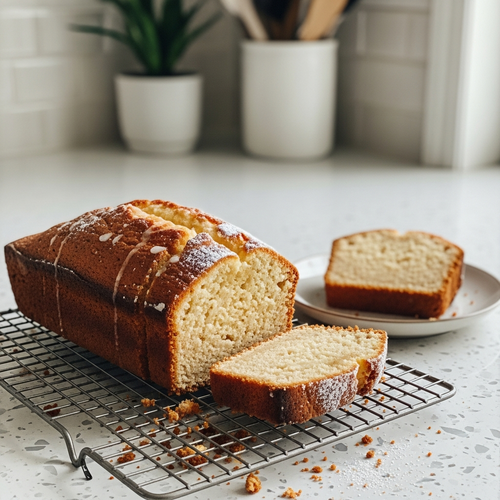
Description: A dense, moist, and delicious high-protein pound cake designed to crush cravings and support your fat loss goals. Perfect for a snack or a healthy dessert.
Prep Time: 15 minutes | Cook Time: 50 minutes
Servings: 10 slices
Macros per Serving | Calories: 159 | Protein: 11g | Fat: 6g | Carbohydrates: 15g
Ingredients
- 1 ½ cups whole wheat pastry flour
- ½ cup unflavored or vanilla whey/casein blend protein powder
- 1 teaspoon baking powder
- ½ teaspoon baking soda
- ¼ teaspoon salt
- 1 cup non-fat Greek yogurt
- ½ cup unsweetened applesauce
- ¼ cup melted coconut oil or light butter
- 3 large egg whites
- 1 large whole egg
- ¾ cup erythritol or another granulated sugar substitute
- 2 teaspoons vanilla extract
- ¼ cup unsweetened almond milk
Instructions
- Preheat oven to 350°F (175°C). Grease and flour a 9×5 inch loaf pan.
- In a medium bowl, whisk together flour, protein powder, baking powder, baking soda, and salt.
- In a large bowl, whisk together Greek yogurt, applesauce, melted oil/butter, egg whites, and the whole egg. Stir in erythritol and vanilla.
- Gradually add the dry ingredients to the wet ingredients, mixing until just combined. Do not overmix.
- Stir in the almond milk until the batter is smooth.
- Pour batter into the prepared pan and bake for 45-55 minutes, or until a toothpick test comes out clean.
- Let cool in the pan for 10 minutes, then transfer to a wire rack to cool completely.
Notes
For best results, use a whey/casein blend protein powder. Using 100% whey isolate may result in a drier, more rubbery texture. Ensure the cake is completely cool before slicing to prevent crumbling.
FAQs About Pound Cake For Weight Loss
Here are some straightforward answers to the most common questions I receive about this pound cake recipe.
Can I make this pound cake without protein powder?
Yes, you absolutely can make this pound cake without protein powder, but it’s important to understand how it will change the recipe. The protein powder serves two functions: it significantly boosts the protein content, which is key for satiety and muscle maintenance during fat loss, and it also contributes to the cake’s structure.
If you choose to omit it, you will need to replace its volume with more flour. I would recommend substituting the ½ cup of protein powder with an additional ½ cup of whole wheat pastry flour. The final cake will be lower in protein and higher in carbohydrates. It will still be a healthier alternative to a traditional pound cake because of the Greek yogurt, applesauce, and sugar substitute, but it won’t be the same powerful tool for hunger management. The texture might also be slightly less dense. It’s a trade-off, but it’s a perfectly acceptable one if you’re out of protein powder or prefer not to use it.
Is this protein pound cake recipe good for meal prep?
This recipe is fantastic for meal prep. In fact, I designed it with that in mind. One of the biggest challenges for adults with ADHD is dealing with in-the-moment hunger when executive function is low. Having healthy, pre-portioned options ready to go is one of the most effective strategies for staying consistent.
My favorite method is to bake the pound cake, let it cool completely, and then slice the entire loaf into 10 even servings. I wrap each slice individually in plastic wrap or parchment paper and store them in a large freezer bag. This creates a supply of grab-and-go snacks that can last for weeks. When you need a quick pre-workout meal or a post-dinner treat, you just pull one out and microwave it for 20-30 seconds. This system removes all friction and decision-making, which is a massive win.
Why is my pound cake dry?
A dry pound cake is usually caused by one of three things: overbaking, overmixing, or the type of protein powder used. First, overbaking is the most common culprit. Every oven is slightly different, so it’s crucial to start checking for doneness at the lower end of the recommended baking time. Use the toothpick test; as soon as it comes out clean, the cake is done. It will continue to cook slightly from residual heat as it cools.
Second, overmixing the batter after you combine the wet and dry ingredients can develop too much gluten, resulting in a tough, dry texture. Mix only until the flour is no longer visible. Third, the type of protein powder matters immensely. I strongly recommend a whey/casein blend because casein helps retain moisture. Using 100% whey isolate, which is very fine and absorbent, can often lead to a drier, more rubbery outcome in baked goods.
Can I make this pound cake in a different type of pan?
Yes, you can definitely adapt this recipe for different pans. A 9×5 loaf pan creates the classic pound cake shape, but the batter will work well in other forms. If you want to make muffins, for example, you can pour the batter into a greased or lined muffin tin. They will bake much faster, likely around 20-25 minutes, so keep a close eye on them and use the toothpick test.
You could also use an 8-inch round or square cake pan. Again, the baking time will need to be adjusted. It will likely be shorter, somewhere in the 30-40 minute range, because the batter is spread thinner. The key is to watch it carefully. This flexibility makes the recipe even more practical, allowing you to create single-serving muffins for easy portion control or a round cake if that’s what you have on hand.
What’s the best sugar substitute for this pound cake?
For this pound cake recipe, my top recommendation is a granulated erythritol-based sweetener. Erythritol bakes very similarly to sugar, providing sweetness and some bulk without adding calories or impacting blood sugar. It generally doesn’t have a strong aftertaste for most people, which makes it ideal for a recipe with a clean vanilla flavor like this one.
However, other options can work well too. A monk fruit and erythritol blend is another excellent choice and is often found in a 1:1 ratio for sugar replacement. Allulose is another great option that browns nicely like real sugar, though it’s slightly less sweet, so you might need to use a little more. I would generally advise against using liquid sweeteners like stevia drops, as they won’t provide the bulk needed for the cake’s structure. The goal is to use a granulated substitute that can be creamed with the wet ingredients to help create the right texture.
Try These High-Protein Recipes Next
If you enjoyed this practical and delicious pound cake, here are a few other recipes built with the same philosophy.
-
The Ultimate High Protein Cake Recipe: A super versatile vanilla cake base that’s perfect for birthdays or any celebration, packed with protein to keep you on track.
-
The Best High Protein Chocolate Cake Recipe: For when you need a serious chocolate fix, this rich and moist cake delivers without derailing your progress.
-
Easy Pecan Pound Cake Recipe: A delicious recipe from This Gal Cooks that offers a more traditional take on pound cake with a nutty twist.
Give them a try and keep building your arsenal of sustainable, ADHD-friendly meals.