
Meatballs have always been one of my ultimate comfort foods. Growing up, they were a staple. But when I started my fitness journey and lost over 65 pounds, I thought foods like that were off the table for good. I spent years in that all-or-nothing mindset, swinging between super restrictive eating and binging on the foods I actually enjoyed.
That approach was exhausting, especially with an ADHD brain that craves stimulation and rebels against rigid rules. It wasn’t sustainable. I eventually learned that the key to lasting fat loss wasn’t eliminating my favorite foods, but reinventing them. I needed versions that were packed with protein, lower in calories, and still delivered on flavor.
That’s what motivated me to create these high-protein turkey meatballs. They are a direct result of my journey. I needed a recipe that would satisfy my cravings, keep me full for hours, and be simple enough to make even on days when my executive function was at zero. These are brutally practical, delicious, and designed to help you hit your goals without feeling like you’re on a diet.
They are proof that you can build a fit lifestyle and enjoy your food at the same time.
Skip to My Flexibe Diet Recipe!
Why Meatballs Are Great For Fat Loss
When you’re trying to lose fat, the game is all about managing hunger and staying consistent. That’s where this meatballs recipe really shines. The foundation of any successful fat loss plan is protein. It is the most satiating macronutrient, meaning it keeps you feeling full and satisfied for longer than carbs or fats.
Each serving of these meatballs is loaded with protein, primarily from the 99% lean ground turkey. This high protein content helps crush cravings and prevents the mindless snacking that can derail your progress. When you feel full and satisfied, you are far less likely to reach for high-calorie, low-nutrient foods between meals.
We also boost the volume and nutrient density without adding a ton of calories by sneaking in vegetables like zucchini and mushrooms. This is a classic fat loss strategy. More food volume for fewer calories helps trick your brain into feeling satisfied. The added fiber from the veggies also aids in digestion and contributes to that feeling of fullness.
For the ADHD brain, simplicity and flexibility are non-negotiable. This recipe is designed for meal prep. You can make a big batch on the weekend, and you have a ready-to-go protein source for multiple meals throughout the week. This removes the decision fatigue that often leads to ordering takeout. It’s a system that works with your brain, not against it, making consistency feel effortless.
Ingredients You’ll Need for Meatballs
The magic of these meatballs is in the simple, purposeful ingredients. We are focusing on high protein, great flavor, and sneaky veggies to make them incredibly satisfying and perfect for a fat loss phase. There are no complicated or hard-to-find items here.
The key ingredient giving this recipe its unique twist is the combination of finely shredded zucchini and chopped mushrooms. These vegetables add incredible moisture, preventing the extra-lean turkey from becoming dry. They also bulk up the meatballs, so you feel like you’re eating more, all while adding valuable micronutrients and fiber with very few calories.
Here’s exactly what you will need:
-
1 lb 99% extra-lean ground turkey
-
1 cup finely shredded zucchini, with excess water squeezed out
-
4 oz cremini mushrooms, finely chopped
-
1 large egg, lightly whisked
-
1/4 cup grated Parmesan cheese
-
2 tablespoons unflavored collagen or bone broth protein powder
-
2 tablespoons nutritional yeast
-
1/4 cup finely chopped fresh parsley
-
2 cloves garlic, minced
-
1 teaspoon dried oregano
-
1/2 teaspoon onion powder
-
1/2 teaspoon kosher salt
-
1/4 teaspoon black pepper
-
Olive oil cooking spray
A quick note on the ground turkey: using 99% extra-lean is crucial for keeping the fat content low. If you can only find 93/7, that works too, but be sure to adjust your macros accordingly. For the Parmesan, grating it yourself from a block will give you a much better flavor and melt than the pre-shredded kind, which often contains anti-caking agents.
How To Make Meatballs (Step-By-Step)
Making these high-protein meatballs is straightforward, even on low-energy days. The key is in the preparation and a gentle hand. We are baking them on a wire rack, which is a game-changer. It allows the hot air to circulate all around the meatballs, cooking them evenly and letting any excess fat drip away. No flipping required.
Step 1: Preheat Oven and Prep Your Pan
First things first, get your oven preheating to 400°F (200°C). Task initiation can be a hurdle with ADHD, so I like to do this the moment I walk into the kitchen. While it heats up, prepare your baking sheet. Place a wire rack inside a standard baking sheet. This setup is critical for getting crispy, not soggy, meatballs. Give the wire rack a light coat with olive oil cooking spray to prevent sticking.
Step 2: Combine Your Ingredients
In a large mixing bowl, add all your ingredients: the ground turkey, the squeezed zucchini and chopped mushrooms, whisked egg, Parmesan, protein powder, nutritional yeast, parsley, garlic, and all the seasonings. Squeezing the water out of the zucchini is a must-do step. If you skip it, your meatballs will be watery. A cheesecloth or even just your hands will work fine.
Step 3: Mix Gently and Form Meatballs
This is where you need to be careful. Use your hands to gently mix everything together until it is just combined. If you overwork the mixture, the protein in the turkey will get tough, and you’ll end up with dense, rubbery meatballs. The goal is a light, tender texture. Once mixed, form the mixture into about 20 meatballs, roughly 1.5 inches each. A cookie scoop can help make them uniform in size, which ensures they all cook at the same rate.
Step 4: Bake to Perfection
Place the formed meatballs in a single layer on the wire rack you prepared earlier. Make sure they have a little space between them so they can brown properly. Bake for 18 to 22 minutes. They should be golden brown and cooked through. The safest way to know they are done is to use a meat thermometer. The internal temperature should read 165°F (74°C). Let them rest for a few minutes before serving.
How To Serve Meatballs (ADHD-Friendly)
One of the best things about these meatballs is their versatility. Having a batch of these ready to go in the fridge is like a secret weapon against the “what’s for dinner” panic that can lead to unhealthy choices. For those of us with ADHD, reducing decision fatigue is a massive win.
You can create a variety of balanced, satisfying meals with minimal effort. This makes sticking to your fat loss plan feel less like a chore and more like a simple choice. The goal is to make the healthy option the easiest option.
Here are a few simple, ADHD-friendly ways to serve them:
-
Classic Spaghetti Style: Serve them over a bed of Banza chickpea pasta or zucchini noodles with a generous portion of your favorite low-sugar marinara sauce, like Rao’s. This gives you that classic comfort food feeling with a massive protein and fiber boost to keep you full.
-
Meatball Sub Bowl: Skip the bread and make a deconstructed sub. Place a few warmed meatballs in a bowl, top with marinara and a slice of provolone or mozzarella, and broil for a minute until the cheese is bubbly. Serve alongside a simple green salad.
-
Quick Protein Snack: I often just eat a few of these cold, straight from the fridge. They’re a perfect high-protein snack to curb afternoon cravings and prevent me from reaching for chips or sweets.
-
With Veggies and Grains: Pair the meatballs with a side of roasted broccoli or air-fried green beans and a scoop of quinoa or brown rice for a perfectly balanced and simple weeknight dinner.
The key is to have these components prepped ahead of time. Cooked quinoa, washed greens, and a jar of good sauce mean you can assemble a healthy meal in less than five minutes. This is how you build a sustainable system that supports your goals, even on chaotic days.
How To Store, Reheat, and Reuse Meatballs
Meal prep is the cornerstone of my entire fitness approach. If food isn’t convenient, I’m simply not going to eat it consistently. That’s why this recipe is designed to be made in a big batch. Properly storing and reheating your meatballs ensures you have a delicious, high-protein meal component ready to go at a moment’s notice.
This prevents the ADHD “spiral of doom” where a lack of planning leads to a poor food choice, which then makes you feel bad and leads to more poor choices. Having these meatballs in your fridge or freezer is your secret weapon against that spiral.
Here is the best way to handle your leftovers:
-
Refrigerating: Once the meatballs have cooled completely to room temperature, place them in an airtight container. They will stay fresh in the refrigerator for up to 4 days. I like to portion them out into single-serving containers to make grab-and-go lunches even easier.
-
Freezing: These meatballs freeze beautifully. To prevent them from sticking together, first place the cooled meatballs on a baking sheet in a single layer and freeze for about an hour. Once they are solid, transfer them to a freezer-safe bag or container. They can be stored in the freezer for up to 3 months.
-
Reheating: You can reheat them in the microwave for 1-2 minutes, or until hot. For a better texture, I prefer reheating them in an air fryer at 350°F for about 5-7 minutes from chilled, or 10-12 minutes from frozen. You can also gently simmer them in your favorite sauce on the stovetop for about 10 minutes.
Don’t be afraid to reuse them in creative ways. Chop up leftover meatballs and add them to an egg scramble for a protein-packed breakfast, or crumble them over a salad as a replacement for ground turkey. The possibilities are endless.
Easy Swaps & Variations for Meatballs
Flexibility is everything. No recipe should be so rigid that you can’t adapt it to what you have on hand or what fits your personal tastes and dietary needs. The best plan is the one you can actually stick with. These meatballs are a great base recipe that you can easily tweak.
Maybe you don’t have ground turkey, or you want to experiment with different flavors. Go for it. The core principles of high protein and added veggies remain the same, so you can make substitutions without derailing your goals. The key is to keep the macros in a similar ballpark.
Here are a few simple swaps and variations you can try:
-
Different Ground Meats: You can easily substitute the ground turkey with 96% lean ground beef or ground chicken breast. Both are excellent high-protein options. Just be mindful that the flavor and fat content will change slightly.
-
Make Them Dairy-Free: To make these meatballs dairy-free, simply omit the Parmesan cheese. The nutritional yeast already provides a cheesy, savory flavor, so you won’t miss it too much. You could also use a dairy-free Parmesan alternative.
-
Spice It Up: Feel free to play with the seasonings. Add a pinch of red pepper flakes for some heat, or some smoked paprika for a smoky flavor. You could even give them an Italian-American twist by adding a bit of fennel seed.
-
Veggie Swaps: If you don’t have zucchini or mushrooms, finely grated carrots or even cooked, mashed cauliflower can work as a substitute to add moisture and bulk. Just make sure whatever you use is finely chopped or grated and that any excess water is removed.
Remember, the goal is consistency, not perfection. Use what you have, make it your own, and enjoy the process. A good-enough meal you actually make is always better than a “perfect” meal you don’t.
High-Protein Turkey Meatballs
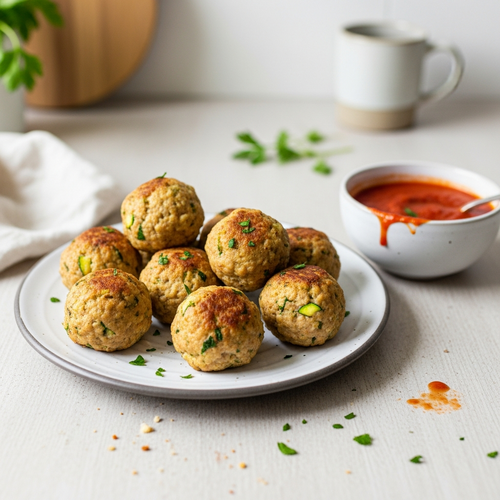
Description: These juicy, flavorful turkey meatballs are packed with protein and hidden veggies to help you crush your fat loss goals. They are perfect for meal prep and designed to work with your ADHD brain, not against it.
Prep Time: 15 minutes | Cook Time: 20 minutes
Servings: 5 (4 meatballs per serving)
Macros per Serving | Calories: 187 | Protein: 35g | Fat: 3g | Carbohydrates: 3g
Ingredients
- 1 lb 99% extra-lean ground turkey
- 1 cup finely shredded zucchini, with excess water squeezed out
- 4 oz cremini mushrooms, finely chopped
- 1 large egg, lightly whisked
- 1/4 cup grated Parmesan cheese
- 2 tablespoons unflavored collagen or bone broth protein powder
- 2 tablespoons nutritional yeast
- 1/4 cup finely chopped fresh parsley
- 2 cloves garlic, minced
- 1 teaspoon dried oregano
- 1/2 teaspoon onion powder
- 1/2 teaspoon kosher salt
- 1/4 teaspoon black pepper
- Olive oil cooking spray
Instructions
- Preheat oven to 400°F (200°C) and place a wire rack on a baking sheet. Spray the rack with olive oil spray.
- In a large bowl, combine all ingredients.
- Mix gently with your hands until just combined. Do not overmix.
- Form into 20 meatballs (about 1.5 inches each) and place on the wire rack.
- Bake for 18-22 minutes, until golden brown and the internal temperature reaches 165°F (74°C).
Notes
Squeezing the excess moisture from the shredded zucchini is the most important step for preventing watery meatballs. You can use a cheesecloth, a clean dish towel, or just your hands.
FAQs About Meatballs For Weight Loss
Here are some straightforward answers to the most common questions I receive about this meatballs recipe.
Can you really eat meatballs while trying to lose weight?
Absolutely. This is one of the biggest mindset shifts you have to make for sustainable fat loss. It’s not about which foods you eat, but what those foods are made of. Traditional meatballs are often made with high-fat ground beef, breadcrumbs as a filler, and are fried in oil. That combination can definitely pack a caloric punch that isn’t ideal for weight loss.
This recipe, however, is engineered specifically for a fat loss phase. We use 99% extra-lean ground turkey to maximize protein and minimize fat. We replace the breadcrumbs with protein powder and nutrient-dense vegetables like zucchini and mushrooms. This not only lowers the calories and carbs but also significantly increases the protein and fiber content, which are the two most important factors for satiety. Baking them on a wire rack instead of frying them cuts out all the unnecessary added oil. So yes, you can and should eat meatballs like these.
Why are my healthy meatballs dry?
This is the most common problem when working with extra-lean ground meat. Fat equals flavor and moisture, so when you remove it, you have to add moisture back in another way. If your meatballs are dry, it’s likely due to one of two things: you skipped the veggies, or you overmixed and overcooked them.
The finely shredded zucchini and chopped mushrooms in this recipe are non-negotiable. They release water as they cook, keeping the turkey incredibly moist and tender. It’s also crucial that you squeeze the excess water from the zucchini before mixing, otherwise they’ll be moist but won’t hold their shape. The other culprit is overworking the meat mixture. Be gentle. Mix with your hands only until the ingredients are just combined. Overmixing develops the protein strands, making them tough and rubbery. Finally, use a meat thermometer. Pull them from the oven the second they hit 165°F internally. A few extra minutes can be the difference between juicy and dry.
What can I use instead of protein powder in these meatballs?
The protein powder in this recipe serves two purposes. First, it acts as a binder, similar to how breadcrumbs would in a traditional recipe. Second, it adds a significant protein boost without adding many calories or carbs. Unflavored collagen or bone broth protein powder works best because it dissolves seamlessly and has no taste.
If you don’t have it or prefer not to use it, you have a few options. You could use 1/4 cup of almond flour or oat flour as a low-carb binder. Traditional breadcrumbs or panko would also work, but be mindful that this will increase the carbohydrate content of the recipe. If your main concern is just binding, you can simply omit the powder. The egg and Parmesan cheese will provide enough binding to hold the meatballs together, though they may be slightly more delicate. You will, of course, be losing that extra protein boost.
Are these meatballs suitable for a low-carb or keto diet?
Yes, they are extremely friendly for a low-carb lifestyle. As written, a serving of four meatballs contains only about 3 grams of net carbohydrates. This is incredibly low and fits easily into most daily keto or low-carb macro targets. The carbohydrates in the recipe come from the vegetables (zucchini, mushrooms, garlic) and a tiny amount from the Parmesan cheese and nutritional yeast.
We specifically avoid high-carb binders like breadcrumbs for this very reason. The use of protein powder and veggies keeps the carb count minimal while maximizing the protein and nutrient density. These meatballs are an excellent way to hit your protein goals on a ketogenic diet without adding significant carbs or fat, giving you more flexibility for fats from other sources like avocados, nuts, or oils in your other meals.
Can I make these meatballs in an air fryer?
Yes, an air fryer is a fantastic way to cook these meatballs. It works very similarly to the oven-and-wire-rack method, circulating hot air to cook them quickly and evenly. They often get even crispier on the outside in an air fryer, which is a big plus for texture.
To cook them in the air fryer, preheat it to 375°F (190°C). Place the meatballs in the air fryer basket in a single layer, making sure not to overcrowd them. You may need to cook them in two batches depending on the size of your air fryer. Cook for 10-12 minutes, shaking the basket halfway through, until they are golden brown and cooked to an internal temperature of 165°F (74°C). The cooking time is a bit shorter than the oven, so keep a close eye on them the first time you make them.
Try These High-Protein Recipes Next
If you enjoyed these brutally practical meatballs, here are a few other high-protein recipes designed for fat loss and an ADHD-friendly lifestyle.
-
Healthy Chicken Meatballs: A slightly different take on meatballs using ground chicken, with a delicious, savory flavor profile.
-
High-Protein Meatloaf: All the comfort of classic meatloaf, but redesigned with macros that will support your fat loss goals.
-
Baked Pesto Pork Meatballs: A fantastic recipe from another creator that uses pork and pesto for a burst of flavor, served with creamy gnocchi.
Building a library of simple, go-to recipes is the key to long-term success.