
I have a confession to make. I love cake. Specifically, a simple, classic vanilla cake. For a long time, I thought that was a problem. When I started my fitness journey, the one that led to me losing over 65 pounds, I cut out everything I loved. Cake was at the top of that list. It felt like a necessary sacrifice, a punishment for letting things get out of control.
This all-or-nothing approach is common with the ADHD brain. We go all in, fueled by hyperfocus, but it never lasts. Eventually, the restriction leads to a massive binge, a shame spiral, and we end up right back where we started. I did that cycle more times than I can count. It wasn’t until I learned about flexible eating that things really clicked.
I realized I didn’t have to give up the foods I loved. I just had to make them work for me, not against me. That’s why I created this high-protein vanilla cake recipe. It was born from a desire to have a satisfying treat that wouldn’t derail my progress or trigger a craving cycle. This cake is proof that you can hit your goals, manage your ADHD, and still enjoy a slice of pure comfort. It’s the ultimate sustainable treat.
It’s a recipe built for real life. It’s for those evenings when you want something sweet after a long day of juggling work, kids, and a brain that never shuts off. This is how we build a lifestyle, not just a diet.
Skip to My Flexibe Diet Recipe!
Why Vanilla Cake Is Great For Fat Loss
The words “vanilla cake” and “fat loss” don’t usually appear in the same sentence. Most people think of cake as a “cheat meal,” something that completely goes against their goals. But that kind of thinking is exactly what sets us up for failure, especially with an ADHD brain that craves dopamine and rebels against rigid rules.
This vanilla cake is different. It’s engineered to support your goals. The secret is in the macros. We’ve packed it with protein from vanilla whey and non-fat Greek yogurt. Protein is the most important nutrient for fat loss. It keeps you feeling full and satisfied, which crushes cravings before they even start. When you’re full, you make better food choices throughout the day. You’re less likely to raid the pantry at 10 PM.
We also strategically cut down on the things that don’t serve us. By using unsweetened applesauce, we reduce the need for oil or butter, slashing the fat content and calories. A zero-calorie sweetener like erythritol gives us all the sweetness of sugar without the blood sugar spike and crash that can send our ADHD symptoms and hunger levels into a frenzy. This keeps your energy stable.
This isn’t about restriction. It’s about addition. We’re adding protein and satiety. We’re adding a tool to your toolbox that allows you to enjoy a delicious treat without the guilt or the metabolic fallout. This vanilla cake lets you build consistency because you never feel deprived. And as we always say, consistency beats intensity every single time.
Ingredients You’ll Need for Vanilla Cake
The magic of this recipe is in its simplicity. We use straightforward, easy-to-find ingredients to create a vanilla cake that tastes incredible while hitting your macros. There are no weird, expensive “health food” items you’ll use once and forget about in the back of your pantry. This is practical, just like our entire approach.
The key ingredient that makes this cake a fat-loss powerhouse is the vanilla whey protein powder. This does double duty. It provides a significant protein boost that helps with muscle maintenance and satiety, and it also deepens the vanilla flavor, making the cake taste rich and indulgent. The quality of your protein powder matters. Look for a whey isolate or a whey-casein blend that you genuinely enjoy the taste of. If your protein powder tastes chalky, your cake will too.
Here’s exactly what you’ll need to get started:
- 1 ½ cups all-purpose flour
- ½ cup vanilla whey protein powder
- 1 ½ teaspoons baking powder
- ½ teaspoon baking soda
- ¼ teaspoon salt
- 1 cup non-fat plain Greek yogurt
- ½ cup unsweetened almond milk
- ¼ cup unsweetened applesauce
- 2 large egg whites
- 1 large whole egg
- ¾ cup granular erythritol or other zero-calorie sweetener
- 2 teaspoons vanilla extract
A quick note on the Greek yogurt. Make sure you use plain, non-fat yogurt. The tanginess balances the sweetness, and its thick consistency is crucial for creating a moist crumb without adding fat. The applesauce is our replacement for oil, so be sure it’s unsweetened to keep the sugar content down. These small choices add up to big results.
How To Make Vanilla Cake (Step-By-Step)
Making this vanilla cake is designed to be as low-stress as possible. We’re not aiming for a professional bakery-level creation that requires a million steps. We’re aiming for a delicious, protein-packed cake you can actually make on a Tuesday night when your executive function is running on empty. A hand mixer can make things a little quicker, but you can absolutely do this with a simple whisk and spatula.
Step 1: Prep Your Oven and Pan
First things first, preheat your oven to 350°F (175°C). This is a classic “task initiation” trick. Getting the oven preheating is a small, easy step that gets the momentum going. While it heats, prepare your 8-inch round cake pan. You can grease and flour it the old-fashioned way, but for an even easier cleanup, I highly recommend lining the bottom with a circle of parchment paper. It’s a simple hack that prevents any chance of the cake sticking.
Step 2: Combine the Dry Ingredients
In a medium-sized bowl, you’ll whisk together all of your dry ingredients. That’s the all-purpose flour, vanilla whey protein powder, baking powder, baking soda, and salt. Whisking them together first ensures everything is evenly distributed. This step prevents you from getting a random salty bite or a clump of baking soda. Don’t skip this, it takes 30 seconds and makes a big difference.
Step 3: Combine the Wet Ingredients
Now, grab a separate, larger bowl. In this one, you’ll whisk together the Greek yogurt, unsweetened almond milk, unsweetened applesauce, egg whites, and the whole egg. Mix until it’s smooth and well-combined. Then, add in your granular erythritol and vanilla extract. Keep whisking until you can no longer see the sweetener granules. This ensures your cake is uniformly sweet.
Step 4: Mix Wet and Dry, But Don’t Overdo It
This is the most important part. Gradually pour the dry ingredients into the wet ingredients. Mix on low speed or by hand with a spatula, and stop as soon as you no longer see streaks of flour. A common mistake is overmixing, which develops the gluten in the flour and makes the cake tough and dense. We want a tender, moist crumb, so be gentle here.
Step 5: Bake and Cool
Pour your beautiful batter into the prepared cake pan and use your spatula to spread it into an even layer. Pop it into your preheated oven and bake for 30-35 minutes. The cake is done when a toothpick inserted into the center comes out clean. Let it cool in the pan for about 10 minutes before carefully inverting it onto a wire rack to cool completely. Resisting the urge to cut into it while warm is tough, but letting it cool fully sets the structure and improves the flavor.
How To Serve Vanilla Cake (ADHD-Friendly)
Serving this vanilla cake is where the flexibility of our system really shines. Because this isn’t a sugar-bomb “cheat” food, you can integrate it into your daily life in a smart, satisfying way. The goal is to make it feel like a treat while it works for your fat loss goals. An ADHD-friendly approach means reducing decision fatigue and having a plan.
My favorite way to serve this is incredibly simple. A single slice on its own is a perfect post-workout snack or an evening dessert. It hits that sweet craving without sending your blood sugar on a rollercoaster. The protein makes it substantial enough to actually satisfy you, which is key for preventing that mindless post-dessert search for “something else.”
To avoid the trap of “just one more sliver,” I recommend pre-slicing the entire cake once it’s completely cooled. Cut it into 8 equal slices and store them in individual containers or wrap them separately. This removes the guesswork and the in-the-moment decision making. When you want a piece, you just grab one serving. This is a classic ADHD strategy for managing impulsivity.
If you want to dress it up, here are a few simple, macro-friendly ideas:
- Greek Yogurt “Frosting”: Mix a little non-fat plain Greek yogurt with a drop of vanilla extract and a pinch of your zero-calorie sweetener. It makes a tangy, protein-packed frosting.
- Fresh Berries: A handful of fresh strawberries, blueberries, or raspberries adds natural sweetness, fiber, and vitamins without adding many calories.
- A Dusting of Powdered Sweetener: If you just want that classic cake look, a light dusting of powdered erythritol right before serving does the trick beautifully.
Remember, the plan is to enjoy it, not to feel guilty. By planning how you’ll serve and eat it, you stay in control. You get the dopamine hit of a delicious vanilla cake without the negative spiral. That’s how we win.
How To Store, Reheat, and Reuse Vanilla Cake
One of the best things about this vanilla cake is that it’s perfect for meal prep. Having healthy, satisfying options ready to go is a lifesaver for busy people, especially those of us with ADHD. When a craving hits, or you need a quick snack, having a pre-portioned slice of this cake on hand is a game-changer. It prevents you from reaching for less ideal, store-bought options.
Proper storage is key to keeping your cake fresh and delicious. Because it’s made with Greek yogurt and is very moist, it’s best to store it in an airtight container. This will prevent it from drying out and keep it tasting great for several days.
Here’s a simple breakdown for storing your cake:
- On the Counter: You can keep the cake in an airtight container at room temperature for up to 2 days. This is fine if you know you and your family will eat it quickly.
- In the Refrigerator: For longer storage, the fridge is your best bet. It will stay fresh in an airtight container for up to 5 days. The cake will firm up when cold, so I recommend letting a slice sit out for 10-15 minutes or gently reheating it before eating.
- In the Freezer: This is my favorite method for long-term planning. Slice the cake and wrap each piece individually in plastic wrap, then place them all in a freezer-safe bag or container. They’ll last for up to 3 months. You can pull out a single slice whenever you need it.
To reheat, you have a couple of easy options. From the fridge, 15-20 seconds in the microwave is all it takes to make it soft and warm again. From the freezer, you can either let it thaw on the counter for about an hour or microwave it for 30-45 seconds. As for reusing, a slightly stale piece can be cubed and turned into a base for a high-protein trifle, layered with Greek yogurt and berries. It’s all about being flexible and avoiding waste.
Easy Swaps & Variations for Vanilla Cake
Flexibility is the name of the game. The best recipe is one you can adapt to what you have on hand, your personal preferences, and your dietary needs. This vanilla cake recipe is a fantastic base, but don’t be afraid to experiment. Working with our ADHD brains means we need options, because sometimes we forget an ingredient at the store or get a sudden burst of creative energy.
The goal is to keep the macros in a similar ballpark, so focus on swapping like for like. For example, if you change a protein source, swap it for another protein source. If you change a carb source, swap it for another carb. This helps keep the nutritional profile consistent with your fat loss goals.
Here are some simple, tested swaps and variations you can try:
- Go Gluten-Free: You can easily make this vanilla cake gluten-free by swapping the all-purpose flour for a good quality 1-to-1 gluten-free baking blend. Brands like Bob’s Red Mill or King Arthur Flour make excellent ones that already contain xanthan gum for structure.
- Change the Protein Flavor: While this is a vanilla cake, you can create entirely new desserts by using a different flavor of whey protein. A chocolate protein powder will give you a light chocolate cake, while strawberry or salted caramel can be delicious variations.
- Flour Alternatives: If you want to experiment, you can replace up to half of the all-purpose flour with oat flour or whole wheat pastry flour for a slightly denser texture and more fiber. I wouldn’t recommend replacing all of it, as it can make the cake too heavy.
- Dairy-Free Option: To make this cake dairy-free, you’ll need to swap the Greek yogurt and the whey protein. Use a dairy-free yogurt alternative (like a thick coconut or soy-based yogurt) and a plant-based vanilla protein powder. The texture might be slightly different, but it will still be delicious.
You can also add mix-ins! About a half-cup of sugar-free chocolate chips, chopped nuts, or even fresh blueberries folded into the batter right before baking can add a fun twist. Just remember to account for the macros of whatever you add. Making a recipe your own makes it more likely you’ll stick with it, and that’s what this is all about.
High-Protein Vanilla Cake
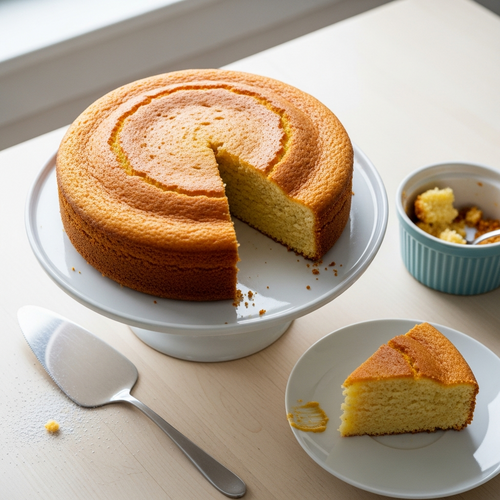
Description: A moist, delicious vanilla cake that’s high in protein and low in calories, perfectly designed to fit your fat loss goals without feeling restrictive.
Prep Time: 10 minutes | Cook Time: 35 minutes
Servings: 8 slices
Macros per Serving | Calories: 140 | Protein: 12g | Fat: 1g | Carbohydrates: 19g
Ingredients
- 1 ½ cups all-purpose flour
- ½ cup vanilla whey protein powder
- 1 ½ teaspoons baking powder
- ½ teaspoon baking soda
- ¼ teaspoon salt
- 1 cup non-fat plain Greek yogurt
- ½ cup unsweetened almond milk
- ¼ cup unsweetened applesauce
- 2 large egg whites
- 1 large whole egg
- ¾ cup granular erythritol or other zero-calorie sweetener
- 2 teaspoons vanilla extract
Instructions
- Preheat your oven to 350°F (175°C). Grease and flour an 8-inch round cake pan or line with parchment paper.
- In a medium bowl, whisk together flour, protein powder, baking powder, baking soda, and salt.
- In a large bowl, whisk together Greek yogurt, almond milk, applesauce, egg whites, and the whole egg until smooth.
- Add erythritol and vanilla extract to the wet ingredients and whisk until dissolved.
- Gradually add the dry ingredients to the wet, mixing until just combined. Do not overmix.
- Pour batter into the prepared pan, spread evenly, and bake for 30-35 minutes, or until a toothpick comes out clean.
- Cool in the pan for 10 minutes before inverting onto a wire rack to cool completely before slicing.
Notes
The type of vanilla whey protein you use will significantly impact the final flavor. Use one you enjoy drinking as a shake. Let the cake cool completely before slicing for the cleanest cuts and best texture.
FAQs About Vanilla Cake For Weight Loss
Here are some straightforward answers to the most common questions I receive about this vanilla cake recipe.
Can I really eat vanilla cake and still lose weight?
Yes, you absolutely can. This is the core principle of flexible, sustainable fat loss. Weight loss comes down to being in a consistent calorie deficit over time. The problem with traditional diets is that they create a list of “good” and “bad” foods. This moralizing of food leads to a cycle of restriction, intense cravings, binging, and guilt. For the ADHD brain, this all-or-nothing approach is especially damaging and unsustainable.
This vanilla cake is designed to fit within a calorie deficit. A single slice is only about 140 calories and is packed with 12 grams of protein. Compare that to a slice of traditional vanilla cake, which can easily be 400-500 calories with very little protein. By eating our version, you satisfy your craving for a sweet, comforting treat, while the high protein content helps keep you full and prevents future cravings. You get the mental satisfaction without derailing your physical progress. It’s about working smarter, not harder.
What makes this protein vanilla cake different from a regular one?
The key differences are in the ingredients we use to manipulate the macronutrient profile. A regular vanilla cake’s primary ingredients are flour, sugar, butter, and eggs. This creates a final product that is very high in carbohydrates (from flour and sugar) and fat (from butter), with very little protein. It provides a lot of calories with minimal satiety.
Our protein vanilla cake recipe strategically swaps these ingredients. We reduce the flour slightly and add vanilla whey protein powder, which dramatically increases the protein content. We replace butter or oil with non-fat Greek yogurt and unsweetened applesauce, which provide moisture for a fraction of the calories and fat. Finally, we swap sugar for a zero-calorie sweetener like erythritol. This removes all the empty calories from sugar and prevents the blood sugar spike. The result is a cake that is lower in calories, much higher in protein, and designed to support fullness and stable energy levels.
Can I make this vanilla cake without protein powder?
You can, but it will significantly change the recipe and it will no longer be a “high-protein” vanilla cake. The protein powder isn’t just for nutrition; it’s a dry ingredient that provides structure and flavor. If you remove it, you’ll need to replace its volume with more flour. You would likely need to add about another ½ cup of all-purpose flour to get a similar batter consistency.
However, doing this will alter the macros quite a bit. You will be removing the main source of protein and adding more carbohydrates. The final cake will be much lower in protein and higher in carbs, making it less effective for hunger management and fat loss goals. It will be closer to a traditional “low-fat” cake. If the goal is to have a treat that actively works for you by boosting protein intake, I strongly recommend keeping the protein powder in.
How does this vanilla cake recipe help with ADHD cravings?
This recipe is built from the ground up to work with the ADHD brain, not against it. Many of us with ADHD struggle with dopamine-seeking behavior and impulsivity, which often manifests as intense cravings for sugary, high-fat foods. When we try to just “use willpower” to resist, we often fail, leading to a shame spiral. This cake offers a strategic way to manage those cravings.
First, the high protein content provides deep satiety, physically reducing hunger signals that can be misinterpreted as cravings. Second, it’s sweet and satisfying, providing the dopamine hit we’re often looking for, but without the subsequent sugar crash that can worsen ADHD symptoms like inattention and irritability. By planning to have a slice of this cake, you are proactively managing your cravings instead of reactively fighting them. It turns a potential moment of weakness into a planned part of your success.
What’s the best zero-calorie sweetener for this vanilla cake?
For baking, my top recommendation is a granular erythritol-based sweetener, like Swerve or Truvia. Erythritol is a sugar alcohol that bakes very similarly to regular sugar, providing bulk and a clean, sweet taste without a strong aftertaste. It measures 1-to-1 with sugar, making it easy to use in recipes. It also doesn’t have the gastrointestinal side effects that some other sugar alcohols can cause in moderate amounts.
You can also use a monk fruit blend, many of which are mixed with erythritol. I would generally advise against using pure liquid stevia or sucralose drops for this recipe, as the granular sweetener provides necessary bulk and structure to the cake crumb. The ¾ cup of erythritol isn’t just for sweetness; it’s a dry ingredient that contributes to the final texture. Using a granular product will give you the best, most cake-like result.
Try These High-Protein Recipes Next
If you loved this flexible and delicious approach to fat loss, I have a few other recipes I know you’ll enjoy.
- The Ultimate High-Protein Cake Recipe: This is another foundational cake recipe that’s incredibly versatile and perfect for any occasion when you need a healthy, satisfying treat.
- Macro-Friendly Protein Pound Cake: If you love a denser, richer cake, this pound cake recipe delivers all the classic flavor with a massive protein boost to keep you full for hours.
- Vanilla Cranberry Loaf with Brown Butter Glaze: For a slightly different flavor profile, this loaf combines sweet vanilla with tart cranberry, offering a fantastic balance that works for breakfast or dessert.
Building a library of go-to recipes is the key to making this a sustainable lifestyle.