
If there’s one meal that has been with me through every phase of my life, it’s the fajita. Before I started my fitness journey, a trip to a Mexican restaurant for a sizzling platter of fajitas was my ultimate comfort food. It was a glorious, delicious, calorie-dense mountain of food I’d wrap in giant flour tortillas and cover with cheese and sour cream. It was an indulgence, not a lifestyle.
When I committed to losing 65 pounds, I knew I couldn’t just cut out the foods I loved. That’s a recipe for failure, especially for an ADHD brain that craves novelty and satisfaction. Instead, I had to rebuild them. I had to figure out how to capture that same smoky, savory, satisfying experience without derailing my progress. This recipe is the result of that mission.
This isn’t just a “healthy” version. It’s a truly delicious, high-protein, and brutally practical fajita recipe designed to be made on days when energy is low and cravings are high. It’s a core meal in my rotation because it’s simple, incredibly flavorful, and makes fantastic leftovers. It proves that you can absolutely build the body you want while still eating food that makes you happy.
Skip to My Flexibe Diet Recipe!
Why Fajitas Are Great For Fat Loss
Let’s be direct. When your goal is fat loss, your food needs to check a few critical boxes. It must be high in protein to keep you full and preserve muscle. It needs to manage your hunger so you aren’t fighting cravings all day. And for those of us with ADHD, it absolutely must be convenient and taste amazing, or we simply won’t stick with it.
This fajita recipe is engineered to hit every single one of those targets. First, protein. We are loading this up with lean boneless, skinless chicken breast. Protein is the most satiating macronutrient, meaning it keeps you feeling full and satisfied for longer. This is your number one weapon against mindless snacking and overeating.
Second is hunger management through volume. We are packing this dish with a mountain of bell peppers, onions, and mushrooms. These vegetables are low in calories but high in fiber and water, which means they take up a lot of space in your stomach. You get to eat a large, satisfying plate of food without consuming a huge number of calories. This principle, known as volume eating, is a game-changer for sustainable fat loss.
Finally, we nail convenience and flavor. This is a one-pan meal. Less cleanup means less executive dysfunction tax. The marinade is simple but delivers a massive flavor punch that satisfies the need for something interesting and delicious. It’s a meal that feels like a treat from a restaurant but aligns perfectly with your fitness goals. It’s the definition of working with your brain, not against it.
Ingredients You’ll Need for Fajitas
The beauty of this recipe is its simplicity. We’re using basic, easy-to-find ingredients to create something truly delicious. The key is how we combine them. Nothing here is complicated, and there’s plenty of room for ADHD-friendly shortcuts.
The secret weapon in our marinade, the ingredient that gives this recipe a unique twist, is the low-sodium soy sauce or coconut aminos. This isn’t traditional, but it adds an incredible depth of savory, umami flavor that perfectly complements the classic chili and cumin spices. It makes the chicken taste richer and more complex with zero extra effort.
Here’s the full list of what you’ll need to make this fajita:
- 1 lb boneless, skinless chicken breast, sliced into thin strips
- 1 red bell pepper, thinly sliced
- 1 green bell pepper, thinly sliced
- 1 yellow bell pepper, thinly sliced
- 1 large yellow onion, thinly sliced
- 1 cup sliced mushrooms
- 2 tbsp lime juice, fresh-squeezed
- 1 tbsp low-sodium soy sauce or coconut aminos
- 1 tbsp water
- 1 tsp chili powder
- 1 tsp smoked paprika
- 1/2 tsp ground cumin
- 1/2 tsp garlic powder
- 1/2 tsp onion powder
- 1/4 tsp black pepper
- Cooking spray or 1 tsp olive oil
For Serving (Optional):
- Low-carb, high-protein tortillas
- Non-fat Greek yogurt (in place of sour cream)
- Salsa
- Fresh cilantro
A few quick notes on ingredients. Using fresh-squeezed lime juice makes a noticeable difference compared to the bottled stuff. For the bell peppers, buying a bag of frozen, pre-sliced peppers is a fantastic shortcut for low-motivation days. Just toss them straight into the pan from frozen. Also, be sure to use low-sodium soy sauce to control the salt content, or opt for coconut aminos if you need a gluten-free or soy-free option.
How To Make Fajitas (Step-By-Step)
Making this fajita recipe is straightforward. We’re going to build layers of flavor without a ton of complicated steps. The most important part is getting your pan nice and hot to ensure the chicken and veggies get a beautiful sear instead of just steaming. Grab a large non-stick skillet or a cast-iron pan, and let’s get cooking.
Step 1: Create the Marinade and Marinate the Chicken
In a medium-sized bowl, combine the fresh lime juice, low-sodium soy sauce, water, and all the spices: chili powder, smoked paprika, cumin, garlic powder, onion powder, and black pepper. Whisk it all together until it’s well combined. This is your flavor base. Add the sliced chicken breast to the bowl and toss everything until each piece is thoroughly coated. Let it sit for at least 20-30 minutes. An ADHD tip: you can do this step hours ahead of time. Prep it in the morning, cover it, and stick it in the fridge. That’s one less task to think about at dinner time.
Step 2: Cook Your Vegetables
Heat your large skillet over medium-high heat. You want it hot before anything goes in. A common mistake is adding veggies to a cold pan, which causes them to release water and steam. We want a sizzle. Lightly coat the pan with cooking spray or a teaspoon of oil. Add all your sliced onions, bell peppers, and mushrooms. Let them cook for 5-7 minutes, stirring only occasionally. Let them sit and develop some color and charred bits. That’s where the flavor is. Once they are tender but still have a slight crunch, remove them from the pan and set them aside.
Step 3: Cook the Chicken
Return the same skillet to medium-high heat. Add the marinated chicken strips in a single layer. It’s crucial not to overcrowd the pan; if you do, the chicken will steam instead of sear. If your pan isn’t big enough, cook the chicken in two batches. Let it cook for about 3-4 minutes per side, until it’s golden brown and cooked through. The marinade will create a beautiful crust.
Step 4: Combine and Serve
Once the chicken is fully cooked, add the cooked vegetables back into the skillet. Toss everything together for about a minute to let the flavors meld and to reheat the veggies. That’s it. Your high-protein, delicious fajita filling is ready to serve immediately.
How To Serve Fajitas (ADHD-Friendly)
How you serve your fajitas is just as important as how you cook them. The goal is to keep it simple, delicious, and aligned with your fat-loss goals. We want to avoid the common restaurant pitfalls of piling on high-calorie toppings that can quickly turn a healthy meal into something that works against you.
For an ADHD-friendly approach, I highly recommend setting up a small “fajita bar.” This little system helps reduce decision fatigue when you’re hungry. You make all the choices once, and then assembly is quick and easy. It’s also more engaging and fun, which can help you stay consistent.
Here are some of my go-to serving components for a healthy and satisfying fajita night:
- The Base: Instead of traditional large flour tortillas, opt for low-carb, high-protein tortillas. Many brands now offer excellent options that taste great and give you an extra protein boost. You can also serve the fajita mix in a bowl over a bed of chopped lettuce or cauliflower rice for a lower-carb option.
- The “Cream”: Swap out sour cream for non-fat plain Greek yogurt. It provides the same creamy, tangy texture but with a fraction of the fat and a significant dose of extra protein. Honestly, once it’s mixed in, you can barely tell the difference.
- The Flavor Boosters: Salsa is your best friend. It’s packed with flavor and incredibly low in calories. Freshly chopped cilantro adds a bright, fresh note that cuts through the richness of the spices. A squeeze of fresh lime juice over the top is also fantastic.
By laying these options out in small bowls, everyone can build their own perfect fajita. It makes mealtime an activity rather than a chore. For meal prep, you can portion the fajita mix into containers and pack little containers of yogurt and salsa on the side, ready for a quick and easy lunch.
How To Store, Reheat, and Reuse Fajitas
One of the best things about this fajita recipe is that it makes incredible leftovers. For anyone with ADHD, having ready-to-eat, delicious meals in the fridge is a superpower. It’s your defense against impulse ordering takeout on a busy day or when your executive function is running on empty. Cooking once and eating two or three times is a core principle of a sustainable fitness lifestyle.
Proper storage is simple. Once the fajita mixture has cooled down, transfer it to an airtight container. You can store the chicken and vegetables together. It will stay fresh and delicious in the refrigerator for up to four days. This makes it a perfect choice for meal prep on a Sunday to set yourself up for success during the week.
Here are the best ways to bring your leftovers back to life and some ideas for reusing them:
- Storing: Use glass or BPA-free plastic containers with tight-fitting lids. An ADHD pro-tip is to portion the leftovers into individual serving sizes right after you finish dinner. That way, you have perfect grab-and-go lunches ready to go, no thinking or measuring required later.
- Reheating: The best way to reheat fajitas is in a skillet over medium heat. This helps revive the texture of the chicken and vegetables and prevents them from getting soggy. However, the microwave works just fine when you’re short on time. Just heat in 60-second intervals until warmed through.
- Reusing: Don’t just eat the same meal over and over. Repurpose it! Chop up the leftover fajita mix and add it to an egg scramble or omelet for a high-protein breakfast. Toss it over a big bed of greens with a light vinaigrette for a quick fajita salad. Or, mix it with some black beans and corn for a hearty and satisfying lunch bowl.
By planning for leftovers, you’re not just saving time and money. You’re creating a system that makes it easy to stay on track with your nutrition goals, even on your most challenging days.
Easy Swaps & Variations for Fajitas
Flexibility is the key to long-term success. You need recipes that can adapt to what you have in your fridge, your dietary needs, or just what you’re in the mood for. This fajita recipe is a fantastic template that you can easily modify. Don’t feel trapped by the exact ingredient list. Think of it as a guide, not a rulebook.
Making smart swaps can also be a lifesaver on low-energy days. Using pre-chopped vegetables or a different protein you already have on hand can be the difference between cooking a healthy meal and giving up. The goal is consistency, not perfection.
Here are a few simple and effective swaps and variations you can try:
- Protein Swaps: Not a fan of chicken? This recipe works beautifully with other proteins. Try using thin strips of sirloin or flank steak for a beef fajita. For a seafood version, use raw shrimp; just add them at the very end of cooking the veggies, as they only need a few minutes to cook. For a vegetarian option, use a block of extra-firm tofu (pressed and cubed) or a can of black beans and some extra corn.
- Vegetable Swaps: The pepper and onion base is classic, but feel free to use whatever veggies you have. Sliced zucchini, broccoli florets, or even sliced jalapeños for a spicy kick are all excellent additions. A bag of frozen stir-fry vegetable mix is a great shortcut in a pinch.
- Spice It Up or Down: If you like heat, add a pinch of cayenne pepper or a few dashes of your favorite hot sauce to the marinade. If you’re sensitive to spice, you can reduce or omit the chili powder and still have a very flavorful dish thanks to the smoked paprika, cumin, and soy sauce.
- ADHD-Friendly Shortcut: If making the marinade feels like too much, you can use a store-bought, low-sodium fajita seasoning packet. Just be sure to check the label for added sugars and sodium content. It’s a perfectly acceptable shortcut when you need it.
The best diet is the one you can stick to, and having options is what makes that possible. Experiment and find the combination that you love and can make easily.
High-Protein Chicken Fajita Recipe
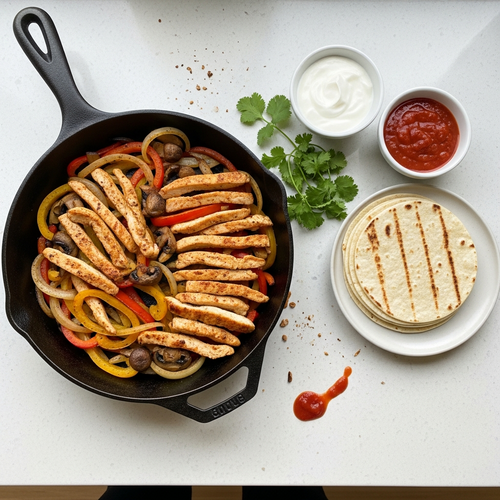
Description: A simple, flavorful, and high-protein chicken fajita recipe designed for fat loss and an ADHD-friendly lifestyle. Quick to make, packed with veggies, and perfect for meal prep.
Prep Time: 10 minutes | Cook Time: 15 minutes
Servings: 4
Macros per Serving | Calories: 310 | Protein: 30g | Fat: 10g | Carbohydrates: 22g
Ingredients
- 1 lb boneless, skinless chicken breast, sliced into thin strips
- 1 red bell pepper, thinly sliced
- 1 green bell pepper, thinly sliced
- 1 yellow bell pepper, thinly sliced
- 1 large yellow onion, thinly sliced
- 1 cup sliced mushrooms
- 2 tbsp lime juice, fresh-squeezed
- 1 tbsp low-sodium soy sauce or coconut aminos
- 1 tbsp water
- 1 tsp chili powder
- 1 tsp smoked paprika
- 1/2 tsp ground cumin
- 1/2 tsp garlic powder
- 1/2 tsp onion powder
- 1/4 tsp black pepper
- Cooking spray or 1 tsp olive oil
Instructions
- In a medium bowl, whisk together the lime juice, soy sauce, water, and all spices. Add the sliced chicken and toss to coat. Marinate for at least 20 minutes.
- Heat a large skillet over medium-high heat. Coat with cooking spray and add the sliced peppers, onions, and mushrooms. Cook for 5-7 minutes until tender-crisp. Remove from skillet and set aside.
- Add the marinated chicken to the hot skillet in a single layer. Cook for 5-7 minutes, turning occasionally, until golden brown and cooked through.
- Return the vegetables to the skillet with the chicken. Toss everything together to combine and reheat.
- Serve immediately with your favorite healthy toppings.
Notes
For an ADHD-friendly shortcut, use a bag of frozen pre-sliced bell peppers and onions. You can also marinate the chicken overnight to save time on a busy day.
FAQs About Fajitas For Weight Loss
Here are some straightforward answers to the most common questions I receive about this fajita recipe.
Are fajitas a good choice for a weight loss diet?
Yes, fajitas can be an absolutely fantastic choice for a weight loss diet, but it all comes down to how they are prepared. The typical fajita platter you get at a restaurant is often a hidden calorie bomb. It’s usually cooked in a large amount of oil and served with a stack of large flour tortillas, cheese, guacamole, and sour cream. While delicious, that version can easily pack over 1,000 calories and work against your fat loss goals.
However, when you make a fajita at home using a recipe like this one, you take back control. Our version prioritizes lean protein from chicken breast and high-volume, low-calorie vegetables. We use minimal oil or cooking spray, and the flavor comes from spices and a smart marinade, not from fat and sugar. By making simple swaps like using non-fat Greek yogurt for sour cream and choosing low-carb or corn tortillas, you create a meal that is high in protein, incredibly filling, and perfectly fits within a calorie deficit. This is how you eat the foods you love while still making progress.
How can I make my fajita recipe even lower in calories?
If you’re in a more aggressive fat loss phase or just want to reduce the calories further, there are several easy adjustments you can make to this fajita recipe. The first and simplest is to eliminate the cooking oil entirely. You can use a good quality non-stick pan with cooking spray, or try the “water-sauté” method. To do this, simply add a tablespoon or two of water to the hot pan with your vegetables. This creates steam and prevents them from sticking without adding any fat calories.
The second area to look at is how you serve them. The most significant source of calories in a traditional fajita meal often comes from the tortillas and toppings. To dramatically lower the calorie count, serve your fajita mix in a “bowl” over a bed of shredded lettuce or with a side of cauliflower rice instead of using tortillas. For toppings, stick to zero or very low-calorie options like salsa, fresh cilantro, and a squeeze of lime juice. These small changes can save you hundreds of calories without sacrificing flavor or volume.
What is the best protein for a healthy fajita?
While this recipe calls for chicken breast, several excellent lean protein sources work well in a healthy fajita. Boneless, skinless chicken breast is often the top choice because it’s incredibly lean, budget-friendly, and a great source of high-quality protein. It’s a blank canvas that soaks up the marinade beautifully.
Another fantastic option is lean steak, such as sirloin or flank steak. These cuts are flavorful and tender when sliced thinly against the grain. They provide a good amount of iron in addition to protein. Shrimp is another excellent choice for a lean and healthy fajita. It’s very low in fat, packed with protein, and cooks in just a few minutes, making it a great option for a super-fast weeknight meal. For a plant-based version, extra-firm tofu or a combination of black beans and corn can also create a satisfying and protein-rich fajita filling.
Can I meal prep this chicken fajita recipe?
Absolutely. This fajita recipe is one of my go-to meal preps because it holds up so well in the fridge and is incredibly versatile. There are two main ways to approach it. The first method is to prep all the components ahead of time. You can slice all your chicken and vegetables and store them in separate airtight containers. You can also mix the marinade in a jar. When you’re ready to eat, you just have to toss the chicken in the marinade for a few minutes and then cook everything, which takes less than 15 minutes.
The second method, which is my favorite for maximum convenience, is to cook a large batch of the entire recipe at once. Once it’s cooked and cooled, portion the fajita mixture into individual meal prep containers. You can then store them in the fridge for up to four days. This gives you a delicious, perfectly portioned, high-protein meal that is ready to be reheated in minutes. It’s an amazing strategy for busy weekdays to ensure you have a healthy option ready to go, preventing you from making less ideal food choices when hunger strikes.
What kind of tortillas are best for a low-carb fajita?
The tortilla you choose can make a big difference in the total carbohydrate and calorie count of your meal. Thankfully, there are more great low-carb options available now than ever before. Many brands offer “keto-friendly” or “low-carb” flour tortillas that are high in fiber, which reduces the net carb count significantly. These can be a great way to get that classic soft tortilla experience without the heavy carb load.
Corn tortillas are another excellent choice. They are naturally gluten-free and generally smaller and lower in calories and carbs than their flour counterparts. Just be sure to warm them up before serving to make them soft and pliable. For the ultimate low-carb and low-calorie option, you can skip tortillas altogether and use large, crisp lettuce leaves as wraps. Butter lettuce, iceberg, or romaine leaves all work well and provide a refreshing crunch that pairs nicely with the warm, savory filling.
Try These High-Protein Recipes Next
If you enjoyed this simple and flavorful fajita recipe, here are a few other high-protein meals you should try.
- My Other Chicken Fajita Recipe – A slightly different take on this classic, perfect for when you want to mix things up.
- Easy Birria Tacos – A simplified, high-protein version of the super popular and delicious slow-cooked tacos.
- Easy Steak Fajitas – A fantastic and straightforward recipe for when you’re craving beef fajitas instead of chicken.
Building a list of go-to healthy recipes is one of the best ways to stay consistent on your fitness journey.