
If you told me ten years ago that I’d be eating chocolate chip cookies regularly while staying lean, I would have laughed. Back then, food was my enemy. It was all-or-nothing. I was either on a brutally strict diet, eating nothing but chicken and broccoli, or I was completely off the rails, eating an entire sleeve of store-bought cookies in one sitting.
That black-and-white thinking is a classic ADHD trait, and it kept me stuck for years. When I finally lost 70 pounds, it wasn’t because I found the “perfect” diet. It was because I learned to build a flexible system that worked with my brain, not against it.
That’s where these high-protein chocolate chip cookies come in. They aren’t a “cheat.” They’re a tool. They are a planned, satisfying part of my week that keeps cravings at bay and prevents the shame spiral that used to follow a moment of indulgence.
This recipe is the result of years of tinkering. It’s designed to be simple, satisfying, and packed with enough protein to actually support your fitness goals. It’s for those of us who need a system that allows for comfort and flavor without derailing our progress. It’s proof that you can have your cookie and eat it too.
Skip to My Flexibe Diet Recipe!
Why Chocolate Chip Cookies Are Great For Fat Loss
Let’s get one thing straight. A cookie is not a magic fat-loss food. But a smarter cookie, one designed with intention, can be a powerful tool in your fat-loss journey. That’s exactly what these high-protein chocolate chip cookies are designed to be. The entire philosophy here at ADHD FIT is built on consistency and sustainability, and that means finding ways to include the foods you love.
The number one reason this recipe works is protein. Each cookie is packed with it. Protein is a game-changer for fat loss because it’s incredibly satiating. It keeps you feeling full and satisfied for longer, which crushes the random, nagging cravings that often lead to mindless snacking. When you eat one of these, you’re not just getting a sweet treat; you’re fueling your body and managing your hunger.
We also strategically slash the typical culprits: sugar and fat. Instead of butter and heaps of sugar, we use unsweetened applesauce and non-fat Greek yogurt. These ingredients provide moisture and richness without the empty calories. The sweetness comes from a brown sugar substitute, giving you that classic cookie flavor without the blood sugar spike and subsequent crash that can wreck your energy and focus.
This approach embodies the flexible eating principle. Instead of banning cookies and creating a massive craving that eventually leads to a binge, we build a better version. You can plan to have one or two of these as a post-workout snack or an evening dessert. It feels like an indulgence, but the macros are working for you, not against you. This prevents the “what the hell” effect, where one “bad” food makes you feel like you’ve ruined your day and might as well give up entirely.
These chocolate chip cookies fit into a realistic, sustainable lifestyle. They prove that you don’t have to live a life of deprivation to get results. You just need better tools in your toolbox.
Ingredients You’ll Need for Chocolate Chip Cookies
The magic of these cookies is in the ingredient swaps. We’re taking a classic comfort food and re-engineering it to support your goals. Every ingredient here has a specific purpose, from boosting protein to cutting calories while keeping the texture and flavor you expect from great chocolate chip cookies.
The key player is the whey-casein blend protein powder. This isn’t just for shakes. Using a blend is important because whey provides a quick protein hit, while casein is slower-digesting and helps give the cookies a softer, more satisfying chew. A 100% whey powder can sometimes result in a dry, rubbery texture when baked. Vanilla or unflavored works best to let the cookie flavor shine through.
Here is the full list of what you’ll need for these high-protein chocolate chip cookies:
- 1/2 cup (120g) unsweetened applesauce
- 1/4 cup (60g) plain non-fat Greek yogurt
- 1/4 cup (48g) brown sugar substitute (e.g., erythritol or monk fruit blend)
- 2 large egg whites
- 1 teaspoon vanilla extract
- 1/2 cup (60g) vanilla or unflavored whey-casein blend protein powder
- 1/4 cup (30g) whole wheat flour or oat flour
- 2 tablespoons (15g) coconut flour
- 1/2 teaspoon baking soda
- 1/4 teaspoon salt
- 1/3 cup (60g) sugar-free or dark chocolate chips
- Optional: 1 tablespoon ground flaxseed for extra fiber and omega-3s
Let’s talk about a few other important ingredients. The unsweetened applesauce and Greek yogurt are our fat replacements. They provide incredible moisture and a subtle tang that balances the sweetness. Make sure your applesauce is unsweetened to avoid adding unnecessary sugar. Coconut flour is another secret weapon. It’s extremely absorbent, so a little goes a long way in creating a soft, cake-like cookie structure without adding tons of carbs.
Finally, the chocolate chips. The quality matters. Using a good sugar-free brand or a high-quality dark chocolate (70% cacao or higher) will give you a rich, decadent flavor. Don’t skimp here, as it makes a huge difference in the final product. These thoughtful choices are what make these cookies a smart, repeatable part of your fitness plan.
How To Make Chocolate Chip Cookies (Step-By-Step)
One of the biggest hurdles with an ADHD brain is getting started on a multi-step task like baking. We’re going to make this simple and scannable. My best tip: practice “mise en place.” Before you do anything else, get all your ingredients out and measure them into small bowls. This turns a complex task into a simple assembly line and prevents that mid-recipe panic when you can’t find the baking soda.
Step 1: Preheat Oven and Prep Your Pan
First things first, preheat your oven to 350°F (175°C). Don’t skip this. An accurate oven temperature is crucial for the cookies to bake evenly and set properly. While the oven is heating, line a baking sheet with parchment paper. This is a non-negotiable step. It guarantees your cookies won’t stick, and it makes cleanup incredibly easy, which is a huge win for anyone who dreads doing dishes.
Step 2: Combine the Wet Ingredients
In a medium-sized bowl, add the unsweetened applesauce, plain non-fat Greek yogurt, brown sugar substitute, egg whites, and vanilla extract. Use a whisk to combine them thoroughly. You want the mixture to be smooth and uniform, with the sugar substitute fully dissolved. This ensures the sweetness is evenly distributed throughout the dough.
Step 3: Combine the Dry Ingredients
In a separate, larger bowl, it’s time for the dry ingredients. Add the whey-casein protein powder, whole wheat or oat flour, coconut flour, baking soda, salt, and the optional ground flaxseed. Whisk these together as well. This step is important for evenly distributing the baking soda and salt, which helps the cookies rise properly and enhances the flavor.
Step 4: Mix Wet and Dry, Then Fold in Chocolate Chips
Now, pour the wet mixture from the medium bowl into the large bowl with the dry ingredients. Use a spatula to mix until everything is just combined. The key here is not to overmix. Overmixing can develop the gluten in the flour and make the cookies tough. Stop as soon as you no longer see dry streaks of flour. Gently fold in your chocolate chips until they are evenly distributed.
Step 5: Scoop and Bake
The dough will be softer and stickier than traditional cookie dough, which is normal. Use a rounded tablespoon or a small cookie scoop to drop the dough onto your parchment-lined baking sheet. Leave about 2 inches between each cookie to give them room to spread a little. Bake for 9 to 11 minutes. The edges should look set and lightly golden, but the centers might still appear a bit soft. That’s perfect.
Step 6: Cool Completely
This is the hardest part: waiting. Leave the cookies on the hot baking sheet for at least 5 minutes. They will continue to cook and set from the residual heat. After 5 minutes, carefully transfer them to a wire rack to cool completely. They firm up as they cool, developing that perfect soft, chewy texture. Do not skip the cooling process; it’s essential for the final result.
How To Serve Chocolate Chip Cookies (ADHD-Friendly)
How you incorporate these chocolate chip cookies into your day is just as important as the recipe itself. For those of us with ADHD, having a plan is everything. Without one, it’s easy to fall into impulsive eating patterns. So, let’s think about how to serve these in a way that fuels your body and supports your goals without triggering a snack-cident.
My favorite way to enjoy these is as a planned post-workout treat. Your body is primed to use the protein and carbohydrates for muscle recovery. Pairing one or two cookies with a protein shake or a cup of protein coffee creates a powerhouse recovery meal that feels incredibly decadent. It hits the sweet spot for satisfying cravings while delivering the nutrients your body needs after a tough workout.
Another great strategy is to use them as a planned evening dessert. The “out of sight, out of mind” principle is huge for me. I don’t leave the whole batch on the counter. Instead, I pre-portion them into small containers or bags with one or two cookies each. When it’s time for my planned dessert, I grab one portion. This simple barrier prevents the hyperfocus-fueled “I’ll just have one more” that can lead to eating the whole batch.
Here are a few more ADHD-friendly serving ideas:
- With Greek Yogurt: Crumble one cookie over a bowl of plain non-fat Greek yogurt. You get extra protein, and the different textures make it feel like a fancy parfait. It’s a great way to bulk up the snack and make it even more filling.
- As a “Topper”: If you make protein ice cream or a smoothie bowl, break up a cookie and sprinkle it on top for a satisfying crunch. This adds flavor and texture without adding a ton of calories.
- Slightly Warmed: Pop a cookie in the microwave for 10-15 seconds. It brings back that fresh-from-the-oven softness and makes the chocolate chips melty and delicious. It elevates the experience and makes one cookie feel more special and satisfying.
The goal is to be intentional. By planning when and how you’ll eat these chocolate chip cookies, you turn them from a potential pitfall into a sustainable part of your fat loss toolkit. You’re in control, and the food serves your purpose, not the other way around.
How To Store, Reheat, and Reuse Chocolate Chip Cookies
Proper storage is key to making this recipe work for a busy lifestyle. Since these cookies are made with Greek yogurt and applesauce, they are more moist than traditional cookies and should be stored correctly to maintain freshness and prevent them from becoming too soft or spoiling. The last thing you want is to have your hard work go to waste.
For short-term storage, an airtight container is your best friend. Once the cookies have cooled completely, place them in the container. I like to place a paper towel on the bottom and another on top of the cookies. The paper towel absorbs any excess moisture, which helps keep the cookies from getting soggy. They will stay fresh at room temperature for up to 3 days. For any longer than that, the refrigerator is a better option.
These cookies are also fantastic for meal prepping because they freeze beautifully. Freezing is my go-to strategy to manage portion control and ensure I always have a healthy treat ready. It’s a perfect system for an ADHD brain; batch the task of baking once, then reap the rewards for weeks.
- Freezing Instructions: Allow the cookies to cool completely. You can “flash freeze” them by placing them on the baking sheet in a single layer and putting the whole sheet in the freezer for about an hour. Once they are solid, transfer them to a freezer-safe zip-top bag or container. This prevents them from sticking together.
- ADHD Pro-Tip: Use a permanent marker to label the bag with the contents (“Protein Chocolate Chip Cookies”) and the date. This saves you the mental energy of trying to remember what’s in the bag and when you made it. They will last for up to 3 months in the freezer.
- Reheating: You can eat them straight from the freezer if you like a firm, chewy cookie. To soften them up, you can let one sit on the counter for about 15-20 minutes. If you’re in a hurry, the microwave is perfect. Just 15-20 seconds is all it takes to get a warm, soft, melty-chocolate-chip cookie.
Having a stash of these in the freezer is a powerful tool. When a strong craving hits, instead of reaching for a high-calorie, store-bought option, you have a perfectly portioned, macro-friendly choice waiting for you. It’s a simple system that helps you stay consistent day after day.
Easy Swaps & Variations for Chocolate Chip Cookies
The best recipes are flexible. Life gets busy, you might not have a specific ingredient on hand, or you might just want to change things up. This chocolate chip cookies recipe is very forgiving and can be easily adapted to fit your dietary needs, preferences, or what’s currently in your pantry. A system that doesn’t allow for flexibility is a system that’s destined to fail, especially for those of us with ADHD.
One of the most common questions I get is about protein powder. While a whey-casein blend gives the best texture, you can experiment. If you only have 100% whey, it might work, but the cookies could be a bit drier. You may need to add an extra tablespoon of Greek yogurt or applesauce to compensate. If you need a dairy-free option, a high-quality plant-based protein blend (like a pea and rice protein mix) can also work well, though it will change the flavor and texture slightly.
Another area for easy swaps is the flour. The recipe is designed to be balanced, but you have options. Don’t be afraid to experiment and find what works for you. Remember, the goal is a practical solution, not perfection.
- For a Gluten-Free Version: You can easily make these gluten-free. Simply swap the whole wheat flour for a gluten-free all-purpose blend or use certified gluten-free oat flour. Ensure your protein powder is also certified gluten-free.
- Different Flours: If you don’t have whole wheat or oat flour, you can use all-purpose flour, but you’ll lose a bit of the fiber. Almond flour can also be used, but since it’s much higher in fat and more absorbent, you might need to adjust the wet ingredients. Start with the same amount and see how the dough feels.
- Flavor Variations: This is where it gets fun. Add a pinch of cinnamon or a dash of espresso powder to the dry ingredients to deepen the flavor. Swap the vanilla extract for almond or peppermint extract. Instead of chocolate chips, try sugar-free butterscotch chips, peanut butter chips, or even chopped nuts and seeds for extra crunch and healthy fats.
The point is to make this recipe your own. Having a go-to base recipe that you can tweak and adapt makes healthy eating feel less like a rigid set of rules and more like a creative, enjoyable process. It’s one more way we work with our brains, not against them.
High-Protein Chocolate Chip Cookies
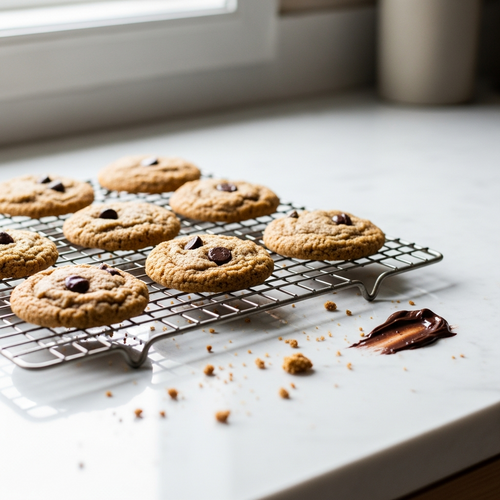
Description: Soft, chewy, and delicious chocolate chip cookies packed with protein to satisfy your sweet tooth while supporting your fat loss goals. An ADHD-friendly recipe that’s simple, flexible, and perfect for meal prep.
Prep Time: 5 minutes | Cook Time: 10 minutes
Servings: 12 cookies
Macros per Serving | Calories: 64 | Protein: 5.5g | Fat: 1.7g | Carbohydrates: 7.3g
Ingredients
- 1/2 cup (120g) unsweetened applesauce
- 1/4 cup (60g) plain non-fat Greek yogurt
- 1/4 cup (48g) brown sugar substitute
- 2 large egg whites
- 1 teaspoon vanilla extract
- 1/2 cup (60g) vanilla or unflavored whey-casein blend protein powder
- 1/4 cup (30g) whole wheat flour or oat flour
- 2 tablespoons (15g) coconut flour
- 1/2 teaspoon baking soda
- 1/4 teaspoon salt
- 1/3 cup (60g) sugar-free or dark chocolate chips
Instructions
- Preheat oven to 350°F (175°C) and line a baking sheet with parchment paper.
- In a medium bowl, whisk together the applesauce, Greek yogurt, brown sugar substitute, egg whites, and vanilla extract until smooth.
- In a large bowl, combine the protein powder, flour, coconut flour, baking soda, and salt.
- Pour the wet ingredients into the dry and mix until just combined. Do not overmix. Fold in the chocolate chips.
- Drop rounded tablespoons of dough onto the baking sheet.
- Bake for 9-11 minutes, until the edges are lightly golden.
- Let cool on the baking sheet for 5 minutes before moving to a wire rack to cool completely.
Notes
The dough will be softer than traditional cookie dough. Do not overbake, as they will firm up as they cool. Store in an airtight container for up to 3 days or freeze for up to 3 months.
FAQs About Chocolate Chip Cookies For Weight Loss
Here are some straightforward answers to the most common questions I receive about this protein chocolate chip cookies recipe.
Can I really eat chocolate chip cookies and still lose weight?
Yes, you absolutely can. This is one of the biggest mental hurdles people need to overcome. Fat loss is not about eliminating foods you love; it’s about managing your overall calorie intake and prioritizing nutrients like protein. A traditional chocolate chip cookie from a bakery can easily pack 200-300 calories with very little protein or fiber, making it easy to overeat without feeling full.
Our version completely flips the script. By using protein powder, Greek yogurt, and applesauce, we create a cookie that is much lower in calories (around 64 calories per cookie) and significantly higher in protein (about 5.5 grams per cookie). This improved nutritional profile means you can fit them into your daily calorie and macro targets without derailing your progress. The protein and fiber help manage hunger, which is a critical part of sustainable weight loss. The key is to see them not as a “cheat” but as a planned part of a flexible, balanced diet.
What is the best protein powder to use for these chocolate chip cookies?
The type of protein powder you use has a big impact on the final texture of the cookies. I strongly recommend a whey and casein blend. Casein protein absorbs more liquid and bakes up much softer and chewier than 100% whey protein. When you bake with just whey, it can sometimes become dry, dense, or rubbery. The blend provides the best of both worlds: a great protein boost with a much more pleasant, cookie-like texture.
In terms of flavor, a simple vanilla or an unflavored powder works best as a neutral base that lets the classic chocolate chip cookie flavors come through. Some brands also make dessert-themed flavors like “cookie dough” or “cake batter” that could be fun to experiment with. If you have a dairy allergy or are vegan, a high-quality plant-based blend (usually a mix of pea, rice, or soy proteins) can be substituted, but be prepared for a slightly different, often denser, texture.
My chocolate chip cookies came out dry. What did I do wrong?
There are a few common reasons why these chocolate chip cookies might turn out dry. The most frequent culprit is overbaking. Protein-based baked goods cook very quickly and can go from perfect to dry in just a minute or two. It’s crucial to pull them out of the oven when the edges are just set and golden, even if the centers still look a little soft. They will continue to set on the hot baking sheet as they cool.
Another potential issue is ingredient measurement. Baking is a science, and being precise matters, especially with an ingredient like coconut flour. Coconut flour is extremely absorbent, and even an extra teaspoon can suck up too much moisture and dry out the dough. Make sure you are leveling your measuring spoons and cups. Finally, as mentioned before, using 100% whey protein instead of a whey-casein blend can contribute to a drier texture. If you’re struggling with dryness, try adding an extra tablespoon of applesauce or Greek yogurt next time.
Can I make these chocolate chip cookies without a sugar substitute?
Yes, you can, but it will change the nutritional information significantly. The sugar substitutes (like erythritol or monk fruit blends) are used to provide sweetness without adding calories or sugar, which is a key part of what makes these cookies fat-loss friendly. If you prefer to use natural sugars, you can substitute the brown sugar substitute with an equal amount of coconut sugar or regular brown sugar.
Just be aware that this will add a considerable number of calories and carbohydrates to each cookie. For example, using 1/4 cup of regular brown sugar will add about 200 calories to the entire batch, or roughly 16-17 extra calories per cookie. While that may not seem like a lot, it can add up. It’s a personal choice based on your goals and preferences. If you’re less concerned with minimizing calories, using a natural sugar is a perfectly valid option.
How can I make a bigger batch of these chocolate chip cookies for meal prep?
This recipe is perfect for doubling or even tripling. It’s an excellent strategy for anyone, but especially for those with ADHD, because it allows you to “batch” the task of baking and have healthy snacks ready for weeks to come. The process is simple: just multiply all the ingredient quantities by two (or three). There are no complex adjustments needed.
When you make a larger batch, make sure you are using bowls that are big enough to comfortably mix the ingredients without making a mess. You may need to bake them in multiple rounds, depending on the size of your oven and your baking sheets. Once all the cookies are baked and have cooled completely, the freezer is your best friend. Follow the freezing instructions mentioned earlier: flash freeze them on the baking sheets before transferring them to large, clearly labeled freezer bags. This makes it incredibly easy to grab one or two cookies whenever you need a quick, healthy treat.
Try These High-Protein Recipes Next
If you enjoyed these high-protein chocolate chip cookies, here are a few other simple, macro-friendly recipes you should try.
- Single-Serve Protein Cookie: When you just want one perfect cookie without the temptation of a full batch, this is your go-to recipe. It’s fast, easy, and perfectly portioned.
- High-Protein Sugar Cookies: A soft, chewy, and guilt-free version of another classic. Perfect for when you want a simple, sweet treat.
- Classic Chewy Chocolate Chip Cookies: For a day when you’re looking for a more traditional, indulgent cookie experience, this recipe from This Gal Cooks is a fantastic, reliable choice.
Building a library of go-to recipes is one of the best ways to stay consistent and make your fitness journey enjoyable.