
Let’s be honest. Before I ever cared about fitness, my relationship with cookie dough was simple. It involved a log of the store-bought stuff, a spoon, and a complete disregard for the salmonella warning on the package. It was my go-to comfort food after a long day, a reward, and often, a source of guilt.
When I started my journey to lose 65 pounds, I knew that all-or-nothing thinking was my enemy. As someone with ADHD, if I told myself I could *never* have cookie dough again, I would hyperfocus on it until I ate an entire batch. That’s just how my brain works. The restriction would have led to a binge, followed by a shame spiral, and then quitting altogether.
I needed a better way. I needed a version that worked *with* my goals, not against them. That meant it had to be high in protein to keep me full, low in sugar to avoid a crash, and incredibly easy to make on days when my executive function was shot. This protein-packed edible cookie dough is the result of that mission.
It’s the dessert I can eat with a spoon, guilt-free, knowing it’s actually helping me hit my protein targets and stay on track. It satisfies the craving for something sweet and decadent without derailing my progress. This recipe is a cornerstone of my flexible eating philosophy. It’s proof that you don’t have to give up the foods you love to build a body you’re proud of.
Skip to My Flexibe Diet Recipe!
Why Edible Cookie Dough Is Great For Fat Loss
When people see a recipe for cookie dough, “fat loss” isn’t usually the first thing that comes to mind. But this isn’t your average sugar-laden dessert. This recipe was engineered from the ground up to support a sustainable fitness lifestyle, especially for those of us with ADHD who struggle with cravings and impulsivity.
The number one principle here is Protein First. With a hefty dose of protein powder and Greek yogurt, each serving helps you feel fuller for longer. Protein is metabolically active, meaning your body burns more calories digesting it compared to fats or carbs. More importantly, it crushes hunger, which is the biggest hurdle in any fat loss phase. When you’re satisfied, you’re far less likely to raid the pantry for junk food.
Next, we tackle hunger management. This recipe uses a blend of slow-digesting protein (casein), healthy fats from almond flour and cashew butter, and fiber from oat flour. This combination helps stabilize your blood sugar. You avoid the intense spike and subsequent crash that comes from traditional cookie dough, which is a major trigger for binge eating and low energy. Steady energy means better mood, more focus, and fewer impulsive food choices.
Finally, it embraces flexible eating. My philosophy is that strict, perfect diets are doomed to fail. Life happens. Cravings happen. Instead of a “cheat meal” that can send you into a spiral, we build in small, planned indulgences like this edible cookie dough. It feels like a treat, tastes like a treat, but its macros are working for you. This psychological win is huge. It prevents the feeling of deprivation that so often leads to quitting, making consistency not just possible, but enjoyable.
Ingredients You’ll Need for Edible Cookie Dough
Putting together this high-protein edible cookie dough is incredibly simple, and the ingredients are chosen specifically for both flavor and function. Here’s exactly what you’ll need to have on hand. Getting everything out on the counter before you start is a great ADHD tip to make the process smooth and prevent that mid-recipe panic.
Here are the core components for one batch:
- 1/2 cup vanilla or cake pop flavored whey/casein blend protein powder
- 1/4 cup oat flour
- 2 tablespoons almond flour
- 3 tablespoons powdered erythritol or monk fruit sweetener
- 1/4 cup unsweetened almond milk
- 2 tablespoons plain, non-fat Greek yogurt
- 1 tablespoon cashew butter
- 1 teaspoon vanilla extract
- 1/8 teaspoon salt
- 2 tablespoons mini sugar-free chocolate chips
The key ingredient here, the one that truly makes the texture perfect, is the whey/casein blend protein powder. Using 100% whey protein can result in a sticky, gummy texture. Casein, on the other hand, is much thicker and absorbs more liquid, creating a consistency that is remarkably similar to real cookie dough. The blend gives you the best of both worlds. I find that vanilla or cake pop flavors work best as a neutral, sweet base.
For the flours, oat flour provides a nice, wholesome body, while the small amount of almond flour adds richness and healthy fats that contribute to a better mouthfeel. When it comes to sweetener, using a powdered version like erythritol or monk fruit is crucial. Granular sweeteners won’t dissolve properly and will leave you with a gritty texture. A good quality vanilla extract and a pinch of salt are non-negotiable, as they elevate the flavor from “protein snack” to “legitimate dessert.”
How To Make Edible Cookie Dough (Step-By-Step)
This recipe is designed to be brutally practical. You don’t need any special equipment, and it comes together in just a few minutes. We’re going for maximum reward with minimum effort, which is a lifesaver on low-motivation days. The key is to mix the dry and wet ingredients separately first to ensure a smooth, uniform dough.
Step 1: Combine The Dry Ingredients
In a medium-sized bowl, add your protein powder, oat flour, almond flour, and powdered sweetener. Grab a whisk and mix them together thoroughly. This step is more important than it seems. It breaks up any clumps in the protein powder and ensures the sweetener is evenly distributed. If you skip this, you might end up with pockets of unsweetened flour or overly sweet protein powder. A quick whisk for 30 seconds is all it takes.
Step 2: Mix The Wet Ingredients
Now, grab a separate, smaller bowl. Add the unsweetened almond milk, Greek yogurt, cashew butter, vanilla extract, and salt. Use a small spatula or a spoon to mix these until they are completely smooth and creamy. The cashew butter might take a moment to incorporate fully, but just keep stirring. Making sure this mixture is uniform before adding it to the dry ingredients is key for achieving that perfect doughy texture.
Step 3: Combine Wet And Dry
Pour the smooth wet mixture into the bowl with your dry ingredients. Switch to a rubber spatula for this part. Begin to fold and stir everything together. At first, it might look a little dry or crumbly, but be patient. Keep scraping the sides and pressing the mixture together. Within about a minute, it will transform into a thick, cohesive dough that pulls away from the sides of the bowl.
Step 4: Fold In The Chocolate Chips
Once your dough has formed, it’s time for the best part. Add your mini sugar-free chocolate chips. Gently fold them into the dough with your spatula until they are evenly distributed. Don’t overmix here; just a few turns are all you need to get those chocolatey bits in every bite.
Step 5: Chill For The Best Texture
This final step is optional but highly recommended. For the ultimate edible cookie dough experience, cover the bowl and place it in the refrigerator for at least 15-20 minutes. This allows the oat flour and protein powder to fully hydrate and firms up the dough, making it less sticky and even more delicious. It’s worth the short wait.
How To Serve Edible Cookie Dough (ADHD-Friendly)
How you serve this edible cookie dough can make a big difference in how it fits into your fat loss plan, especially when navigating an ADHD brain. The goal is to make it a planned, satisfying treat, not an impulsive, mindless snack. My number one tip is to portion it out immediately after making it.
Our brains often struggle with “out of sight, out of mind,” but the reverse is also true: what’s in sight is in mind. A big bowl of cookie dough in the fridge is a temptation. Instead, divide the entire recipe into 2-4 small, sealed containers right away. Now, you have pre-portioned, grab-and-go desserts for the next few days. This removes the decision-making process when a craving hits, preventing you from accidentally eating the whole batch while hyperfocused on a task.
Here are a few ways I like to enjoy it:
- Straight from the container: The simplest way is the best way. Grab a spoon and enjoy it as is. It’s a perfect post-workout treat to replenish glycogen and get a protein boost, or a great evening snack to curb late-night sugar cravings.
- As a fruit dip: This is a fantastic way to add more micronutrients and fiber. Slice up an apple or some strawberries. The combination of the creamy dough and the crisp, fresh fruit is amazing.
- Rolled into bites: If you want an even quicker snack, roll the chilled dough into small, bite-sized balls. Store them in the fridge or freezer. You can grab one or two when you need a quick protein hit without committing to a full portion.
- Mixed into yogurt: For a seriously high-protein dessert bowl, take a serving of plain Greek yogurt and crumble some of the cookie dough into it. It adds incredible flavor and texture, turning a simple snack into a decadent-feeling treat.
By preparing and portioning it ahead of time, you’re setting your future self up for success. It’s a simple system that respects how your brain is wired, making it easy to stick to your goals without feeling deprived.
How To Store, Reheat, and Reuse Edible Cookie Dough
Proper storage is key to making this recipe a convenient and sustainable part of your routine. The beauty of this edible cookie dough is that it’s designed for meal prep. You can make a batch once and have a healthy, high-protein dessert ready to go for several days. This is a game-changer for those of us with ADHD, as it reduces the daily effort required to stay on track.
Here’s how to keep your cookie dough fresh and delicious:
- Refrigeration: This is the best method for short-term storage. Portion the cookie dough into airtight containers and store it in the refrigerator. It will stay fresh and maintain its great texture for up to 4-5 days. The dough will become firmer as it chills, which many people actually prefer. If you like a softer consistency, just let it sit at room temperature for about 10 minutes before eating.
- Freezing: This recipe freezes exceptionally well. For longer-term storage, you can either freeze a whole batch in a single airtight container or, for maximum convenience, roll the dough into individual balls. Place the cookie dough balls on a baking sheet lined with parchment paper and freeze until solid. Then, transfer the frozen bites to a zip-top freezer bag. They’ll last for up to 3 months.
This recipe doesn’t require any reheating since it’s meant to be eaten chilled. In fact, you should avoid microwaving it, as the protein powder can become rubbery and unpleasant when heated. The focus here is on reuse and convenience.
Frozen cookie dough bites are an amazing tool. You can grab one or two directly from the freezer for a quick, cold treat. They thaw quickly, taking only about 5-10 minutes at room temperature to soften up. You can also toss a frozen bite into a protein shake to add a boost of flavor and a thicker, creamier texture. Having these pre-portioned and ready in the freezer eliminates friction and makes it easy to make a good choice when you’re hungry and short on time.
Easy Swaps & Variations for Edible Cookie Dough
One of the best things about this recipe is its flexibility. You can easily adapt it to fit your dietary needs, taste preferences, or simply what you have on hand in your pantry. The goal is consistency, not perfection, so don’t be afraid to make a few changes. A “good enough” recipe you make consistently is always better than a “perfect” recipe you never get around to making.
Here are some simple and reliable swaps you can try:
- Protein Powder: While the whey/casein blend provides the best texture, you can use 100% whey or even a plant-based protein powder. If using 100% whey, you may need to use a little less almond milk, as it doesn’t absorb as much liquid. If using a plant-based powder (like pea or soy), you might need to add a bit more liquid to get the right consistency. Just adjust slowly until a dough forms.
- Nut Butters: Cashew butter has a mild, creamy flavor that works perfectly, but you can easily substitute it. Almond butter is a great alternative. For a nut-free version, use sunflower seed butter or tahini. Just be aware that these have stronger flavors that will come through in the final product.
- Flours: If you don’t have both oat and almond flour, you can play with the ratios. You could use all oat flour, but the dough might be a bit less rich. You could also substitute the almond flour with more protein powder or even a bit of coconut flour, but start with a small amount of coconut flour as it is extremely absorbent.
- Mix-Ins: The mini chocolate chips are classic, but feel free to get creative! You could swap them for sugar-free white chocolate chips, chopped nuts like pecans or walnuts, or even some festive sprinkles for a birthday cake vibe. A tablespoon of unsweetened cocoa powder can also be added to the dry ingredients for a double chocolate chip version.
Remember, the core of this recipe is the high-protein base. As long as you maintain that, you can customize the flavors to keep things interesting. This prevents taste boredom, which is a common reason people fall off their nutrition plan. Experiment and find the combination that makes you excited to eat your healthy dessert.
High-Protein Edible Cookie Dough
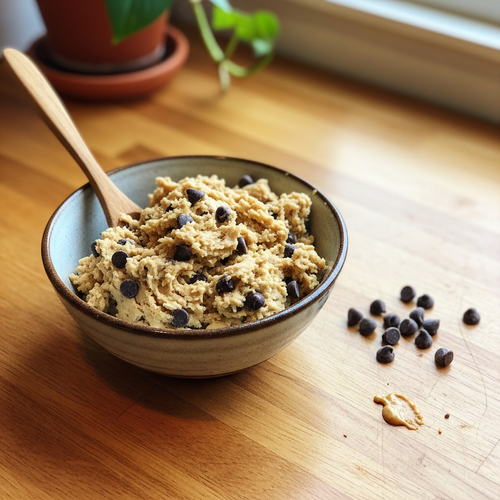
Description: A quick, easy, and delicious edible cookie dough that’s packed with protein and perfect for a guilt-free dessert or snack. It’s designed to crush cravings and support fat loss goals without sacrificing flavor.
Prep Time: 5 minutes | Chill Time: 15 minutes
Servings: 2
Macros per Serving | Calories: 315 | Protein: 30g | Fat: 14g | Carbohydrates: 20g (net)
Ingredients
- 1/2 cup vanilla or cake pop flavored whey/casein blend protein powder
- 1/4 cup oat flour
- 2 tablespoons almond flour
- 3 tablespoons powdered erythritol or monk fruit sweetener
- 1/4 cup unsweetened almond milk
- 2 tablespoons plain, non-fat Greek yogurt
- 1 tablespoon cashew butter
- 1 teaspoon vanilla extract
- 1/8 teaspoon salt
- 2 tablespoons mini sugar-free chocolate chips
Instructions
- In a medium bowl, whisk together the protein powder, oat flour, almond flour, and powdered sweetener.
- In a separate small bowl, mix the almond milk, Greek yogurt, cashew butter, vanilla, and salt until smooth.
- Pour the wet ingredients into the dry ingredients and stir with a spatula until a thick dough forms.
- Gently fold in the mini sugar-free chocolate chips.
- For the best texture, chill in the refrigerator for at least 15-20 minutes before serving.
Notes
For a dairy-free version, use a plant-based protein powder and a thick, dairy-free yogurt alternative. You may need to adjust the amount of liquid. The dough can be stored in an airtight container in the fridge for up to 5 days.
FAQs About Edible Cookie Dough For Weight Loss
Here are some straightforward answers to the most common questions I receive about this edible cookie dough recipe.
Is this edible cookie dough actually safe to eat?
Absolutely. The safety concerns with traditional raw cookie dough come from two main ingredients: raw eggs, which carry a risk of salmonella, and raw, untreated flour, which can potentially harbor E. coli. This recipe contains no eggs whatsoever, completely eliminating that risk. It is 100% egg-free and designed to be eaten raw.
Regarding the flour, most commercially available flours, including the oat flour and almond flour used here, are considered safe to consume without heat treatment. Almond flour is simply ground almonds. Many oat flours are processed in a way that makes them safe. If you have any concerns, you can easily heat-treat your flour at home. Simply spread it on a baking sheet and bake at 350°F (175°C) for about 5 minutes. Let it cool completely before using it in the recipe. This extra step ensures it is perfectly safe to consume.
Can I make this edible cookie dough with a different type of protein powder?
Yes, you can, but you need to be prepared for a potential change in texture. I specifically recommend a whey and casein blend because it creates the most authentic cookie dough consistency. Casein protein is thick and absorbs a lot of liquid, which gives the dough its body and firmness. Using 100% whey protein will result in a much stickier, gummier texture because whey doesn’t absorb liquid in the same way.
If you only have whey, you can still make it work. I suggest starting with slightly less almond milk (try 3 tablespoons instead of 1/4 cup) and adding more only if needed. If you want to use a plant-based protein powder (like pea, soy, or a blend), they tend to be very absorbent like casein. You might need to add a little extra almond milk to get the right consistency. The key is to add your liquid slowly and mix until a thick dough forms.
How does this edible cookie dough help with ADHD cravings?
This recipe is a powerful tool for managing ADHD-related cravings for a few key reasons. First, many of us with ADHD seek dopamine, and sugary, high-fat foods provide a quick hit. This recipe provides that same satisfying, comforting experience without the massive sugar load. The sweetness comes from a non-nutritive sweetener, so you avoid the blood sugar spike and subsequent crash that can wreck your mood and focus.
Second, the high protein content provides lasting satiety. Impulsive snacking is often a result of either boredom or legitimate hunger. By eating a serving of this cookie dough, you’re giving your body a substantial 30 grams of protein, which keeps you feeling full and satisfied for hours. This reduces the “food noise” in your brain and makes you less likely to impulsively grab other, less healthy snacks. It’s a proactive strategy, not a reactive one.
Will eating this high-protein edible cookie dough make me gain weight?
No single food can make you gain or lose weight. Weight management is all about your total daily calorie intake versus your total daily calorie expenditure. This edible cookie dough is designed to be a tool for fat loss precisely because it’s calorie-controlled and macro-friendly. A single serving is around 315 calories, which can easily fit into a calorie deficit for most people.
More importantly, its high protein content helps you stick to your calorie goals. Protein boosts satiety, helping you eat fewer calories overall throughout the day. It also helps preserve lean muscle mass during a fat loss phase, which is crucial for maintaining a healthy metabolism. So, rather than causing weight gain, incorporating this recipe can actually support your weight loss efforts by managing hunger, crushing cravings, and making your diet more enjoyable and sustainable.
Can I bake this edible cookie dough into actual cookies?
This recipe is not designed for baking. It was formulated specifically to be a safe and delicious raw treat. It lacks the key ingredients that are necessary for cookies to bake properly, such as leavening agents (baking soda or powder), eggs for binding and structure, and enough fat (like butter) to spread and create a cookie-like texture.
If you were to try baking this dough, the result would likely be very dry, dense, and tough pucks. The protein powder would become rubbery and the texture would be unpleasant. If you’re craving a high-protein cookie that’s actually baked, it’s best to seek out a recipe that is specifically developed for that purpose. Think of this recipe as a specialized tool for one job: being the best and healthiest raw cookie dough you can eat.
Try These High-Protein Recipes Next
If you loved this easy and delicious recipe, here are a few more high-protein treats that will keep you on track without sacrificing flavor.
- Healthy Chocolate Chip Cookies Recipe: This is my go-to recipe when you want a classic, warm, baked cookie that’s still packed with protein and macro-friendly.
- The Best Healthy Chocolate Chip Cookies Recipe: Another fantastic variation on the baked protein cookie, perfected for an even better taste and texture.
- Mint Chocolate Mocha Cookie Dough Bites: For a different flavor profile, these no-bake bites from This Gal Cooks offer a refreshing mint and coffee twist on protein-packed cookie dough.
Building a library of simple, tasty, high-protein recipes is one of the best ways to ensure long-term success on your fitness journey.