
For most of my life, a warm chocolate chip cookie was my enemy. It was the food that would start the spiral. I’d tell myself I’d have just one, and that one would turn into the whole batch. It felt like a total loss of control, a familiar story for so many of us with ADHD. When I first lost 65 pounds, I did it by cutting foods like cookies out completely. It worked, but it was miserable.
Living without any of your favorite comfort foods isn’t sustainable. It’s a recipe for burnout and failure. The goal isn’t to be perfect; it’s to be consistent. So I had to find a way to make peace with the cookie.
This recipe is the result of that mission. It’s a high-protein cookie designed to work with your brain, not against it. It crushes cravings with satisfying protein and healthy fats, gives you that comforting, chewy texture, and actually fits into a fat-loss plan. It’s not about restriction. It’s about building a smarter, more flexible way to eat that you can stick with for the long haul.
This is the cookie that helped me realize I could enjoy the foods I love and still reach my fitness goals. And you can too.
Skip to My Flexibe Diet Recipe!
Why This Cookie Recipe Is Great For Fat Loss
Let’s be brutally practical. When it comes to fat loss, food is about 75 percent of the battle. Workouts are important, but you can’t out-train a diet that’s working against you. That’s why I designed this protein cookie recipe to be a tool in your arsenal, not a guilty pleasure that throws you off track.
The number one principle here is Protein First. Each cookie is packed with protein from both whey powder and Greek yogurt. Protein is incredibly satiating, meaning it helps you feel full and stay full for longer. This is a game-changer for managing hunger and preventing the mindless snacking that can happen when your ADHD brain is searching for a quick dopamine hit.
Next, we tackle hunger management. Instead of refined white flour, we use oat flour, which is a complex carbohydrate. It provides fiber and releases energy more slowly, helping to keep your blood sugar stable. No massive sugar spike followed by a crash that leaves you feeling tired and craving more junk. The healthy fats from the natural peanut butter also contribute to satiety and slow down digestion, keeping you satisfied.
This recipe embraces flexible eating. The old-school fitness mindset of “cheat meals” is a disaster for the ADHD brain. It creates an all-or-nothing cycle. One “bad” meal makes you feel like you’ve failed, leading to a “what the hell” spiral where you abandon your plan entirely. Instead, we build small, planned comforts directly into the lifestyle. Having one or two of these cookies is a planned event. It satisfies your sweet tooth, prevents feelings of deprivation, and keeps you in control and on track with your macros.
This isn’t a magic cookie. It’s a strategically designed treat that helps you stay consistent, which is the true secret to sustainable fat loss.
Ingredients You’ll Need for This Cookie Recipe
Everything in this recipe is chosen for a reason: to maximize protein, flavor, and satisfaction while keeping the process simple. Here’s a full rundown of what you’ll need to make this powerhouse cookie.
- 1 cup oat flour (you can make your own by blending rolled oats)
- 1/2 cup vanilla or unflavored whey protein powder
- 1/4 cup brown sugar substitute (like erythritol or a monk fruit blend)
- 1 teaspoon baking soda
- 1/2 teaspoon cinnamon
- 1/4 teaspoon salt
- 1 large egg
- 1/2 cup plain non-fat Greek yogurt
- 1/4 cup creamy natural peanut butter
- 1/4 cup mashed ripe banana
- 1 teaspoon vanilla extract
- 1/3 cup dark chocolate chips
The key ingredient that gives this recipe a special twist is the plain non-fat Greek yogurt. It’s a secret weapon. It adds a significant protein boost without much fat, and it provides incredible moisture, preventing the cookies from becoming dry and chalky like so many other protein baked goods. It completely replaces the need for butter or oil.
When it comes to protein powder, the quality and flavor matter a lot. Choose a whey protein powder you genuinely enjoy the taste of, as it will be a dominant flavor. A vanilla or unflavored whey protein isolate or blend works best for texture.
For the peanut butter, make sure you use a natural creamy peanut butter. Check the label; the only ingredients should be peanuts and maybe a little salt. The kinds with added sugar, oils, and emulsifiers will change the cookie’s texture and add unnecessary calories. The same goes for the banana. The riper it is, the more natural sweetness it will provide, allowing you to use less sweetener.
How To Make This Cookie Recipe (Step-By-Step)
One of our core principles is simplicity. A recipe with a dozen complicated steps is a recipe you’ll never make, especially on a low-motivation day. This process is straightforward and designed to be as ADHD-friendly as possible. Just follow along.
Step 1: Preheat Oven and Prep Your Pan
First things first, preheat your oven to 350°F (175°C). Do this before you even pull out the bowls. It’s a simple task initiation trick. Getting the oven started signals to your brain that it’s time to cook, creating momentum. While it heats up, line a large baking sheet with parchment paper. This step is non-negotiable. It prevents sticking and makes cleanup a thousand times easier.
Step 2: Combine The Dry Ingredients
In a large bowl, add all your dry ingredients: the oat flour, protein powder, brown sugar substitute, baking soda, cinnamon, and salt. Use a whisk to mix them together thoroughly. This is important because it ensures the baking soda and salt are evenly distributed, which helps the cookies rise properly and taste balanced. Don’t just give it a quick stir; make sure it’s all one uniform color.
Step 3: Combine The Wet Ingredients
Grab a separate, medium-sized bowl. In this one, you’ll whisk together the egg, Greek yogurt, natural peanut butter, mashed banana, and vanilla extract. Keep whisking until the mixture is smooth and creamy. You want to break up any clumps of peanut butter or banana so that the moisture is evenly distributed throughout the dough.
Step 4: Mix Wet and Dry, Then Fold In Chocolate
Now, pour the smooth wet mixture into the large bowl with the dry ingredients. Use a spatula to gently fold and stir everything together until it’s just combined. A common mistake is overmixing, which can make protein cookies tough and dense. Stop as soon as you no longer see dry streaks of flour. Finally, gently fold in your dark chocolate chips.
Step 5: Scoop, Shape, and Bake
The dough will be thick and a bit sticky, which is perfectly normal. Drop rounded tablespoons of the dough onto your parchment-lined baking sheet, leaving about two inches between each one. This cookie dough will not spread much on its own. Use the back of a spoon or slightly wet your fingertips to gently press down and flatten each ball of dough to your desired cookie thickness. Bake for 10 to 12 minutes. You’ll know they’re done when the edges look set and are just starting to turn a light golden brown. Let them cool on the baking sheet for five minutes before moving them to a wire rack to finish cooling.
How To Serve This Cookie Recipe (ADHD-Friendly)
How you incorporate a treat like this cookie into your life is just as important as the recipe itself. For those of us with ADHD, creating structure around food is key to avoiding impulsive eating and the dreaded “what the hell” spiral. These cookies are a tool for flexible eating, not an invitation for a free-for-all.
My favorite way to enjoy them is as a planned, satisfying snack. Pair one or two cookies with a tall glass of unsweetened almond milk or a hot cup of coffee in the afternoon. This creates a small, enjoyable ritual that can help you power through that midday slump when your focus starts to wane and your brain starts screaming for sugar. It feels like an indulgence, but it’s packed with protein that will actually help you stay on task.
To make this system work, you need to remove future obstacles for your brain. Here are some brutally practical, ADHD-friendly serving tips:
- Pre-Portion Immediately. As soon as the cookies are completely cool, portion them out. Put one or two cookies into small sandwich bags or reusable containers. This is a critical step. It removes the decision-making process when you’re hungry and just want a snack. You don’t have to think about how many to have; you just grab a bag.
- The “On-The-Go” Snack Pack. Keep a pre-portioned bag in your work bag or car. This is your emergency snack. When you get stuck in traffic or a meeting runs late, you have a healthy, protein-rich option ready. This prevents you from stopping for fast food or grabbing junk from a vending machine out of desperation.
- A Smarter Dessert. Instead of calorie-dense desserts like ice cream or traditional baked goods, have one of these cookies after dinner. You can even warm it in the microwave for 10-15 seconds to get that fresh-from-the-oven feel with melty chocolate chips. It satisfies the dessert craving without derailing your daily macros.
By planning how you’ll eat these cookies, you turn them from a potential trigger food into a reliable part of your sustainable fat loss journey. It’s about creating systems that support your goals, even on your most distracted days.
How To Store, Reheat, and Reuse This Cookie Recipe
Proper storage is essential for making your life easier and ensuring you always have a smart food choice on hand. We want to maximize convenience and minimize food waste. Luckily, this protein cookie recipe is fantastic for meal prep and stores incredibly well. You can make a double batch and have delicious, macro-friendly treats ready for weeks.
Once the cookies have cooled completely on a wire rack, you have a couple of great storage options. The method you choose will depend on how quickly you plan to eat them.
Here’s how to keep your cookies fresh and ready to go:
- Room Temperature Storage: For short-term storage, you can place the cookies in an airtight container and keep them on the counter. They will stay fresh and soft for up to 3-4 days. The Greek yogurt and banana help them retain moisture, so they won’t dry out as quickly as traditional cookies.
- Freezer Storage (The ADHD Hack): The freezer is your best friend for long-term planning. To freeze, first place the cookies in a single layer on a baking sheet and pop them in the freezer for about an hour. This is called flash-freezing, and it prevents them from sticking together. Once they’re solid, transfer them into a large freezer-safe zip-top bag or an airtight container. They’ll last for up to 3 months.
When you’re ready for a cookie, you can eat them straight from the freezer for a firmer, chewier texture. If you prefer a soft, warm cookie, just take one out and let it sit on the counter for about 15-20 minutes, or microwave it for 15-20 seconds. This makes for a perfect, instant-gratification snack that fits your macros. Having a stash in the freezer is the ultimate defense against last-minute cravings.
Easy Swaps & Variations for This Cookie Recipe
Flexibility is the name of the game. You should be able to adapt any recipe to fit what you have in your pantry, your dietary needs, or simply your personal taste. This protein cookie recipe is very forgiving and works well with a number of simple substitutions and additions. Don’t be afraid to experiment and make it your own.
The goal is to have a go-to recipe you can rely on, so finding the version you love most is key to long-term consistency. Here are some easy swaps and fun variations you can try:
- Protein Powder Swaps: While whey protein generally provides the best texture, you can experiment with others. A casein blend will result in a slightly softer, more cake-like cookie. If you need a dairy-free option, a high-quality plant-based protein powder (like a pea and rice blend) will also work, though the cookies may be a bit denser.
- Nut Butter Variations: Don’t have peanut butter? No problem. Creamy almond butter, cashew butter, or even a nut-free option like sunflower seed butter can be substituted in a 1:1 ratio. Each will impart a slightly different flavor profile.
- Sweetener Choices: This recipe uses a brown sugar substitute, but you can use a regular granulated erythritol/monk fruit blend if that’s what you have. You could also use coconut sugar or a small amount of pure maple syrup, but be aware that this will increase the overall sugar content and calorie count.
- Fun Mix-Ins: The dark chocolate chips are classic, but feel free to get creative. You could swap them for sugar-free chocolate chips, white chocolate chips, or butterscotch chips. You could also add 1/4 cup of chopped nuts like walnuts or pecans for extra crunch and healthy fats, or even some unsweetened shredded coconut.
Making small tweaks can keep the recipe exciting and help you stick to your plan without feeling bored. Find the combination that makes you look forward to your healthy, planned treat.
High-Protein Chocolate Chip Cookie
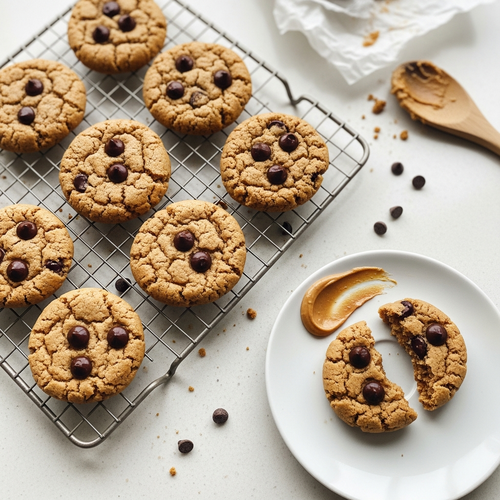
Description: A soft, chewy, and satisfying high-protein cookie designed to crush cravings and support fat loss goals. Perfect for a planned snack or a smarter dessert.
Prep Time: 10 minutes | Cook Time: 12 minutes
Servings: 18 cookies
Macros per Serving | Calories: 108 | Protein: 7g | Fat: 5g | Carbohydrates: 10g
Ingredients
- 1 cup oat flour
- 1/2 cup vanilla or unflavored whey protein powder
- 1/4 cup brown sugar substitute
- 1 teaspoon baking soda
- 1/2 teaspoon cinnamon
- 1/4 teaspoon salt
- 1 large egg
- 1/2 cup plain non-fat Greek yogurt
- 1/4 cup creamy natural peanut butter
- 1/4 cup mashed ripe banana
- 1 teaspoon vanilla extract
- 1/3 cup dark chocolate chips
Instructions
- Preheat oven to 350°F (175°C). Line a baking sheet with parchment paper.
- In a large bowl, whisk together oat flour, protein powder, sweetener, baking soda, cinnamon, and salt.
- In a separate bowl, whisk together the egg, Greek yogurt, peanut butter, banana, and vanilla until smooth.
- Pour wet ingredients into dry and stir with a spatula until just combined. Fold in chocolate chips.
- Drop rounded tablespoons of dough onto the baking sheet. Gently flatten the tops.
- Bake for 10-12 minutes, until edges are set.
- Let cool on the baking sheet for 5 minutes, then transfer to a wire rack to cool completely.
Notes
The dough will be thick and sticky; this is normal. Wet your fingers slightly to make flattening the cookies easier. Store in an airtight container for up to 4 days or freeze for up to 3 months.
FAQs About This Cookie Recipe For Weight Loss
Here are some straightforward answers to the most common questions I receive about this cookie recipe.
Can I make this protein cookie recipe without protein powder?
You can, but it’s important to understand that it will fundamentally change the recipe. The protein powder isn’t just a supplement here; it’s a key structural and nutritional ingredient. It provides a huge portion of the protein that makes this cookie so satisfying and macro-friendly. It also acts like a flour, absorbing moisture and giving the cookie its texture.
If you choose to omit it, you will need to replace its volume with another dry ingredient. The best option would be to add another 1/2 cup of oat flour. However, doing so will significantly alter the nutritional profile. The protein content per cookie will drop dramatically, and the carbohydrate count will increase. This means the cookie will be less satiating and won’t be as effective at managing hunger for fat loss. The final texture will also be different, likely softer and more cake-like. If your primary goal is a healthier cookie and you’re less concerned about hitting a high protein target, this swap can work. But if you want the hunger-crushing benefits, I strongly recommend sticking with the protein powder.
Why is my protein cookie dough so thick and sticky?
If your dough is thick and sticky, congratulations! You’ve done it correctly. This is exactly how the dough for this cookie recipe is supposed to be, and it’s a sign that the ingredients are working as intended. Traditional cookie dough relies on a high fat content, primarily from butter, to create a smooth, pliable texture. We’ve replaced that butter with non-fat Greek yogurt and a small amount of peanut butter.
The stickiness comes from the combination of Greek yogurt, mashed banana, and the high absorbency of both the oat flour and the whey protein powder. These ingredients soak up a lot of moisture, creating a dense, sticky dough rather than a buttery, crumbly one. This is also why the cookies don’t spread in the oven. The dough is too thick to melt outwards. Don’t be alarmed by the texture. To make it easier to handle, you can lightly wet your hands or the back of a spoon before you flatten the cookie dough balls on the baking sheet. This will prevent the dough from sticking to you.
Is this cookie recipe gluten-free?
Yes, this cookie recipe can easily be made completely gluten-free with one simple check. The main flour source is oat flour, and oats themselves are naturally gluten-free. The problem is that they are often grown and processed in facilities that also handle wheat, barley, and rye. This leads to cross-contamination, which can be a serious issue for individuals with celiac disease or a strong gluten sensitivity.
To ensure this recipe is 100% gluten-free, you must use oats or oat flour that is explicitly labeled “certified gluten-free.” This certification guarantees that the product has been sourced and processed in a way that avoids cross-contamination. All the other ingredients in the recipe—protein powder (most whey isolates are gluten-free, but always check the label), Greek yogurt, peanut butter, banana, eggs, and chocolate chips—are typically gluten-free, but it is always wise to double-check the labels, especially for the protein powder and chocolate chips, to be safe.
How does this cookie recipe help with ADHD cravings?
This cookie recipe is specifically engineered to combat the unique challenges of ADHD-driven cravings. Many of us with ADHD have brains that are seeking dopamine, a neurotransmitter associated with pleasure and reward. Sugary, high-fat, processed foods provide a very fast and intense dopamine spike. The problem is, it’s followed by a rapid crash, which sends our brains looking for another hit, creating a vicious cycle of craving and crashing.
This cookie works differently. First, the high protein content from whey and Greek yogurt provides a steady supply of amino acids, which are the building blocks for neurotransmitters like dopamine. This can help with baseline mood and focus. Second, the combination of protein, fiber from the oat flour, and healthy fats from peanut butter slows down digestion. This prevents the sharp blood sugar spike and subsequent crash you get from a regular cookie, leading to more stable energy levels and moods. Finally, by having a planned, delicious, and satisfying treat, you avoid the feeling of deprivation. Restriction often backfires for the ADHD brain, leading to an eventual binge. This cookie allows you to satisfy a craving in a controlled, beneficial way, keeping you out of that all-or-nothing mindset.
Can I use a different type of flour for this cookie recipe?
While oat flour is my top recommendation for its flavor, fiber content, and moisture-retaining properties, you can experiment with other flours. However, be prepared for changes in texture and be aware that you might need to adjust the amount of wet ingredients. Different flours absorb liquid very differently.
If you wanted to use whole wheat flour, you could likely substitute it 1:1, but the final cookie might be a bit denser and have a more robust, wheaty flavor. Almond flour is another popular low-carb option. It contains more fat and less starch, so it would create a much softer, more delicate cookie that might be more fragile. You would use it in a 1:1 ratio, but the dough might feel wetter. Coconut flour is extremely absorbent and cannot be substituted 1:1. If you wanted to use it, you would need to start with a much smaller amount (perhaps 1/3 cup to replace the 1 cup of oat flour) and likely add more liquid, like an extra egg or more yogurt. For the most reliable and consistent results that match the recipe’s intent, I highly recommend sticking with oat flour.
Try These High-Protein Recipes Next
If you loved this brutally practical cookie recipe, here are a few other high-protein treats from my site and around the web that you should try next.
- The Ultimate Healthy Chocolate Chip Cookies Recipe: Another fantastic take on the classic, this recipe is perfect for when you want a simple, satisfying, and macro-friendly cookie.
- The Best Healthy Sugar Cookie Recipe: A guilt-free version of the beloved sugar cookie, designed to fit your fitness goals without sacrificing flavor.
- Easy Homemade Crumbl Cookie Recipe: For when you want to tackle a more decadent, oversized cookie, this recipe from This Gal Cooks offers a great guide to making a gourmet-style treat at home.
Give them a try and keep building that arsenal of sustainable, delicious, and fat-loss friendly recipes.