
For years, I completely ignored bok choy. It was that weird, pale green vegetable in the corner of the produce section that I just walked past on my way to grab more broccoli or spinach. My meals were functional. Chicken, rice, broccoli. Repeat. It worked for fat loss, but man, did it get boring.
Then, during my 70-pound weight loss journey, I hit a wall. I was craving novelty, something different to break up the monotony. My ADHD brain was screaming for a new texture, a new flavor, anything to keep me engaged with my eating plan. I was scrolling through recipes and saw a stir-fry that used bok choy. On a whim, I bought some.
That first bite was a revelation. It was crunchy at the bottom, leafy and tender at the top, and it soaked up the garlic and ginger sauce like a sponge. It wasn’t bitter like some greens can be. It was mild, satisfying, and incredibly versatile. I was hooked.
This recipe is the result of that discovery. It’s a brutally practical, high-protein meal that I developed to keep myself on track. It’s perfect for those weeknights when you have zero energy but still want something that tastes amazing and moves you closer to your goals. It’s proof that you don’t need complicated meals to get fit. You just need simple systems that work for your brain, not against it.
This Garlic Bok Choy and Chicken recipe is a cornerstone of my flexible eating plan. It’s delicious, easy, and helps you stay consistent, which is the real secret to sustainable fat loss.
Skip to My Flexibe Diet Recipe!
Why Garlic Bok Choy Is Great For Fat Loss
When it comes to fat loss, we know that food is about 75 percent of the battle. This recipe is engineered to make that battle a whole lot easier. It’s built on the core principles that helped me lose the weight and keep it off: protein first, hunger management second, and convenience third.
Let’s start with protein. A full pound of boneless, skinless chicken breast provides a massive protein punch. Protein is the superstar macro for fat loss. It’s highly satiating, meaning it keeps you feeling full and satisfied for longer, which crushes cravings before they even start. It also has a higher thermic effect of food (TEF), so your body burns more calories just digesting it.
Next up is hunger management through volume. Bok choy is a low-calorie, high-volume vegetable. You get to eat a large, visually satisfying portion of food without racking up the calories. For those of us with ADHD who can struggle with portion control or mindless eating, having a big plate of food that’s packed with nutrients instead of calories is a psychological win. It feels abundant, not restrictive.
This meal helps you hit your macros without feeling like you’re on a diet. It’s packed with flavor from the garlic, ginger, and sesame oil, so you’re not eating another bland chicken and veggie dish. The goal of ADHD FIT is to find meals you genuinely look forward to eating. Consistency beats intensity every single time, and you can’t be consistent with food you hate.
Finally, it’s simple. With minimal ingredients and a quick cooking time, it’s a recipe you can actually make on a low-motivation Tuesday night. It avoids the complexity that can lead to decision fatigue and ordering takeout. This dish proves that effective fat loss meals can be both delicious and incredibly easy to execute.
Ingredients You’ll Need for Garlic Bok Choy
One of the best things about this recipe is its simplicity. There are no fancy, hard-to-find ingredients. Everything here is designed for ease and flavor, making it a perfect weeknight staple. Here’s exactly what you’ll need to pull it together.
- 1 lb boneless, skinless chicken breast, cut into bite-sized pieces
- 4 heads of baby bok choy, ends trimmed and halved lengthwise
- 1 tablespoon low-sodium soy sauce or tamari
- 1 tablespoon rice vinegar
- 1 teaspoon sesame oil
- 2 cloves garlic, minced
- 1 teaspoon fresh ginger, grated
- 1/4 teaspoon red pepper flakes (optional, for heat)
- 1 tablespoon water
- 1 teaspoon avocado oil or other high-heat oil
- Toasted sesame seeds for garnish (optional)
The star here is, of course, the baby bok choy. I prefer baby bok choy over the larger, standard version because it’s more tender and has a milder, sweeter flavor. Halving them lengthwise allows you to get a beautiful sear on the cut side, which adds a ton of flavor and texture.
For the chicken, using boneless, skinless breast keeps the protein high and the fat low. To make life even easier, you can often find pre-cut chicken breast strips or “tenders” at the store, which saves you a prep step. This is a great ADHD-friendly shortcut.
Let’s talk about the sauce. Using low-sodium soy sauce (or tamari for a gluten-free option) is a small but important choice. It gives you all the savory, umami flavor you want without the extra sodium that can cause bloating and water retention. For the garlic and ginger, fresh is always great, but I’m a huge fan of keeping tubes of minced garlic and grated ginger in the fridge. They last for weeks and eliminate the need for peeling and chopping, removing a huge barrier to starting a recipe on a low-energy day.
How To Make Garlic Bok Choy (Step-By-Step)
This recipe comes together in under 20 minutes, making it a perfect tool for your healthy eating arsenal. The key is to have everything ready to go before you start cooking. This concept, known as “mise en place,” is a lifesaver for the ADHD brain. It prevents that mid-recipe panic when you realize you forgot to chop the garlic.
Step 1: Prepare Your Sauce
In a small bowl, whisk together the low-sodium soy sauce, rice vinegar, sesame oil, minced garlic, grated ginger, and optional red pepper flakes. Just combine everything and set it aside. Doing this first means you won’t be fumbling with bottles and measuring spoons while the chicken is cooking. It’s a simple trick to stay calm and in control at the stove.
Step 2: Cook the Chicken
Make sure to pat your chicken pieces dry with a paper towel. This is a crucial step for getting a good sear. Wet chicken steams, it doesn’t brown. Season it lightly with salt and pepper. Heat your avocado oil in a large skillet or wok over medium-high heat until it shimmers. Add the chicken in a single layer and let it cook without moving it for a few minutes until a golden-brown crust forms. Then, stir and cook until it’s cooked through. Remove the chicken from the skillet and set it on a plate.
Step 3: Sear the Bok Choy
Add the halved baby bok choy to that same hot skillet, placing them cut side down. Don’t overcrowd the pan; work in batches if you need to. Let them sear for 1-2 minutes without moving them. You’re looking for some nice, caramelized brown spots. This step builds an incredible layer of flavor that you just don’t get from steaming alone.
Step 4: Bring It All Together
Flip the bok choy over and add the cooked chicken back into the skillet. Pour that delicious sauce you made earlier and one tablespoon of water over everything. The water will create steam. Immediately cover the skillet and let it steam for 2-4 minutes. You want the bok choy stems to be tender but still have a bit of a crisp bite. Overcooked, soggy bok choy is a tragedy we can easily avoid.
Step 5: Final Toss and Serve
Uncover the skillet and give everything a final toss to make sure the chicken and bok choy are beautifully coated in that glossy, savory sauce. Transfer it to a platter or your meal prep containers, and if you’re feeling fancy, sprinkle some toasted sesame seeds on top for extra crunch and flavor.
How To Serve Garlic Bok Choy (ADHD-Friendly)
How you serve this garlic bok choy and chicken can make all the difference in fitting it into your lifestyle. The goal is to create a satisfying meal that requires minimal extra effort, especially on busy days. Here are a few practical ways to plate this up that work with the ADHD brain.
The simplest way is to serve it as is. It’s a complete meal with protein and vegetables, perfectly balanced for fat loss. You can eat a big, satisfying bowl of it without needing to add anything else. This is my go-to for lunch because it’s fast, filling, and doesn’t lead to a post-meal energy crash.
For those times you want a more substantial meal, especially after a tough workout, adding a smart carbohydrate source is a great idea. Here are a few options:
- Jasmine or Basmati Rice: A small portion, around 1/2 cup cooked, pairs perfectly. ADHD Tip: Use a rice cooker! It’s a “set it and forget it” appliance. You can even buy frozen, microwaveable rice packets to eliminate cooking time altogether. This removes a whole step from the dinner process.
- Cauliflower Rice: For a low-carb, high-volume option, serve this over a bed of steamed cauliflower rice. It soaks up the sauce beautifully and adds another serving of vegetables. You can buy bags of it pre-riced in the produce or freezer section. No food processor mess.
- Quinoa: For a boost of fiber and complete protein, quinoa is an excellent choice. Like rice, you can cook a big batch at the beginning of the week to have on hand for quick meals.
My best ADHD tip for serving is to embrace the “meal template” concept. Your template is Protein + Veggie + Sauce + Optional Carb. This recipe is a perfect execution of that template. By thinking in templates instead of rigid recipes, you reduce decision fatigue. When you don’t know what to make, you just refer to your template, and you have a plan. This dish is a delicious, repeatable system for success.
How To Store, Reheat, and Reuse Garlic Bok Choy
One of the cornerstones of a sustainable fitness plan, especially with ADHD, is having healthy food ready to go. Cooking once and eating multiple times is a non-negotiable strategy. This garlic bok choy and chicken recipe holds up well as leftovers, making it perfect for meal prep.
Proper storage is key. Once the dish has cooled slightly, you need to get it into the fridge within two hours. I highly recommend portioning it out into individual, airtight containers right away. This is a game-changer. Instead of facing a large container and having to make another decision about portion sizes later, your future self just has to grab one container. It’s a simple act of kindness to the person you’ll be tomorrow when you’re rushed or tired.
Here’s how to handle storage and reheating for the best results:
- In the Refrigerator: Store the portioned-out meals in airtight containers for up to 4 days. The bok choy will soften a bit upon reheating, but the flavor will still be fantastic. The sauce might even taste better the next day as the flavors meld.
- Reheating in the Microwave: This is the quickest method. Place the meal in a microwave-safe dish and cover it loosely to prevent splatters. Reheat for 90 seconds to 2 minutes, stirring halfway through, until heated to your liking.
- Reheating on the Stovetop: For slightly better texture, you can reheat it in a skillet over medium heat. Add a splash of water or broth to create some steam and prevent it from drying out. Heat for 3-5 minutes, stirring occasionally.
Don’t be afraid to reuse the leftovers in new ways to keep things interesting. You could chop up the chicken and bok choy and mix it with scrambled eggs for a high-protein breakfast. Or, you could serve it cold over a bed of mixed greens for a quick and flavorful salad. The goal is to make healthy eating as frictionless as possible, and having versatile leftovers on hand is a huge part of that.
Easy Swaps & Variations for Garlic Bok Choy
A great recipe is one that’s flexible. Life is unpredictable, and your diet should be able to adapt. Maybe you don’t have chicken on hand, or you’re trying to eat less meat. Maybe you just want to use up what’s in your fridge. This recipe is a fantastic template that you can easily modify to fit your needs, taste, or dietary preferences.
Here are some simple swaps and variations that work beautifully without compromising the dish’s fat-loss-friendly nature. These are all about working with what you have and keeping things interesting, which is essential for long-term consistency.
Here are a few of my favorite ways to change it up:
- Protein Swaps: This recipe is amazing with other proteins. Try using shrimp, which cooks even faster than chicken. Firm or extra-firm tofu, pressed and cubed, is a fantastic vegetarian option. You can also use thinly sliced beef sirloin or pork tenderloin for a different flavor profile.
- Vegetable Variations: If you can’t find bok choy, don’t sweat it. Broccoli florets, sliced bell peppers, snap peas, or even chopped cabbage would be delicious substitutes. Adjust the cooking time as needed to ensure the vegetables are tender-crisp.
- Sauce Adjustments: To make this recipe soy-free, simply use coconut aminos instead of soy sauce. If you like it sweeter, a teaspoon of honey or maple syrup can be added to the sauce. For more heat, add a dash of sriracha or increase the red pepper flakes.
- Budget-Friendly Tip: Chicken thighs are often cheaper than chicken breasts and are very flavorful. Just be sure to trim any excess fat to keep the macros in line. Also, buying produce that’s in season is a great way to save money.
The core principle is to not let perfection be the enemy of good. If you’re missing one ingredient, see if you have a reasonable substitute before scrapping the meal and ordering pizza. A slightly modified healthy meal is always better than a perfect plan you don’t follow.
Garlic Bok Choy and Chicken Stir-Fry
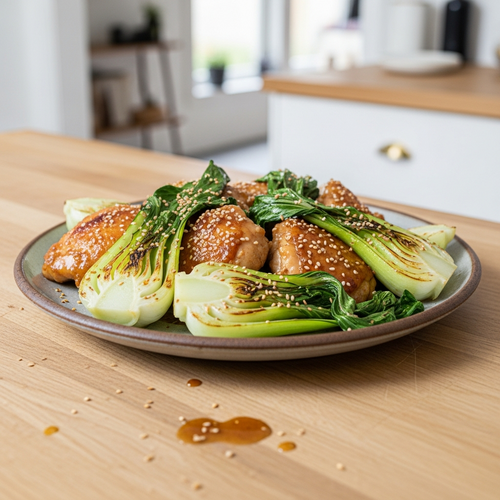
Description: A quick, high-protein stir-fry that’s perfect for a weeknight fat-loss meal. Tender chicken and crisp-tender bok choy are tossed in a savory garlic ginger sauce for a dish that’s incredibly flavorful and easy to make.
Prep Time: 10 minutes | Cook Time: 15 minutes
Servings: 4
Macros per Serving | Calories: 310 | Protein: 42g | Fat: 10g | Carbohydrates: 9g
Ingredients
- 1 lb boneless, skinless chicken breast, cut into bite-sized pieces
- 4 heads of baby bok choy, ends trimmed and halved lengthwise
- 1 tablespoon low-sodium soy sauce or tamari
- 1 tablespoon rice vinegar
- 1 teaspoon sesame oil
- 2 cloves garlic, minced
- 1 teaspoon fresh ginger, grated
- 1/4 teaspoon red pepper flakes (optional, for heat)
- 1 tablespoon water
- 1 teaspoon avocado oil or other high-heat oil
- Toasted sesame seeds for garnish (optional)
Instructions
- In a small bowl, whisk together the soy sauce, rice vinegar, sesame oil, garlic, ginger, and red pepper flakes. Set aside.
- Pat chicken pieces dry and season lightly with salt and pepper.
- Heat avocado oil in a large skillet over medium-high heat. Add chicken and cook until golden and cooked through, about 5-7 minutes. Remove chicken and set aside.
- Add halved bok choy to the skillet, cut side down. Sear for 1-2 minutes until lightly browned.
- Flip the bok choy, return the chicken to the skillet, and pour the sauce and water over top.
- Cover and steam for 2-4 minutes, until bok choy stems are tender-crisp.
- Uncover, toss everything to coat, and serve immediately, garnished with sesame seeds if desired.
Notes
For an ADHD-friendly shortcut, use pre-minced garlic and ginger from a tube or jar to save on prep time. Pre-cut chicken strips also work well. Leftovers can be stored in an airtight container in the refrigerator for up to 4 days.
FAQs About Garlic Bok Choy For Weight Loss
Here are some straightforward answers to the most common questions I receive about this garlic bok choy recipe.
Is bok choy actually good for weight loss?
Yes, bok choy is an excellent vegetable for weight loss. It’s what we call a high-volume, low-calorie food. This means you can eat a large, satisfying amount of it for very few calories. A whole cup of shredded bok choy has less than 10 calories. This helps fill up your stomach and signals to your brain that you’re full, which is a huge advantage when you’re in a calorie deficit.
Beyond being low in calories, bok choy is also packed with nutrients like vitamins A, C, and K, as well as folate and calcium. When you’re cutting calories, it’s critical to choose nutrient-dense foods to ensure your body is still getting the micronutrients it needs to function optimally. A healthy, well-nourished body responds much better to fat loss efforts. The fiber in bok choy also aids in digestion and helps promote a feeling of fullness, further helping to control your overall calorie intake without feeling deprived.
How do I keep my bok choy from getting soggy?
The key to avoiding soggy bok choy is all in the cooking technique and timing. The enemy of crisp vegetables is too much moisture and too much time on the heat. First, make sure your pan is hot before the bok choy goes in. A high heat helps sear the outside quickly, locking in texture before the vegetable has a chance to steam in its own moisture and turn limp.
Second, don’t overcrowd the pan. If you pile all the bok choy in at once, it will steam instead of sear. Cook in batches if necessary. The most important step in this recipe is searing the bok choy cut-side down for a minute or two. This develops flavor and a nice texture. After that, the steaming part with the lid on should be very brief, just 2-4 minutes. You want to pull it off the heat when the white stems are “tender-crisp,” meaning they are cooked through but still have a distinct bite. It’s always better to slightly undercook it, as it will continue to cook a little from the residual heat.
Can I make this bok choy recipe ahead of time for meal prep?
Absolutely. This recipe is fantastic for meal prep. In fact, planning and prepping meals ahead of time is one of the most effective strategies for anyone, but especially for those of us with ADHD. It removes the daily decision-making and willpower required to cook a healthy meal from scratch. When you have delicious, healthy food ready to go, you’re far less likely to resort to less healthy convenience options.
When you meal prep this dish, the bok choy will inevitably lose some of its crispness upon reheating, but it will still be delicious. The flavors of the garlic and ginger sauce actually deepen overnight. My biggest tip is to portion it into individual containers right after cooking. That way, you have perfectly portioned, grab-and-go meals waiting for you in the fridge. It’s a simple system that makes consistency feel almost effortless.
What other protein can I use besides chicken in this bok choy recipe?
This recipe is incredibly versatile when it comes to protein. Chicken breast is a lean, effective choice for fat loss, but variety is important for staying engaged with your diet. Shrimp is an excellent alternative; it cooks very quickly, so you would add it in for the last few minutes of cooking. A firm or extra-firm tofu, pressed to remove excess water and then cubed and pan-fried until golden, makes for a perfect vegetarian or vegan version.
You could also use lean cuts of beef like sirloin or flank steak, sliced thinly against the grain. Pork tenderloin, also sliced thin, is another great lean option. The cooking time will vary slightly depending on the protein, but the sauce and the bok choy method remain the same. Using different proteins is an easy way to make the same basic recipe feel like a brand new meal.
Is this garlic bok choy and chicken recipe keto-friendly?
This recipe is very close to being keto-friendly and can be made fully compliant with one tiny swap. The main components, chicken and bok choy, are perfectly low-carb. The sauce is where you need to pay attention. Soy sauce (or tamari) and rice vinegar are generally fine in small amounts on a keto diet, but you should check the labels for any added sugars.
The one ingredient to watch is the soy sauce. To make this recipe strictly keto, simply swap the soy sauce or tamari for coconut aminos. Coconut aminos have a similar savory, umami flavor but are typically lower in carbs and contain no soy or gluten. With that one substitution, the entire dish fits perfectly within a ketogenic lifestyle, providing high protein, healthy fats from the cooking oil, and very few net carbs. It’s a great way to get your veggies and flavor without kicking you out of ketosis.
Try These High-Protein Recipes Next
If you loved how simple and delicious this recipe was, I have a few others that follow the same principles. Here are some more high-protein, easy-to-make meals that will help you hit your goals.
- 20-Minute High-Protein Stir Fry: This is my go-to template for cleaning out the fridge. It’s endlessly customizable and another fantastic way to get in your protein and veggies without a lot of fuss.
- ADHD-Friendly Beef and Broccoli: A healthier, high-protein take on the takeout classic. It has all the flavor you crave and comes together faster than delivery.
- Easy Brown Butter Miso Bok Choy: For a different spin on bok choy, this recipe is incredible. It’s a great side dish that pairs well with any protein like grilled salmon or steak.
Remember, the key is to build a collection of simple, repeatable meals that you genuinely enjoy. That’s how you create lasting change.