
To be honest, I never thought I’d be writing about collard greens. For years, I associated them with heavy, greasy meals that left me feeling sluggish. It was the kind of food I actively avoided when I first started my fitness journey, the one that saw me drop 65 pounds before I even considered medication for my ADHD.
But something shifted. As I learned more about sustainable fat loss, I realized it wasn’t about cutting out entire food groups. It was about re-engineering them to fit my goals. It was about making food that tasted incredible, kept me full, and didn’t require a burst of focus I just didn’t have on most days.
I wanted soul food that was also good for the soul, and good for my body. So, I started experimenting. I swapped out the traditional fatty pork for lean, smoked turkey. I focused on building flavor with aromatics like onion and garlic, not just fat. The result was this recipe for collard greens. It’s savory, satisfying, and packed with the protein and fiber you need to stay on track.
This dish became a staple in my meal prep rotation. It proved that comfort food and fat loss could absolutely go hand in hand. It’s a perfect example of the ADHD FIT philosophy: working with your brain, not against it, to build a lifestyle that lasts.
Skip to My Flexibe Diet Recipe!
Why Collard Greens Are Great For Fat Loss
When we talk about fat loss, especially with an ADHD brain, the game is all about managing hunger and staying consistent. This recipe for collard greens is engineered to do exactly that. Food is easily 75 percent of your results, and meals like this are what make up that winning percentage. It’s not about restriction; it’s about smart construction.
First, we lead with protein. The smoked turkey breast is the star player here. Protein is the most satiating macronutrient, meaning it keeps you feeling fuller for longer. This is critical for preventing the mindless snacking that can happen when our executive functions are low. When you’re full and satisfied, you’re less likely to get derailed by cravings for high-sugar, high-fat foods.
Next, we tackle hunger management with a one-two punch of fiber. The collard greens themselves are a fantastic source of fiber, but we also add cannellini beans. Fiber slows down digestion, helps stabilize blood sugar levels, and adds a ton of volume to the meal for very few calories. This combination of high protein and high fiber sends a powerful signal to your brain that you are well-fed and content, which helps kill cravings before they even start.
Finally, this recipe is built for convenience and flexibility. You can make a huge batch on a Sunday and have a delicious, ready-to-go meal component for days. For the ADHD brain, reducing the number of daily decisions around food is a massive win. It prevents the “what’s for dinner” spiral and makes it incredibly easy to stick to your plan, even on days when motivation is nowhere to be found. This is how you achieve consistency, and consistency is what delivers results.
Ingredients You’ll Need for Collard Greens
Building a great meal starts with simple, powerful ingredients. We’re not looking for a dozen complicated items that will send you on a scavenger hunt through the grocery store. Everything here is straightforward and serves a purpose, from building flavor to maximizing your macros. This list is designed to be practical and effective.
The key ingredient that really elevates this recipe is the smoked turkey breast. Traditionally, collard greens are made with ham hocks or bacon, which adds a ton of saturated fat and calories. By using smoked turkey breast, we get that deep, smoky flavor we crave but with a massive dose of lean protein instead. This is a perfect example of a smart swap that makes a comfort food classic fit seamlessly into a fat loss plan. When you’re buying it, look for a good quality, low-sodium smoked turkey breast from the deli or pre-packaged section. The quality here really impacts the final flavor.
Here’s the full list of what you’ll need:
- 2 large bunches of collard greens (about 2 pounds), washed, stems removed, and leaves chopped
- 1 pound smoked turkey breast, skin removed and diced
- 1 tablespoon olive oil
- 1 large yellow onion, chopped
- 4 cloves garlic, minced
- 1/2 teaspoon red pepper flakes (or more to taste)
- 6 cups low-sodium chicken or vegetable broth
- 1 (15-ounce) can cannellini beans, rinsed and drained
- 2 tablespoons apple cider vinegar
- 1 teaspoon smoked paprika
- Freshly ground black pepper to taste
A quick note on the collard greens themselves. You can often find them pre-washed and chopped in bags. This is a fantastic ADHD-friendly shortcut. It removes a whole step from the process, making it that much easier to get started on a low-energy day. Don’t be afraid to use these convenient options. The goal is a finished meal, not a perfect process.
How To Make Collard Greens (Step-By-Step)
Cooking shouldn’t be a stressful, multi-tasking nightmare. We’re going to break this down into simple, sequential steps. The key is to do one thing at a time. I recommend using a large pot or a Dutch oven for this; the heavy bottom will help prevent scorching and cooks everything evenly. Put on some music or a podcast and let’s get started.
Step 1: Build Your Flavor Base
Heat your olive oil in the pot over medium heat. Once it’s shimmering slightly, add your chopped yellow onion. Let this cook for about 5 to 7 minutes. You’re not trying to brown it aggressively. The goal is to let it soften and become translucent, which releases its natural sweetness. This slow and steady start builds a deep flavor foundation for the entire dish.
Step 2: Wake Up the Aromatics
Now, add the minced garlic and red pepper flakes to the pot. Stir them into the onions and cook for just another minute. You’ll know it’s ready when you can really smell the garlic. This step is called “blooming” the spices, and it makes them much more fragrant and flavorful. Be careful not to let the garlic burn, as it can become bitter.
Step 3: Brown the Turkey
Stir in your diced smoked turkey breast. Let it cook for 2 or 3 minutes. Since the turkey is already cooked, we’re not trying to cook it through. We’re just browning it a little to add another layer of savory, Maillard reaction goodness to the pot. This little bit of browning makes a big difference in the final taste.
Step 4: Simmer the Broth and Greens
Pour in your low-sodium broth and use a wooden spoon to scrape up any tasty browned bits from the bottom of the pot. Bring this mixture to a lively simmer. Now, start adding your chopped collard greens. It will look like an impossible amount of greens, but don’t worry. Add them in big handfuls, stirring and allowing each batch to wilt down before adding the next. This process might take a few minutes.
Step 5: Let It Mellow
Once all the greens have wilted into the pot, give everything a final stir. Reduce the heat to low, put the lid on, and let it all simmer together. You’ll want to let this go for at least 45 minutes, but an hour is even better. This is where the magic happens. The greens become incredibly tender and soak up all the smoky, savory flavors from the broth and turkey.
Step 6: Finish with a Flourish
After the greens are tender, stir in the rinsed cannellini beans, the apple cider vinegar, and the smoked paprika. The vinegar is crucial; it cuts through the richness and brightens up all the flavors. Let this cook for another 10 minutes, uncovered, to allow the flavors to meld together. Finally, season with some freshly ground black pepper to your liking. You likely won’t need much salt, as the smoked turkey and broth provide plenty.
How To Serve Collard Greens (ADHD-Friendly)
One of the best things about this collard greens recipe is its versatility. It can be a side dish, a main course, or a component you add to other meals throughout the week. For those of us with ADHD, having flexible, pre-cooked food on hand is a superpower. It eliminates decision fatigue and makes sticking to a healthy eating plan almost effortless.
Think of this as a “base” you can build on. The fewer steps between you and a healthy meal, the more likely you are to eat it. My favorite way to serve these greens is as a complete meal in a bowl. A generous scoop of the greens and turkey, maybe with a side of my high-protein cornbread, is incredibly satisfying and hits all my macros perfectly.
Here are a few ADHD-friendly ways to incorporate these collard greens into your week:
- The Quick Lunch Bowl: Portion out the greens into single-serving containers. When you’re ready for lunch, just grab one, microwave it, and you have a hot, nutritious meal in two minutes. No thinking, no prep.
- Protein-Packed Power-Up: Add a scoop of these greens to your morning scrambled eggs or an omelet. The extra fiber and protein will keep you full and focused well into the afternoon, helping to manage medication-related appetite suppression later on.
- Smart Carb Pairing: Serve the collard greens over a small portion of brown rice or quinoa. The fiber from the greens and beans helps slow the digestion of the carbs, providing steady energy without a big blood sugar spike and crash.
The key is to make your healthy choice the easiest choice. By having these collard greens ready to go in the fridge, you’re setting your future self up for success. It’s a simple system that respects your energy levels and helps you stay consistent, which is the true secret to long-term fat loss.
How To Store, Reheat, and Reuse Collard Greens
Meal prep is a game-changer for anyone, but it’s especially crucial when you’re managing ADHD and a fat loss journey. This collard greens recipe is perfect for batch cooking. The flavors actually get even better after a day or two in the fridge as everything melds together. Proper storage ensures you have a delicious, convenient meal ready to go whenever hunger strikes.
Once the collard greens have cooled down slightly, you can store them in an airtight container in the refrigerator. They will easily last for up to five days. This means you can cook once on Sunday and have a key meal component ready for most of the work week. I like to portion them out into individual glass containers right away. That way, when it’s time to eat, I can just grab one container without having to scoop and measure. It’s one less step, one less barrier to eating well.
Here are the best ways to bring your leftovers back to life:
- Microwave Reheating: The simplest method. Place a serving in a microwave-safe bowl and cover it with a damp paper towel. This helps steam the greens and prevents them from drying out. Reheat for 90 seconds to 2 minutes, stirring halfway through, until heated to your liking.
- Stovetop Reheating: If you have an extra couple of minutes, reheating on the stovetop is fantastic. Add a serving of the greens to a small saucepan over medium-low heat. You can add a splash of water or broth to help create steam. Stir occasionally until warmed through, which usually takes about 5 minutes.
- Creative Reuse: Don’t be afraid to repurpose your leftovers. Mix them into a soup or stew for an extra boost of fiber and protein. You can also use them as a filling for a healthy wrap with some extra lean protein, or even chop them up finely and mix them into lean ground turkey to make flavorful burger patties.
Having a plan for your leftovers is part of a flexible system. It prevents food waste and ensures you’re always just a few minutes away from a meal that supports your goals. It’s about making consistency feel easy, not like a chore.
Easy Swaps & Variations for Collard Greens
A recipe is just a roadmap. The best recipes are the ones you can adapt to what you have on hand, what you can afford, and what your personal tastes are. The core principles of this dish are protein, fiber, and flavor. As long as you stick to those, you can make plenty of changes and still have an amazing, fat-loss-friendly meal. This flexibility is key for long-term success because it prevents boredom and accommodates real life.
Don’t have smoked turkey breast? No problem. The goal is a lean, smoky protein. You can achieve that with other ingredients. Feeling like you want a different texture or a vegetarian option? We can do that too. The point is to make the recipe work for you, not the other way around. Perfection is the enemy of progress, so let’s focus on practical solutions.
Here are some simple and effective swaps you can try:
- Protein Swaps: You can substitute the smoked turkey breast with smoked turkey legs or wings, which are often less expensive. Just be sure to remove the skin. Lean smoked sausage (like chicken or turkey sausage) also works well, just check the nutrition label for fat content. For a vegetarian version, add a teaspoon of liquid smoke and use extra firm tofu or a can of chickpeas for your protein source.
- Bean Variations: Cannellini beans are great, but any white bean will do. Try Great Northern beans or navy beans. You could even use kidney beans or black-eyed peas for a different flavor profile. The goal is the added fiber and plant-based protein.
- Greens and Veggies: If you can’t find collard greens, you can easily use mustard greens, turnip greens, or kale. Just be aware that kale will cook much faster, so you’ll need to reduce the simmering time. You can also bulk up the vegetable content by adding chopped carrots or celery along with the onions.
- Spice It Up or Down: The red pepper flakes are optional. If you don’t like heat, leave them out. If you love it, add more! You can also play with other spices. A pinch of cumin or a bay leaf added to the broth would be delicious additions.
Embrace these variations. Trying different combinations will keep the recipe feeling fresh and exciting, making it a sustainable part of your lifestyle. It’s all about creating a system that you can stick with for the long haul.
High-Protein Smoked Turkey Collard Greens
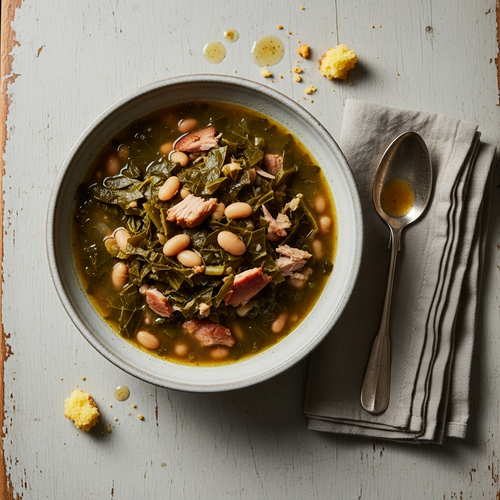
Description: A soulful and healthy take on classic Southern collard greens. This recipe swaps fatty pork for lean smoked turkey and adds cannellini beans for a high-protein, high-fiber dish that’s perfect for fat loss and easy meal prep. It’s comfort food designed to crush cravings and keep you full for hours.
Prep Time: 15 minutes | Cook Time: 75 minutes
Servings: 6
Macros per Serving | Calories: 255 | Protein: 30g | Fat: 6g | Carbohydrates: 21g
Ingredients
- 2 large bunches of collard greens (about 2 pounds), washed, stems removed, and leaves chopped
- 1 pound smoked turkey breast, skin removed and diced
- 1 tablespoon olive oil
- 1 large yellow onion, chopped
- 4 cloves garlic, minced
- 1/2 teaspoon red pepper flakes (or more to taste)
- 6 cups low-sodium chicken or vegetable broth
- 1 (15-ounce) can cannellini beans, rinsed and drained
- 2 tablespoons apple cider vinegar
- 1 teaspoon smoked paprika
- Freshly ground black pepper to taste
Instructions
- Heat olive oil in a large pot or Dutch oven over medium heat. Cook onion until soft (5-7 minutes).
- Stir in garlic and red pepper flakes and cook for 1 minute until fragrant.
- Add diced smoked turkey and cook for 2-3 minutes to brown lightly.
- Pour in broth, bring to a simmer, then add collard greens in batches, allowing them to wilt.
- Reduce heat to low, cover, and simmer for 45-60 minutes until greens are tender.
- Stir in cannellini beans, apple cider vinegar, and smoked paprika. Cook for 10 more minutes.
- Season with black pepper to taste and serve hot.
Notes
To save time, use pre-washed and chopped collard greens from the produce section. The dish tastes even better the next day, making it ideal for meal prep.
FAQs About Collard Greens For Weight Loss
Here are some straightforward answers to the most common questions I receive about this collard greens recipe.
Are collard greens actually good for losing weight?
Yes, absolutely. Collard greens themselves are a nutritional powerhouse for anyone focused on weight loss. They are incredibly low in calories but extremely high in volume and nutrients. A huge plate of cooked collards contains very few calories, which helps you feel physically full without over-consuming energy. This is a concept known as volume eating, and it’s a fantastic strategy for managing hunger.
Beyond being low-calorie, collard greens are packed with dietary fiber. Fiber is critical for fat loss because it slows down digestion. This keeps you feeling satisfied for a longer period after your meal and helps to stabilize your blood sugar levels. When your blood sugar is stable, you’re far less likely to experience the energy crashes that lead to intense cravings for sugary or high-carb snacks. They are also rich in vitamins like A, C, and K, and minerals like calcium, which support your overall health while you’re in a calorie deficit.
Can I make these collard greens without meat for a vegetarian option?
Of course. You can easily adapt this recipe to be vegetarian or vegan while still keeping it high in protein and flavor. The key is to replace the smoky flavor and the protein from the turkey with plant-based alternatives. To replicate that savory, smoky essence, add 1-2 teaspoons of liquid smoke to the broth. You can also use smoked paprika more generously and consider adding a tablespoon of soy sauce or tamari for a deeper umami flavor.
For the protein component, there are several great options. You can double the amount of cannellini beans in the recipe. Another excellent choice is to add a block of extra-firm smoked tofu, cubed and pan-fried separately before being stirred in at the end. Lentils or chickpeas would also work wonderfully. Just be sure to use vegetable broth instead of chicken broth to make the dish fully vegetarian. The core principles of high protein and high fiber remain the same, ensuring the meal is just as satisfying and effective for your fat loss goals.
Why do my collard greens come out bitter?
Bitterness in collard greens can come from a couple of sources, but it’s usually easy to fix. The primary reason is that the greens simply haven’t been cooked long enough. Collards are a tough, fibrous green, and they need a long, slow simmer to break down those fibers and mellow out their naturally sharp flavor. If you taste them and they’re still bitter, the most likely solution is to just let them simmer for another 15-30 minutes.
Another key element in balancing the flavor is the addition of acid and a little sweetness. In this recipe, the apple cider vinegar provides the acid. This brightness cuts through any remaining bitterness and lifts all the other flavors. The natural sweetness of the slowly cooked onions also helps to counteract bitterness. Make sure you don’t skip the step of letting the onions soften properly at the beginning. If after cooking and adding vinegar they still taste a bit sharp, a tiny pinch of a sugar substitute like stevia or monk fruit can be added, but usually, the long cook time and vinegar are all you need.
What is the healthiest way to cook collard greens?
The healthiest way to cook collard greens is to focus on maximizing flavor and nutrients while minimizing added fats and sodium. This recipe is designed around that exact principle. We start by braising them in a low-sodium broth instead of boiling them in plain water, which helps the greens retain more of their water-soluble vitamins. Boiling can cause many of those valuable nutrients to be leached out and discarded with the water.
Instead of using high-fat pork like bacon or ham hocks for flavor, we use lean smoked turkey breast. This provides that delicious smoky taste with a fraction of the saturated fat and a huge boost of lean protein. Building flavor with aromatics like garlic and onions, along with spices like smoked paprika and red pepper flakes, also adds incredible taste without adding calories. Finishing with apple cider vinegar not only balances the flavor but adds a healthy, bright component. This method gives you tender, flavorful greens that are packed with protein and fiber, making them an ideal food for a healthy, sustainable lifestyle.
Can I make these collard greens in a slow cooker or Instant Pot?
Yes, this recipe is very adaptable for both a slow cooker and an Instant Pot, which can be fantastic ADHD-friendly tools. For a slow cooker, you’ll still want to do the initial steps of cooking the onion, garlic, and turkey on the stovetop to build that flavor base. After that, transfer everything to your slow cooker, add the broth and greens, and cook on low for 6-8 hours or on high for 3-4 hours. Stir in the beans and vinegar during the last 30 minutes of cooking.
For the Instant Pot, use the “Sauté” function to cook the onion, garlic, and turkey directly in the pot. Then, turn off the sauté function, add the broth, and scrape the bottom. Add the collard greens (they’ll be packed in tight). Secure the lid, set the valve to sealing, and cook on high pressure for 15 minutes. Let the pressure release naturally for 10 minutes before doing a quick release. Stir in the beans and vinegar, and let it sit on the “Keep Warm” setting for a few minutes for the flavors to meld. Both methods are great for a “set it and forget it” approach that frees up your attention for other things.
Try These High-Protein Recipes Next
If you loved the simple, satisfying, and fat-loss-friendly approach of these collard greens, here are a few other recipes you should try next.
- ADHD-Friendly High-Protein Cornbread: The perfect pairing for these collard greens. It’s made with Greek yogurt and protein powder for a macro-friendly version of the classic.
- Healthy “Fried” Chicken (Air Fryer): Get that crispy, satisfying crunch you crave without the deep frying. This recipe is perfect for a complete, soulful meal.
- The Best Southern Collard Greens: For days when you want to try a more traditional take, this recipe offers a different perspective and flavor profile that’s also delicious.
Each of these recipes follows the same philosophy: delicious food that supports your goals and works with your brain, not against it.