
If you told me ten years ago that I’d be eating garlic bread regularly while staying lean, I would have laughed. Back then, food was either “good” or “bad.” Garlic bread, with its buttery, carb-heavy goodness, was definitely in the “bad” camp. It was the first thing I would cut out whenever I started a new diet.
It was the ultimate comfort food. Growing up, pasta night meant a warm, fragrant loaf of garlic bread on the table, and it was a battle to see who could get the last piece. When I started my fitness journey and lost the first 65 pounds, I did it by white-knuckling my way through cravings. I avoided foods like this completely.
But that approach isn’t sustainable. Especially not for an ADHD brain that thrives on rewards and gets bored with restriction. The all-or-nothing mindset always leads to a spiral. I’d be “perfect” for weeks, then binge on all the things I missed, feel guilty, and start over.
This high-protein garlic bread recipe is the answer to that problem. It’s a product of my core belief: flexible eating is the only way to win long-term. We need to build a lifestyle that includes our favorite foods, not one that constantly fights against them. This recipe is proof that you can hit your protein goals, manage your calories, and still enjoy the comforting, delicious foods you love. It’s designed for real life.
Skip to My Flexibe Diet Recipe!
Why Garlic Bread Is Great For Fat Loss
Let’s be direct. Traditional garlic bread is not a fat-loss food. It’s typically made with refined white flour and loaded with butter, which makes it high in calories and low in nutrients that keep you full. It’s delicious, but it often spikes your blood sugar and leaves you wanting more just a short time later.
This recipe turns that entire concept on its head. We are fundamentally changing the nutritional profile to support your fitness goals, not sabotage them. The key is prioritizing protein. Food is about 75 percent of your results, and getting enough protein is the foundation of managing hunger and preserving muscle while you lose fat.
Our version uses a combination of unflavored protein powder and non-fat Greek yogurt in the dough itself. This dramatically increases the protein content of each slice. Protein is the most satiating macronutrient. That means it keeps you feeling fuller for longer, which is a massive advantage when you’re in a calorie deficit. For the ADHD brain, stable hunger levels mean fewer impulsive food choices and less dopamine-seeking through snacking.
We also swap the butter-heavy spread for a base of Greek yogurt, fresh garlic, and herbs. This simple change cuts down significantly on fat and calories without sacrificing that creamy, savory flavor we all crave. You get all the satisfaction of classic garlic bread with a macro profile that actually works for you. It’s a perfect example of working with your brain, not against it. You’re not depriving yourself. You’re just eating a smarter version of a food you love.
Ingredients You’ll Need for Garlic Bread
The magic of this recipe is in the ingredient swaps. We’re taking a classic comfort food and re-engineering it to be a high-protein powerhouse. Everything here is chosen specifically to maximize flavor while fitting into a fat-loss-focused lifestyle. Simplicity and accessibility are key.
The most important ingredient here is the unflavored protein powder. This is what transforms the bread from a simple carb into a balanced, satisfying part of your meal. I prefer a whey or casein blend, as it gives the bread a nice texture. Make sure it’s truly unflavored. Even a hint of vanilla will make your garlic bread taste strange. Stick to the basics.
The second star of the show is plain, non-fat Greek yogurt. We use it twice. It goes into the bread dough to provide moisture and extra protein, replacing oil or butter. Then, it serves as the base for our low-calorie garlic spread. It delivers a creamy texture and a slight tang that complements the garlic perfectly.
For the High-Protein Bread:
- 1 ½ cups whole wheat flour
- 1 cup unflavored whey or casein protein powder
- 1 cup plain, non-fat Greek yogurt
- ½ cup liquid egg whites
- 1 teaspoon baking powder
- ½ teaspoon salt
For the Low-Calorie Garlic Spread:
- ½ cup plain, non-fat Greek yogurt
- 4-6 cloves garlic, minced
- 2 tablespoons fresh parsley, finely chopped
- 1 tablespoon nutritional yeast
- 1 tablespoon olive oil
- ½ teaspoon onion powder
- ¼ teaspoon black pepper
- A pinch of salt
Optional Topping:
- ¼ cup grated Parmesan cheese
A quick note on the other ingredients. Whole wheat flour provides more fiber than white flour, helping with fullness. Liquid egg whites are a pure protein source that helps bind the dough. For the spread, fresh garlic and fresh parsley will always give you the best flavor. Don’t be afraid to use a lot of garlic. The nutritional yeast adds a cheesy, savory depth without the extra fat and calories of real cheese, though a little Parmesan on top is a great finishing touch.
How To Make Garlic Bread (Step-By-Step)
Making bread from scratch can feel intimidating, especially on a low-motivation day. But this recipe is designed to be straightforward. We’re not dealing with yeast or long proofing times. It’s a simple mix, knead, and bake process. Brutally practical is the goal.
1. Preheat your oven to 375°F (190°C).
This is a classic ADHD trap. We get all the ingredients out, start mixing, and then realize the oven is cold. Do this first. It’s a small step that prevents a 15-minute delay and potential frustration spiral later. Line your baking sheet with parchment paper now too, so it’s ready to go.
2. Mix the dry ingredients.
In a large bowl, whisk together the whole wheat flour, protein powder, baking powder, and salt. Whisking is important because it distributes the baking powder evenly, which helps the bread rise. If you just dump and stir, you can get dense spots.
3. Add the wet ingredients to form a dough.
Add the Greek yogurt and egg whites to your dry mix. Use a spatula or wooden spoon to combine everything until a shaggy dough forms. It will look a bit messy and sticky at first. That’s normal. Don’t worry about making it perfect in the bowl.
4. Knead the dough.
Turn the dough out onto a lightly floured surface. Knead it for 3-5 minutes. Set a timer. Kneading develops the gluten and makes the texture better. If your brain is buzzing, this is a great physical task to focus on. Push, fold, turn, repeat. The dough should become smooth and elastic.
5. Shape and bake the loaf.
Shape the dough into your desired loaf shape, maybe a rustic round or a longer baguette style. Place it on your prepared baking sheet and pop it in the preheated oven. Bake for 20-25 minutes. It should be lightly golden and sound hollow when you tap the bottom.
6. Prepare the garlic spread.
While the bread bakes, you can multitask. In a small bowl, combine all the ingredients for the garlic spread. The non-fat Greek yogurt, minced garlic, parsley, nutritional yeast, olive oil, and seasonings. Stir it all together. Taste it and adjust the salt or garlic if you want.
7. Slice and spread the bread.
Once the bread is done, let it cool for just a few minutes so you can handle it. Using a serrated bread knife, slice the loaf into thick pieces, but don’t cut all the way through the bottom. You want it to hold together like an accordion. Spread a good amount of the garlic mixture between each slice.
8. Finish with a final bake.
If you’re using the optional Parmesan, sprinkle it over the top now. Return the bread to the oven for another 5-7 minutes. You’re just looking to heat the spread through and melt the cheese. It will come out smelling incredible. Serve it warm.
How To Serve Garlic Bread (ADHD-Friendly)
How you serve this high-protein garlic bread can make a big difference in sticking to your plan. The goal is to make healthy eating feel like a reward, not a punishment. This bread is the perfect companion to a balanced meal, helping you stay full and satisfied while hitting your macros.
My favorite way to incorporate it is alongside a big, protein-packed main dish. Think of it as a tool to complete your meal and crush any lingering cravings for heavy carbs. It pairs perfectly with a lean protein source and a pile of vegetables. This creates a meal that is balanced in protein, fiber, and complex carbs, promoting stable energy levels instead of a crash.
Here are a few ADHD-friendly ways to build a meal around it:
- With a Simple Salad. The night before, throw some grilled chicken, mixed greens, and your favorite low-calorie dressing into a container. When you get home from work, all you have to do is grab a slice or two of this bread (which you made ahead of time) and heat it up. Minimal effort, maximum satisfaction.
- Alongside High-Protein Pasta. Use chickpea or lentil pasta to boost the protein and fiber even more. Pair it with a simple tomato sauce and some lean ground turkey or chicken. This bread is perfect for soaking up that last bit of sauce. It makes a classic comfort meal fit your macros.
- As a Side for Soup. A hearty vegetable or lentil soup is great, but sometimes it doesn’t feel like a full meal. Adding a slice of this garlic bread makes it much more filling and enjoyable, especially on a cold day.
The key ADHD hack is to reduce friction. Bake an entire loaf during your weekend meal prep. Once it’s cool, slice it completely and store it in the fridge or freezer. That way, when you’re tired and hungry during the week, you don’t have to think. You can just grab a slice, toast it, and add it to whatever simple meal you’re having. This prevents the decision fatigue that can lead to ordering takeout.
How To Store, Reheat, and Reuse Garlic Bread
One of the best things about this recipe is that it’s perfect for meal prep. We know with ADHD, having easy, ready-to-go options is critical for staying on track. If healthy food isn’t convenient, we’re much more likely to grab whatever is fastest. Properly storing and reheating this garlic bread ensures you have a delicious, goal-friendly option available with minimal effort.
Once the bread has cooled completely, the storage method depends on how soon you plan to eat it. Storing it while it’s still warm will create condensation and make it soggy. Patience is key here. Give it at least an hour on a wire rack to cool down.
Here’s how to handle storage and reheating for maximum convenience:
- Refrigerator Storage: If you plan to eat the garlic bread within 3-4 days, the fridge is your best bet. Store it in an airtight container or a zip-top bag. Slicing the entire loaf before storing makes it much easier to grab a piece or two at a time without having to get out a cutting board again.
- Freezer Storage: For longer-term storage, the freezer is a game-changer. I recommend slicing the bread first, then wrapping each slice individually in plastic wrap. Place the wrapped slices into a larger freezer-safe bag. This way, you can pull out a single serving whenever you need it, which helps with portion control and prevents the “I have to eat it all now” mindset. It will last for up to 3 months.
- Reheating: The best way to bring this bread back to life is in an oven or toaster oven. Reheating at 350°F (175°C) for 5-10 minutes will make it warm and slightly crispy again. If you’re in a rush, a microwave will work, but it will be softer. For frozen slices, you can reheat them directly from the freezer; just add a few extra minutes to the baking time.
Don’t be afraid to reuse leftovers in creative ways. Chop a stale slice into cubes, toss with a tiny bit of olive oil and seasoning, and bake until crispy to make high-protein croutons for your salad. You can also use it as the base for a quick pizza toast by adding a little tomato sauce, cheese, and your favorite toppings before baking. Thinking of it as an ingredient, not just a side, opens up more possibilities.
Easy Swaps & Variations for Garlic Bread
Flexibility is the cornerstone of any sustainable eating plan. The ADHD brain craves novelty, and being able to tweak recipes based on what you have on hand or what you’re in the mood for can keep things from getting boring. This high-protein garlic bread recipe is a great template for experimentation. Don’t be afraid to make it your own.
These swaps are designed to be simple, so you don’t have to rework the entire recipe. They can help you accommodate dietary needs, use up ingredients you already have, or just add a different flavor profile to your meal rotation. Remember, perfection isn’t the goal. A good, consistent meal you actually eat is always better than a “perfect” one you never make.
Here are some easy and practical variations:
- Flour Alternatives: If you don’t have whole wheat flour, you can use all-purpose flour, but you will lose a bit of the fiber content. For a gluten-free version, a 1-to-1 gluten-free baking blend that contains xanthan gum should work well as a direct substitute for the whole wheat flour.
- Protein Powder Options: While I recommend an unflavored whey or casein blend, you could experiment with an unflavored plant-based protein powder, like a soy or pea protein isolate. Be aware that this might change the texture and moisture level, so you may need to adjust the amount of Greek yogurt slightly.
- Herb and Spice Variations: The garlic spread is a blank canvas. Don’t have fresh parsley? Dried parsley works in a pinch (use about one-third the amount). You could also add other herbs like fresh rosemary, thyme, or a pinch of red pepper flakes for some heat. Mixing in some everything bagel seasoning is another fantastic option.
- Make it Cheesy: Besides Parmesan, you can mix in a small amount of low-fat shredded mozzarella or cheddar directly into the garlic spread before slathering it on the bread. This will increase the calories slightly but also boosts the satisfaction factor.
These small changes can make you feel like you’re eating something new without having to find a different recipe. This helps fight boredom and keeps you engaged with your cooking, which is a huge win when you’re trying to build lasting habits. The key is to keep the core high-protein elements, the protein powder and Greek yogurt, in place.
High-Protein Garlic Bread
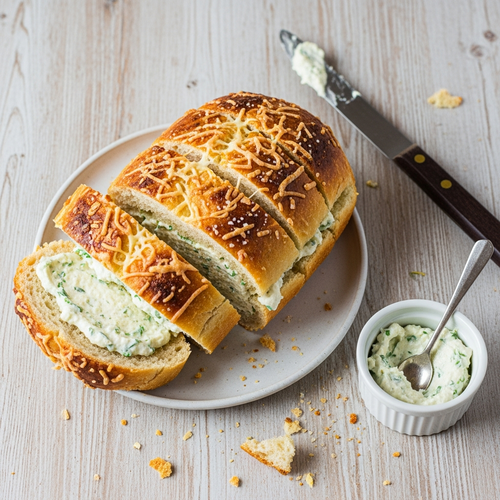
Description: A guilt-free, high-protein garlic bread recipe designed for fat loss and a sustainable lifestyle. It’s packed with protein to crush cravings and keep you full, using simple swaps like Greek yogurt and protein powder to transform a classic comfort food into a fitness-friendly staple.
Prep Time: 10 minutes | Cook Time: 30 minutes
Servings: 8 slices
Macros per Serving | Calories: 195 | Protein: 18g | Fat: 4g | Carbohydrates: 22g
Ingredients
- For the Bread:
- 1 ½ cups whole wheat flour
- 1 cup unflavored whey or casein protein powder
- 1 cup plain, non-fat Greek yogurt
- ½ cup liquid egg whites
- 1 teaspoon baking powder
- ½ teaspoon salt
- For the Spread:
- ½ cup plain, non-fat Greek yogurt
- 4-6 cloves garlic, minced
- 2 tablespoons fresh parsley, finely chopped
- 1 tablespoon nutritional yeast
- 1 tablespoon olive oil
- ½ teaspoon onion powder
- ¼ teaspoon black pepper
- A pinch of salt
- Optional: ¼ cup grated Parmesan cheese
Instructions
- Preheat oven to 375°F (190°C) and line a baking sheet with parchment paper.
- In a large bowl, whisk together flour, protein powder, baking powder, and salt.
- Add Greek yogurt and egg whites, mixing until a dough forms.
- Knead on a lightly floured surface for 3-5 minutes until smooth.
- Shape dough into a loaf, place on the baking sheet, and bake for 20-25 minutes.
- While bread bakes, mix all ingredients for the garlic spread in a small bowl.
- Let the baked bread cool slightly, then slice it without cutting all the way through.
- Spread the garlic mixture between the slices. Top with Parmesan if using.
- Bake for another 5-7 minutes until the spread is hot and cheese is melted. Serve warm.
Notes
Make sure your protein powder is completely unflavored to avoid a sweet taste. The dough will be slightly sticky, which is normal. Don’t add too much extra flour when kneading.
FAQs About Garlic Bread For Weight Loss
Here are some straightforward answers to the most common questions I receive about this garlic bread recipe.
Is this high-protein garlic bread actually good for weight loss?
Yes, it absolutely can be. The term “good for weight loss” really comes down to how a food fits into your overall calorie and macronutrient goals. This recipe is specifically designed to be an ally in your fat loss journey, not an obstacle. Traditional garlic bread is very calorie-dense and low in protein, making it easy to overeat without feeling full.
Our version flips the script. By adding a significant amount of protein from whey powder, Greek yogurt, and egg whites, each slice becomes much more satiating. Protein helps manage hunger, which is one of the biggest challenges when you are in a calorie deficit. When you feel full and satisfied, you are far less likely to overeat later or reach for unplanned snacks. We also reduce the fat content by using a yogurt-based spread instead of butter, which lowers the overall calorie count per slice. So yes, this garlic bread is a strategic tool that allows you to enjoy a favorite food while still easily hitting your protein targets and staying within your calorie budget.
What is the best protein powder to use for this garlic bread recipe?
The most important factor is that the protein powder must be unflavored. I can’t stress this enough. Even a “plain” or “natural” vanilla flavor will come through and create a very strange, sweet-tasting garlic bread. Look for a product that is explicitly labeled “unflavored” or “unflavored and unsweetened.”
In terms of type, a whey or casein blend often works best for baking, as it provides a good structure and texture. A 100% whey isolate will also work well. Casein protein tends to absorb more liquid, so if you use a pure casein powder, you might find the dough a bit drier and may need to add an extra tablespoon or two of Greek yogurt to get the right consistency. A plant-based unflavored protein can also work, but since these vary wildly in their properties, it may require some experimentation on your part.
Can I make this protein garlic bread ahead of time?
Definitely. This recipe is perfect for meal prep, which is a lifesaver for anyone, but especially for those of us with ADHD. Having healthy, appealing food ready to go makes it so much easier to stay on track when you’re tired or low on executive function. You have a couple of options for making it ahead.
You can bake the entire loaf, let it cool completely, slice it, and then store it in an airtight container in the refrigerator for up to four days. When you’re ready to eat, just toast a slice. For longer-term storage, the freezer is your best friend. I recommend slicing the bread and wrapping each piece individually before placing them in a freezer bag. That way, you can pull out a single slice and reheat it in the toaster oven or air fryer straight from frozen. This method is fantastic for portion control and ensures you always have a smart option on hand.
How can I make this garlic bread recipe gluten-free?
Making this recipe gluten-free is quite simple. The key is to substitute the whole wheat flour with a good quality, all-purpose gluten-free baking flour. Look for a blend that contains xanthan gum, as this is crucial for providing the structure and elasticity that gluten normally provides in bread dough. Brands like Bob’s Red Mill 1-to-1 Baking Flour or King Arthur’s Measure for Measure Flour are excellent choices.
You can swap the flour in a 1:1 ratio, so you would use 1 ½ cups of the gluten-free blend. The other ingredients, like the protein powder (ensure it’s certified gluten-free), Greek yogurt, and egg whites, are naturally gluten-free. The rest of the instructions remain exactly the same. The texture might be slightly different from the whole wheat version, which is normal for gluten-free baking, but it will still be delicious and high in protein.
Why does this garlic bread recipe use Greek yogurt instead of butter?
We use Greek yogurt in this recipe for two main reasons, and it’s one of the key swaps that makes this garlic bread so effective for fat loss. First, it’s a nutritional powerhouse. Non-fat Greek yogurt is very high in protein and low in calories and fat compared to butter. We use it in the dough to add moisture and a protein boost without adding fat. We also use it as the base for the garlic spread, replacing the large amount of butter used in traditional recipes. This single swap dramatically cuts the overall calorie and fat content of the final product.
Second, it provides an incredible texture. In the dough, it keeps the bread from becoming dry, which can sometimes happen in high-protein baking. In the spread, it gives a creamy, tangy quality that is absolutely delicious and feels just as indulgent as a butter-based spread. It’s a perfect example of our philosophy: making smart substitutions that enhance the nutritional profile without sacrificing the flavor or satisfaction you expect from a comfort food.
Try These High-Protein Recipes Next
If you enjoyed this practical approach to fitting your favorite foods into your fitness goals, you’ll love these other high-protein recipes.
- High-Protein Focaccia Bread: A fluffy, savory focaccia that’s packed with protein and perfect for sandwiches or as a side dish.
- Easy High-Protein Bruschetta: A fresh and flavorful appetizer or light meal that uses a clever high-protein base instead of traditional bread.
- Roasted Garlic Hummus Toast: While not my recipe, this is a fantastic idea for a quick, savory, and protein-rich snack that aligns perfectly with our flexible eating style.
Building a library of simple, repeatable, and delicious meals is the key to long-term consistency.