
I have a long and complicated history with dessert. For years, I saw it as the enemy. A single slice of cake or a scoop of ice cream felt like a failure, a one-way ticket to blowing my diet and spiraling into a week of bad choices. That all-or-nothing thinking is a classic ADHD trap, and it kept me stuck for a long time.
One of the things I missed most was the bright, tangy punch of lemon desserts. Traditional lemon curd, with its heaps of sugar and butter, was definitely on my “forbidden” list. But as I started to understand fat loss better, I realized the problem wasn’t the dessert itself. The problem was my approach.
I needed a system that worked with my brain, not against it. A system that allowed for treats but didn’t derail my progress. That’s what led me to create this high-protein lemon curd. It was born out of a desire to have that luscious, sweet-tart flavor I loved, but in a way that actually supported my goals.
This recipe is the result of a lot of trial and error in my own kitchen. It delivers all the flavor of the classic but is packed with protein to keep you full and satisfied. It’s a perfect example of our core principle at ADHD FIT: you don’t have to give up the foods you love to build a body you’re proud of. You just need a more flexible plan.
It’s brutally practical, easy to make on a low-motivation day, and absolutely delicious.
Skip to My Flexibe Diet Recipe!
Why Lemon Curd Is Great For Fat Loss
When you hear “lemon curd,” you probably think of a rich, sugary, butter-laden dessert. That’s not what we’re doing here. This recipe is engineered specifically for a fat loss lifestyle, especially one that has to coexist with an ADHD brain.
The number one rule for sustainable fat loss is managing hunger. If you’re constantly hungry and fighting cravings, you’re going to burn through your willpower and executive function in no time. That’s where protein comes in. It is the single most important macro for satiety, which is the feeling of fullness and satisfaction after a meal.
This lemon curd is built on a foundation of protein. We swap out the traditional butter and sugar for non-fat Greek yogurt, low-fat cottage cheese, and whole eggs. This trio provides a serious protein punch that helps stabilize blood sugar and crush cravings. Instead of a sugar spike and crash, you get steady energy and a feeling of fullness that lasts.
For those of us with ADHD, this is a game-changer. Impulsive snacking often happens when our dopamine levels are low and our blood sugar is crashing. A high-protein treat like this gives you that hit of delicious flavor without the negative biological cascade. It’s a tool for managing your internal state, not just a dessert.
By making smart swaps, we dramatically lower the calories and fat while boosting the protein. This means you can fit a satisfying portion into your daily macros without any guilt. It’s a perfect example of flexible eating. You get the comfort and enjoyment of a dessert, but it’s actively working with your fat loss goals, not against them.
Ingredients You’ll Need for Lemon Curd
The beauty of this recipe is its simplicity. We’re using a handful of hardworking ingredients to create something that tastes incredibly indulgent. Each one is chosen to maximize flavor and nutrition while keeping the steps easy to follow.
Here’s the full lineup of what you’ll need:
-
1/2 cup fresh lemon juice (from about 2-3 lemons)
-
1 tablespoon lemon zest
-
1/2 cup non-fat plain Greek yogurt
-
1/4 cup low-fat cottage cheese
-
2 large eggs
-
1/4 cup zero-calorie sweetener (e.g., erythritol or a stevia blend)
-
1 tablespoon cornstarch
-
Pinch of salt
The secret weapon here is the combination of Greek yogurt and cottage cheese. This is our replacement for the traditional butter and cream. Blending them together creates an incredibly smooth and creamy base that’s packed with protein. The cottage cheese might sound weird, but trust me, once it’s blended, you won’t taste it at all. It just adds richness and a huge protein boost.
A quick note on the lemons. Please use fresh lemons. The bottled juice just doesn’t have the same bright, vibrant flavor. Zesting the lemon before you juice it is key, as most of the aromatic lemon oil is in the peel. It makes a world of difference in the final taste.
For the sweetener, I use a granulated erythritol or monk fruit blend. These measure cup-for-cup like sugar but have zero calories. You can use whatever zero-calorie sweetener you prefer, but be sure to check the conversion if it’s a different type, like pure stevia.
How To Make Lemon Curd (Step-By-Step)
One of my biggest rules for ADHD-friendly recipes is minimizing steps and potential points of failure. This process is designed to be as straightforward as possible. We use a blender to do most of the heavy lifting, ensuring a perfectly smooth curd without endless whisking.
Step 1: Blend The Creamy Base
First things first, grab your blender. This is a non-negotiable for getting that silky-smooth texture, especially with the cottage cheese. Combine the fresh lemon juice, lemon zest, Greek yogurt, and cottage cheese in the blender. Put the lid on tight and blend on high for a good 30-60 seconds. You want the mixture to be completely uniform, with zero lumps or graininess from the cottage cheese. Scrape down the sides if you need to and give it one last blitz.
Step 2: Combine Everything In A Saucepan
Pour the beautifully smooth lemon mixture from the blender into a small saucepan. Now, add the remaining ingredients directly into the pan: the two large eggs, your zero-calorie sweetener, the cornstarch, and a small pinch of salt. The salt might seem odd, but it helps to balance the sweetness and enhance the lemon flavor. Whisk everything together right in the cold pan until it’s fully combined and you don’t see any streaks of egg or clumps of cornstarch.
Step 3: Thicken The Curd On The Stove
Place the saucepan over medium-low heat. This next part is the most important, and it requires a little focus. You need to whisk constantly. An ADHD tip: put on a 5-minute song or podcast segment to stay engaged. As the mixture heats up, it will start to thicken. You’re looking for it to get thick enough to coat the back of a spoon. This usually takes about 5-7 minutes. Whatever you do, do not let it boil. If it boils, the eggs will scramble, and the texture will be ruined. Keep the heat gentle and keep the whisk moving.
Step 4: Strain (Optional) and Chill
Once the lemon curd has thickened, remove it from the heat immediately. For an absolutely flawless, velvety texture, I recommend straining it through a fine-mesh sieve into a clean bowl or jar. This will catch any tiny bits of cooked egg or zest that you might not want. Then, press a piece of plastic wrap directly onto the surface of the curd. This prevents a skin from forming as it cools. Pop it in the refrigerator for at least 2 hours to chill and set completely. It will get even thicker as it gets cold.
How To Serve Lemon Curd (ADHD-Friendly)
Having this lemon curd in the fridge is like having a secret weapon against cravings and decision fatigue. The key for us is to make it as easy as possible to use. When you’re hungry and your executive function is low, you need grab-and-go options, not another multi-step project.
I call this “component prepping.” You’ve already done the “hard” work of making the curd. Now, you just assemble. This approach reduces friction and makes it way more likely you’ll stick to your plan. You get the satisfaction of a delicious, homemade treat without the mental energy drain of starting from scratch every time.
Think of this lemon curd as a high-protein flavor booster. Here are some brutally simple, low-effort ways to serve it:
-
Protein Yogurt Bowl: This is my go-to. Take a scoop of plain Greek yogurt, add a big dollop of the lemon curd, and maybe a sprinkle of chia seeds or a few berries. It takes 30 seconds and tastes like a fancy dessert.
-
On Protein Waffles or Pancakes: I always keep high-protein, frozen waffles in the freezer. Just toast one up and spread the lemon curd on top instead of syrup. It’s a fantastic, quick breakfast or post-workout meal.
-
With Fruit: Use the curd as a dip for apple slices, strawberries, or banana. It adds protein and flavor, making a simple snack feel much more substantial and satisfying.
-
Straight From the Spoon: Honestly? Sometimes you just need a quick hit of something sweet to stop you from reaching for the cookies. A spoonful of this curd can be enough to satisfy that craving and keep you on track. No shame in that game.
The goal is to have delicious, healthy options that are easier to access than the junk food. By making things simple, we’re working with our ADHD brain’s need for novelty and immediate gratification in a way that serves our long-term goals.
How To Store, Reheat, and Reuse Lemon Curd
Proper storage is key to making this recipe a truly convenient part of your routine. The goal is to make it once and then have it ready to go for several days. This reduces the daily cognitive load of figuring out what to eat, which is a huge win for anyone with ADHD.
Once your lemon curd has cooled slightly, transfer it to an airtight container. A glass jar with a tight-fitting lid works perfectly. The most important step is to press a piece of plastic wrap or parchment paper directly onto the surface of the curd before you put the lid on. This prevents a rubbery “skin” from forming. With this method, your lemon curd will stay fresh and delicious in the refrigerator for up to 5-7 days.
Here’s a critical ADHD tip: label the container. Grab a piece of masking tape or painter’s tape and a marker, and write “Lemon Curd” and the date you made it. It takes 10 seconds and prevents the “what is this and how old is it?” game that leads to food waste.
Since this is a chilled curd, there’s no reheating involved. It’s meant to be enjoyed cold. The “reuse” part is where the fun begins. Here are a few ways to use up any leftovers before they go bad:
-
Protein Smoothie Booster: Add a few tablespoons to a vanilla protein smoothie with some frozen banana or mango for a lemon-creamsicle flavor.
-
Overnight Oats Swirl: After you’ve mixed up your overnight oats, swirl a generous spoonful of lemon curd through the mixture before putting it in the fridge. It infuses the whole jar with bright, tangy flavor.
-
Healthy Parfait Layer: Layer the lemon curd with Greek yogurt and a high-fiber, low-sugar granola to create a quick and easy protein-packed parfait.
Having this prepped and ready in the fridge is one of the best ways to ensure you have a healthy, crave-worthy option on hand for busy days or low-motivation moments. It’s a simple system that pays off all week long.
Easy Swaps & Variations for Lemon Curd
Flexibility is the name of the game. A recipe is only useful if it can adapt to what you have on hand, your dietary needs, and your personal taste. Rigid plans are brittle plans, and they tend to shatter the second life gets complicated. This lemon curd recipe is very forgiving and easy to modify.
Maybe you ran out of lemons, or you need a dairy-free option. No problem. The core method remains the same, but we can swap out a few key players to make it work for you. Consistency is about finding a way to show up, not about being perfect every single time. Having a few variations in your back pocket makes it easier to stay on track.
Here are some simple swaps and variations you can try:
-
Citrus Swap: This is the easiest change. You can make a delicious lime, orange, or even grapefruit curd using the exact same recipe. Just swap the lemon juice and zest for your citrus of choice. A key lime version is especially good.
-
Dairy-Free Version: To make this dairy-free, you’ll need to replace the Greek yogurt and cottage cheese. Use a thick, plain, unsweetened coconut or almond-based yogurt. You may need to use a bit more cornstarch to get the same thickness, as dairy-free yogurts can be thinner. Note that this will change the macro profile, likely lowering the protein and increasing the fat.
-
Different Sweeteners: If you’re not a fan of erythritol blends, you can use pure monk fruit or stevia, just be sure to adjust the amounts as they are much more concentrated. You could also use a liquid sweetener like maple syrup or honey, but remember to account for the added calories and sugar in your daily macros.
-
For a Richer Curd: If you have some extra calories to spare in your macros for the day, you can use one whole egg and one egg yolk instead of two whole eggs. The extra yolk adds a bit more richness and a deeper yellow color.
Don’t be afraid to experiment a little. The goal is to create a recipe that you love and that you’ll actually make consistently. Use this as a template and adjust it to fit your life.
High-Protein Lemon Curd
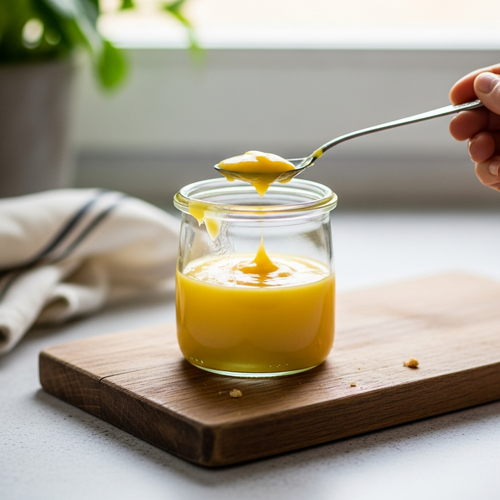
Description: A tangy and luscious lemon curd that is packed with protein and light on calories, without compromising on flavor. Perfect for a fat loss lifestyle, it’s a versatile treat that helps manage cravings and keep you full.
Prep Time: 5 minutes | Cook Time: 7 minutes
Servings: 4
Macros per Serving | Calories: 95 | Protein: 11g | Fat: 3g | Carbohydrates: 6g
Ingredients
- 1/2 cup fresh lemon juice (from about 2-3 lemons)
- 1 tablespoon lemon zest
- 1/2 cup non-fat plain Greek yogurt
- 1/4 cup low-fat cottage cheese
- 2 large eggs
- 1/4 cup zero-calorie sweetener (e.g., erythritol or a stevia blend)
- 1 tablespoon cornstarch
- Pinch of salt
Instructions
- In a blender, combine lemon juice, zest, Greek yogurt, and cottage cheese. Blend on high until completely smooth.
- Pour the blended mixture into a small saucepan. Whisk in the eggs, sweetener, cornstarch, and salt.
- Cook over medium-low heat, whisking constantly, for 5-7 minutes until the mixture thickens enough to coat a spoon. Do not let it boil.
- Remove from heat. For extra smoothness, strain through a fine-mesh sieve.
- Press plastic wrap directly onto the surface and refrigerate for at least 2 hours, or until fully chilled and set.
Notes
Using fresh lemon juice and zest is essential for the best flavor. The curd will continue to thicken significantly as it cools in the refrigerator.
FAQs About Lemon Curd For Weight Loss
Here are some straightforward answers to the most common questions I receive about this lemon curd recipe.
Can you make this protein lemon curd without cottage cheese?
Yes, you absolutely can. I know cottage cheese can be a polarizing ingredient for some people due to its texture. While the blender completely eliminates that texture in this recipe, if you’re firmly against it or don’t have it on hand, you have an easy alternative. Simply replace the 1/4 cup of cottage cheese with an additional 1/4 cup of non-fat plain Greek yogurt.
Your total amount of Greek yogurt will be 3/4 cup. The process remains exactly the same. The resulting lemon curd will still be creamy and delicious. The only significant change will be a slight decrease in the overall protein content per serving, as cottage cheese is a bit more protein-dense than Greek yogurt. The flavor will be virtually identical, so it’s a great substitution if you need it.
Why did my lemon curd turn out lumpy?
Lumpiness in this lemon curd almost always comes down to one of two things: the blending step or the heating step. The first potential culprit is not blending the base mixture long enough. If any small curds of cottage cheese remain, they can create a slightly grainy texture. Make sure you blend on high until the mixture is flawlessly smooth before pouring it into your saucepan.
The second, and more common, reason is the heat. If your stove’s heat is too high or if you stop whisking, the eggs can begin to cook too quickly and scramble. This creates small, solid lumps in your curd. The key is gentle, medium-low heat and constant motion with the whisk. If you do end up with a few lumps, don’t panic. This is exactly why the final straining step is so helpful. Pushing the curd through a fine-mesh sieve will catch any lumps and save the batch, leaving you with a perfectly smooth final product.
Is this lemon curd recipe suitable for a keto diet?
This recipe is low-carb, but it is not strictly keto-friendly as written. The main sources of carbohydrates are the Greek yogurt, cottage cheese (which both contain lactose, a milk sugar), and the cornstarch used as a thickener. While the carb count per serving is low (around 6 grams), it might be too high for someone on a very strict ketogenic diet with a 20-gram daily limit.
To make it more keto-aligned, you could try a couple of modifications. First, use full-fat Greek yogurt and full-fat cottage cheese to increase the fat content. Second, you could try replacing the cornstarch with a keto-friendly thickener like xanthan gum. You would only need a very small amount, maybe 1/4 teaspoon, whisked in with the other ingredients. This would lower the carb count further and make it more suitable for a keto lifestyle.
How can I make this lemon curd thicker?
This lemon curd is designed to have a luscious, spoonable consistency, similar to a thick pudding or yogurt. It thickens quite a bit as it chills in the refrigerator. If you’ve let it chill for several hours and you still want it to be even thicker, there are a couple of options. The easiest fix is to simply add a bit more cornstarch next time you make it. Try increasing the cornstarch to 1.5 tablespoons instead of 1 tablespoon.
Another method for a richer, thicker curd is to alter the eggs. You could use one whole egg and two egg yolks instead of two whole eggs. Egg yolks are powerful emulsifiers and thickeners. This will create a denser, more traditional curd-like texture and a richer yellow color. Just remember that this will slightly increase the fat and calorie content per serving.
What’s the best way to get juice and zest from a lemon?
Getting the most out of your lemons makes a huge difference in the final flavor. The best tool for zesting is a microplane. It shaves off just the yellow part of the peel, which is where all the flavorful oils are, leaving behind the bitter white pith. Always zest your lemon *before* you cut it in half to juice it. It’s nearly impossible to zest a floppy, juiced lemon half.
When it comes to juicing, a simple trick can help you get more juice. Before you cut the lemon, press down firmly on it with the palm of your hand and roll it back and forth on your countertop for about 15 seconds. This helps break down the membranes inside and makes the juice flow more freely. After rolling, cut it in half and squeeze. Using a simple hand-held citrus squeezer or even just a fork to twist around inside the lemon can help extract every last drop.
Try These High-Protein Recipes Next
If you loved the bright, dessert-for-breakfast vibe of this lemon curd, here are a few other recipes you should try.
-
High-Protein Lemon Bars: These take the flavor of lemon curd and put it into a delicious, portable bar with a protein-packed crust.
-
Healthy Key Lime Pie: Another citrusy favorite, this recipe gives you all the creamy, tangy goodness of key lime pie in a macro-friendly format.
-
Lemon Coconut Pudding Cakes: A fantastic recipe from This Gal Cooks that combines lemon and coconut into a magical self-saucing pudding cake.
Keep finding ways to make your fitness journey delicious and sustainable.