
Monkey bread was always one of those forbidden foods for me. You know the kind. The ooey, gooey, buttery, sugar-coma-inducing treat that shows up at holiday gatherings and feels completely off-limits when you’re trying to lose weight. For years, I believed that to get fit, I had to eat nothing but chicken and broccoli. That if I even looked at something like monkey bread, I’d derail all my progress.
That all-or-nothing thinking is a classic ADHD trap. It’s the mindset that led me to swing between extreme restriction and frustrated bingeing for years. It was only when I lost 65 pounds, before I ever started medication, that I truly understood the power of flexible eating. It’s not about cutting out foods you love. It’s about re-engineering them to support your goals.
This high-protein monkey bread is the perfect example of that philosophy. It captures all the warm, comforting, pull-apart fun of the original but is built with macros that actually work for you, not against you. It satisfies that craving for something sweet and decadent while packing a serious protein punch to keep you full and stable. This isn’t a “cheat meal.” This is just part of a smart, sustainable plan.
This recipe is proof that you can build the body you want without giving up the flavors you love. It’s designed for our brains. It’s simple, satisfying, and delicious.
Skip to My Flexibe Diet Recipe!
Why Monkey Bread Is Great For Fat Loss
When you hear “monkey bread,” fat loss is probably the last thing that comes to mind. The traditional version, often made with canned biscuit dough, butter, and tons of sugar, is a recipe for a massive calorie bomb and a subsequent energy crash. It spikes your blood sugar, leaves you hungry an hour later, and does very little to support your fitness goals. This recipe flips that entire script.
The secret is our core principle: protein first. We ditch the canned dough and build our own simple, two-ingredient protein dough using Greek yogurt and protein powder. This single change transforms the entire nutritional profile. Instead of empty carbs, you get a base that’s loaded with high-quality protein. One serving of this monkey bread packs a significant protein punch, which is critical for fat loss.
Why is protein so important? First, it’s incredibly satiating. It keeps you feeling full and satisfied for much longer than carbs or fats. For those of us with ADHD, this is a game-changer. It helps shut down the “what’s next?” food-seeking signal our brains are constantly sending. Second, protein has a higher thermic effect of food (TEF), meaning your body burns more calories just digesting it. Finally, it’s essential for building and maintaining lean muscle, which is the engine of your metabolism.
We also make smart swaps for the sugar and fat. By using zero-calorie sweeteners and just a small amount of light butter or coconut oil for flavor, we get all that delicious cinnamon-sugar and caramel taste without the empty calories. This isn’t about restriction. It’s about strategy. You get to enjoy a warm, gooey, incredible treat that crushes your cravings and actively works with your body to help you reach your fat loss goals. It’s the ultimate win-win.
Ingredients You’ll Need for Monkey Bread
The magic of this monkey bread recipe is in its simplicity. We’re using smart, accessible ingredients to create something that tastes indulgent but is packed with muscle-building, hunger-fighting power. No weird, hard-to-find items here. Everything should be available at your local grocery store.
Here’s a look at exactly what you’ll need to make this happen.
- For the Protein Dough:
- 1 cup whole wheat flour
- 1/2 cup vanilla or cinnamon-flavored whey protein powder
- 2 teaspoons baking powder
- 1/4 teaspoon salt
- 1 cup plain nonfat Greek yogurt
- For the Cinnamon Coating:
- 1/2 cup granulated zero-calorie sweetener (e.g., erythritol or monk fruit blend)
- 2 teaspoons ground cinnamon
- 2 tablespoons light butter or coconut oil, melted
- For the Caramel Sauce:
- 1/4 cup packed brown sugar substitute
- 2 tablespoons light butter or coconut oil, melted
- 2 tablespoons unsweetened almond milk
- 1/2 teaspoon vanilla extract
- For the Protein Glaze:
- 1/4 cup plain nonfat Greek yogurt
- 1/4 cup powdered sugar substitute
- 1 scoop vanilla protein powder
- 1-2 tablespoons unsweetened almond milk, as needed
The absolute key ingredient here is the combination of whey protein powder and nonfat Greek yogurt. This duo is what creates our high-protein dough, completely replacing the traditional butter- and sugar-laden biscuit dough. The quality of your protein powder matters a lot here. Use a brand and flavor you genuinely enjoy drinking as a shake. If your protein powder has a chalky or unpleasant aftertaste, it will come through in the final product. A good quality vanilla or cinnamon-flavored whey isolate will give you the best flavor and texture.
Similarly, make sure you use plain, nonfat Greek yogurt. The thick consistency is crucial for the dough structure, and using a flavored or full-fat version will alter both the macros and the texture. This simple, powerful base is what makes our healthy monkey bread possible.
How To Make Monkey Bread (Step-By-Step)
One of my rules for ADHD-friendly recipes is that the process can’t be overly complicated. This monkey bread recipe looks impressive, but the steps are straightforward and manageable, even on a low-energy day. We’re going to break it down so it’s impossible to get wrong.
Step 1: Preheat Oven and Prep Pan
First things first, get your oven preheating to 350°F (175°C). This is a classic ADHD tip called “task initiation.” Do the easiest, quickest thing first to build momentum. While it heats, grab your bundt pan or a small round baking dish and give it a light coat of cooking spray. This prevents the delicious caramel sauce from sticking later, which is crucial for that satisfying moment when you flip it over.
Step 2: Mix Your Dry Ingredients
In a large bowl, add the whole wheat flour, protein powder, baking powder, and salt. Use a whisk to combine them thoroughly. This is an important step because it ensures the baking powder is evenly distributed, which will help your dough balls puff up nicely in the oven. It only takes about 30 seconds but makes a big difference in the final texture.
Step 3: Form the Protein Dough
Now, add the nonfat Greek yogurt to your bowl of dry ingredients. Switch to a spatula or a wooden spoon and mix until everything is just combined. It will look messy and shaggy, and you might think you did something wrong. You didn’t. This is exactly what it’s supposed to look like. Don’t overmix it here; we’ll bring it all together in the next step.
Step 4: Knead the Dough
Lightly flour a clean countertop or a large cutting board. Tip your shaggy dough out of the bowl and knead it with your hands for just a minute or two. The goal is simply to bring it together into a smooth, cohesive ball. It will still be slightly tacky, but it shouldn’t be a sticky mess. If it is, add a tiny bit more flour. Avoid adding too much, as it can make the final product dry.
Step 5: Create the Dough Balls
This is the most time-consuming part, but it’s perfect for a podcast or some music. Divide the dough into about 32 small, equal-sized pieces. The easiest way is to cut the main ball into quarters, then divide each quarter into eight pieces. Roll each piece between your palms to form a small ball. Don’t stress about them being perfectly identical. Brutal practicality over perfection, remember?
Step 6: Prepare the Coating Station
Set up a mini assembly line. In one small bowl, combine the granulated sweetener and cinnamon. In a second small bowl, add your melted light butter or coconut oil. Having these two stations ready makes the next step smooth and less chaotic.
Step 7: Coat the Dough Balls
Take each dough ball, give it a quick dip in the melted butter, and let any excess drip off. Then, roll it in the cinnamon-sweetener mixture until it’s fully coated. This two-step process ensures the coating sticks and gives you that classic cinnamon-sugar crust.
Step 8: Assemble the Monkey Bread
As you coat the dough balls, arrange them in your prepared baking pan. Start with a single layer on the bottom and then stack the rest on top, filling in the gaps. Don’t pack them in too tightly; they need a little room to expand as they bake.
Step 9: Make the Caramel Sauce
In another small bowl, whisk together the brown sugar substitute, melted butter, almond milk, and vanilla extract. This creates a quick, lower-calorie caramel sauce that will seep down between all the dough balls as it bakes, making everything gooey and delicious.
Step 10: Pour on the Sauce
Evenly pour this caramel mixture over the top of the assembled dough balls in the pan. Try to cover as much of the surface as you can. It will look like a lot of liquid, but it will bake into a perfect sticky sauce.
Step 11: Bake to Perfection
Place the pan in your preheated oven and bake for 20-25 minutes. You’ll know it’s done when the top is a beautiful golden brown and a toothpick inserted into the center comes out clean. The smell in your kitchen will be incredible.
Step 12: Prepare the Protein Glaze
While the monkey bread is baking, you have the perfect window to whip up the glaze. In a small bowl, whisk together the Greek yogurt, powdered sweetener, and vanilla protein powder. It will be very thick. Add the almond milk one tablespoon at a time until you get a smooth, drizzly consistency you like.
Step 13: Cool and Invert
Once the monkey bread is out of the oven, let it cool in the pan for about 5-10 minutes. This is crucial. If you try to flip it too soon, it might fall apart. If you wait too long, the caramel might harden and stick to the pan. Place a serving plate on top of the pan and, using oven mitts, confidently flip it over. Lift the pan off to reveal your masterpiece.
Step 14: Drizzle and Serve
The final touch! Drizzle that glorious protein glaze all over the warm monkey bread. Let it drip down the sides. Serve it immediately while it’s warm and gooey for the best experience.
How To Serve Monkey Bread (ADHD-Friendly)
Serving this monkey bread requires a little bit of strategy, especially for the ADHD brain. Because it’s a “pull-apart” style bread, it’s incredibly easy to fall into mindless eating, pulling off one piece after another until half of it is gone. To work with our brains, not against them, we need to create some structure around enjoying it.
My number one tip is to decide on a portion size before you even start eating. A serving might be 3-4 of the little dough balls. Separate your portion onto a plate or into a bowl, and then immediately put the rest of the monkey bread away. Out of sight, out of mind is a powerful tool for managing impulsivity. This creates a clear “stop” signal for your brain, turning a potential binge into a planned, satisfying treat.
This monkey bread can fit into your day in a few fantastic ways:
- As a Post-Workout Meal: The combination of fast-digesting carbs from the flour and fast-absorbing protein from the whey powder is perfect for replenishing your muscles after a tough workout. Paired with the amazing taste, it feels like a reward that’s also incredibly functional.
- A High-Protein Breakfast: Forget sugary cereals. A portion of this with a cup of coffee or a protein shake is a delicious, satisfying way to start your day. It will keep you full and focused through the morning, preventing that mid-morning slump and craving for snacks.
- A Planned Evening Treat: This is my favorite way to use it. Instead of fighting cravings for ice cream or cookies at night, I plan for a small serving of this monkey bread. It completely satisfies my sweet tooth, kills any cravings, and because it’s high in protein, it doesn’t leave me wanting more. It feels like a cheat meal, but the macros are working for me.
By being intentional about how and when you eat it, you transform this delicious recipe from a potential pitfall into a powerful tool for your fat loss journey. It’s all about creating simple systems that make it easy to stay on track.
How To Store, Reheat, and Reuse Monkey Bread
One of the best things about this protein monkey bread is that it’s fantastic for meal prep. Unlike some healthy baked goods that get dry and sad overnight, this one holds up beautifully. Proper storage is key to keeping it fresh and delicious, making it an easy grab-and-go option for busy days.
Once the monkey bread has cooled completely to room temperature, you can store it in an airtight container. If you leave it on the counter, it should stay fresh for up to 3 days. For longer storage, you can keep it in the refrigerator for up to a week. The glaze might get a little absorbed, but the flavor and texture will still be great upon reheating.
Here are the best ways to bring it back to life:
- Microwave (Fastest Method): For a quick, soft, and gooey treat, place a serving on a microwave-safe plate and heat it for 20-30 seconds. This is perfect for a fast breakfast or a quick snack when you don’t have much time.
- Air Fryer or Oven (Best Texture): To get a little bit of that fresh-baked crispness back on the outside, I highly recommend the air fryer or oven. Reheat at 325°F (160°C) for about 3-5 minutes. This will warm it through while keeping the exterior from getting soggy.
- Freezer (Long-Term Storage): Yes, you can freeze it! I recommend freezing individual portions for ultimate ADHD-friendly convenience. Wrap each portion tightly in plastic wrap and then place them in a freezer-safe bag or container. They’ll last for up to 3 months. You can thaw a piece overnight in the fridge or reheat it directly from frozen in the microwave or oven.
Don’t be afraid to get creative with leftovers, either. You can break up a serving and use the pieces as a topping for a Greek yogurt bowl, adding a delicious cinnamon-roll-like texture. Or, you can even use it as the base for a high-protein bread pudding. Having delicious, pre-made components like this on hand is a secret weapon for staying consistent with your nutrition.
Easy Swaps & Variations for Monkey Bread
The beauty of a simple recipe like this is that it’s incredibly flexible. You can easily tweak it based on your dietary needs, what you have in your pantry, or just your flavor preferences. Don’t ever feel like you have to follow a recipe perfectly. Use it as a template and make it your own. That’s the key to building a sustainable lifestyle you actually enjoy.
Here are a few simple swaps and fun variations you can try with this monkey bread recipe:
- Change Up the Protein Flavor: While vanilla or cinnamon whey works perfectly, you could easily use a chocolate protein powder. Imagine a chocolate monkey bread with a peanut butter glaze. You could also try a salted caramel or pumpkin spice protein powder for a seasonal twist.
- Make it Gluten-Free: If you need a gluten-free version, you can swap the whole wheat flour for a good quality 1-to-1 gluten-free baking blend. Look for one that contains xanthan gum, as it will help provide the structure the dough needs. The texture might be slightly different, but it will still be delicious.
- Add Some Crunch or Texture: Feel free to mix in some extras when you’re assembling the dough balls. A handful of chopped pecans or walnuts would add a wonderful nutty crunch. You could also tuck some sugar-free chocolate chips or raisins in between the layers for little pockets of extra flavor.
- Fruit-Infused Caramel: For a different take on the caramel sauce, you could whisk in a tablespoon or two of apple butter or pumpkin puree. This would add natural sweetness and a lovely autumnal flavor that pairs perfectly with the cinnamon.
Remember, the core of this recipe is the protein dough and the general method. Everything else is open to experimentation. Play around with it, find combinations you love, and have fun. That’s what keeps healthy eating from ever feeling boring or restrictive.
High-Protein Monkey Bread
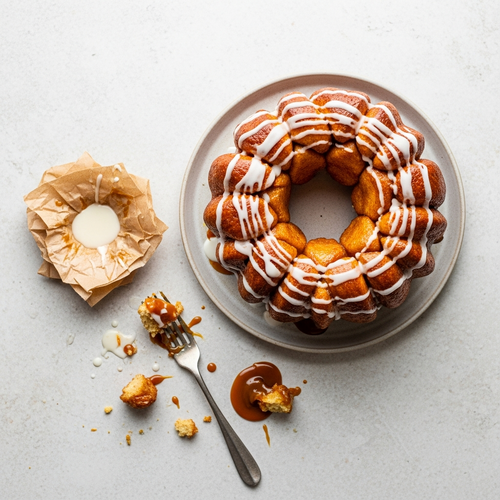
Description: A warm, gooey, and satisfying pull-apart monkey bread that’s packed with protein to support fat loss and crush cravings. The perfect healthy twist on a classic comfort food.
Prep Time: 15 minutes | Cook Time: 25 minutes
Servings: 8
Macros per Serving | Calories: 140 | Protein: 15g | Fat: 4g | Carbohydrates: 13g
Ingredients
- 1 cup whole wheat flour
- 1/2 cup vanilla or cinnamon-flavored whey protein powder
- 2 teaspoons baking powder
- 1/4 teaspoon salt
- 1 cup plain nonfat Greek yogurt
- 1/2 cup granulated zero-calorie sweetener
- 2 teaspoons ground cinnamon
- 4 tablespoons light butter or coconut oil, melted, divided
- 1/4 cup packed brown sugar substitute
- 2 tablespoons unsweetened almond milk
- 1/2 teaspoon vanilla extract
- 1/4 cup plain nonfat Greek yogurt (for glaze)
- 1/4 cup powdered sugar substitute
- 1 scoop vanilla protein powder (for glaze)
- 1-2 tablespoons unsweetened almond milk (for glaze)
Instructions
- Preheat oven to 350°F (175°C) and grease a bundt pan.
- In a large bowl, whisk together flour, 1/2 cup protein powder, baking powder, and salt. Add 1 cup of Greek yogurt and mix to form a shaggy dough.
- Knead on a floured surface for 1-2 minutes until smooth. Divide into 32 small balls.
- Combine granulated sweetener and cinnamon in one bowl. Place 2 tbsp of melted butter in another.
- Dip each ball in butter, then roll in cinnamon mixture. Arrange in the prepared pan.
- For the caramel, whisk together brown sugar substitute, the remaining 2 tbsp of melted butter, 2 tbsp almond milk, and vanilla extract. Pour over the dough balls.
- Bake for 20-25 minutes until golden brown.
- While baking, whisk together glaze ingredients: 1/4 cup Greek yogurt, powdered sweetener, 1 scoop protein powder, and 1-2 tbsp almond milk until smooth.
- Let monkey bread cool for 5-10 minutes before inverting onto a plate. Drizzle with glaze and serve warm.
Notes
The choice of protein powder will significantly impact the final flavor. Use a high-quality whey protein that you enjoy. The dough should be slightly sticky but manageable; avoid adding too much extra flour.
FAQs About Monkey Bread For Weight Loss
Here are some straightforward answers to the most common questions I receive about this monkey bread recipe.
Can I make this protein monkey bread without protein powder?
This is a great question because I know not everyone keeps protein powder on hand. The short answer is yes, you can, but it will significantly change the recipe’s nutritional profile and purpose. The protein powder is a core component that makes this recipe high-protein and macro-friendly for fat loss. Without it, you will lose a massive amount of the hunger-fighting protein that makes this such a powerful tool.
If you want to make it without protein powder, you can replace the 1/2 cup of protein powder in the dough with an additional 1/2 cup of whole wheat flour. You will also need to omit the scoop of protein powder from the glaze. The result will be a lower-protein, higher-carb version that is still healthier than traditional monkey bread because of the Greek yogurt and sugar substitutes, but it won’t be the protein powerhouse this recipe is designed to be. It will be more of a “lightened-up” dessert rather than a strategic, high-protein meal or snack.
Is this monkey bread recipe suitable for meal prep?
Absolutely. In fact, I designed this monkey bread with meal prep in mind because having healthy, delicious options ready to go is crucial for staying on track, especially with ADHD. The “out of sight, out of mind” principle is great, but “easy to grab” is even better when you’re hungry and low on executive function. This recipe is perfect for making on a Sunday to have treats ready for the week.
The best way to meal prep it is to bake the entire recipe as directed and let it cool completely. Once cool, you can either store the whole thing in an airtight container in the fridge or, my preferred method, pre-portion it into individual servings. This removes any guesswork or decision-making later. When you want a serving, you can just grab a container and reheat it for 30 seconds in the microwave. It makes hitting your protein goals and managing cravings incredibly simple throughout a busy week.
Why is my monkey bread dough so sticky?
Sticky dough is a common issue with Greek yogurt-based recipes, but it’s usually a very easy fix. The primary cause is often the brand of Greek yogurt itself. Different brands have varying moisture content, and a wetter yogurt will result in a stickier dough. Also, ensure you are using Greek yogurt, not regular yogurt, as regular yogurt is much thinner and will not work for this dough.
If your dough is a sticky mess that’s impossible to handle, the solution is to gradually add a little more flour, one tablespoon at a time, and gently knead it in until the dough becomes manageable. You want it to be slightly tacky to the touch, but not so sticky that it glues itself to your hands and the counter. Be careful not to add too much flour, as this can lead to a dry or dense final product. Just add enough so you can comfortably roll the dough into balls.
Can I use a different type of pan for this monkey bread?
You definitely don’t need a classic bundt pan to make this monkey bread. While a bundt pan gives it that traditional, iconic shape, the recipe works just as well in several other types of baking dishes. The most important thing is that the pan is small enough to allow the dough balls to stack on top of each other, creating those delicious layers for the caramel sauce to seep into.
An 8×8 inch square baking dish, a 9-inch round cake pan, or even a standard loaf pan will work perfectly. The baking time should remain roughly the same, but it’s always a good idea to keep an eye on it and use the toothpick test to check for doneness. The shape might be different, but the warm, gooey, pull-apart experience will be just as amazing.
How does this healthy monkey bread help with cravings?
This recipe is a strategic weapon against cravings, and it works on multiple levels, especially for the ADHD brain. First, it directly addresses the psychological component. When you tell yourself a food is “forbidden,” you often want it more. By having a delicious, satisfying version of monkey bread that fits your macros, you eliminate that scarcity mindset. You’re not depriving yourself; you’re just eating a smarter version of what you love.
Second, it tackles the physiological driver of cravings: blood sugar instability and hunger. The high protein content from the Greek yogurt and whey powder slows down digestion and promotes satiety, keeping you full and satisfied for hours. This prevents the blood sugar spikes and crashes caused by traditional sugary treats, which are often what trigger intense cravings for more junk food. When your body is properly fueled with protein, your brain is much less likely to send out those frantic, impulsive signals for a quick sugar hit.
Try These High-Protein Recipes Next
If you loved how we turned a classic comfort food into a fat-loss-friendly meal, you’ll want to check out these other recipes.
- The Best Damn Protein Cinnamon Roll Recipe: Get that same warm, cinnamon-sugar flavor in a classic roll form, packed with protein to keep you full and focused.
- The Best Damn High-Protein Biscuit Recipe: These fluffy, savory biscuits are a game-changer for breakfast sandwiches or as a side, all while helping you hit your protein goals.
- Easy Monkey Bread Recipe from Canned Biscuits: For a more traditional take, this recipe from This Gal Cooks shows you how to make classic monkey bread using canned biscuits for a quick and easy dessert.
Building a library of simple, macro-friendly recipes you love is the key to long-term success.