
Let’s be honest. For years, I thought cookies were the enemy. During the first phase of my fat loss journey, where I dropped 65 pounds without meds, I was all about restriction. Foods were either “good” or “bad,” and a classic oatmeal raisin cookie was definitely in the bad camp.
That all-or-nothing mindset is a classic ADHD trap. It works for a little while, fueled by hyperfocus, but it always ends in a burnout-fueled binge. When I finally embraced flexible eating, everything changed. I realized that a sustainable lifestyle had to include the foods I actually enjoyed.
That’s what motivated me to develop this high-protein oatmeal raisin cookie recipe. I wanted that comforting, chewy, spiced cookie experience without derailing my progress. I needed a treat that could satisfy a craving, fit my macros, and give my dopamine-seeking brain what it wanted in a planned, controlled way.
This isn’t just a recipe. It’s a tool for consistency. It’s proof that you can lose fat, build a fit body, and still eat cookies. It’s about working with your brain, not fighting against it.
Skip to My Flexibe Diet Recipe!
Why Oatmeal Raisin Cookies Are Great For Fat Loss
When you see “cookie” and “fat loss” in the same sentence, it’s natural to be skeptical. I get it. Most cookies are just a fast track to a sugar crash and more cravings. But this oatmeal raisin cookie recipe was built differently, with the core principles of sustainable fat loss in mind.
First, we put protein first. By adding a significant amount of whey/casein blend protein powder, we’re not just making a treat. We’re creating a snack that actually helps you hit your protein goals. Protein is crucial for satiety, which means it keeps you feeling full and satisfied. This helps kill the random, uncontrolled snacking that often happens on low-motivation days.
Next, we manage hunger with fiber. The recipe uses old-fashioned rolled oats and oat flour, which are fantastic sources of slow-digesting carbohydrates and fiber. This prevents the sharp blood sugar spike you get from regular white flour and sugar. A stable blood sugar level means fewer cravings and more consistent energy, which is a game-changer for anyone, especially those of us with ADHD.
We also made smart swaps to slash the calories without killing the flavor. Using a brown sugar substitute, unsweetened applesauce, and non-fat Greek yogurt dramatically reduces the sugar and fat content found in traditional recipes. This gives you the freedom to enjoy a delicious, satisfying cookie for a fraction of the calories, making it easy to fit into your daily macro targets.
This approach embodies flexible eating. Instead of a restrictive “cheat meal” that can lead to a spiral, you have a planned, macro-friendly treat. It gives your brain the dopamine hit it craves from something sweet, but in a way that supports your goals. That’s how you build consistency that lasts.
Ingredients You’ll Need for Oatmeal Raisin Cookies
This recipe uses a handful of smart ingredients to deliver that classic oatmeal raisin cookie taste and texture while keeping it aligned with your fitness goals. The key is balancing whole foods with functional swaps that boost protein and cut down on empty calories. There’s nothing here you can’t find at a regular grocery store.
The star players are the protein powder and Greek yogurt. These two ingredients transform the cookie from a simple carb-heavy dessert into a balanced, satisfying snack. Getting these right can make a big difference in the final product.
Here’s exactly what you’ll need to get started:
- 1 cup old-fashioned rolled oats: Use rolled oats, not instant or steel-cut. They provide the best chewy texture.
- 1/2 cup oat flour: You can buy this, but I just make my own. Simply blend rolled oats in a blender or food processor until they reach a fine, flour-like consistency. It’s cheap and easy.
- 1/4 cup all-purpose or whole wheat flour: Either works fine. Whole wheat adds a bit more fiber and a nuttier flavor.
- 1/2 cup vanilla or unflavored whey/casein blend protein powder: This is a key ingredient. A blend bakes much better than 100% whey, which can become dry and rubbery. Vanilla adds a nice flavor base.
- 1 1/2 teaspoons ground cinnamon: Don’t skip this. It’s essential for that classic oatmeal cookie flavor.
- 1/2 teaspoon baking soda: This helps the cookies rise and develop a tender crumb.
- 1/4 teaspoon salt: Salt enhances all the other flavors, especially the sweetness.
- 1/4 cup plain non-fat Greek yogurt: This adds moisture and a protein boost while replacing a lot of the butter or oil.
- 2 tablespoons unsweetened applesauce: Another great fat-replacer that keeps the cookies soft and moist.
- 2 tablespoons light butter, melted: We still use a little bit of butter for that rich flavor and texture that you just can’t replicate.
- 1/2 cup packed brown sugar substitute: I prefer an erythritol or monk fruit blend designed for baking. It measures cup-for-cup like regular brown sugar.
- 1 large egg: This acts as a binder and adds richness.
- 1 large egg white: Using an extra egg white adds protein and structure without the fat from the yolk.
- 1 teaspoon vanilla extract: A must-have for depth of flavor.
- 1/2 cup raisins: The classic choice. Make sure they’re fresh and plump for the best results.
How To Make Oatmeal Raisin Cookies (Step-By-Step)
Making this oatmeal raisin cookie recipe is straightforward. We designed it to be as simple as possible, because the last thing you need on a low-energy day is a complicated recipe. The key is to follow the steps in order and not overthink it. Let’s bake.
ADHD Tip: Before you start, pull out every single ingredient and piece of equipment you need. I’m talking bowls, measuring cups, spatula, everything. This is called “mise en place.” It prevents that mid-recipe panic when you realize you can’t find the cinnamon. It turns baking from a chaotic scramble into a calm, step-by-step process.
Step 1: Preheat Oven and Prep Your Pan
First things first, get your oven preheating to 350°F (175°C). Ovens take time to get to temperature, and putting cookies into an oven that isn’t hot enough will cause them to spread too much and bake unevenly. While it’s heating, line a large baking sheet with parchment paper. This is a non-negotiable step. It guarantees your cookies won’t stick and makes cleanup incredibly easy.
Step 2: Combine the Dry Ingredients
In a large bowl, add all your dry ingredients: the rolled oats, oat flour, all-purpose or whole wheat flour, protein powder, cinnamon, baking soda, and salt. Use a whisk to mix them together thoroughly. This is important because it ensures the baking soda and cinnamon are evenly distributed, so you don’t get a bland cookie with one super-salty bite.
Step 3: Combine the Wet Ingredients
Grab a separate, medium-sized bowl. In this bowl, mix the Greek yogurt, unsweetened applesauce, melted light butter, and the brown sugar substitute. Stir them together until they are well combined. You’re creating the base that will add moisture, sweetness, and richness to the dough.
Step 4: Add Eggs and Vanilla
To the wet ingredient mixture, add the large egg, the egg white, and the vanilla extract. Whisk everything together until the mixture is smooth and uniform. This step emulsifies the fats and liquids, which is crucial for creating a consistent cookie dough.
Step 5: Mix Wet and Dry
Now, pour the wet ingredients into the large bowl containing the dry ingredients. Use a spatula to gently fold and stir them together. The goal is to mix them until they are just combined. You might still see a few small streaks of flour, and that’s okay. Overmixing develops the gluten in the flour and can make your cookies tough instead of chewy.
Step 6: Fold in the Raisins
Once the dough has just come together, add the raisins. Fold them in gently with your spatula until they are evenly spread throughout the dough. Again, be careful not to overmix here.
Step 7: Let the Dough Rest
This is a simple but important step. Cover the bowl and let the dough rest for about 10 minutes. This allows the oats and protein powder to absorb some of the liquid. It makes the dough easier to handle and helps the cookies hold their shape better in the oven, leading to a thicker, chewier final product.
Step 8: Scoop and Bake
Using a tablespoon or a small cookie scoop, drop rounded portions of dough onto the parchment-lined baking sheet. Leave about 2 inches of space between each cookie to allow for some spreading. Bake for 10-12 minutes. You’ll know they’re done when the edges are lightly golden brown and the centers look set. They might seem a little soft in the middle, but they will firm up as they cool.
Step 9: Cool Completely
Let the cookies cool on the baking sheet for about 5 minutes. This allows them to set up enough to be moved without falling apart. After 5 minutes, carefully transfer them to a wire rack to cool completely. Allowing air to circulate underneath prevents them from getting soggy on the bottom.
How To Serve Oatmeal Raisin Cookies (ADHD-Friendly)
Once your delicious oatmeal raisin cookies are cooled, the question becomes how to fit them into your life in a way that feels good and supports your goals. For those of us with ADHD, having a plan for treats is critical to prevent the all-or-nothing cycle. It’s not about restriction; it’s about intention.
The goal is to enjoy these cookies as a planned part of your day, rather than a reaction to a sudden craving or dip in executive function. Having a system makes it easy to stick to your plan even when motivation is low.
Here are a few simple, ADHD-friendly ways to serve and enjoy your cookies:
- The Pre-Portioned Snack: This is my number one tip. As soon as the cookies are completely cool, portion them out. Put one or two cookies into individual small zip-top bags or containers. This removes the “decision” from the equation later. When you want a snack, you just grab one bag. There’s no temptation to grab a third or fourth from the cookie jar because you’ve already made the choice for your future self.
- The Post-Workout Reward: The macros on these cookies make them a great post-workout snack. The protein helps with muscle repair, and the carbs from the oats help replenish your energy stores. Pair one or two cookies with a ready-to-drink protein shake for a quick, satisfying, and effective recovery meal.
- The Yogurt Bowl Topper: Craving something with a bit more substance? Crumble one oatmeal raisin cookie over a bowl of plain non-fat Greek yogurt. You get the crunch and flavor of the cookie, plus an extra boatload of protein from the yogurt. It feels like a decadent dessert but functions as a perfectly balanced meal.
- The Classic Comfort: Sometimes, you just want a classic experience. Warm one cookie in the microwave for 10-15 seconds and enjoy it with a glass of cold milk (I like unsweetened almond milk). Planning for this simple pleasure can be a powerful way to de-stress at the end of the day and prevent cravings for less healthy options.
By planning how you’ll eat these treats, you stay in control. It’s a small system that pays off big, helping you enjoy the foods you love while consistently moving toward your fitness goals. It’s about making things easy, practical, and sustainable for the long haul.
How To Store, Reheat, and Reuse Oatmeal Raisin Cookies
Proper storage is key to making your baking efforts last. With ADHD, having delicious, goal-friendly foods ready to go is one of our best strategies for staying on track. If a healthy snack is the easiest option available, you’re more likely to choose it. This oatmeal raisin cookie recipe is perfect for batch prepping and storing for later.
You have a few different options depending on how quickly you plan to eat them. Each method is simple and helps maintain the cookies’ flavor and texture, so they’re just as good on day three as they were on day one.
Here are the best ways to store, reheat, and even reuse your cookies:
- At Room Temperature: If you plan on eating the cookies within a few days, this is the easiest method. Once the cookies are completely cool, place them in an airtight container. You can stack them with a small piece of parchment paper in between layers to prevent sticking. They will stay soft and fresh on your counter for up to 3-4 days.
- In the Refrigerator: For slightly longer storage, you can keep the cookies in an airtight container in the fridge. They will last for about a week this way. The cold can make them a bit firmer, but you can easily soften them up before eating.
- In the Freezer (The Ultimate ADHD Hack): This is my favorite method. Freezing your cookies is a fantastic way to manage portions and ensure you always have a treat on hand. Place the cooled cookies on a baking sheet in a single layer and freeze for about an hour until they are solid. Then, transfer them to a freezer-safe zip-top bag or container. They’ll last for up to 3 months. When you want one, you can just pull it out and let it thaw on the counter for 20-30 minutes.
To reheat, simply pop a cookie in the microwave for 10-15 seconds. This will warm it through and soften it up, making it taste like it just came out of the oven. For reusing, don’t be afraid to get creative. As mentioned before, crumbling a cookie over yogurt or a bowl of protein “ice cream” is an excellent way to add texture and flavor. It’s a simple way to make another healthy meal feel more like a special treat.
Easy Swaps & Variations for Oatmeal Raisin Cookies
One of the best things about this oatmeal raisin cookie recipe is its flexibility. The ADHD brain thrives on novelty, and being able to switch things up without having to learn a whole new recipe is a huge win. These simple swaps and variations can help you adapt the recipe to what you have on hand, cater to dietary needs, or just satisfy a craving for something a little different.
You don’t have to follow the recipe to the letter every single time. Think of it as a template. As long as you keep the ratios of wet to dry ingredients roughly the same, you have a lot of room to play around and make it your own.
Here are some easy and reliable substitutions you can try:
- Change the Protein Powder: While a vanilla whey/casein blend is recommended for texture, you can experiment with other flavors. A cinnamon swirl, salted caramel, or even an unflavored protein powder would work well. Just be aware that 100% whey isolate can result in a drier, cakier cookie.
- Make it Gluten-Free: For a gluten-free version, simply swap the all-purpose flour for a cup-for-cup gluten-free baking blend. Also, make sure to use certified gluten-free rolled oats to avoid any cross-contamination.
- Switch Up the Mix-Ins: Raisins are classic, but they’re not your only option. Feel free to swap the 1/2 cup of raisins for an equal amount of sugar-free chocolate chips, dried cranberries, chopped walnuts, or pecans. A combination of chocolate chips and walnuts is fantastic.
- Adjust the Spices: If you love warm spices, feel free to add 1/4 teaspoon of nutmeg or a pinch of allspice along with the cinnamon. It will give the cookies an even cozier, more complex flavor profile.
- Flour Alternatives: If you don’t have all-purpose flour, you can use whole wheat flour for the entire 1/4 cup portion. You could also experiment with almond flour, but you may need to adjust the wet ingredients slightly as it absorbs moisture differently.
Don’t be afraid to experiment and find what you like best. The core of this recipe is solid, giving you a healthy and delicious base to build upon. Making a small tweak can make it feel like a brand new recipe, keeping things interesting and helping you stay consistent on your fitness journey.
High-Protein Oatmeal Raisin Cookie Recipe
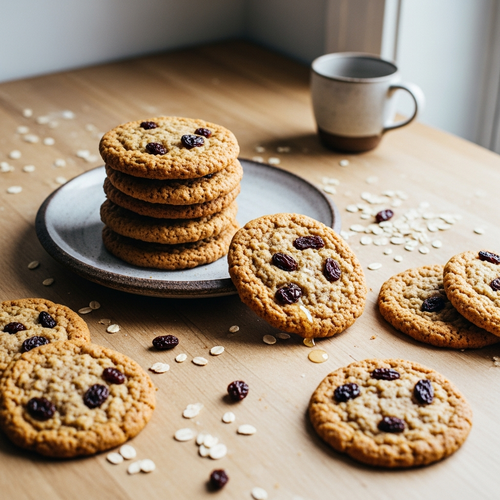
Description: A soft, chewy, and delicious oatmeal raisin cookie packed with protein and fiber. This recipe is designed to satisfy your sweet tooth and support your fat loss goals, making it the perfect macro-friendly treat for a sustainable lifestyle.
Prep Time: 15 minutes | Cook Time: 12 minutes
Servings: 18 cookies
Macros per Serving | Calories: 73 | Protein: 5g | Fat: 1.4g | Carbohydrates: 11g
Ingredients
- 1 cup old-fashioned rolled oats
- 1/2 cup oat flour
- 1/4 cup all-purpose or whole wheat flour
- 1/2 cup vanilla or unflavored whey/casein blend protein powder
- 1 1/2 teaspoons ground cinnamon
- 1/2 teaspoon baking soda
- 1/4 teaspoon salt
- 1/4 cup plain non-fat Greek yogurt
- 2 tablespoons unsweetened applesauce
- 2 tablespoons light butter, melted
- 1/2 cup packed brown sugar substitute
- 1 large egg
- 1 large egg white
- 1 teaspoon vanilla extract
- 1/2 cup raisins
Instructions
- Preheat oven to 350°F (175°C) and line a baking sheet with parchment paper.
- In a large bowl, whisk together rolled oats, oat flour, all-purpose flour, protein powder, cinnamon, baking soda, and salt.
- In a separate bowl, mix Greek yogurt, applesauce, melted butter, and brown sugar substitute. Whisk in the egg, egg white, and vanilla extract until smooth.
- Pour the wet ingredients into the dry ingredients and stir until just combined. Do not overmix.
- Fold in the raisins. Let the dough rest for 10 minutes.
- Drop rounded tablespoons of dough onto the prepared baking sheet.
- Bake for 10-12 minutes, until edges are golden.
- Cool on the baking sheet for 5 minutes before transferring to a wire rack to cool completely.
Notes
Using a whey/casein blend protein powder is highly recommended for the best texture. Letting the dough rest is a crucial step to prevent the cookies from spreading too much.
FAQs About Oatmeal Raisin Cookies For Weight Loss
Here are some straightforward answers to the most common questions I receive about this oatmeal raisin cookie recipe.
Can I make this oatmeal raisin cookie recipe without protein powder?
You can, but it will significantly change the recipe’s nutritional profile and texture. The protein powder is a core component that makes these cookies macro-friendly and highly satiating. Removing it will lower the protein content from about 5 grams per cookie to just 1-2 grams, turning it into a more traditional, carb-focused treat.
If you choose to omit it, you’ll need to replace the volume of the protein powder with more flour. I would suggest replacing the 1/2 cup of protein powder with an additional 1/2 cup of all-purpose or oat flour. You may also need to slightly reduce the wet ingredients, perhaps by removing the egg white, as protein powder is very absorbent. The final cookie will likely be softer and cakier, less chewy, and won’t have the same hunger-curbing power. If your goal is specifically a high-protein snack, I strongly recommend keeping the protein powder in.
Why did my oatmeal raisin cookie turn out dry?
Dryness in protein baking is a common issue, but it’s usually preventable. The most likely culprit is the type of protein powder you used. A 100% whey protein isolate is much more absorbent and prone to drying out baked goods than a whey/casein blend. The casein in a blend helps retain moisture, leading to a softer, chewier final product. If you only have whey isolate, you might need to add a bit more moisture, like an extra tablespoon of applesauce or yogurt.
Another common reason is overbaking. These cookies are meant to be soft-baked. They will look slightly underdone in the center when you pull them from the oven, but they will continue to cook and set on the hot baking sheet. Baking them until they look completely firm will result in a dry, hard cookie once cooled. Also, be sure you are measuring your flour correctly. Instead of scooping flour directly from the bag with your measuring cup, use a spoon to scoop it into the cup and then level it off. This prevents packing too much flour in, which is a very common cause of dry baked goods.
Is this high-protein oatmeal raisin cookie actually healthy?
The word “healthy” can be tricky because it means different things to different people. In the context of the ADHD FIT lifestyle, “healthy” means it supports your primary goal, which is sustainable fat loss and muscle maintenance. In that sense, yes, this oatmeal raisin cookie is a healthy choice. It’s a tool that helps you stay consistent.
Compared to a traditional cookie from a bakery, which can have 300-400 calories with lots of sugar and fat, this version is far superior. It’s lower in calories, much higher in protein and fiber, and contains virtually no refined sugar. It provides a feeling of fullness and satisfaction that a regular cookie doesn’t. It’s designed to manage cravings and prevent the binging that can happen when you feel deprived. So, while it’s still a treat, it’s a “smart” treat that works for you, not against you. It’s about balance and fitting the foods you love into a plan that gets you results.
Can I use quick oats instead of rolled oats in this oatmeal raisin cookie recipe?
You can use quick oats if that’s all you have on hand, but it will change the final texture of the cookie. Rolled oats are whole oats that have been steamed and flattened. They retain their shape well during baking, which gives the classic oatmeal cookie its signature chewy, hearty texture. It’s what provides that satisfying bite.
Quick oats, on the other hand, are rolled oats that have been chopped into smaller pieces and rolled even thinner. Because they are smaller, they absorb liquid more quickly and will essentially disappear into the dough. This will result in a softer, more uniform, and cakier cookie. It won’t be bad, but you will lose that distinct chewiness that many people love in an oatmeal raisin cookie. For the best texture, I highly recommend sticking with old-fashioned rolled oats.
How can I fit this oatmeal raisin cookie into my meal plan for weight loss?
The key to fitting any treat into a weight loss plan is to be intentional. This is where tracking your food, even loosely, becomes incredibly helpful. Since you know the macros for each cookie (approximately 73 calories and 5g of protein), you can easily account for it in your daily targets. Think of it as part of your carbohydrate and protein budget for the day.
I recommend using these cookies in one of two ways. First, as a planned daily snack to combat afternoon or evening cravings. Knowing you have a delicious cookie waiting for you can make it much easier to stick to your main meals. Second, as a post-workout treat. The combination of protein and carbs is ideal for recovery. The most important thing is to avoid mindless eating. Decide ahead of time, “I will have one cookie after dinner,” and then honor that. This approach builds discipline and proves that you don’t need to eliminate foods you love to see progress.
Try These High-Protein Recipes Next
If you enjoyed this recipe, here are a few other macro-friendly treats that are perfect for a flexible and sustainable fitness lifestyle.
- The Ultimate High-Protein Oatmeal Cookie: My original high-protein oatmeal cookie, a fantastic base recipe that’s endlessly customizable.
- High-Protein Chocolate Chip Cookies: A classic chocolate chip cookie recipe redesigned to be packed with protein and lower in sugar.
- Easy Oatmeal Cookies Recipe: A great example of a more traditional oatmeal cookie that you can use for inspiration or make for a special occasion.
Building a collection of simple, reliable recipes is one of the best ways to stay consistent on your journey.