
A traditional seafood boil was always one of those “special occasion” meals for me. It felt indulgent, messy, and celebratory. When I first started my fitness journey and lost over 65 pounds, I thought meals like this were off-limits forever. It felt like an all-or-nothing game, and a pot full of shrimp, crab, sausage, potatoes, and corn swimming in butter just didn’t seem to fit the plan.
That kind of thinking is a trap, especially for the ADHD brain. When we label foods as “good” or “bad,” we set ourselves up for failure. We either restrict so hard that we eventually binge, or we have one “bad” meal and the whole day, week, or month feels ruined. The spiral begins.
I knew there had to be a better way. I wanted that fun, hands-on, delicious experience of a seafood boil without the massive calorie bomb that would derail my progress. So, I started experimenting. My goal was to build a version that was packed with protein, loaded with nutritious veggies, and still delivered on that classic, savory, spicy flavor. I needed a recipe that supported fat loss, not sabotaged it.
This recipe is the result. It’s a high-protein, veggie-forward approach that keeps all the fun and flavor while ditching the excessive fats and empty carbs. It’s become a staple for me, proving that you can absolutely build the body you want while eating food you genuinely love. It’s a perfect example of working with your brain, not against it.
Skip to My Flexibe Diet Recipe!
Why Seafood Boil Is Great For Fat Loss
When you look at a traditional seafood boil, you might see a calorie landmine. But when we break it down and rebuild it with a fat-loss framework, it becomes a powerhouse meal. The magic is in the strategic swaps and the focus on our core principles: protein first, hunger management second.
First, this recipe is absolutely loaded with lean protein. We have shrimp, clams, mussels, and crab legs. Protein is the superstar of fat loss. It’s incredibly satiating, which means it keeps you feeling full and satisfied for hours. This is critical for managing cravings and preventing mindless snacking, something many of us with ADHD struggle with.
Second, we manage hunger by adding a ton of volume with vegetables. Instead of just potatoes, we bring in cauliflower florets and carrots. These add fiber and nutrients, filling up your plate and your stomach without adding a lot of calories. We also swap traditional white potatoes for sweet potatoes, which offer more nutrients and a slower-releasing carb source for sustained energy.
The biggest change is how we handle the “butter” sauce. Many restaurant seafood boils are drenched in hundreds of calories of melted butter. Our version creates a light, intensely flavorful sauce using the seasoned broth from the boil itself, plus a small amount of actual butter for that rich mouthfeel. You get all the garlic-herb-spicy goodness without the fat-loss-stalling consequences.
This meal is also an experience. It’s slow, interactive, and messy in a good way. For an ADHD brain that can be prone to mindless or fast eating, having to peel shrimp and crack crab legs forces you to slow down and be more present. It makes the meal more satisfying and helps your brain register fullness cues more effectively.
Ingredients You’ll Need for Seafood Boil
The beauty of this seafood boil recipe is its simplicity and flexibility. The ingredients are straightforward, and we focus on whole foods to deliver big flavor. The key is how we combine them to maximize nutrition and satiety.
The real twist in this recipe is the vegetable blend and the light garlic “butter” sauce. By using cauliflower and sweet potatoes, we add more fiber and micronutrients than you’d find in a classic boil. The sauce hack is a game-changer, giving you all that decadent flavor without the massive fat content.
When it comes to the seafood, freshness matters, but don’t let that intimidate you. Good quality frozen shrimp and crab clusters work perfectly here and are often more accessible and budget-friendly. For clams and mussels, you’ll want to get them fresh from a seafood counter. Make sure they are closed tightly before cooking.
Here’s exactly what you’ll need to get started.
- For the Boil:
- 2 lbs large shrimp, peeled and deveined
- 1 lb clams, scrubbed
- 1 lb mussels, scrubbed and debearded
- 1 lb snow crab clusters
- 1 large onion, quartered
- 2 lemons, halved
- 1 head of garlic, cloves separated and smashed
- 1 lb baby sweet potatoes, halved
- 2 large carrots, cut into 1-inch chunks
- 1 head of cauliflower, cut into florets
- 4 ears of corn, shucked and cut into thirds
- 1/4 cup Old Bay seasoning
- 1 tbsp smoked paprika
- 1 tsp cayenne pepper (or more to taste)
- 2 bay leaves
- 8 cups low-sodium chicken or seafood broth
- 4 cups water
- For the Light Garlic Herb “Butter”:
- 1/2 cup reserved seasoned broth from the boil
- 2 tbsp unsalted butter
- 4 cloves garlic, minced
- 1 tbsp fresh parsley, chopped
- 1 tsp lemon juice
- 1/2 tsp Old Bay seasoning
How To Make Seafood Boil (Step-By-Step)
Making a seafood boil can seem like a huge, complicated project, but it’s actually a straightforward one-pot meal. The key is timing. You’re adding ingredients to the pot in stages, based on how long they take to cook. This ensures your potatoes are tender, your corn is crisp, and your seafood is perfectly cooked, not rubbery.
For this recipe, you will need a very large stockpot. Seriously, bigger is better here. You need enough room for the liquid, all the vegetables, and the seafood without it boiling over and creating a mess. A 16-quart or larger pot is ideal.
ADHD Tip: Before you start, do a “mise en place.” That’s just a fancy way of saying get all your ingredients prepped and ready to go. Wash and chop your veggies, measure your spices, and have your seafood rinsed. This turns the cooking process into a simple assembly line and prevents that “what’s next?” panic mid-recipe.
Step 1: Create The Flavorful Broth
In your large stockpot, combine the low-sodium broth, water, quartered onion, smashed garlic cloves, Old Bay, smoked paprika, cayenne, and bay leaves. Squeeze the juice from the lemon halves into the pot before dropping the rinds in too. Bring this mixture to a rolling boil, then reduce the heat to a simmer. Let it simmer for at least 15-20 minutes. This step is crucial. It creates the seasoned liquid that will infuse every single ingredient with amazing flavor.
Step 2: Cook The Hearty Vegetables
Add the sweet potatoes and carrots to the simmering broth. These are the toughest vegetables, so they need a head start. Cook them for about 10 minutes. Then, add the cauliflower florets and corn to the pot. Cook for another 5-7 minutes. You want the sweet potatoes to be just fork-tender, not mushy.
Step 3: Add The Seafood In Stages
This is the fastest part, so stay focused. Turn the heat up to bring the broth back to a gentle boil. Add the clams and crab legs first, as they take a minute longer. Cook for 3 minutes. Finally, add the shrimp and mussels. They cook very quickly, usually within 3-5 minutes. You’ll know they’re done when the shrimp are pink and the clams and mussels have opened. Discard any shellfish that remain closed.
Step 4: Make The Light Garlic “Butter” Sauce
While the seafood finishes cooking, make the sauce. In a small saucepan, melt the 2 tablespoons of butter over medium heat. Add the minced garlic and cook for just a minute until it’s fragrant. Carefully ladle about half a cup of the hot, seasoned broth from the main pot into the saucepan. Stir in the fresh parsley, lemon juice, and extra Old Bay. Keep this warm on low heat.
Step 5: Strain And Serve
Use a large slotted spoon or a spider strainer to lift all the seafood and vegetables out of the pot and arrange everything on a large platter or a table lined with newspaper for easy cleanup. Drizzle your light garlic herb “butter” sauce over everything right before serving.
How To Serve Seafood Boil (ADHD-Friendly)
Serving a seafood boil is about embracing the mess and making it a fun, tactile experience. This is where we lean into practicality over perfection, which is a core tenet of the ADHD FIT lifestyle. Forget fancy plates and complicated place settings.
The absolute best way to serve this is the traditional way: lay down some newspaper or butcher paper over your table, drain the pot, and dump everything right into the middle. It creates a communal, fun atmosphere that encourages everyone to dig in. Plus, the cleanup is ridiculously easy. When you’re done, you just roll up the paper and toss it. For an ADHD brain that dreads the post-meal cleanup task, this is a massive win.
Set out a few small bowls for the shells, a roll of paper towels, and maybe some wet wipes. That’s it. The less friction between eating and cleanup, the more likely you are to make this meal again.
When it comes to portioning for fat loss, here are a few simple strategies:
- Protein First: Mentally (or literally) fill your “plate” area with protein first. Grab a cluster of crab, a handful of shrimp, and some mussels and clams. This ensures you’re hitting your protein goal and promoting satiety.
- Veggie Heavy: Next, load up on the cauliflower, carrots, and sweet potatoes. These are your high-fiber, high-volume foods that will help fill you up.
- Mindful Corn: Corn is delicious, but it’s more carb-dense. Enjoy a piece, but don’t make it the main event on your plate if your goal is aggressive fat loss.
By dumping it all on the table, you can easily eyeball your portions without the pressure of meticulously weighing everything. It’s a flexible, intuitive approach to eating that works well for busy lives and brains that don’t love rigid rules.
How To Store, Reheat, and Reuse Seafood Boil
Leftover seafood can be tricky, but with the right approach, your seafood boil can be just as good the next day. The key is to prevent the delicate seafood from becoming tough and rubbery during reheating. This starts with proper storage.
The “out of sight, out of mind” struggle is real with ADHD. If you just throw a giant container of mixed leftovers in the fridge, it can feel overwhelming to tackle later. Instead, take two extra minutes to store things strategically. This makes future you much more likely to actually eat the leftovers.
Here’s how I recommend storing and reheating your seafood boil leftovers:
- Separate Components: The best way to store leftovers is to separate the seafood from the vegetables. Store them in separate airtight containers in the refrigerator. This allows you to reheat them differently. I also like to strain and save some of the flavorful broth in a separate jar.
- Storage Duration: Leftovers will keep in the fridge for up to 2 days. Seafood is perishable, so you don’t want to push it much further than that.
- Gentle Reheating: To reheat, avoid the microwave if you can, as it can make shrimp rubbery. The best method is to gently steam everything. You can place the seafood and veggies in a steamer basket over a pot with a little water or some of the reserved broth. Steam for just a few minutes until warmed through. Alternatively, a quick sauté in a pan with a splash of broth also works well.
Don’t want to eat the same meal twice? You can easily repurpose the leftovers. Chop up the leftover shrimp and veggies and mix with a little Greek yogurt and seasoning for a quick seafood salad. You can also shred the crab meat and use it in an omelet. Or, my personal favorite, add the leftover seafood, veggies, and broth to a pot and simmer to create a quick and delicious seafood chowder.
Easy Swaps & Variations for Seafood Boil
One of the best things about a seafood boil is that it’s more of a method than a rigid recipe. You can easily swap ingredients based on what’s fresh, what’s on sale, or what you simply have on hand. This flexibility is perfect for the ADHD brain, as it allows you to adapt without having to make a special trip to the store for one specific item.
Don’t feel locked into the exact seafood combination I used. The goal is lean protein. Think of the recipe as a template and make it your own. This approach reduces the friction of cooking and makes it more likely you’ll stick with your healthy eating habits.
Here are a few simple swaps and variations you can try:
- Seafood Swaps: If you can’t find clams or mussels, just use more shrimp. You can also use crawfish when they are in season or add chunks of a firm white fish like cod or halibut in the last few minutes of cooking. Smoked sausage is traditional, but I leave it out to keep the fat content down. If you want to include it, look for a lean chicken or turkey andouille sausage.
- Vegetable Variations: Don’t have sweet potatoes? Regular baby red or Yukon gold potatoes work great. Just be mindful of the higher carb count if you’re tracking macros closely. You can also add other sturdy vegetables like broccoli florets or green beans during the last 5-7 minutes of cooking.
- Spice It Up (or Down): The heat level is completely customizable. If you love spice, add more cayenne pepper or a few dashes of your favorite hot sauce to the broth. If you prefer it mild, you can reduce or omit the cayenne altogether.
- Lower-Carb Option: For an even lower-carbohydrate version, you can omit the corn and sweet potatoes entirely and double up on the cauliflower and add other non-starchy vegetables like zucchini or bell peppers.
Experiment and find the combination that you love. The more you enjoy your food, the more sustainable your fat loss journey will be.
High-Protein, Healthy Seafood Boil
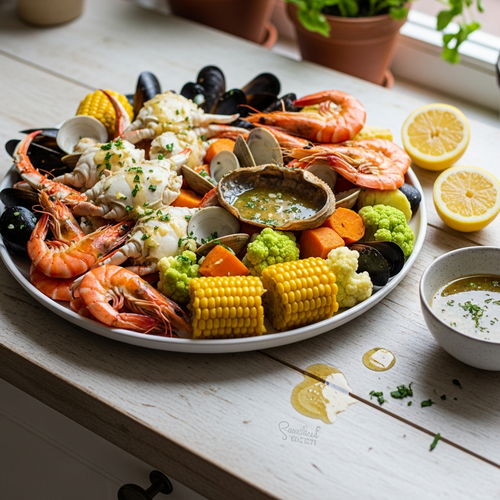
Description: A delicious, low-fat seafood boil packed with lean protein and veggies. All the classic flavor you love, redesigned to support your fat loss goals and work with your ADHD brain, not against it.
Prep Time: 15 minutes | Cook Time: 40 minutes
Servings: 6
Macros per Serving | Calories: 421 | Protein: 42.5g | Fat: 6.5g | Carbohydrates: 40g
Ingredients
- For the Boil: 2 lbs large shrimp, 1 lb clams, 1 lb mussels, 1 lb snow crab clusters, 1 large onion, 2 lemons, 1 head of garlic, 1 lb baby sweet potatoes, 2 large carrots, 1 head of cauliflower, 4 ears of corn, 1/4 cup Old Bay seasoning, 1 tbsp smoked paprika, 1 tsp cayenne pepper, 2 bay leaves, 8 cups low-sodium chicken broth, 4 cups water.
- For the Light “Butter”: 1/2 cup reserved broth, 2 tbsp unsalted butter, 4 cloves garlic (minced), 1 tbsp fresh parsley (chopped), 1 tsp lemon juice, 1/2 tsp Old Bay seasoning.
Instructions
- In a very large stockpot, simmer broth, water, onion, lemons, garlic, and seasonings for 15-20 minutes to create a flavor base.
- Add sweet potatoes and carrots; cook for 10 minutes.
- Add cauliflower and corn; cook for another 5-7 minutes until potatoes are just tender.
- Increase heat to a boil. Add clams and crab; cook for 3 minutes.
- Add shrimp and mussels; cook for 3-5 minutes until shrimp is pink and shellfish have opened.
- While seafood cooks, melt butter in a small pan, add garlic, then stir in 1/2 cup of hot broth from the pot, parsley, lemon juice, and Old Bay.
- Strain seafood and vegetables from the pot, place on a platter, and drizzle with the light garlic sauce before serving.
Notes
Discard any clams or mussels that do not open during cooking. For easy cleanup, serve directly on a newspaper-lined table. Adjust cayenne pepper to your preferred spice level.
FAQs About Seafood Boil For Weight Loss
Here are some straightforward answers to the most common questions I receive about this seafood boil recipe.
Is a seafood boil actually healthy?
A traditional seafood boil from a restaurant is often not very healthy. They are typically very high in sodium, loaded with high-fat ingredients like andouille sausage, and, most significantly, drenched in massive amounts of melted butter. A single serving can easily exceed 1,000 calories with a very high fat content, which can make it difficult to fit into a fat-loss plan.
However, the concept of a seafood boil is inherently healthy at its core. It’s based on lean protein and vegetables boiled in a seasoned liquid. Our recipe takes it back to these healthy basics. By using low-sodium broth, omitting the high-fat sausage, loading it up with extra vegetables like cauliflower, and creating a light “butter” sauce from the broth itself, we transform it. This version is high in protein, rich in fiber, and much lower in fat and calories, making it an excellent meal for a healthy, sustainable lifestyle.
How can I make this seafood boil recipe more budget-friendly?
Seafood can be expensive, but there are definitely ways to make this seafood boil more affordable. The key is to be flexible with your protein sources. Snow crab is often the priciest ingredient, so you can easily omit it and increase the amount of shrimp, which is usually more cost-effective. Buying frozen raw shrimp in bulk is almost always cheaper than buying fresh from the counter.
Mussels are also a great budget-friendly option and are packed with protein. Don’t be afraid to adjust the ratios based on what’s on sale at your local grocery store that week. If you see a great deal on frozen cod or another firm white fish, you can buy that and add it in chunks at the very end of the cooking process. Focusing on a higher ratio of vegetables to seafood will also stretch the meal further without compromising on volume or nutrition.
Can I meal prep this healthy seafood boil?
Yes, you can absolutely prep components of this seafood boil ahead of time, which is a great strategy for the ADHD brain. Prepping reduces the “activation energy” needed to start cooking on a busy day. You can wash and chop all your vegetables (onions, carrots, cauliflower, sweet potatoes) and store them in an airtight container in the fridge for a couple of days. You can also mix your dry seasonings (Old Bay, paprika, cayenne) ahead of time.
I wouldn’t recommend cooking the entire dish and then portioning it out for the week, as reheated seafood can get tough. However, having the veggies and spices ready to go means that when you want to cook, all you have to do is boil the broth, toss in the prepped ingredients in stages, and add the fresh seafood at the end. It turns a 45-minute process into about 20-25 minutes of active cooking time.
What makes this seafood boil recipe ADHD-friendly?
I designed this seafood boil recipe specifically with the ADHD brain in mind. First, it’s a one-pot meal, which minimizes the number of dishes you have to wash. The cleanup is a huge executive function hurdle for many of us, so simplifying that process is a major win. The “dump and serve” on newspaper method eliminates plates entirely.
Second, the step-by-step process is linear and easy to follow. There isn’t a lot of complex multitasking. The “mise en place” tip of prepping everything beforehand is a classic ADHD coping strategy for cooking, as it prevents overwhelm. Finally, the meal itself is highly stimulating and engaging. The tactile nature of eating with your hands can provide positive sensory input, helping you stay present and mindful while you eat, rather than getting distracted and overeating.
Can I make this seafood boil if I have a shellfish allergy?
Unfortunately, this specific recipe is heavily based on shellfish (shrimp, crab, clams, mussels) and would not be safe for someone with a shellfish allergy. The cross-contamination in the pot would be unavoidable. The core flavor profile of a “boil” is deeply tied to these ingredients.
However, you could take inspiration from the method to create a different kind of “boil.” You could use the same seasoned broth to cook chunks of firm white fish like cod or halibut, along with smoked chicken or turkey sausage and all the same vegetables. You would need to adjust cooking times, adding the fish only in the last 5-6 minutes. While it wouldn’t be a seafood boil, it would still be a delicious, high-protein, one-pot meal with a similar Southern-inspired flavor.
Try These High-Protein Recipes Next
If you loved the simple, high-protein approach of this recipe, here are a few others you should try next.
- ADHD-Friendly Jambalaya Recipe – Another one-pot wonder, this jambalaya is packed with flavor, lean protein, and is super easy to throw together on a weeknight.
- Healthy & High-Protein Gumbo Recipe – My take on a classic gumbo that delivers all the deep, rich flavor without the fat, making it perfect for your fitness goals.
- Easy Low Country Boil – A great, straightforward take on a classic boil that you can easily adapt using the principles from my recipe.
Each of these recipes follows the same philosophy: delicious food that fuels your body and works for your brain.