
I used to think that losing weight meant saying goodbye to my favorite foods forever. For me, that meant things like tacos, burritos, and quesadillas were completely off the table. My brain doesn’t do well with that kind of all-or-nothing thinking. It just leads to a cycle of restriction, intense cravings, and eventually, giving up and binging on everything I told myself I couldn’t have.
It was a frustrating pattern that kept me stuck for years. I’d be “good” for a week, lose a pound or two, then have one tortilla and feel like I’d failed. That failure would trigger a spiral, and I’d be right back where I started.
The real turning point in my 65-pound fat loss journey was when I stopped trying to eliminate foods and started re-engineering them. I realized I didn’t have to give up the vehicle for my favorite meals. I just needed to build a better vehicle. That’s how this high-protein tortilla recipe was born. It’s a game-changer because it turns a carb-heavy base into a protein-packed powerhouse.
This recipe allowed me to enjoy the meals I loved without the blood sugar spike and subsequent cravings. It made my diet feel sustainable and abundant, not restrictive. It’s one of the core tools I used to build a fit lifestyle that actually works with my ADHD brain, not against it.
Skip to My Flexibe Diet Recipe!
Why This High-Protein Tortilla Is Great For Fat Loss
When you’re aiming for fat loss, the name of the game is managing hunger and maintaining a calorie deficit without feeling miserable. Food is genuinely 75 percent of the results, and protein is the king of macronutrients for achieving this.
A standard flour tortilla is mostly refined carbohydrates. While not “bad,” they don’t do much to keep you full. They can cause a rapid rise and fall in blood sugar, which for many of us with ADHD, can trigger intense cravings and make it harder to regulate our mood and focus. This can lead to mindless snacking and make sticking to a plan feel impossible.
This tortilla recipe flips the script entirely. We’re using vital wheat gluten and protein isolate as the base. This dramatically increases the protein content while keeping carbs and fats super low. Each tortilla packs a serious protein punch, which is a powerful tool for fat loss.
Protein is highly satiating. It keeps you feeling full and satisfied for hours, which crushes cravings and reduces the chances you’ll overeat later. It also has a higher thermic effect of food, meaning your body burns more calories just digesting it. Plus, getting enough protein is critical for preserving lean muscle mass while you’re losing fat, which keeps your metabolism running strong.
By making this simple swap, you turn a potential diet-derailer into a powerful asset. You can build tacos, wraps, and quesadillas that actively support your goals instead of working against them. This is the essence of a flexible, sustainable lifestyle. It’s about being smart, not being perfect.
Ingredients You’ll Need for This Tortilla Recipe
The magic of this recipe is in its simplicity and the powerful combination of a few key ingredients. You won’t find a long, complicated list here. We’re focusing on what works to get the job done: a soft, pliable, and protein-packed tortilla.
Here’s exactly what you’ll need:
- 1 cup vital wheat gluten
- 1/2 cup unflavored whey or soy protein isolate
- 1/4 cup chickpea flour
- 2 tbsp nutritional yeast
- 1 tsp baking powder
- 1/2 tsp salt
- 1/4 tsp garlic powder
- 1/4 tsp onion powder
- 1 cup warm water
- 1 tsp olive oil
The absolute star of this recipe is the vital wheat gluten. This isn’t regular flour. It’s the natural protein found in wheat. It’s what gives bread its structure and what gives these tortillas their classic chewy, stretchy texture. You can’t substitute this one; it’s essential for the recipe to work.
Our second key player is the unflavored whey or soy protein isolate. Using an “isolate” is important because it has the highest protein concentration with minimal carbs and fats. This boosts the macros without affecting the texture negatively. Make sure it’s unflavored, unless you want a vanilla-flavored taco!
The chickpea flour adds a bit of softness and a subtle, savory flavor that complements the other ingredients. Finally, the nutritional yeast is a secret weapon. It adds a cheesy, umami depth of flavor that makes these tortillas taste much more complex and satisfying than you’d expect.
How To Make This High-Protein Tortilla (Step-By-Step)
Making your own tortillas might sound intimidating, but I promise this process is straightforward. We’re not aiming for perfection here. We’re aiming for delicious, functional, and done. Don’t overthink it.
Step 1: Combine The Dry Ingredients
In a large bowl, add the vital wheat gluten, protein isolate, chickpea flour, nutritional yeast, baking powder, salt, garlic powder, and onion powder. Use a whisk to mix them together thoroughly. This step is more important than it seems. It ensures the salt and baking powder are evenly distributed, which helps the tortillas cook evenly and have a consistent flavor.
An ADHD tip: Get all your dry ingredients measured and into the bowl before you even think about the wet ones. This approach, called “mise en place,” helps prevent that mid-recipe scramble where you can’t find the salt and get completely derailed.
Step 2: Mix Wet and Dry
In a separate small bowl or measuring cup, mix the warm water and olive oil. The water should be warm to the touch, like a baby’s bath, not boiling hot. Pour the wet mixture into the bowl of dry ingredients. Use a fork to stir everything together until you can’t see any more dry flour and a shaggy, messy-looking dough forms. It will come together quickly.
Step 3: Knead The Dough
Turn the dough out onto a lightly floured countertop or cutting board. Now, knead it for about 3 to 5 minutes. You’re looking for the dough to transform from shaggy to smooth and elastic. It should feel firm and spring back a little when you poke it. Don’t go crazy here; over-kneading can make it tough. This is a great way to channel some of that restless ADHD energy.
Step 4: Divide and Rest
Form the dough into a ball and use a knife or bench scraper to divide it into 8 equal pieces. Roll each piece into a small ball. This step is crucial: cover the dough balls with a damp cloth or plastic wrap and let them rest for 10 to 15 minutes. This allows the gluten to relax, which will make rolling them out a thousand times easier. If you skip this, the dough will fight you every step of the way.
Step 5: Roll Out The Tortillas
On a lightly floured surface, take one dough ball and use a rolling pin to roll it into a thin circle, about 6 to 7 inches in diameter. Again, don’t chase perfection. Ovals are fine. Weird amoeba shapes are fine. They all taste the same. Keep the other dough balls covered while you work so they don’t dry out.
Step 6: Cook The Tortillas
Heat a non-stick skillet or a cast-iron pan over medium-high heat. A good cast-iron pan is fantastic here because it holds heat so well. Lay a rolled-out tortilla onto the hot, dry pan. Cook it for about 30 to 60 seconds per side. You’ll know it’s ready to flip when it starts to puff up and you see some golden-brown spots forming. Don’t walk away from the stove. This happens fast.
Step 7: Keep Them Soft
This is the final pro tip. As each tortilla finishes cooking, immediately stack it on a plate and wrap the stack in a clean kitchen towel. The trapped steam is what keeps the tortillas soft, warm, and perfectly pliable. If you skip this, they can become stiff as they cool.
How To Serve This Tortilla (ADHD-Friendly)
Having these high-protein tortillas on hand is one thing, but making them easy to use is what really matters for sticking with a healthy routine. For those of us with ADHD, reducing friction and decision fatigue around meals is everything. The goal is to make the healthy choice the easy choice.
I build systems around my meals, and these tortillas are perfect for that. Think of them as a versatile base for quick, protein-packed meals throughout the week. The key is to have your fillings prepped and ready to go.
Here are a few brutally practical ways to incorporate them:
- The 2-Minute Taco System: On Sunday, cook up a big batch of ground turkey or lean ground beef with taco seasoning. Store it in the fridge. When you need a fast meal, just grab a tortilla, spoon in some meat, and top with pre-shredded lettuce, salsa, and a dollop of Greek yogurt (a fantastic high-protein sub for sour cream). It’s faster than ordering takeout.
- The “I Can’t Even” Quesadilla: This is my go-to for low-motivation days. Lay a tortilla in a pan, sprinkle with cheese and leftover shredded chicken (buy a rotisserie chicken to make it even easier). Fold it over and cook for a couple of minutes per side. It feels like a comfort food indulgence, but the macros are fantastic.
- The Grab-and-Go Breakfast Burrito: Breakfast can be a huge hurdle. Batch-prep a dozen breakfast burritos over the weekend. Scramble eggs with some sausage or black beans, roll them up in these tortillas, wrap in foil, and freeze. In the morning, you just unwrap one and microwave it for a hot, protein-filled breakfast that keeps you full until lunch.
An essential ADHD hack for using what you make is to fight “out of sight, out of mind.” Store these tortillas in a clear, airtight container or bag right at eye level in your fridge. If you see them every time you open the door, you’re much more likely to remember you have them and actually use them before they go bad.
How To Store, Reheat, and Reuse This Tortilla
One of the best things about this recipe is that it’s perfect for meal prep. You can make a batch on a Sunday and have a delicious, high-protein base for meals all week long. Proper storage is key to keeping them fresh, soft, and ready to use.
Consistency beats intensity, and having staples like this ready to go is a cornerstone of consistency. When you’re tired and hungry, future-you will be so grateful that past-you took a few minutes to plan ahead. Let’s make it easy for your future self.
Here’s how to handle storing, reheating, and reusing your homemade tortillas:
- Storing in the Fridge: Once the tortillas have cooled completely inside the kitchen towel, transfer the stack to a zip-top bag or an airtight container. Squeeze out as much air as possible before sealing. They will keep well in the refrigerator for up to 5 to 7 days. Keeping them sealed is non-negotiable, as they will dry out and become brittle if exposed to the air.
- Reheating for Best Texture: The best way to bring a tortilla back to life is to heat it for about 15-20 seconds per side in a hot, dry skillet. This makes it warm, soft, and pliable, just like it was when it first came off the pan. If you’re in a hurry, you can microwave one for 10-15 seconds. To prevent it from getting rubbery in the microwave, wrap it in a slightly damp paper towel first.
- The Freezer Hack for Long-Term Storage: These tortillas freeze incredibly well. This is a lifesaver for those weeks when you have zero energy to cook. To freeze, place a small square of parchment paper or wax paper between each tortilla in the stack. This prevents them from fusing into a solid frozen disk. Slide the entire stack into a freezer-safe zip-top bag, press out the air, and freeze for up to 3 months. You can pull one out at a time and reheat it directly from frozen in a hot pan.
Having a stash of these in the freezer is like having a secret weapon for your nutrition goals. It’s a simple system that removes one more barrier between you and a healthy, satisfying meal on a chaotic day.
Easy Swaps & Variations for This Tortilla
The core of a flexible diet is, well, flexibility. This recipe is a fantastic starting point, but you can absolutely tweak it to fit your preferences, what you have in your pantry, or your specific dietary needs. The goal is to make it work for you, not the other way around. Don’t be afraid to experiment a little once you have the basic recipe down.
Remember, we’re aiming for a sustainable lifestyle, which means your food needs to be enjoyable and practical. If a small change makes you more likely to stick with it, that’s a huge win. Perfection isn’t the goal; consistency is.
Here are a few simple swaps and variations you can try:
- For a Different Flavor Profile: The garlic and onion powder provide a great savory base, but you can customize it. For tortillas destined for tacos, try adding a teaspoon of chili powder and a half-teaspoon of cumin to the dry ingredients. For a wrap you might use for a Mediterranean-style chicken salad, add a teaspoon of dried oregano or an Italian herb blend.
- Protein Powder Options: Unflavored whey or soy isolate is my top recommendation for texture and macros. However, an unflavored casein protein could also work, though you might need to add an extra tablespoon of water as casein is more absorbent. I’d be cautious with plant-based blends, as some contain gums that can make the final texture a bit gummy, but a pure pea protein isolate is another solid alternative.
- Flour Alternatives: The vital wheat gluten is not replaceable, but you can play around with the chickpea flour. If you don’t have it, you could substitute oat flour or even a small amount of whole wheat flour. Just know that this will alter the final macros and might slightly change the softness of the tortilla.
- Make Them Cheesy: For an extra boost of flavor, you can add 1-2 tablespoons of finely grated parmesan cheese or a bit more nutritional yeast directly into the dry mix. It adds a delicious, savory kick that works incredibly well in quesadillas or as a base for a breakfast burrito.
Think of this recipe as a template. Once you understand the role of each ingredient, you can start making it your own. That sense of ownership makes healthy eating feel less like a chore and more like a creative process.
High-Protein, Low-Carb Tortilla
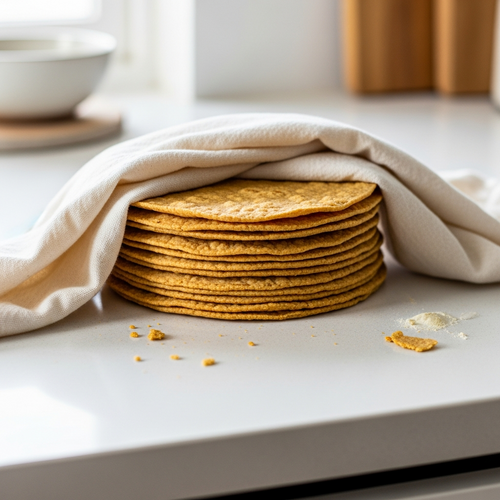
Description: A simple, game-changing recipe for soft, pliable, high-protein tortillas. Perfect for tacos, wraps, and quesadillas, these tortillas are designed to crush cravings and support fat loss without sacrificing flavor or your favorite meals.
Prep Time: 15 minutes | Cook Time: 10 minutes
Servings: 8 tortillas
Macros per Serving | Calories: 102 | Protein: 18g | Fat: 1g | Carbohydrates: 5g
Ingredients
- 1 cup vital wheat gluten
- 1/2 cup unflavored whey or soy protein isolate
- 1/4 cup chickpea flour
- 2 tbsp nutritional yeast
- 1 tsp baking powder
- 1/2 tsp salt
- 1/4 tsp garlic powder
- 1/4 tsp onion powder
- 1 cup warm water
- 1 tsp olive oil
Instructions
- In a large bowl, whisk together all dry ingredients: vital wheat gluten, protein isolate, chickpea flour, nutritional yeast, baking powder, salt, and spices.
- In a small bowl, mix the warm water and olive oil. Pour wet ingredients into the dry and stir with a fork until a shaggy dough forms.
- Turn the dough onto a floured surface and knead for 3-5 minutes until smooth and elastic.
- Divide the dough into 8 equal pieces, roll into balls, and let them rest under a damp cloth for 10-15 minutes.
- Roll each ball into a thin, 6 to 7-inch circle.
- Cook on a medium-high, non-stick or cast-iron skillet for 30-60 seconds per side, until puffed and lightly browned.
- Stack cooked tortillas and wrap them in a clean kitchen towel to keep them soft.
Notes
Ensure your protein powder is unflavored isolate for the best texture and neutral taste. Don’t skip the resting step, as it’s crucial for making the dough easy to roll out. Store in an airtight bag in the fridge for up to a week.
FAQs About This High-Protein Tortilla For Weight Loss
Here are some straightforward answers to the most common questions I receive about this high-protein tortilla recipe.
Can I eat this high-protein tortilla every day for weight loss?
Absolutely. In fact, that’s part of the strategy. One of the biggest challenges for people with ADHD is decision fatigue. Having to decide what to eat for every single meal is exhausting and can lead to impulsive, unhealthy choices. Incorporating a reliable staple like this tortilla into your daily routine can simplify things immensely.
By having a go-to base for your meals, you remove a huge mental burden. You know you have a healthy, high-protein option ready to go. That said, remember that fat loss always comes down to being in a consistent calorie deficit. This tortilla is a powerful tool to help you achieve that by managing hunger and providing satisfaction, but it isn’t a magic bullet. You still need to be mindful of your total daily intake and the fillings you pair it with.
Why is this tortilla recipe better than store-bought low-carb tortillas?
This is a great question. While store-bought low-carb tortillas are incredibly convenient, making your own has two major advantages: ingredient control and superior macros. Many commercial low-carb products rely on a lot of added fiber, modified starches, and gums to achieve a tortilla-like texture. This can sometimes cause digestive issues for people and adds ingredients you might not want.
When you make this recipe, you know exactly what’s in it: high-quality protein and basic pantry staples. There are no preservatives, weird fillers, or mystery ingredients. Furthermore, this homemade version is often significantly higher in protein than most store-bought options. You get a much bigger bang for your buck in terms of satiety and muscle-building potential, which is a huge win for a sustainable fat loss plan.
Will the vital wheat gluten in this tortilla make me bloated?
This is a valid concern, especially with all the talk about gluten. Vital wheat gluten is pure wheat protein, and it’s what gives these tortillas their fantastic structure. For the vast majority of people, it’s perfectly fine. If you do not have celiac disease or a diagnosed non-celiac gluten sensitivity, you are unlikely to have any issues with it.
Sometimes, people confuse the effects of refined carbohydrates in traditional bread products with the effects of gluten itself. Since this recipe is very low in carbs and high in protein, the experience of eating it is very different from eating a regular flour tortilla. As with any food, the best advice is to listen to your body. If you eat one and feel great, then you’re good to go. If you know you are sensitive to gluten, then this specific recipe would not be a good fit.
What’s the best protein powder to use for this tortilla recipe?
The type of protein powder you use here matters quite a bit for the final texture. My strong recommendation is to use an unflavored whey protein isolate or a soy protein isolate. The term “isolate” is key. Isolates have been processed to remove most of the fat and carbohydrates, leaving a very high concentration of protein. This purity helps create a clean flavor and a great texture without adding unwanted extra macros.
I advise against using standard whey concentrate, as it contains more fat and lactose, which can make the tortillas greasy or slightly gummy. Also, definitely avoid using sweetened or flavored protein powders. A vanilla or chocolate-flavored tortilla might sound interesting, but it makes for a very strange taco. Stick with unflavored isolate for the most versatile and best-tasting result.
My tortilla dough is too sticky or too dry. What did I do wrong?
You didn’t do anything wrong! This is the most common issue when making any kind of dough, and it’s usually an easy fix. The consistency of dough can be affected by many small variables, like the humidity in your kitchen, the specific brand of protein powder you use, or how you measured your flour.
If your dough is super sticky and hard to handle, it just means you have a little too much moisture. Sprinkle in about a teaspoon of vital wheat gluten and knead it in. Repeat if necessary until the dough is smooth and manageable. If the dough is dry and crumbly and won’t come together, it needs more water. Add water just one teaspoon at a time, kneading after each addition, until it forms a cohesive ball. This dough is very forgiving, so don’t panic or throw it out. A small adjustment is usually all it takes to get it just right.
Try These High-Protein Recipes Next
If you loved how simple and effective this recipe is, here are a few other high-protein meals that fit perfectly into a sustainable fat-loss lifestyle.
- High-Protein Chicken Tortilla Soup: A rich and flavorful soup that’s packed with protein to keep you full for hours. It’s perfect for meal prep.
- Healthy Birria Tacos: An incredibly delicious, low-calorie take on the viral taco trend. The slow-cooked meat is tender, juicy, and perfect for these homemade tortillas.
- Easy Chicken Tortilla Soup by This Gal Cooks: Another fantastic and simple approach to a classic comfort soup, perfect for a busy weeknight.
Building a collection of go-to recipes is one of the best ways to stay consistent and reach your goals.