
Tuna salad has always been one of those comfort foods for me. Growing up, it meant a simple lunch my mom would whip up, usually loaded with mayonnaise and served on classic white bread. It was delicious, but it was also a calorie bomb that left me feeling sluggish.
When I started my fitness journey, the one where I lost 65 pounds, I knew I had to overhaul my diet. Food is 75 percent of the battle, and my old favorites weren’t going to cut it. I tried cutting out things I loved completely, but that just led to cravings and feeling deprived. It was a cycle of restriction and bingeing that felt impossible to break, especially with an ADHD brain that seeks dopamine from food.
I realized the answer wasn’t cutting things out. It was about making them better. I needed a version of tuna salad that was packed with protein, kept me full for hours, and didn’t derail my fat loss goals. I wanted something that was still creamy and flavorful but worked for my new lifestyle, not against it.
This recipe is the result of years of experimenting. It ditches the mayo for Greek yogurt and cottage cheese, which sounds weird, but trust me. It doubles down on the protein and creates an incredible texture. It’s the perfect ADHD-friendly meal prep because it’s fast, requires zero perfection, and keeps you on track even on your lowest motivation days.
Skip to My Flexibe Diet Recipe!
Why Tuna Salad Is Great For Fat Loss
When you’re trying to lose fat, the name of the game is managing hunger and staying in a calorie deficit without feeling miserable. That’s where this high-protein tuna salad becomes a superpower in your meal plan.
Let’s break down why it works. First, protein is the most satiating macronutrient. It keeps you feeling full longer than carbs or fats. This recipe is absolutely loaded with it. We have tuna, Greek yogurt, cottage cheese, and hard-boiled eggs all working together. A high-protein meal sends signals to your brain that you’re satisfied, which helps crush the random cravings that can pop up, a common struggle for those of us with ADHD.
Second, this recipe is designed for blood sugar stability. By minimizing processed carbs and replacing mayo with protein-rich dairy, you avoid the big insulin spikes and subsequent crashes that leave you tired and hunting for your next snack. Stable energy levels are crucial for focus and preventing impulse food choices. This is a meal that provides steady fuel, not a quick burst followed by a slump.
Finally, it’s about convenience and consistency. Fat loss isn’t about one perfect meal; it’s about what you do most of the time. This tuna salad can be made in about 15 minutes and provides multiple servings. Having a delicious, goal-aligned meal ready to go in the fridge is one of the best ways to combat decision fatigue. When you’re hungry and tired, you don’t have to think. You just open the fridge and grab a meal that serves your goals.
Ingredients You’ll Need for Tuna Salad
This recipe is built on simple, powerful ingredients. We focus on maximizing protein and flavor while keeping the process brutally practical. No searching for obscure items at a specialty store. Everything here should be easy to find.
Here’s exactly what you’ll need to make this high-protein tuna salad:
- 2 cans (5 ounces each) solid white albacore tuna in water, drained
- 1/2 cup plain nonfat Greek yogurt
- 1/4 cup cottage cheese
- 2 hard-boiled eggs, chopped
- 1/4 cup diced celery
- 1/4 cup diced red onion
- 2 tablespoons chopped fresh dill
- 1 tablespoon Dijon mustard
- 1 tablespoon fresh lemon juice
- 1/4 teaspoon black pepper
- Pinch of paprika
The key players here are the Greek yogurt and cottage cheese. This combination is our secret weapon. It completely replaces mayonnaise, slashing the fat and calories while dramatically increasing the protein content. The Greek yogurt provides that classic tangy creaminess, while the cottage cheese adds more protein and a subtle, savory base. I prefer using full-fat or 2% cottage cheese for the best texture, but nonfat works too.
A quick note on the tuna. Always opt for tuna packed in water, not oil, to save on unnecessary fats and calories. Solid white albacore tuna has a firmer, meatier texture that holds up beautifully in this salad. Flaking it yourself, rather than buying pre-flaked “chunk light” tuna, makes a huge difference in the final product. And if you can, use fresh dill. It adds a bright, fresh flavor that dried dill just can’t replicate.
How To Make Tuna Salad (Step-By-Step)
One of the best things about this tuna salad recipe is that it’s almost impossible to mess up. It’s a simple “dump, mix, and serve” situation, which is perfect for days when your executive function is low. We’re just combining ingredients in a bowl. No fancy techniques needed.
Step 1: Flake the Drained Tuna
Start by opening your two cans of tuna. Make sure you drain them really, really well. Excess water is the enemy of good tuna salad and will make it soupy. I like to press the lid down firmly into the can over the sink to squeeze out every last drop. Dump the drained tuna into a medium-sized bowl and use a fork to gently flake it apart into smaller pieces. Don’t pulverize it into a paste; you want to leave some texture.
Step 2: Add Creamy Ingredients and Eggs
Now, add the Greek yogurt, cottage cheese, and your chopped hard-boiled eggs to the bowl with the tuna. Use your fork or a spatula to mix these ingredients together until they are well combined. This is where the creamy base of your salad forms. Make sure to break up any large clumps of cottage cheese as you go.
Step 3: Stir in the Veggies and Herbs
Time for the crunch and flavor. Add your diced celery, diced red onion, and chopped fresh dill to the bowl. Stir everything together until the veggies and herbs are evenly distributed throughout the tuna mixture. This step adds texture and a fresh, vibrant taste that cuts through the richness.
Step 4: Add Seasonings and Mix
Finally, add the finishing touches. Drizzle in the Dijon mustard and fresh lemon juice, then sprinkle in the black pepper and a pinch of paprika. Give the salad one last thorough mix to ensure all the flavors are incorporated. Taste it and see if it needs anything else. Maybe a little more pepper or a squeeze more of lemon juice.
Step 5: Chill Before Serving (Optional but Recommended)
This step is optional, but I highly recommend it if you have the patience. Cover the bowl and let the tuna salad chill in the refrigerator for at least 30 minutes. This allows all the flavors to meld together and results in a much tastier final product. If you’re starving and need to eat right away, go for it. Remember, consistency beats perfection.
How To Serve Tuna Salad (ADHD-Friendly)
Having this high-protein tuna salad prepped in the fridge is a game-changer, but how you serve it can make all the difference in staying consistent. We need options that are fast, easy, and require minimal effort or extra cleanup, especially on low-energy days.
The goal is to eliminate as much friction as possible between you and a healthy meal. Decision fatigue is real, so having a few go-to serving methods makes it easy to grab something that fits your goals without having to think too hard. Here are some of my favorite brutally practical ways to serve this tuna salad.
- Lettuce Wraps: This is my top choice. Grab a head of butter lettuce, romaine, or iceberg. The leaves act as a perfect, crunchy, low-carb boat for the tuna salad. There’s no cooking, and cleanup is minimal. Just spoon the salad in and eat.
- With Veggie Sticks: Eliminate the need for bread or crackers entirely. Serve a big scoop of tuna salad alongside pre-cut celery sticks, carrot sticks, cucumber slices, or mini bell peppers. It’s a great way to add extra nutrients and fiber.
- On Rice Cakes or High-Fiber Crackers: If you’re craving that classic crunch, opt for a sturdy rice cake or a high-fiber cracker. Look for options with simple ingredients. This provides a satisfying texture without the empty calories of traditional bread.
- Stuffed in an Avocado or Tomato: For a nutrient-dense and visually appealing meal, halve an avocado or hollow out a large tomato and stuff it with the tuna salad. It’s a self-contained meal that looks fancy but takes seconds to assemble.
The best ADHD tip I can give you is this: prepare your serving vehicle ahead of time. Wash the lettuce when you make the salad. Cut the veggies and store them in water in the fridge. Keep the crackers in a visible spot. By reducing the number of steps required at mealtime, you make it infinitely more likely that you’ll stick to the plan.
How To Store, Reheat, and Reuse Tuna Salad
Proper storage is key to making this recipe a true meal prep asset. Since it contains dairy and fish, you want to handle it correctly to keep it fresh and safe to eat throughout the week. The good news is, it’s incredibly simple.
Once you’ve made your batch of high-protein tuna salad, the best way to store it is in an airtight container in the refrigerator. This will keep it fresh for up to 3-4 days. I find that the flavor actually gets better on day two as all the ingredients have time to mingle. Make sure your container is sealed tightly to prevent it from drying out or absorbing any other fridge odors.
Here are a few important things to keep in mind for storage and reuse:
- Do Not Freeze: This is a big one. Because our creamy base is made from Greek yogurt and cottage cheese, this tuna salad does not freeze well. The dairy will separate when it thaws, resulting in a watery, grainy texture. It’s best to make a batch you know you can finish within a few days.
- No Reheating Needed: This is a cold salad, so you don’t need to worry about reheating. It’s meant to be eaten straight from the fridge, which makes it the ultimate convenience meal. No microwave, no stovetop, no extra dishes.
- Give It a Stir: After a day or two in the fridge, a little bit of liquid might separate out. This is perfectly normal. Just give the tuna salad a good stir before serving to mix everything back together and restore its creamy consistency.
As for reusing it, get creative! If you get tired of eating it straight, you can easily transform it. My favorite way to switch it up is to make a quick tuna melt. Spoon some of the salad onto a low-carb tortilla or a slice of high-protein bread, top with a slice of provolone or cheddar cheese, and toast it in a pan or air fryer until the cheese is melted and bubbly. It feels like a totally different meal but uses the same healthy base you already prepped.
Easy Swaps & Variations for Tuna Salad
A flexible diet is a sustainable diet. This tuna salad recipe is a fantastic baseline, but you should always feel free to adjust it based on your preferences, what you have on hand, or your specific dietary needs. Perfection is not the goal; finding a version you’ll actually eat consistently is.
The core of this recipe is the protein base, but almost everything else can be swapped or modified. Don’t let a missing ingredient stop you from making a healthy meal. Here are some simple and effective variations to try.
- For a Different Protein: While this is a tuna salad, the base works incredibly well with other proteins. Try using canned salmon or shredded rotisserie chicken for a completely different flavor profile with similar macro benefits.
- To Change the Creamy Base: If you’re not a fan of cottage cheese or Greek yogurt, you can adjust the ratios. Use all Greek yogurt for a tangier flavor, or try blending the cottage cheese first for a smoother texture. You can also sub in a good quality avocado oil mayonnaise, but be mindful that this will increase the fat and calorie content.
- Add More Veggies: Feel free to load it up with more crunch and nutrients. Finely diced bell peppers, shredded carrots, or even some chopped pickles or sweet relish can add great flavor and texture. Just be sure to drain any pickled items well to avoid a watery salad.
- Spice It Up: If you like a bit of heat, add a dash of hot sauce, a pinch of red pepper flakes, or some finely diced jalapeño. For different flavor profiles, try adding curry powder, smoked paprika, or a sprinkle of garlic powder.
Remember, the best recipe is one that fits your life. Use this as a template and experiment. Find the combination of flavors and textures that you love and that makes healthy eating feel easy and enjoyable, not like a chore. That’s the real secret to long-term success.
High-Protein Tuna Salad (No Mayo)
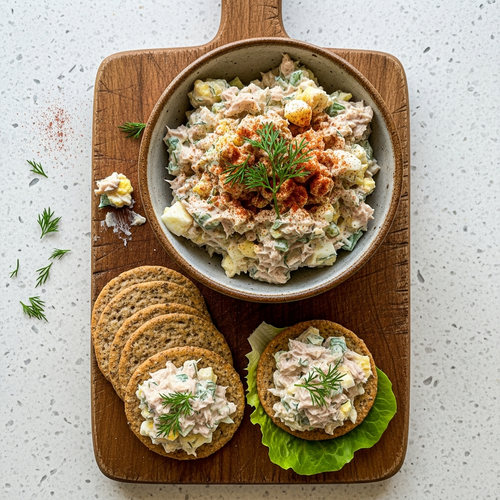
Description: A creamy, flavorful, and incredibly satisfying tuna salad made without a drop of mayonnaise. Packed with protein from tuna, Greek yogurt, cottage cheese, and eggs, this recipe is designed to crush cravings and support your fat loss goals in the most delicious way possible.
Prep Time: 15 minutes | Cook Time: 0 minutes
Servings: 4
Macros per Serving | Calories: 210 | Protein: 35g | Fat: 4g | Carbohydrates: 5g
Ingredients
- 2 cans (5 ounces each) solid white albacore tuna in water, drained
- 1/2 cup plain nonfat Greek yogurt
- 1/4 cup cottage cheese
- 2 hard-boiled eggs, chopped
- 1/4 cup diced celery
- 1/4 cup diced red onion
- 2 tablespoons chopped fresh dill
- 1 tablespoon Dijon mustard
- 1 tablespoon fresh lemon juice
- 1/4 teaspoon black pepper
- Pinch of paprika
Instructions
- In a medium bowl, flake the well-drained tuna with a fork.
- Add the Greek yogurt, cottage cheese, and chopped hard-boiled eggs. Mix until thoroughly combined.
- Stir in the diced celery, red onion, and fresh dill until evenly distributed.
- Add the Dijon mustard, lemon juice, black pepper, and paprika. Mix again until everything is incorporated.
- For best results, cover and refrigerate for 30 minutes before serving to allow flavors to meld.
Notes
Ensure tuna is drained very well to prevent a watery salad. Serve in lettuce wraps, with veggie sticks, or on high-fiber crackers for a complete, healthy meal.
FAQs About Tuna Salad For Weight Loss
Here are some straightforward answers to the most common questions I receive about this tuna salad recipe.
Can you really lose weight eating this tuna salad?
Absolutely. Weight loss fundamentally comes down to maintaining a consistent calorie deficit, meaning you burn more calories than you consume. This tuna salad is specifically designed to make that process easier and more sustainable. Its high protein content is the star player here. Protein requires more energy for your body to digest (a process called the thermic effect of food) and, more importantly, it is incredibly effective at promoting satiety, or the feeling of fullness.
When you eat a serving of this salad, you’re getting a huge dose of protein that will keep you satisfied for hours. This drastically reduces the likelihood of mindless snacking or succumbing to cravings for high-calorie, low-nutrient foods later in the day. By managing your hunger effectively, you can more easily stick to your overall calorie budget. This isn’t a magic bullet, but it’s a powerful tool that makes the reality of a calorie deficit far less challenging.
Is tuna salad healthy to eat every day?
While this tuna salad is packed with nutrients, I wouldn’t recommend eating it every single day. The main reason for this is the potential for mercury exposure from tuna. Albacore tuna, which we recommend for its texture, tends to be higher in mercury than chunk light tuna. The general guideline from the FDA is to consume albacore tuna no more than once a week. For other, lower-mercury fish, 2-3 times per week is often recommended.
Variety is also a crucial component of a healthy, sustainable diet. Eating a wide range of foods ensures you get a broader spectrum of vitamins, minerals, and other micronutrients. More importantly, from an ADHD perspective, eating the same thing every day can lead to food burnout and boredom, which can trigger a spiral into less healthy convenience foods. My advice is to incorporate this tuna salad into a weekly rotation with other high-protein sources like my chicken salad, egg salad, or grilled chicken.
How can I make this tuna salad taste less “healthy”?
I get it. Sometimes you want something that tastes a bit more indulgent without completely derailing your progress. If you find this recipe a little too “clean” for your liking, there are a few simple tweaks you can make. The easiest way is to reintroduce a little bit of the traditional flavor by adding a tablespoon of high-quality avocado oil mayonnaise along with the Greek yogurt. This adds a familiar richness and creaminess.
Another great option is to add a tablespoon of sweet pickle relish. The sweetness and tang can balance the flavors and make it taste more like the classic deli-style tuna salad you might be used to. You could also try using full-fat Greek yogurt or 4% cottage cheese instead of nonfat. The extra fat adds a lot of flavor and improves the texture, making it feel more decadent while still providing excellent macros. Remember, a flexible diet that includes small, planned indulgences is far more sustainable than a rigid one.
What’s the best type of tuna for this tuna salad recipe?
The type of tuna you choose can have a significant impact on the final taste and texture of your salad. For this recipe, I strongly recommend using solid white albacore tuna that is packed in water. “Solid” means it comes in large, firm pieces, which you then flake yourself. This gives you a much better, meatier texture compared to “chunk” style tuna, which is often pre-shredded and can be mushy.
Choosing tuna packed in water over oil is a critical step for fat loss. Tuna packed in oil can have double or even triple the calories and fat content. By choosing tuna in water and draining it well, you get all the protein with none of the extra, unnecessary calories from the packing oil. While chunk light tuna is lower in mercury, its texture is softer, and I find albacore holds up much better with the other ingredients, making for a more satisfying meal.
How do I stop my tuna salad from being watery?
A watery tuna salad is a common and disappointing problem, but it’s easily avoidable with a few key steps. The number one cause of a soupy salad is failing to drain the tuna properly. You need to be aggressive here. After opening the can, use the lid to press down firmly on the tuna, squeezing out as much water as physically possible over the sink. You can even dump the tuna into a fine-mesh sieve and press down with a spoon to get it extra dry.
The second culprit is the vegetables. Celery and onions naturally release water over time. While you don’t need to go to extreme lengths, if you’re particularly sensitive to a watery texture, you can lightly salt your diced celery and onion in a separate bowl and let them sit for 10-15 minutes. The salt will draw out excess moisture, which you can then pat away with a paper towel before adding the veggies to the salad. Following these two steps will ensure your tuna salad stays thick, creamy, and delicious.
Try These High-Protein Recipes Next
If you loved this simple and effective recipe, here are a few others that follow the same principles of high protein, great flavor, and ADHD-friendly convenience.
- High-Protein Chicken Salad Recipe: A similar concept to this tuna salad, but uses shredded chicken for a different flavor and texture. It’s another meal prep staple in my house.
- The Best High-Protein Egg Salad: This recipe transforms classic egg salad into a macro-friendly powerhouse, perfect for a quick lunch or snack.
- Easy Tuna Salad Recipe (No Egg): For a slightly different take that is also egg-free, this is a great, simple recipe that delivers on classic flavor.
Give these a try to keep your meal rotation interesting and your goals on track.