
I have a complicated relationship with lasagna. On one hand, it’s the ultimate comfort food. Layers of pasta, rich meat sauce, and melted cheese are basically a hug in a casserole dish. On the other hand, traditional lasagna is a project. It’s an all-day affair that leaves my kitchen looking like a disaster zone, which is a perfect recipe for my ADHD brain to get overwhelmed and give up halfway through.
Early in my fitness journey, when I lost 65 pounds, I had to say goodbye to things like traditional lasagna. It was just too calorie-dense and time-consuming to fit into my new lifestyle. But the craving never really went away. I needed that flavor, that comfort, without the guilt or the three-hour cleanup that would inevitably spiral into me just abandoning the kitchen entirely.
That’s what led me to create this high-protein, low-calorie lasagna soup. I wanted to capture everything I loved about the original dish in a format that was quick, easy, and aligned with my fat loss goals. It had to be a one-pot meal to minimize chaos. It needed to be packed with protein to keep me full and crush cravings. And it had to be something I could make even on a low-energy, low-motivation day.
This recipe is the result of that mission. It’s brutally practical, incredibly satisfying, and designed specifically for those of us whose brains crave simplicity and flexibility. It’s proof that you don’t have to give up your favorite foods to build a body you’re proud of. You just have to work with your brain, not against it.
Skip to My Flexibe Diet Recipe!
Why Lasagna Soup Is Great For Fat Loss
When you’re trying to lose fat, the name of the game is sustainability. Drastic diets and cutting out entire food groups just don’t work long-term, especially for the ADHD brain that thrives on novelty but crashes with restriction. This lasagna soup is built on the principle that food is 75 percent of your results, and consistency always beats short-term intensity.
So, how does this soup fit into a fat loss plan? It starts with protein.
We load this recipe with 96% lean ground beef and use bone broth instead of regular broth. Then, we add our secret weapon: blended low-fat cottage cheese. This strategy massively boosts the protein content in each bowl. Protein is critical for fat loss because it keeps you feeling full and satisfied for hours, which is your number one defense against mindless snacking and cravings that can derail your progress.
Next is hunger management through volume. This is a big, hearty bowl of soup. The broth base, combined with finely diced carrots, zucchini, and spinach, adds a ton of volume and fiber for very few calories. This means you can eat a physically large, satisfying meal that “fills the bowl” without filling out your calorie budget. For those of us who struggle with portion control, high-volume foods are a game-changer.
Finally, we prioritize convenience and flavor. This is a one-pot meal. Less cleanup means less executive dysfunction tax, making you more likely to actually cook instead of ordering takeout. By delivering the rich, savory flavors of traditional lasagna, it satisfies a core comfort food craving. This isn’t about restriction. It’s about intelligently redesigning a favorite meal to support your goals, making your fitness journey feel enjoyable instead of like a punishment.
Ingredients You’ll Need for Lasagna Soup
Building a great, macro-friendly recipe is all about smart ingredient choices. We’re not just throwing things in a pot; we’re strategically selecting components that maximize protein, add nutrients, and deliver amazing flavor without excess calories. Here’s what you’ll need for this lasagna soup.
- 1 lb 96% lean ground beef: Using extra-lean ground beef is a simple swap that saves a significant amount of fat and calories while keeping the protein high.
- 1 yellow onion, diced: A classic flavor base for almost any soup or sauce.
- 3 cloves garlic, minced: Don’t be shy with the garlic. You can use pre-minced from a jar to save a step.
- 1 large carrot, finely diced: Adds a touch of sweetness and boosts the vegetable content.
- 1 zucchini, finely diced: This is a great way to bulk up the soup with low-calorie volume. It melts right in.
- 1 tsp olive oil: Just enough to get the cooking process started.
- 1 tbsp Italian seasoning: The perfect blend of herbs to give you that classic lasagna flavor without any effort.
- 1/2 tsp red pepper flakes (optional): For a little bit of warmth and spice. Adjust to your preference.
- Salt and freshly ground black pepper to taste: Essential for bringing all the flavors together.
- 1 (28 oz) can crushed tomatoes: Forms the rich, savory base of our soup.
- 6 cups low-sodium chicken or beef bone broth: Using bone broth instead of regular broth is a key hack for adding extra protein.
- 6 oz protein-enriched or whole wheat lasagna noodles, broken into bite-sized pieces: We’re using a controlled amount of noodles to keep carbs in check while still getting that pasta satisfaction.
- 2 cups fresh spinach: Wilts down to almost nothing, adding tons of nutrients without changing the flavor.
- 1 cup low-fat cottage cheese: This is our secret weapon. Blended until smooth, it replaces ricotta and heavy cream for a massive protein boost and creamy texture.
- 1/4 cup grated Parmesan cheese: For that salty, cheesy finish that every lasagna needs.
- Fresh basil, for garnish: A little bit of fresh herb at the end makes a huge difference.
The star of this recipe is, without a doubt, the blended cottage cheese. So many people are turned off by the texture of cottage cheese, but when you blend it, it becomes incredibly smooth and creamy, almost identical to ricotta but with a far better macro profile. It’s a perfect example of how we can work smarter, not harder, to make our favorite foods fit our goals.
How To Make Lasagna Soup (Step-By-Step)
One of my core principles is that recipes need to be simple and doable even on days when motivation is low. This one-pot lasagna soup is designed to minimize steps and cleanup, so you can get a delicious, healthy meal on the table without overwhelming your executive function. Let’s walk through it.
Step 1: Brown The Beef
First, heat one teaspoon of olive oil in a large Dutch oven or heavy-bottomed pot over medium-high heat. Add the pound of 96% lean ground beef. Use a wooden spoon or spatula to break it up as it cooks. The goal is to get it nicely browned. Because we’re using such lean beef, you likely won’t have much, if any, excess fat to drain. This is a key step for building flavor right from the start.
Step 2: Sauté The Vegetables
Once the beef is browned, add your diced yellow onion, carrot, and zucchini directly to the pot. Sauté everything together for about 5 to 7 minutes. You want the vegetables to soften and the onion to become translucent. Then, stir in the minced garlic and cook for just one more minute until you can smell it. Cooking the garlic briefly like this prevents it from burning and turning bitter.
Step 3: Toast The Spices
Sprinkle the Italian seasoning, red pepper flakes (if you’re using them), salt, and pepper over the meat and veggie mixture. Stir it all together and let it cook for about 60 seconds. This step, known as “blooming” the spices, toasts them in the heat and residual oil, which deepens their flavor and makes the whole soup more aromatic.
Step 4: Simmer The Soup Base
Now it’s time to turn this into soup. Pour in the can of crushed tomatoes and the six cups of bone broth. Stir everything well, scraping up any browned bits from the bottom of the pot. Bring the liquid to a boil, then immediately reduce the heat to a gentle simmer. This creates the rich, savory broth that everything will cook in.
Step 5: Cook The Noodles
Add your broken lasagna noodles to the simmering pot. Make sure to give it a good stir right away to prevent the noodles from clumping together. Let the soup continue to simmer for 10 to 12 minutes, or until the noodles are cooked to al dente. They should be tender but still have a slight bite.
Step 6: Blend The Cottage Cheese
While the soup is simmering, it’s time for our high-protein magic trick. Place the cup of low-fat cottage cheese into a small blender or food processor. Blend it on high until it’s completely smooth and creamy, with no lumps remaining. This should only take about 30 to 60 seconds. This step is non-negotiable for that perfect creamy texture.
Step 7: Wilt The Spinach
Once the noodles are cooked, grab your fresh spinach and stir it directly into the hot soup. It might look like a lot, but it will wilt down in a matter of seconds. This is the easiest way to add a powerhouse of nutrients to your meal.
Step 8: Make It Creamy
Finally, remove the pot from the heat. Pour in your blended cottage cheese and the grated Parmesan cheese. Stir gently until everything is fully combined and the soup has a rich, creamy consistency. Don’t boil the soup after adding the cheese mixture, as it can sometimes cause dairy to separate.
Step 9: Garnish and Serve
Ladle the hot soup into bowls. For that final touch of freshness and flavor, garnish with some fresh basil. Now you’re ready to enjoy a delicious, guilt-free bowl of lasagna soup.
How To Serve Lasagna Soup (ADHD-Friendly)
Once your beautiful pot of lasagna soup is ready, the final step is serving it in a way that feels satisfying and supports your goals. With ADHD, we want to make mealtime as simple as possible to avoid decision fatigue. The beauty of this soup is that it’s a complete meal in a bowl. It has your protein, your carbs, your veggies, and your fat all in one place.
You don’t need to overthink side dishes. A simple side salad with a light vinaigrette is a great option if you want some extra greens, but it’s not necessary. Use pre-washed, bagged salad greens to make it a zero-prep addition. Sometimes I’ll have a slice of high-protein bread for dipping, but the soup is designed to be perfectly filling all on its own.
Here are a few ADHD-friendly serving tips to make your life easier:
- Portion It Out Immediately: As soon as the soup is done, ladle it into single-serving containers for the week ahead. This is a “future you” problem-solving technique. When you’re hungry and need a quick meal, it’s already portioned and ready to grab. No thinking, no measuring, just reheating.
- Create a Toppings Bar: If you’re serving family or just want some variety, set out small bowls of extra Parmesan, fresh basil, and maybe some red pepper flakes. This little bit of customization can help fight flavor boredom without adding a ton of extra work or calories.
- Use One Big Bowl: Don’t create extra dishes for yourself. Serve your soup in a large bowl that’s big enough to contain any splashing. Fewer dishes to wash means less resistance to cleaning up later. It’s a small thing, but these small things add up.
The goal is to make healthy eating feel effortless. This soup is your base, a delicious and reliable meal you can count on. By keeping the serving process simple and preparing for future low-energy moments, you set yourself up for consistent success, which is the only thing that matters in a sustainable fat loss journey.
How To Store, Reheat, and Reuse Lasagna Soup
Meal prep is one of the most powerful tools for anyone on a fitness journey, especially for those of us with ADHD. Having healthy, delicious food ready to go eliminates the “what’s for dinner?” panic that so often leads to unhealthy choices. This lasagna soup is an absolute superstar for meal prep, but there are a few things to know about storing and reheating it for the best results.
Leftover soup can be stored in an airtight container in the refrigerator for up to 4-5 days. The flavors will actually meld together and become even more delicious overnight. This makes it perfect for lunches or quick dinners throughout the week.
Here’s how to handle storing and reheating to keep your soup tasting great:
- Mind The Noodles: The one thing to be aware of is that the lasagna noodles will continue to absorb liquid as the soup sits in the fridge. This will cause them to soften and the soup to thicken. Most people don’t mind this at all, but if you’re sensitive to texture and prefer your noodles al dente, you have an option. You can cook the noodles separately and store them in a different container. Add your desired amount of noodles to your bowl right before reheating. This is an extra step, so only do it if it truly matters to you.
- Reheating on the Stovetop: The best way to reheat the soup is in a small saucepan on the stove over medium-low heat. Stir occasionally until it’s heated through. If the soup has thickened too much, you can add a splash of water or broth to thin it back out to your desired consistency.
- Reheating in the Microwave: For ultimate convenience, the microwave works perfectly fine. Place a serving in a microwave-safe bowl, cover it with a paper towel to prevent splatters, and heat for 2-3 minutes, stirring halfway through, until it’s hot. Again, add a splash of liquid if needed.
- Freezing Instructions: This lasagna soup also freezes beautifully. Let it cool completely, then pour it into freezer-safe containers or zip-top bags. It will last for up to 3 months. To serve, thaw it overnight in the refrigerator and reheat using the methods above. I recommend freezing without the noodles if possible and adding fresh ones when you reheat for the best texture.
By making a big batch of this soup, you’re investing in your future self. You’re guaranteeing that you have a healthy, satisfying meal ready for those chaotic moments when you have zero time or energy to cook. That is how you build a truly sustainable lifestyle.
Easy Swaps & Variations for Lasagna Soup
One of the keys to long-term success with any eating plan is flexibility. You need to be able to adapt recipes based on what you have on hand, your dietary needs, or just what you’re in the mood for. This lasagna soup recipe is incredibly forgiving and easy to modify. Think of it as a template, not a rigid set of rules.
If you’re looking to change things up, here are some simple and effective swaps and variations that work beautifully with this recipe. These allow you to adjust for cost, macros, or ingredient availability without sacrificing the core deliciousness of the soup.
- Protein Swaps: If you’re not a fan of ground beef or want to lower the fat content even more, you can easily substitute it. Lean ground turkey or ground chicken are fantastic alternatives. For a vegetarian option, you could use a plant-based ground “meat” product or even lentils, though you’ll want to adjust the seasoning and simmering time accordingly.
- Noodle Alternatives: Don’t have lasagna noodles? No problem. Any short, sturdy pasta like rotini, penne, or even broken spaghetti will work. For a lower-carb or gluten-free version, use your favorite gluten-free pasta or chickpea-based pasta for an extra protein and fiber boost. Just be sure to cook it according to its package directions.
- Vegetable Additions: This soup is a great vehicle for sneaking in more vegetables. Feel free to add diced bell peppers, mushrooms, or even some chopped kale along with the spinach. If you have leftover roasted vegetables, you can chop them up and stir them in at the end. This is a perfect “clean out the fridge” meal.
- Spice It Up or Down: The level of heat is totally up to you. If you love spice, add a bit more red pepper flakes or even a dash of cayenne pepper. If you’re sensitive to heat, you can omit the red pepper flakes entirely. The Italian seasoning provides a solid flavor base that stands on its own.
Remember, the goal is to create a meal that you genuinely enjoy and that fits your life. Don’t be afraid to experiment a little. The worst-case scenario is that you have a slightly different, but still delicious, pot of soup. The best-case scenario is that you discover a new favorite combination that you’ll make again and again. That’s what flexible eating is all about.
High-Protein, Low-Calorie Lasagna Soup
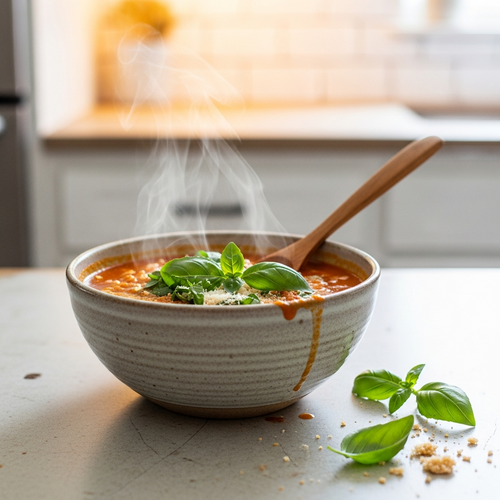
Description: All the rich, comforting flavor of classic lasagna in a simple, one-pot soup. This recipe is packed with protein and vegetables to support fat loss goals while satisfying cravings for your favorite comfort food.
Prep Time: 15 minutes | Cook Time: 30 minutes
Servings: 6
Macros per Serving | Calories: 410 | Protein: 38g | Fat: 12g | Carbohydrates: 35g
Ingredients
- 1 lb 96% lean ground beef
- 1 yellow onion, diced
- 3 cloves garlic, minced
- 1 large carrot, finely diced
- 1 zucchini, finely diced
- 1 tsp olive oil
- 1 tbsp Italian seasoning
- 1/2 tsp red pepper flakes (optional)
- Salt and freshly ground black pepper to taste
- 1 (28 oz) can crushed tomatoes
- 6 cups low-sodium chicken or beef bone broth
- 6 oz protein-enriched or whole wheat lasagna noodles, broken into bite-sized pieces
- 2 cups fresh spinach
- 1 cup low-fat cottage cheese
- 1/4 cup grated Parmesan cheese
- Fresh basil, for garnish
Instructions
- Heat olive oil in a large Dutch oven over medium-high heat. Add ground beef and cook until browned, breaking it up with a spoon.
- Add diced onion, carrot, and zucchini. Sauté for 5-7 minutes until softened. Stir in garlic and cook for 1 more minute.
- Sprinkle in Italian seasoning, red pepper flakes, salt, and pepper. Stir and cook for 1 minute.
- Pour in crushed tomatoes and bone broth. Bring to a boil, then reduce heat to a simmer.
- Add broken lasagna noodles and simmer for 10-12 minutes, until al dente.
- While soup simmers, blend cottage cheese in a blender until completely smooth.
- Stir fresh spinach into the soup until it wilts.
- Remove from heat. Stir in the blended cottage cheese and Parmesan cheese until creamy.
- Serve hot, garnished with fresh basil.
Notes
For best texture in leftovers, you can cook and store the noodles separately, adding them to individual portions when reheating.
FAQs About Lasagna Soup For Weight Loss
Here are some straightforward answers to the most common questions I receive about this lasagna soup recipe.
Can I make this lasagna soup in a slow cooker?
Yes, you can absolutely adapt this lasagna soup recipe for a slow cooker, which is a fantastic option for those super busy days. To do it, you’ll want to first brown the ground beef with the onions, carrots, zucchini, and garlic on the stovetop as directed. This step is important for developing flavor and you don’t want to skip it. After the veggies are soft and the beef is cooked, drain any fat and transfer the mixture to your slow cooker.
From there, add the seasonings, crushed tomatoes, and bone broth. Stir everything together, put the lid on, and cook on low for 6-8 hours or on high for 3-4 hours. About 30 minutes before you’re ready to serve, stir in the broken lasagna noodles and turn the slow cooker to high. Let the noodles cook directly in the soup until they are tender. Once the noodles are done, follow the final steps of stirring in the spinach until it wilts, then adding the blended cottage cheese and Parmesan cheese off the heat. It’s a great way to come home to a nearly finished meal.
How do I make this lasagna soup creamier without adding a lot of fat?
The secret to the creaminess in this lasagna soup is the blended low-fat cottage cheese. This is a non-negotiable step in the recipe for achieving that rich, satisfying texture without the heavy cream or full-fat ricotta cheese found in traditional lasagna. When you blend cottage cheese, its lumpy texture transforms into a silky smooth cream that is incredibly high in protein and low in fat. It seamlessly melts into the soup broth, giving it body and richness.
If you want it even creamier, you could slightly increase the amount of cottage cheese to 1.5 cups. Another option is to use an immersion blender to briefly pulse the soup a few times before adding the noodles and spinach. This will break down some of the tomatoes and vegetables, which can help thicken the base. However, the blended cottage cheese is really the most effective and macro-friendly tool here. It’s the key hack that delivers that luxurious mouthfeel while keeping the recipe perfectly aligned with fat loss goals.
What’s the best way to prevent the noodles in lasagna soup from getting mushy?
Mushy noodles are a common issue with any pasta-based soup, especially when it comes to leftovers. The pasta continues to absorb liquid as it sits, which can lead to a soft, sometimes unpleasant texture. The most foolproof method to prevent this in your lasagna soup is to cook the noodles separately from the main pot of soup.
Simply boil the broken lasagna pieces in a separate pot of salted water according to the package directions until they are al dente. Drain them and toss with a tiny bit of olive oil to prevent sticking. Store the cooked noodles in a separate airtight container in the refrigerator. When you are ready to eat, place a portion of the cooked noodles in your bowl and ladle the hot soup over them. This ensures your noodles have the perfect texture every single time. While it does create an extra pot to wash, it’s the best solution for anyone who is particular about their pasta texture, especially when meal prepping for the week.
Is this high-protein lasagna soup recipe good for meal prep?
This lasagna soup is one of my absolute favorite recipes for meal prep. It’s designed for it. It makes a large batch, it stores incredibly well in the refrigerator for up to five days, and the flavors actually get better over time as they have a chance to meld together. Having a few portions of this waiting for you is a powerful defense against making poor food choices when you’re tired and hungry after a long day.
To set yourself up for success, I recommend portioning the soup into individual, microwave-safe containers as soon as it has cooled down. This removes all friction when it’s time for a meal. You just grab one container, reheat it, and you have a perfectly balanced, high-protein meal in minutes. This strategy is especially helpful for the ADHD brain because it eliminates decision fatigue. You don’t have to think about what to eat or how much to serve yourself; the healthy choice is the easy choice because you already made it for your future self.
Can I use regular ground beef instead of lean in this lasagna soup?
You can certainly use a higher-fat ground beef, like 80/20 or 85/15, in this lasagna soup recipe if that’s what you have on hand. The flavor will be fantastic, as fat does carry flavor. However, it’s important to be mindful of the impact this will have on the nutritional information, particularly the total calories and fat content. This recipe was specifically designed for fat loss, and using 96% lean ground beef is a key part of keeping the macros in check.
If you do use a fattier ground beef, it is absolutely essential that you thoroughly drain all of the excess grease from the pot after browning it. Sauté the beef first, then tilt the pot and use a spoon to scoop out as much of the rendered fat as possible before adding your vegetables. This one step can remove a significant amount of extra calories and saturated fat from the final dish. While the macro profile will still be different from the original recipe, thorough draining will bring it much closer and allow you to enjoy the soup without completely derailing your calorie targets for the day.
Try These High-Protein Recipes Next
If you loved the simple, satisfying, and macro-friendly approach of this soup, I think you’ll enjoy these other recipes as well.
- The Best High-Protein Lasagna Recipe: When you have a bit more time and want the real, layered deal, this recipe packs over 50 grams of protein per slice.
- Easy High-Protein Chili Recipe: Another one-pot wonder that’s perfect for meal prep and loaded with flavor and protein to keep you full for hours.
- Easy Lasagna Recipe with Cottage Cheese: A great resource that also champions the cottage cheese hack for a healthier, protein-packed lasagna.
Building a library of simple, repeatable meals is the key to making your fitness journey a permanent lifestyle.