
If you told me a few years ago that a bagel would be a core part of my fat loss journey, I would have laughed. Back then, I was a single dad with ADHD, staring down the scale at 65 pounds I needed to lose. Bagels were on my “never eat” list. They were delicious, carby traps that I knew would lead to a crash and more cravings.
For me, a traditional bagel was a guaranteed way to feel sluggish an hour later. It was a quick burst of energy followed by a nosedive in focus and motivation. That’s a bad combination for anyone, but for an ADHD brain, it’s a recipe for a completely derailed day.
But I missed them. I missed that chewy texture, the convenience of a quick breakfast, and the simple satisfaction of a warm everything bagel. So, I got to work. I needed to create a bagel that worked *with* my brain and my body, not against them. One that was packed with protein to keep me full, managed my hunger, and didn’t spike my blood sugar into the stratosphere.
This recipe is the result of that mission. It’s a game-changer for anyone who loves bread but needs their food to fuel their goals. This is the bagel that helped me lose the weight and keep it off, even before I started medication. It’s brutally practical, delicious, and designed for a busy life.
Skip to My Flexibe Diet Recipe!
Why These Bagels Are Great For Fat Loss
Let’s get straight to it. The number one reason this bagel recipe works for fat loss is protein. Each bagel is absolutely loaded with it. We’re talking about a level of protein that crushes the original, carb-heavy version you’d buy at a shop. This isn’t just about building muscle; it’s about managing the biggest obstacle in any diet: hunger.
Protein is the most satiating macronutrient. That’s a fancy way of saying it makes you feel full and keeps you feeling full for longer. When you start your day with one of these bagels, you’re not just eating breakfast. You are sending a powerful signal to your brain that you are satisfied. This drastically reduces the odds of mindless snacking or intense cravings hitting you mid-morning.
For the ADHD brain, this is critical. Cravings often stem from a need for a quick dopamine hit. When your blood sugar is on a rollercoaster from eating simple carbs, those cravings become overwhelming. A high-protein breakfast stabilizes your energy and mood, making it easier to stick to your plan. You’re not fighting your own biology all day long.
We also keep the other macros in check. By using whole wheat flour and a low-calorie sweetener, we get the classic bagel satisfaction without the massive carb load and empty calories. This gives you flexibility in your diet. You can enjoy a real, satisfying bagel and still have plenty of calories left for your other meals. It’s a sustainable approach. It’s not about restriction, it’s about making smarter, more effective choices that deliver the same, if not better, satisfaction.
This is the core of the ADHD FIT philosophy. We build systems that support our goals without demanding perfection. This bagel recipe is a perfect example. It’s a simple food swap that has a massive impact on hunger, cravings, and consistency.
Ingredients You’ll Need for Bagels
The magic of this high-protein bagel recipe comes from a few smart ingredient choices. There’s nothing here you can’t find at a regular grocery store or online. Simplicity is key, especially on days when executive function is low.
Here’s exactly what you’ll need:
- 1 cup vital wheat gluten
- 1/2 cup whole wheat flour
- 1/4 cup unflavored whey or plant-based protein powder
- 2 teaspoons baking powder
- 1 teaspoon kosher salt
- 1/2 teaspoon xanthan gum
- 2 tablespoons granulated monk fruit sweetener or stevia blend
- 1 cup plain non-fat Greek yogurt
- 1/4 cup water
- 1 tablespoon everything bagel seasoning (or other desired toppings)
The absolute powerhouse ingredient here is the vital wheat gluten. This is what gives the bagel its signature chewy, bread-like texture. It’s essentially pure gluten protein extracted from wheat flour. Using it as our primary “flour” is how we jack up the protein content while keeping the carbs relatively low. Don’t skip this one; regular flour won’t give you the same result.
For the protein powder, make sure it’s unflavored. A vanilla or chocolate-flavored bagel might sound interesting, but it can create a strange, overly sweet flavor profile. An unflavored whey, casein, or even a plant-based blend will work perfectly, adding a protein boost without interfering with the classic bagel taste.
Finally, using plain non-fat Greek yogurt is a non-negotiable. It provides moisture, a slight tang, and another significant hit of protein. The acidity in the yogurt also reacts with the baking powder to help the bagels rise without needing yeast. It’s a fantastic shortcut that makes this recipe fast and foolproof.
How To Make Bagels (Step-By-Step)
Step 1: Preheat Oven and Prep Your Pan
First things first. Let’s get the oven going. Set it to 375°F (190°C). This is a crucial step for ADHD brains because it’s a form of “clearing the runway.” While the oven heats up, you can gather your ingredients without feeling rushed. Grab a baking sheet and line it with parchment paper. This makes cleanup incredibly easy, which removes a major barrier to cooking regularly.
Step 2: Combine the Dry Ingredients
In a large mixing bowl, add all your dry ingredients. That means the vital wheat gluten, whole wheat flour, unflavored protein powder, baking powder, salt, xanthan gum, and your low-calorie sweetener. Use a whisk to mix them together thoroughly. You want to make sure the baking powder and salt are evenly distributed so your bagels rise properly and are seasoned consistently.
Step 3: Add Wet Ingredients and Form Dough
Now, add the non-fat Greek yogurt and the water to the bowl of dry ingredients. Start mixing with a sturdy spatula or wooden spoon. The mixture will look messy and shaggy at first, and you might think it’s not coming together. Trust the process. Keep mixing until a rough ball of dough forms. It will be dense and not as sticky as traditional bread dough.
Step 4: Knead the Dough Briefly
Turn the dough out onto a lightly floured surface. You don’t need much flour, just enough to prevent sticking. Knead the dough for just 2 to 3 minutes. We are not trying to develop gluten like in traditional bread; we are just making sure everything is fully combined into a smooth, cohesive ball. The dough will feel firm and elastic.
Step 5: Shape Your Bagels
Using a bench scraper or a knife, divide the dough ball into 6 equal portions. To shape each bagel, take one portion and roll it into a rope that’s about 6 inches long. Then, simply pinch the ends together to form a circle. Don’t stress about making them perfect. Place each shaped bagel onto your parchment-lined baking sheet, leaving a little space between them.
Step 6: Top and Bake
Lightly brush the tops of the bagels with a little bit of water. This acts as a glue for your toppings. Sprinkle them generously with your everything bagel seasoning or whatever else you’re using. Now, place the baking sheet in your preheated oven. Bake for 18 to 22 minutes. You’re looking for them to be golden brown and firm to the touch.
Step 7: Cool Before Serving
This might be the hardest step. Once the bagels are done, transfer them to a wire rack to cool for at least 15 minutes. This allows the inside to finish cooking and sets the texture. Slicing them open while they are piping hot can result in a gummy interior. Patience here pays off in a much better final product.
How To Serve Bagels (ADHD-Friendly)
A high-protein bagel is a fantastic start, but what you put on it can either support your fat loss goals or sabotage them. The key is to think about adding even more protein and healthy fats, turning your bagel into a complete, hunger-crushing meal. For those of us with ADHD, having a few go-to options ready makes healthy eating feel automatic instead of like a chore.
Forget the brick of cream cheese. While delicious, it’s mostly fat and offers very little in terms of satiety. We can do so much better. The goal is to make your meal as satisfying as possible so you aren’t thinking about food again for hours.
Here are some simple, powerful topping combinations that I use all the time:
- The Protein Powerhouse: Mix plain non-fat Greek yogurt or cottage cheese with a scoop of unflavored protein powder and a pinch of salt. It creates a thick, creamy spread that rivals cream cheese but packs an enormous protein punch.
- The Savory Classic: A smear of light cream cheese, a few slices of smoked salmon, and a sprinkle of capers and red onion. Smoked salmon adds high-quality protein and healthy omega-3 fats, which are great for brain function.
- The Breakfast Sandwich: Top a toasted bagel with a cooked egg white patty (you can buy these frozen for convenience), a slice of lean turkey bacon, and a slice of low-fat cheese. It’s a complete, portable breakfast.
My best ADHD-friendly tip is to prep your toppings ahead of time. On Sunday, slice up a red onion and a tomato and store them in the fridge. Portion out smoked salmon into small containers. Mix up a batch of the protein “cream cheese” spread. When you’re in a rush on a weekday morning, all you have to do is toast the bagel and assemble. This removes decision fatigue and makes the healthy choice the easy choice.
How To Store, Reheat, and Reuse Bagels
One of the best things about this bagel recipe is that it’s perfect for batch-prepping. When you have a ready-to-go supply of high-protein bagels, you’re setting yourself up for a week of successful breakfasts and lunches. Storing them correctly ensures they stay fresh and delicious, saving you time and mental energy on busy days.
Unlike store-bought bagels loaded with preservatives, these are best enjoyed within a few days or frozen for long-term storage. Because they don’t have all those additives, their texture can change if left out for too long. But with the right approach, you can keep them nearly as good as new.
Here’s how I handle storage to maximize freshness and convenience:
- For Short-Term (2-3 Days): Store the completely cooled bagels in a paper bag or a bread box at room temperature. A plastic bag can trap moisture and make them soft and soggy. The paper bag allows them to breathe while still protecting them.
- For Mid-Term (Up to 1 Week): If you want them to last a bit longer, you can store them in an airtight container or zip-top bag in the refrigerator. The fridge can dry them out slightly, so toasting them before you eat is highly recommended to bring them back to life.
- For Long-Term (Up to 3 Months): Freezing is the best option for keeping these bagels fresh for weeks. I highly recommend pre-slicing them before you freeze. This is a huge ADHD-friendly hack. It means you can grab a frozen half and pop it directly into the toaster without having to wrestle with a frozen bagel and a knife. Place the sliced bagels in a freezer-safe bag, removing as much air as possible.
To reheat, the toaster is your best friend. A toasted bagel is always superior, but it’s especially true for homemade and refrigerated or frozen ones. Toasting crisps up the exterior and warms the chewy interior perfectly. If you’re reheating from frozen, you may need to use a longer setting or toast it twice on a lower setting to heat it through without burning.
Easy Swaps & Variations for Bagels
One of the core principles at ADHD FIT is flexibility. A recipe is only useful if it can adapt to your life, your pantry, and your preferences. This bagel recipe is a fantastic base, but you can absolutely customize it. Don’t let a missing ingredient stop you from making a batch. Having a few easy swaps in your back pocket is key to staying consistent.
Whether you need to accommodate a dietary preference, use what you have on hand, or just want to experiment with new flavors, this dough is very forgiving. The main thing to protect is the high-protein structure, but even there, you have options. Think of this as a template, not a rigid set of rules.
Here are some simple and effective swaps you can make:
- Flour Variations: While the vital wheat gluten is essential for the chew, you can swap the whole wheat flour. Try using all-purpose flour, bread flour, or even oat flour for a slightly different texture and flavor. Just know that changing this will alter the final nutrition facts slightly.
- Protein Powder Options: Unflavored whey isolate is my go-to, but an unflavored plant-based protein powder (like a soy or pea blend) works just as well. This makes the recipe easy to adapt for those who are dairy-free, provided you also use a plant-based yogurt.
- Sweetener Swaps: If you don’t have a monk fruit or stevia blend, you can use other granulated zero-calorie sweeteners like erythritol. You could even use a tablespoon of real sugar or maple syrup if you don’t mind the extra calories; it won’t break the recipe.
- Flavor & Topping Ideas: The everything bagel seasoning is a classic, but don’t stop there. Try adding dried onion flakes, garlic powder, and herbs directly into the dough. For toppings, consider poppy seeds, sesame seeds, coarse salt, or even a sprinkle of parmesan cheese or cinnamon (if you make a sweeter version).
Feel free to experiment. The worst that can happen is you create a slightly different, but still delicious, high-protein baked good. The goal is to make food that you genuinely enjoy and that fits into your life easily. That’s how you build habits that last.
High-Protein Everything Bagel
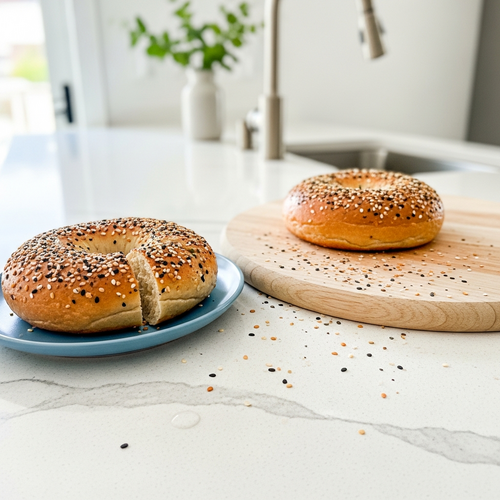
Description: A chewy, satisfying bagel packed with protein to crush cravings and keep you full for hours. This easy, no-yeast recipe is perfect for meal prep and supports a sustainable fat loss lifestyle.
Prep Time: 10 minutes | Cook Time: 20 minutes
Servings: 6 bagels
Macros per Serving | Calories: 148 | Protein: 24g | Fat: 1g | Carbohydrates: 12g
Ingredients
- 1 cup vital wheat gluten
- 1/2 cup whole wheat flour
- 1/4 cup unflavored whey or plant-based protein powder
- 2 teaspoons baking powder
- 1 teaspoon kosher salt
- 1/2 teaspoon xanthan gum
- 2 tablespoons granulated monk fruit sweetener or stevia blend
- 1 cup plain non-fat Greek yogurt
- 1/4 cup water
- 1 tablespoon everything bagel seasoning
Instructions
- Preheat oven to 375°F (190°C) and line a baking sheet with parchment paper.
- In a large bowl, whisk together all dry ingredients: vital wheat gluten, whole wheat flour, protein powder, baking powder, salt, xanthan gum, and sweetener.
- Add the Greek yogurt and water. Mix with a spatula until a shaggy dough forms.
- Turn the dough onto a lightly floured surface and knead for 2-3 minutes until smooth.
- Divide dough into 6 equal portions. Roll each into a 6-inch rope and connect the ends to form a bagel shape.
- Place bagels on the prepared baking sheet, brush lightly with water, and sprinkle with everything bagel seasoning.
- Bake for 18-22 minutes until golden brown and firm.
- Let cool on a wire rack for at least 15 minutes before slicing.
Notes
Make sure to use unflavored protein powder to avoid a strange aftertaste. Pre-slicing the bagels before freezing is a game-changer for quick, easy breakfasts.
FAQs About Bagels For Weight Loss
Here are some straightforward answers to the most common questions I receive about this bagel recipe.
What is the texture of this high-protein bagel like?
This is probably the most important question. If it doesn’t feel like a bagel, you won’t want to eat it. Thanks to the vital wheat gluten, the texture is surprisingly close to a traditional, yeast-risen bagel. It has that signature dense, chewy bite that you expect. It’s not light and fluffy like a dinner roll; it has real substance.
However, it’s important to set realistic expectations. It is not an exact duplicate of a New York deli bagel that has been boiled and baked by a professional. It’s slightly more dense and has a softer crust since we are skipping the boiling step for simplicity and speed. The goal here is to get 90% of the satisfaction with a nutritional profile that is 100% better for your goals. The chewiness is there, the flavor is on point, and when it’s toasted and topped with your favorite spread, it absolutely satisfies the craving.
Can I make this bagel recipe without vital wheat gluten?
Unfortunately, vital wheat gluten is the key ingredient that makes this recipe work. It is not easily replaceable. Vital wheat gluten is what provides the vast majority of the protein and creates the strong, elastic structure that results in a chewy bagel instead of a dense, crumbly muffin. Trying to substitute it with regular flour or another protein powder will result in a completely different texture that will likely be disappointing.
If you have a gluten intolerance or celiac disease, this specific recipe is not for you. There are other gluten-free bagel recipes available online that use alternative flour blends. However, they will not have the same macro profile, as they won’t be built on a base of pure gluten protein. You can find vital wheat gluten in the baking aisle of most well-stocked grocery stores or easily order it online. It’s a staple for high-protein baking.
Why doesn’t this bagel recipe require boiling?
Traditional bagel making involves boiling the shaped dough in water for a minute or two before baking. This process is what creates the famously shiny, slightly crisp crust and helps set the shape. I chose to skip this step intentionally to make the recipe more approachable and ADHD-friendly. Boiling bagels adds another step, another dirty pot, and more time to the process.
For me, a recipe’s sustainability depends on its simplicity. The small improvement in crust texture from boiling wasn’t worth the extra friction it added to the cooking process. On a low-motivation day, that extra step could be the difference between making a healthy breakfast and ordering takeout. These bagels bake up beautifully without boiling, developing a lovely golden-brown crust that is perfectly satisfying, especially once toasted. We are aiming for consistency over perfection.
Is this bagel recipe good for meal prep?
Absolutely. This bagel recipe is one of my go-to meal prep staples. I often double the batch on a Sunday afternoon, which gives me a dozen bagels ready for the week ahead. The entire process, from mixing to baking, takes less than 45 minutes. That’s a fantastic return on your time investment for a week’s worth of high-protein, grab-and-go meal options.
My best advice for meal prepping these is to let them cool completely, slice them in half, and then freeze them in a large freezer bag. By pre-slicing, you eliminate the most annoying part of dealing with frozen bagels. You can pull out a frozen half and pop it straight into the toaster oven or toaster. It’s the ultimate convenience for busy mornings and makes sticking to your nutrition plan feel effortless.
How can I fit this high-protein bagel into my daily macros?
This bagel is designed to be macro-friendly and easy to fit into a fat loss plan. At around 148 calories, 24 grams of protein, and only 12 grams of carbs per bagel, it’s a nutritional powerhouse. Compared to a typical bakery bagel, which can easily have 300+ calories and over 60 grams of carbs with very little protein, the difference is massive. This gives you incredible flexibility.
To incorporate it, think of the bagel as your protein and carb source for a meal. For breakfast, you could have one toasted bagel with a protein spread (like the Greek yogurt and protein powder mix) and some sliced tomato. That’s a meal with over 30 grams of protein for well under 300 calories. For lunch, you could use the bagel to make a sandwich with lean turkey breast, lettuce, and a light mayo. Because the bagel itself is so efficient with its calories, you have plenty of room to add other healthy, satisfying ingredients.
Try These High-Protein Recipes Next
If you enjoyed this simple, high-protein bagel recipe, here are a few other bread-based recipes from our site and around the web that you might love.
- High-Protein Sourdough Bread Recipe: Get the amazing tangy flavor and texture of sourdough in a loaf that’s packed with protein to support your fitness goals.
- The Easiest High-Protein Bread Recipe: This is my go-to recipe for a simple, versatile sandwich bread that’s perfect for daily use and incredibly easy to make.
- Everything Bagel French Toast Casserole: A brilliant and savory twist on a breakfast classic, perfect for using up bagels and impressing guests.
Building a collection of simple, repeatable, and high-protein recipes is the secret to long-term success.