
Before my fitness journey, weekends often meant ordering takeout. And one of my biggest weaknesses was the massive carne asada burrito from the local spot. It was delicious, packed with flavor, but also packed with things that left me feeling sluggish and derailed my goals.
When I started dialing in my nutrition and lost the first 65 pounds, I thought I had to say goodbye to foods like that forever. It felt like a choice between flavor and fitness. That all-or-nothing thinking is a classic ADHD trap, and it almost sabotaged me more than once.
I realized I didn’t have to give up the food I loved. I just had to learn how to make it work for me. This recipe is the result of that realization. It’s a high-protein, incredibly flavorful carne asada that satisfies those intense cravings without the extra calories and fat from a restaurant version.
This is the exact approach that helped me build a sustainable lifestyle. We don’t eliminate; we adapt. We find ways to enjoy food that fuels our body and our brain, making fat loss feel less like a punishment and more like a powerful choice.
It’s simple, flexible, and perfect for meal prep, which is a lifesaver for anyone managing a busy life and an ADHD brain.
Skip to My Flexibe Diet Recipe!
Why Carne Asada Is Great For Fat Loss
When people think about diet food, they usually picture bland chicken and broccoli. That’s a recipe for burnout, especially for an ADHD brain that craves novelty and stimulation. This carne asada recipe is the complete opposite of boring diet food. It’s designed to be a cornerstone of a successful fat loss plan because it hits all our core principles.
First and foremost, it’s built around protein. Flank steak is a lean, protein-dense cut of meat. A high-protein diet is critical for fat loss because it keeps you full for longer, which crushes cravings and reduces the chances of mindless snacking. It also helps preserve muscle mass while you’re in a calorie deficit, ensuring you’re losing fat, not just weight.
Second, we’re managing hunger without sacrificing flavor. The marinade is where the magic happens. We use fresh orange and lime juice, garlic, cilantro, and spices to create an intense, satisfying flavor profile. This isn’t just about making the meat taste good. It’s about providing the sensory satisfaction that prevents your brain from seeking out hyper-palatable junk food later.
Finally, it’s brutally practical. The marinade is simple to mix, and the steak cooks in minutes. You can make a big batch and have a versatile protein source ready for days. This reduces decision fatigue during the week. When you already have delicious, healthy food prepped, you’re less likely to get overwhelmed and order a pizza. This recipe proves that you can eat exciting, delicious food and still see consistent, sustainable fat loss results.
Ingredients You’ll Need for Carne Asada
One of the biggest hurdles to cooking consistently is an intimidating list of ingredients. We keep things simple and focused here. You won’t need to hunt down obscure items at a specialty store. Everything on this list is straightforward and delivers maximum flavor for minimum effort, making this an easy recipe to execute even on low-motivation days.
The star of the show is, of course, the flank steak. It’s a lean, flavorful cut that takes beautifully to a marinade. When you’re at the store, look for a piece that has a consistent thickness so it cooks evenly. This is key to getting that perfect texture throughout.
The secret weapon in our marinade is the combination of fresh orange and lime juice. Don’t be tempted to use the bottled stuff. Squeezing your own citrus takes a few extra minutes, but the bright, vibrant flavor is a complete game-changer. It not only tenderizes the meat but also provides a subtle sweetness that balances the savory spices perfectly. This balance is what makes our carne asada so addictive and satisfying.
- 2 lbs flank steak, trimmed of any excess fat
- 1/2 cup fresh orange juice
- 1/4 cup fresh lime juice
- 1/2 cup chopped fresh cilantro
- 1 jalapeño, minced (seeds removed for less heat)
- 4 cloves garlic, minced
- 2 tablespoons low-sodium soy sauce or coconut aminos
- 1 tablespoon white vinegar
- 1 tablespoon chili powder
- 1 teaspoon ground cumin
- 1 teaspoon dried oregano
- 1/2 teaspoon black pepper
For the soy sauce, using a low-sodium version helps you control the saltiness of the final dish, which is important for managing bloating and overall health. If you are gluten-free or avoiding soy, coconut aminos are an excellent substitute that provides a similar umami depth. The rest of the spices are pantry staples that come together to create that classic, authentic taste we’re aiming for.
How To Make Carne Asada (Step-By-Step)
We build our recipes to work with the ADHD brain, not against it. That means breaking down the process into simple, manageable chunks. There are no complicated techniques here. Just a few clear steps that lead to an amazing result. The key is preparing your marinade and letting it do all the heavy lifting.
Step 1: Mix The Marinade
This is your five-minute task. Grab a large zip-top bag, which is my preferred method because it ensures the steak is fully coated and makes cleanup incredibly easy. If you don’t have one, a glass baking dish works too. Combine the fresh orange juice, lime juice, chopped cilantro, minced jalapeño, minced garlic, soy sauce, vinegar, and all the spices. Give it a quick stir or seal the bag and shake it up to combine everything.
Step 2: Marinate The Steak
Place the flank steak into the bag or dish. Make sure you press the steak down so the marinade covers it completely. Seal it up and place it in the fridge. You need to let this sit for at least 2 hours to let the flavors penetrate the meat. You can go up to 8 hours for a deeper flavor, which is a great ADHD hack. Prep it in the morning, and it’s ready to cook for dinner. Don’t go over 8 hours, though. The citrus is acidic and can start to break down the meat texture if left too long.
Step 3: Grill The Steak
When you’re ready to cook, preheat your grill or a heavy-bottomed grill pan on the stovetop to high heat. You want it screaming hot to get a great sear. Remove the steak from the marinade and let any excess drip off. Discard the leftover marinade. Place the steak on the hot grill. For a perfect medium-rare, cook for 4-7 minutes per side. The exact time will depend on your steak’s thickness. Use a meat thermometer for guaranteed results; you’re looking for 130-135°F.
Step 4: Rest and Slice
This is the most important step that people often skip. Do not skip it. Take the steak off the grill and place it on a cutting board. Let it rest for a full 10 minutes. This allows the juices to settle back into the meat, ensuring every bite is tender and juicy. After it has rested, slice the steak thinly against the grain. Look for the lines running down the meat and cut across them, not parallel to them. This simple technique makes a huge difference in tenderness.
How To Serve Carne Asada (ADHD-Friendly)
The beauty of this carne asada is its versatility. Having a delicious, pre-cooked protein ready to go is a superpower for managing your nutrition with ADHD. It eliminates the friction of having to cook from scratch for every meal, which is often where our best intentions fall apart. We want to make mealtime as easy as possible to ensure consistency.
My goal is always to reduce decision fatigue. Instead of wondering “what’s for dinner?” you can just focus on how you want to assemble your prepped steak. This frees up so much mental energy. Think of the cooked carne asada as your meal-building block for the next few days.
Here are a few brutally practical ways to serve it that support fat loss and fit a busy lifestyle:
- Carne Asada Bowls: This is my go-to. I use a base of cauliflower rice, top it with a generous portion of sliced steak, and add some fat-free refried beans, pico de gallo, and a small scoop of guacamole or a dollop of nonfat Greek yogurt instead of sour cream. It’s a complete meal that’s high in protein and fiber.
- Low-Carb Tacos: Forget the flour tortillas that can easily blow your calorie budget. Use low-carb tortillas, or even better, large lettuce cups (butter or romaine work well). Fill them with the steak, some chopped onion, cilantro, and a squeeze of lime. You get all the taco satisfaction without the heavy carbs.
- Protein-Packed Salads: Take a big bowl of mixed greens and pile on the carne asada. Add other veggies you have on hand, like bell peppers, red onion, and cherry tomatoes. For a dressing, just mix some salsa with a little lime juice. It’s a quick, refreshing, and incredibly filling lunch.
Remember, flexible eating wins. If you want some corn tortillas or a small side of rice, plan for it. The key is making the protein the star of the plate and surrounding it with nutrient-dense options. This structure makes it easy to stay on track without feeling deprived.
How To Store, Reheat, and Reuse Carne Asada
Meal prep is a non-negotiable strategy for anyone with ADHD trying to stick to a fitness plan. Cooking once and eating multiple times saves time, energy, and, most importantly, willpower. This carne asada recipe is perfect for this approach, but only if you know how to store and reheat it properly to keep it tasting great.
The goal is to avoid that sad, dry, chewy leftover steak. A little bit of care after cooking makes all the difference and ensures your future meals are just as delicious as the first one. When your prepped food is appealing, you’re much more likely to eat it instead of reaching for something less healthy.
Here’s my simple system for storing and using leftover carne asada throughout the week:
- Storing: Once the steak has cooled down, store it in an airtight container in the refrigerator. I prefer to keep it sliced, as it makes it easier to grab a portion for a quick meal. It will stay fresh and delicious for up to 4 days. For longer storage, you can freeze it. Place the sliced steak in a freezer-safe zip-top bag, press out all the air, and it will keep for up to 3 months.
- Reheating: The absolute worst way to reheat steak is in the microwave, which tends to make it rubbery. The best method is in a skillet over medium heat. Add a tiny bit of water or beef broth to the pan with the steak and cover it for a minute or two. This gently steams the meat, warming it through without overcooking it. You only need 30-60 seconds per side.
- Reusing (No Reheating Needed): My favorite way to use leftovers is cold. Sliced carne asada is incredible on top of a salad or in a wrap with some greens and salsa. You can also chop it up and mix it into a cold quinoa or black bean salad for a quick and satisfying lunch that requires zero cooking time.
By having this protein ready to go, you’ve done the hard work ahead of time. This makes it incredibly easy to throw together a healthy, high-protein meal in minutes, which is a massive win on days when your executive function is low.
Easy Swaps & Variations for Carne Asada
One of our core principles at ADHD FIT is flexibility. A recipe is a template, not a rigid set of rules. Life happens. You might not have a specific ingredient, or you might want to adjust things to fit your budget or taste. This carne asada recipe is incredibly forgiving and easy to adapt. Don’t let a missing ingredient stop you from making it.
The goal is to build a system that works for you, and that means being able to pivot. Whether you need to make a dietary swap or use a different cut of meat that’s on sale, there are plenty of ways to make this recipe your own while keeping it aligned with your fat loss goals.
Here are some simple and effective swaps you can make:
- Different Cuts of Meat: While flank steak is classic, it can sometimes be pricey. Skirt steak is an excellent, and often more affordable, alternative. It has a slightly richer flavor and works just as well with this marinade. You could also use sirloin steak or even thinly sliced chicken breast or thighs if you’re not in the mood for beef. Just adjust your cooking time accordingly.
- Citrus Variations: No fresh oranges? You can use all lime juice, but you might want to add a tiny bit of a natural sweetener like a teaspoon of honey or agave nectar to the marinade to balance the acidity. Grapefruit juice can also be an interesting substitute for orange juice, adding a different kind of tangy note.
- Spice Level Adjustments: This recipe is mild to medium on the heat scale. If you love spice, leave the seeds in your jalapeño or add a second one. You could also add a pinch of cayenne pepper or a dash of your favorite hot sauce to the marinade. If you don’t want any heat at all, simply leave the jalapeño out entirely. The flavor will still be fantastic.
- For a Soy-Free Marinade: As mentioned in the ingredients, coconut aminos are the perfect one-to-one substitute for soy sauce if you’re avoiding soy or gluten. You could also use tamari, which is a gluten-free soy sauce.
The key is not to get stuck on perfection. Use what you have, make it work for your preferences, and enjoy the process. A good-enough meal you actually make is infinitely better than a “perfect” recipe you never attempt.
ADHD-Friendly Carne Asada Recipe
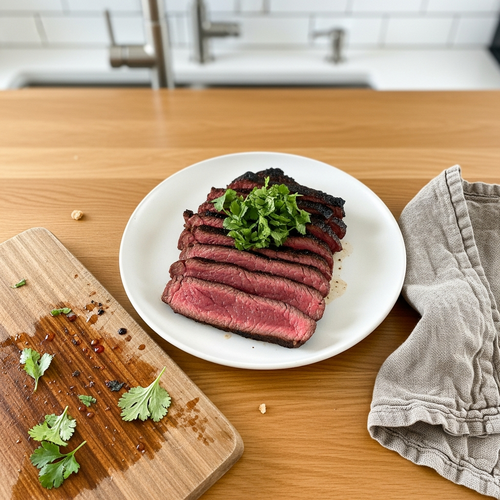
Description: A simple, high-protein carne asada recipe designed for fat loss. This dish is packed with flavor from a fresh citrus and spice marinade, making it a perfect meal prep staple to curb cravings and stay on track.
Prep Time: 5 minutes | Cook Time: 10 minutes
Servings: 8
Macros per Serving | Calories: 250 | Protein: 35g | Fat: 10g | Carbohydrates: 2g
Ingredients
- 2 lbs flank steak, trimmed of any excess fat
- 1/2 cup fresh orange juice
- 1/4 cup fresh lime juice
- 1/2 cup chopped fresh cilantro
- 1 jalapeño, minced (seeds removed for less heat)
- 4 cloves garlic, minced
- 2 tablespoons low-sodium soy sauce or coconut aminos
- 1 tablespoon white vinegar
- 1 tablespoon chili powder
- 1 teaspoon ground cumin
- 1 teaspoon dried oregano
- 1/2 teaspoon black pepper
Instructions
- Combine all ingredients except the steak in a large zip-top bag to create the marinade.
- Add the flank steak to the bag, ensuring it’s fully coated. Refrigerate for at least 2 hours and up to 8 hours.
- Preheat a grill or grill pan to high heat.
- Remove the steak from the marinade, discarding the excess liquid.
- Grill for 4-7 minutes per side, or until the internal temperature reaches 130-135°F for medium-rare.
- Let the steak rest on a cutting board for 10 minutes before slicing thinly against the grain.
Notes
Do not marinate for longer than 8 hours, as the citrus can negatively affect the texture of the meat. Letting the steak rest before slicing is crucial for a juicy, tender result.
FAQs About Carne Asada For Weight Loss
Here are some straightforward answers to the most common questions I receive about this carne asada recipe.
Is carne asada healthy for weight loss?
Yes, carne asada can absolutely be a healthy and effective part of a weight loss plan, but it all comes down to how it’s prepared and what you serve it with. Restaurant versions are often made with fattier cuts of meat and cooked in a lot of oil. They are also typically served in giant burritos or alongside large portions of rice and beans, which significantly increases the calorie count.
Our recipe is designed specifically for fat loss. We start with a lean cut of meat, flank steak, which is high in protein and relatively low in fat. The marinade is made from fresh, whole-food ingredients like citrus juice, herbs, and spices, avoiding the added sugars and unhealthy fats found in many store-bought marinades. By focusing on protein and flavor, this recipe helps keep you full and satisfied, making it easier to stick to a calorie deficit. When you pair it with vegetables, a salad, or cauliflower rice instead of calorie-dense sides, it becomes a powerful tool for reaching your goals.
What is the best cut of meat for carne asada?
The traditional and most popular cut for carne asada is skirt steak. It has a robust, beefy flavor and a texture that soaks up marinade beautifully. However, it is also higher in fat than some other options. For our fat-loss-focused recipe, I recommend flank steak. It’s leaner than skirt steak but still incredibly flavorful and tender when marinated and cooked correctly.
Flank steak has a prominent grain, which makes it very important to slice it correctly (against the grain) to ensure tenderness. If you can’t find flank or skirt steak, sirloin steak, specifically a top sirloin or flap steak, can also work well. They are lean and take well to grilling. The key is to choose a cut that is relatively thin and uniform in thickness, which allows for quick, even cooking over high heat.
Can I make carne asada without a grill?
Absolutely. While an outdoor grill gives you that classic smoky flavor, you can get fantastic results without one. The best indoor alternative is a cast-iron grill pan. You can get it very hot on your stovetop, and the ridges will give you those desirable grill marks and help drain away a little bit of the fat. The key is to make sure the pan is preheated properly before you add the steak to get a good, quick sear.
If you don’t have a grill pan, a regular heavy-bottomed cast-iron skillet is your next best option. It will give you an excellent all-over crust. Just be aware that it might create a bit of smoke, so turn on your kitchen fan. You can also cook carne asada under your oven’s broiler. Place the steak on a broiler pan and position it a few inches from the heat source. Cook for 4-6 minutes per side, watching it closely to prevent burning. No matter which method you use, the resting step after cooking is essential.
How long should I marinate carne asada?
The marinating time is a crucial factor in the final flavor and texture of your carne asada. For this recipe, the sweet spot is between 2 and 8 hours. A minimum of 2 hours is needed for the acidic citrus juices and savory spices to start penetrating the meat, tenderizing it, and infusing it with flavor. If you’re short on time, even one hour is better than nothing, but two is where you’ll start to notice a real difference.
Marinating for 4 to 8 hours will give you a much deeper and more complex flavor profile. This is a great timeframe if you want to prep it in the morning to cook for dinner. However, it’s very important not to marinate it for too long, especially with a citrus-heavy marinade like this one. If you go beyond 8 hours, the acid from the orange and lime juice can start to “cook” the meat (like in ceviche) and break down the proteins too much, resulting in a mushy or mealy texture. Stick to the 8-hour max for the best results.
What are some low-carb side dishes for carne asada?
To keep your meal aligned with fat loss goals, pairing your carne asada with low-carb, nutrient-dense side dishes is key. Instead of the traditional rice and tortillas, you can build an incredibly satisfying plate with vegetables and healthy fats. One of my favorite and easiest side dishes is a simple fajita-style vegetable mix. Just slice up some bell peppers (a mix of colors looks great) and onions and sauté them in a hot skillet with a little bit of oil and a pinch of chili powder until they are tender-crisp.
A fresh and simple salad is another great option. Think mixed greens with some cherry tomatoes, cucumber, red onion, and a light vinaigrette made from lime juice and olive oil. Cauliflower rice is a fantastic substitute for traditional rice to serve alongside or as a base for a burrito bowl. For a creamy element, instead of sour cream, use nonfat plain Greek yogurt, which adds extra protein. A scoop of fresh pico de gallo or your favorite salsa adds a ton of flavor with minimal calories, and a few slices of avocado can provide healthy fats that contribute to satiety.
Try These High-Protein Recipes Next
If you enjoyed this simple and flavorful approach to fat loss, here are a few other recipes you should try.
- ADHD-Friendly Chicken Fajita Recipe: This one-pan meal is another lifesaver for busy weeknights, packed with protein and veggies.
- Easy Chimichurri Recipe for Steak: A bright, fresh sauce that can elevate any grilled meat, including this carne asada.
- Easy Steak Fajita Recipe from This Gal Cooks: Another excellent take on steak fajitas that is simple, quick, and perfect for a healthy meal.
Building a rotation of easy, high-protein meals is the secret to long-term consistency and success.