
Chicken spaghetti used to be one of those dishes I thought I had to give up forever. I grew up on the classic version, the one with canned soup and a block of processed cheese, baked into a bubbly, glorious casserole. It was pure comfort. When I started my fitness journey, losing 65-70 pounds before I was ever medicated for ADHD, I fell into the all-or-nothing trap. Foods like that were “bad,” and I had to eat boring chicken and broccoli to see results.
That rigid mindset was exhausting. It never lasted. My ADHD brain craved satisfaction and rebelled against the bland restriction. I’d stick to a perfect plan for a week, then spiral into a weekend of eating all the things I’d missed. It was a frustrating cycle of intensity followed by burnout, and it wasn’t sustainable.
The real breakthrough came when I stopped banning foods and started rebuilding them. I asked myself: how can I make the things I love work for my goals? This high-protein chicken spaghetti is the answer to that question. It has all the creamy, comforting flavor of the original but it’s built from the ground up to support fat loss, manage hunger, and keep your energy stable.
It’s a perfect example of how we do things at ADHD FIT. We work with our brains, not against them. We build brutally practical systems that deliver results without demanding perfection. This recipe is delicious, easy to make in a big batch, and it will keep you full and satisfied for hours. It proves that you don’t have to choose between food you enjoy and a body you feel great in.
Skip to My Flexibe Diet Recipe!
Why Chicken Spaghetti Is Great For Fat Loss
When you’re aiming for fat loss, the name of the game is sustainability. You can’t just white-knuckle your way through a diet of food you hate. This chicken spaghetti recipe is engineered to feel like a treat while actively working toward your goals, built on the core principles that drive real, lasting results.
First and foremost, we follow the “protein first” rule. This dish is loaded with it. We use a full pound and a half of boneless, skinless chicken breast, which is the gold standard for lean protein. Protein is your best friend during fat loss. It’s highly satiating, meaning it keeps you feeling full and satisfied for much longer than carbs or fats. This crushes the random cravings that can derail your day.
Protein also has a higher thermic effect of food (TEF), meaning your body burns more calories just digesting it. Plus, it’s essential for preserving lean muscle mass while you’re in a calorie deficit, ensuring you’re losing fat, not muscle.
But the real magic is in the sauce. Instead of heavy cream, cream cheese, or processed cheese, we create an incredibly creamy and rich sauce using blended low-fat cottage cheese and non-fat Greek yogurt. This simple swap dramatically cuts the fat and calories while packing in even more high-quality protein. You get all the comfort and flavor without the heavy, sluggish feeling afterward.
We round it out with high-fiber ingredients like whole wheat pasta, mushrooms, peppers, and spinach. Fiber slows down digestion and adds bulk to the meal, further enhancing fullness and keeping your blood sugar stable. This combination of high protein and high fiber is the ultimate weapon for hunger management, preventing the energy crashes and brain fog that many of us with ADHD know all too well. It’s a meal that powers you through your day, not one that sends you to the couch.
Ingredients You’ll Need for Chicken Spaghetti
The beauty of this recipe is its simplicity and reliance on wholesome, powerful ingredients. We’re not using anything complicated here. We’re just making smart, strategic choices that maximize flavor and nutrition. Each component is chosen to support your fat loss goals while delivering a truly satisfying meal.
Here’s exactly what you’ll need to make my high-protein chicken spaghetti:
- 12 oz protein spaghetti or whole wheat spaghetti
- 1.5 lbs boneless, skinless chicken breasts, trimmed of any fat
- 1 tbsp olive oil
- 1 medium yellow onion, diced
- 1 green bell pepper, diced
- 8 oz cremini mushrooms, sliced
- 3 cloves garlic, minced
- 1 tsp dried oregano
- 1/2 tsp red pepper flakes (optional)
- Salt and freshly ground black pepper to taste
- 2 tbsp all-purpose flour (or whole wheat flour)
- 1.5 cups low-sodium chicken broth
- 1 cup low-fat (1%) cottage cheese
- 1/2 cup plain, non-fat Greek yogurt
- 1/4 cup reserved pasta water
- 1/2 cup grated Parmesan cheese
- 2 cups fresh spinach
- 1/4 cup chopped fresh parsley, for garnish
The absolute star of this recipe, the ingredient that makes it all possible, is the low-fat cottage cheese. When you blend it with the chicken broth, it transforms into a perfectly smooth, velvety cream sauce that rivals any traditional Alfredo or cream-based sauce. It’s a game-changing hack that I use in so many of my recipes.
A quick note on a few key ingredients. For the pasta, using a protein-fortified spaghetti is a fantastic way to boost the macros even further. Brands made from chickpeas or lentils are great choices. If you can’t find it, whole wheat spaghetti is an excellent alternative for its fiber content. For the Parmesan, I strongly recommend buying a small block and grating it yourself. The pre-shredded kind contains anti-caking agents that can prevent it from melting smoothly into the sauce. The flavor of freshly grated is just so much better, too.
How To Make Chicken Spaghetti (Step-By-Step)
This recipe is designed to be straightforward, even on a low-energy day. We break it down into simple, manageable steps. The key is to read through the steps once before you start, a great ADHD tip to help visualize the process and prevent feeling overwhelmed. We’ll multitask a bit by cooking the chicken while the pasta water boils, which is a great way to make the process more efficient.
Step 1: Cook The Spaghetti and Reserve Pasta Water
Get a large pot of salted water boiling and cook your spaghetti according to the package directions until it’s al dente. This is important; you want it to have a slight bite because it will continue to cook a little when you toss it in the hot sauce later. Before you drain it, use a mug to scoop out and reserve about a cup of the starchy pasta water. This stuff is liquid gold and helps the sauce cling to the noodles perfectly.
Step 2: Cook and Shred The Chicken
While the pasta is cooking, season your chicken breasts generously with salt and pepper. Heat the olive oil in a large, deep skillet or a Dutch oven over medium-high heat. Cook the chicken for about 6-8 minutes per side. The goal is a nice golden-brown crust and an internal temperature of 165°F. Remove the chicken to a cutting board to rest for a few minutes, which keeps it juicy, then shred it with two forks or dice it into bite-sized pieces.
Step 3: Sauté The Vegetables
In the same skillet, lower the heat to medium. Add your diced onion and bell pepper, and sauté them for 4-5 minutes until they start to soften up. Then, add the sliced mushrooms. Continue cooking, stirring occasionally, for another 5-7 minutes. The mushrooms will release their water first, then start to get nicely browned and flavorful.
Step 4: Add Aromatics and Spices
Stir in the minced garlic, dried oregano, and optional red pepper flakes. Cook for just one minute until you can smell the garlic. This step, called “blooming” the spices, wakes up their flavor and makes the whole dish more aromatic.
Step 5: Make The Roux
Sprinkle the flour over the cooked vegetables. Stir it constantly for about a minute. This cooks out any raw flour taste and creates a light “roux,” which will act as the thickener for our delicious sauce.
Step 6: Blend The Creamy Sauce Base
While your veggies are finishing up, it’s time for the magic trick. Combine the chicken broth and the low-fat cottage cheese in a blender. Blend on high for 1-2 minutes, or until the mixture is completely smooth and creamy. There should be no lumps or graininess left at all.
Step 7: Build The Sauce
Slowly pour the blended cottage cheese mixture into the skillet with the vegetables. Make sure to whisk continuously as you pour. This is key to preventing any lumps from forming. Bring the sauce to a gentle simmer and let it cook for 3-5 minutes, stirring occasionally, until it starts to thicken up.
Step 8: Finish The Sauce with Yogurt and Cheese
Reduce the heat to low. This is a critical step. Stir in the Greek yogurt, grated Parmesan cheese, and about 1/4 cup of your reserved pasta water. Keep stirring gently until the cheese is fully melted and the sauce is smooth. Do not let the sauce boil after adding the yogurt, as it can cause it to curdle.
Step 9: Wilt The Spinach and Combine Everything
Add the fresh spinach to the skillet and stir it into the hot sauce. It will look like a lot at first, but it will wilt down in about a minute. Now, return the shredded chicken and the cooked spaghetti to the skillet. Toss everything together until the chicken and pasta are completely coated in that beautiful, creamy sauce.
Step 10: Adjust and Serve
Give it a final taste and adjust the seasoning with more salt and pepper if needed. If the sauce seems too thick, you can stir in another splash of the reserved pasta water until it reaches your perfect consistency. Serve it hot, garnished with a sprinkle of fresh parsley.
How To Serve Chicken Spaghetti (ADHD-Friendly)
Once the cooking is done, the last thing we need is a complicated serving process. For those of us with ADHD, decision fatigue is real, especially at the end of the day. So, we keep this part brutally simple. This high-protein chicken spaghetti is designed to be a complete, balanced meal all in one bowl.
You have your protein, complex carbs, healthy fats, and a good serving of vegetables all mixed together. There is absolutely no need to make a fancy side dish. The meal is nutritionally complete as it is. Giving yourself permission to serve a one-pot meal is a huge win for consistency. Perfection is the enemy of progress.
My top ADHD-friendly serving tips are all about reducing future effort:
- Portion It Out Immediately: As soon as the dish is done, grab your meal prep containers. Before you even sit down to eat your own portion, divide the rest of the chicken spaghetti into single-serving containers for the next few days. This eliminates the “what’s for lunch tomorrow?” panic and makes grabbing a healthy meal as easy as opening the fridge.
- Keep Sides Simple: If you do want something extra, don’t create more work. A pre-washed, bagged salad kit is a perfect companion. Steamed frozen green beans or broccoli that you can just pop in the microwave are also excellent, no-fuss options.
- Embrace Toppings for Novelty: If you get bored eating the same thing, a simple “topping station” can make leftovers feel new again. Keep things like extra Parmesan, red pepper flakes, your favorite hot sauce, or some crispy onions on hand. This little bit of customization can satisfy the ADHD brain’s need for novelty without requiring you to cook a whole new meal.
The goal is to make healthy eating feel easy and automatic. By front-loading the small effort of portioning, you set your future self up for success. You remove barriers and make the right choice the easiest choice. That’s how you build a sustainable lifestyle, one simple, delicious meal at a time.
How To Store, Reheat, and Reuse Chicken Spaghetti
One of the best features of this chicken spaghetti is how well it holds up as leftovers. Batch cooking is a superpower for anyone with ADHD, as it saves us from having to muster the executive function to cook every single day. Handling leftovers properly ensures your food stays delicious and you actually eat it, preventing food waste.
Here’s the most effective, ADHD-friendly system for storing and reheating your meal prep:
- Storage: The key to not forgetting about your leftovers is visibility. Store the chicken spaghetti in clear, airtight glass containers. When you can easily see the delicious meal waiting for you in the fridge, you’re much more likely to eat it. It will stay fresh in the refrigerator for up to 4 days. I also recommend using a small piece of painter’s tape to label the container with the date.
- Reheating in the Microwave: For a single portion, the microwave is your fastest option. To prevent the pasta from drying out, add a tablespoon of water or chicken broth to the container before heating. Cover it loosely and microwave for 90 seconds, then stir and continue heating in 30-second intervals until it’s warmed through.
- Reheating on the Stovetop: If you’re reheating a larger amount, the stovetop works best. Place the leftovers in a skillet or saucepan over medium-low heat. Add a splash of chicken broth or milk to help loosen the sauce and restore its creaminess. Stir occasionally until it’s heated through.
- Freezing: This recipe freezes surprisingly well! For best results, freeze it in individual portions in freezer-safe containers. It can be stored in the freezer for up to 3 months. To reheat, let it thaw overnight in the refrigerator first, then use either the microwave or stovetop method described above. The sauce may separate a tiny bit upon reheating, but a good stir will bring it right back together.
Having these ready-to-go meals is an incredible tool. It’s your defense against the 5 PM scramble that often leads to ordering takeout. It’s a pre-made, healthy decision that supports your goals and simplifies your life.
Easy Swaps & Variations for Chicken Spaghetti
Flexibility is everything. Life gets busy, grocery stores run out of things, and our tastes can change. A good recipe is one that can adapt. This chicken spaghetti is incredibly forgiving and easy to modify based on what you have on hand or what your dietary needs are. Think of this recipe as a template, not a strict set of rules.
Here are some simple swaps and variations that work great:
- Change Up The Protein: Don’t have chicken breasts? No problem. Lean ground chicken or ground turkey are fantastic substitutes. Just brown the meat with the onions and drain any excess fat before continuing with the recipe. For a lightning-fast option, use a store-bought rotisserie chicken. Just shred the meat and stir it in at the end.
- Use Any Vegetables: The onion, pepper, and mushroom combination is classic, but feel free to clean out your veggie drawer. Chopped zucchini, broccoli florets, asparagus, or even a handful of frozen peas and carrots will work beautifully. This is a great way to prevent food waste and boost the nutrient content.
- Pasta Alternatives: Any pasta shape will do, so use what you have. For a gluten-free version, simply swap in your favorite gluten-free spaghetti or penne. If you’re looking for a lower-carb option, this creamy chicken and vegetable sauce is amazing served over zucchini noodles, spaghetti squash, or even cauliflower rice.
- Spice It Up: If you like more heat, you can add a chopped jalapeño along with the bell pepper, or stir in a can of diced green chiles with the sauce. A pinch of smoked paprika or cayenne pepper can also add a nice, smoky depth of flavor.
- Dairy-Free Option: Making this dairy-free is trickier due to the cottage cheese and yogurt, but it can be done. A blended combination of soaked cashews, nutritional yeast, and unsweetened almond milk can create a similar creamy texture, though the macro profile will be very different, with higher fat and lower protein.
The core of the recipe remains the same: lean protein, lots of veggies, and a creamy sauce. Don’t be afraid to experiment and make it your own. The best healthy meal is the one you’ll actually make and enjoy consistently.
High-Protein Chicken Spaghetti
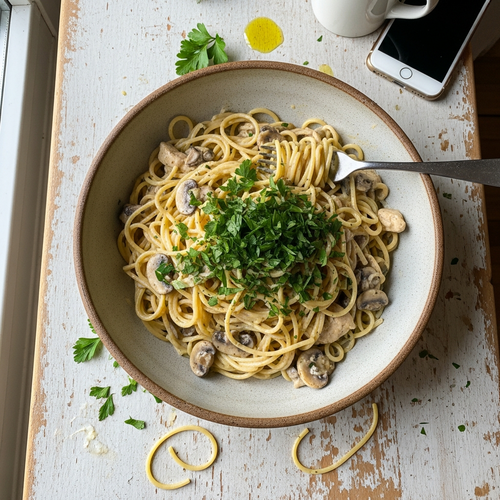
Description: A creamy, delicious, and satisfying chicken spaghetti made with a secret high-protein sauce. This recipe is perfect for fat loss, meal prep, and busy weeknights, designed to keep you full and fight cravings.
Prep Time: 15 minutes | Cook Time: 30 minutes
Servings: 6
Macros per Serving | Calories: 435 | Protein: 57g | Fat: 9g | Carbohydrates: 41g
Ingredients
- 12 oz protein spaghetti or whole wheat spaghetti
- 1.5 lbs boneless, skinless chicken breasts, trimmed
- 1 tbsp olive oil
- 1 medium yellow onion, diced
- 1 green bell pepper, diced
- 8 oz cremini mushrooms, sliced
- 3 cloves garlic, minced
- 1 tsp dried oregano
- 1/2 tsp red pepper flakes (optional)
- Salt and freshly ground black pepper to taste
- 2 tbsp all-purpose flour
- 1.5 cups low-sodium chicken broth
- 1 cup low-fat (1%) cottage cheese
- 1/2 cup plain, non-fat Greek yogurt
- 1/4 cup reserved pasta water
- 1/2 cup grated Parmesan cheese
- 2 cups fresh spinach
- 1/4 cup chopped fresh parsley, for garnish
Instructions
- Cook spaghetti al dente according to package directions. Reserve 1 cup of pasta water before draining.
- While pasta cooks, season chicken with salt and pepper. Cook in a large skillet with olive oil over medium-high heat for 6-8 minutes per side, until cooked through. Remove, rest, then shred or dice.
- In the same skillet, reduce heat to medium. Sauté onion and bell pepper for 4-5 minutes. Add mushrooms and cook for another 5-7 minutes until browned.
- Stir in garlic, oregano, and red pepper flakes. Cook for 1 minute until fragrant. Sprinkle flour over the vegetables and stir for 1 minute.
- In a blender, combine chicken broth and cottage cheese. Blend on high until completely smooth.
- Slowly pour the blended sauce into the skillet, whisking constantly. Bring to a simmer and let it thicken for 3-5 minutes.
- Reduce heat to low. Stir in Greek yogurt, Parmesan, and 1/4 cup of pasta water until smooth. Do not boil.
- Stir in spinach until wilted. Return chicken and spaghetti to the skillet and toss to coat. Add more pasta water if needed to reach desired consistency.
- Season to taste with salt and pepper. Serve immediately, garnished with fresh parsley.
Notes
Using a rotisserie chicken is a great time-saving hack. For best results, use a block of Parmesan cheese and grate it yourself. The sauce may seem thin at first but will thicken as it sits.
FAQs About Chicken Spaghetti For Weight Loss
Here are some straightforward answers to the most common questions I receive about this chicken spaghetti recipe.
Can you really eat chicken spaghetti and still lose weight?
Absolutely, yes. The idea that you have to give up entire food groups or your favorite meals to lose weight is a myth that sets people up for failure. Fat loss comes down to being in a consistent calorie deficit, which simply means you’re consuming fewer calories than your body is burning. The key is to create that deficit in a way that doesn’t leave you feeling hungry, deprived, or miserable.
This recipe is a perfect example of that principle in action. A traditional chicken spaghetti casserole can easily top 800-900 calories per serving, loaded with saturated fat from processed cheese, canned soups, and heavy cream. My version clocks in at around 435 calories while delivering a massive 57 grams of protein. That high protein content, combined with fiber from the veggies and whole-grain pasta, keeps you incredibly full and satisfied. You end up eating fewer calories without feeling like you’re on a diet, which makes it easy to stick to your plan long-term.
How does this chicken spaghetti recipe help with cravings?
Cravings are often a signal from your body or brain. Sometimes it’s a physiological signal, like unstable blood sugar, and sometimes it’s a psychological one, like the ADHD brain seeking dopamine and stimulation. This chicken spaghetti recipe tackles both. First, the massive dose of protein and fiber stabilizes your blood sugar for hours. This prevents the sharp spikes and crashes that come from eating simple carbs and sugar, which are often the root cause of intense, urgent cravings for more junk food.
Second, it satisfies the psychological need for comfort food. When you tell yourself a food is “off-limits,” it becomes all you can think about. This restrictive mindset often leads to a binge-restrict cycle. By intentionally including a delicious, satisfying meal like this one into your plan, you remove the feeling of deprivation. It provides the flavor and creamy texture your brain wants, which helps prevent you from seeking a less healthy, impulsive alternative later. It’s a proactive approach to craving management.
What makes this chicken spaghetti recipe ADHD-friendly?
I design all my recipes with the ADHD brain in mind, focusing on reducing barriers and making the process as seamless as possible. This recipe is ADHD-friendly in several key ways. First, it’s a perfect batch-cooking meal. You cook once and get 5-6 meals out of it. This is huge for overcoming executive dysfunction around daily cooking. It answers the dreaded “what’s for dinner?” question for days.
Second, the ingredient list is flexible. You don’t have to have the exact vegetables; you can use whatever is in your fridge. This reduces the need for a perfectly planned grocery trip, which can be a major hurdle. Third, it allows for shortcuts. Using a rotisserie chicken or pre-chopped vegetables from the store are perfectly valid ways to lower the activation energy required to start cooking. Finally, the cleanup is relatively minimal. While not strictly a one-pot meal, most of the action happens in a single skillet, which simplifies the aftermath.
Can I make this chicken spaghetti recipe without a blender?
You can, but the blender is highly recommended for achieving the best texture. The magic of the sauce comes from blending the cottage cheese until it’s perfectly silky smooth, which completely hides its original texture and makes it taste like a rich cream sauce. If you don’t have a high-speed blender, an immersion (or stick) blender will also work wonderfully.
If you don’t have any kind of blender, your best bet is to push the cottage cheese through a fine-mesh sieve with the back of a spoon. This will help break it down, but you will likely still have a slightly grainy or lumpy texture in the final sauce. You could also try substituting the cottage cheese with more Greek yogurt, but this will alter the flavor and significantly lower the protein content of the dish. The blender is really the key to the secret sauce here.
Is protein spaghetti necessary for this chicken spaghetti recipe?
No, protein spaghetti is not strictly necessary, but I consider it a strategic upgrade for anyone focused on fat loss or muscle building. Think of it as an easy optimization. Standard pasta is primarily carbohydrates, whereas protein-fortified pasta (often made with chickpea, lentil, or soy flour) can add an extra 10-15 grams of protein per serving. This boost makes the entire meal even more satiating and helps you hit your daily protein targets more easily.
However, if you can’t find it or don’t like the taste, don’t let that stop you from making this recipe. Whole wheat spaghetti is an excellent alternative, providing more fiber and micronutrients than white pasta. And honestly, regular white pasta will work just fine too. The vast majority of the protein in this dish comes from the chicken, cottage cheese, and Greek yogurt. The pasta choice is just the final tweak to make a great meal even better.
Try These High-Protein Recipes Next
If you loved this simple and satisfying approach to comfort food, here are a few other recipes you should try next.
- High Protein Chicken Alfredo Recipe: This recipe uses the same blended cottage cheese trick to create an unbelievably creamy and healthy Alfredo sauce you won’t believe is good for you.
- High Protein Chicken Parmesan: A healthier, non-fried take on the Italian-American classic that’s packed with flavor and perfect for a family dinner.
- Easy Chicken Spaghetti from This Gal Cooks: For a more traditional, baked casserole style of chicken spaghetti that is still simple and delicious, check out this great recipe.
Building a list of go-to healthy meals you truly enjoy is the secret to making fitness a permanent part of your life.