
Meatloaf used to be a meal I avoided. Growing up, it was often a dry, dense brick of ground beef with a sugary ketchup glaze. It felt like punishment food, not something you’d ever look forward to eating. So for most of my adult life, I just wrote it off entirely.
Then, during my 70-pound weight loss journey, I rediscovered it. I was a single dad, busy, and needed meals that were simple, high in protein, and made great leftovers. I realized the problem was never meatloaf itself, but the way it was traditionally made. It was packed with breadcrumbs and fatty meat, which left me feeling sluggish and wanting more food an hour later.
I needed a version that would crush cravings and fuel my workouts, not derail them. That’s what led me to create the best meatloaf I’ve ever had. This recipe is moist, packed with flavor, and built to support a fat-loss lifestyle. It’s the ultimate comfort food, re-engineered to work for your goals, not against them.
This is the exact recipe I use for meal prep when I need something reliable, delicious, and easy. It works with the ADHD brain because it’s a simple, forgiving process that delivers big results for minimal effort.
Skip to My Flexibe Diet Recipe!
Why Best Meatloaf Is Great For Fat Loss
When we talk about fat loss, food is about 75 percent of the battle. Workouts are important, but you can’t out-train a bad diet. That’s why building a library of go-to recipes is critical for long-term success. This best meatloaf recipe is a cornerstone of my own plan because it hits all the right notes for sustainable results.
First, it’s built around protein. We use a combination of lean ground beef and turkey to pack a serious protein punch in every slice. Protein is the most satiating macronutrient, meaning it keeps you feeling full and satisfied for longer. This is your number one weapon against mindless snacking and intense cravings.
Second, we manage hunger by replacing empty-calorie fillers like breadcrumbs with nutrient-dense quinoa. The quinoa adds fiber and complex carbs, which helps stabilize blood sugar and prevents the energy crash that often follows a carb-heavy meal. We also sneak in veggies like onions and bell peppers for extra volume and nutrients without adding a ton of calories.
Third, it’s designed for convenience and a flexible lifestyle. You can make a whole loaf on a Sunday and have high-protein meals ready for days. This is a game-changer for anyone with ADHD. When motivation is low or you’re short on time, having a healthy option ready to go prevents you from ordering takeout. It’s a practical system that makes consistency easy, and consistency is always more important than intensity.
Finally, we don’t sacrifice flavor. The savory glaze and blend of spices make this a meal you’ll genuinely enjoy. Sustainable fat loss isn’t about eating bland, boring food. It’s about learning how to make the foods you love work for you. This recipe proves that comfort food and fitness goals can absolutely coexist.
Ingredients You’ll Need for Best Meatloaf
One of the keys to making this recipe ADHD-friendly is keeping the ingredient list straightforward. There are no weird, hard-to-find items here. Most of these are pantry staples or easily found at any grocery store. We are focused on whole foods that deliver maximum flavor and nutrition.
The secret ingredient that truly sets this meatloaf apart is the quinoa. Instead of traditional breadcrumbs, which offer little nutritional value, we use cooked quinoa as a binder. It not only holds the loaf together beautifully but also adds a significant amount of complete protein and fiber. This little switch makes the meatloaf incredibly moist and much more filling, which is exactly what we want for hunger management.
When selecting your ground meat, pay attention to the lean-to-fat ratio. Using 93% lean turkey and 90% lean beef provides a great balance of flavor from the beef without adding excessive saturated fat. If you can find grass-fed beef, even better, as it tends to have a healthier fatty acid profile. Using low-sodium beef broth also helps you control the salt content, which is important for overall health.
For the High-Protein Meatloaf:
- 1 lb. 93% lean ground turkey
- 1 lb. 90% lean ground beef
- ½ cup uncooked quinoa, rinsed
- 1 cup low-sodium beef broth
- 1 tablespoon olive oil
- 1 medium yellow onion, finely chopped
- 1 red bell pepper, finely chopped
- 3 cloves garlic, minced
- 2 large egg whites, lightly beaten
- ¾ cup non-fat plain Greek yogurt
- 2 tablespoons tomato paste
- 2 tablespoons Worcestershire sauce
- 1 ½ teaspoons smoked paprika
- 1 teaspoon dried thyme
- 1 teaspoon kosher salt
- ½ teaspoon black pepper
For the Flavorful Glaze:
- ¼ cup tomato paste
- 2 tablespoons balsamic vinegar
- 1 tablespoon pure maple syrup or honey
- 1 teaspoon Dijon mustard
How To Make Best Meatloaf (Step-By-Step)
This process is designed to be as simple as possible. We break it down into manageable chunks to avoid feeling overwhelmed, which is a common hurdle with ADHD. The key is to prep your ingredients before you start mixing. This is called “mise en place,” and it makes the entire cooking process smoother and less chaotic.
Step 1: Get Your Oven and Quinoa Started
First things first, preheat your oven to 375°F (190°C). While it’s heating up, line a baking sheet with parchment paper. This is a crucial ADHD-friendly tip. It makes cleanup a breeze, which means you’re more likely to make the recipe again. In a small saucepan, combine the rinsed quinoa and beef broth. Bringing it to a boil and then simmering it covered allows the quinoa to absorb all that savory flavor, infusing the meatloaf from the inside out.
Step 2: Sauté Your Vegetables
While the quinoa is cooking, heat the olive oil in a skillet. Sautéing the onion and bell pepper before adding them to the meat mixture is a non-negotiable step for flavor. It softens them and brings out their natural sweetness. Tossing in the garlic for the last minute prevents it from burning. Once they’re done, set them aside to cool slightly. Adding hot veggies directly to raw meat can start to cook it prematurely, resulting in a weird texture.
Step 3: Mix Your Wet Ingredients and Spices
In a large bowl—and I mean a really big one to prevent spills—whisk together the egg whites, Greek yogurt, tomato paste, Worcestershire sauce, and all the spices. Combining the wet ingredients and seasonings first ensures that the flavor is evenly distributed throughout the entire loaf without having to overmix the meat later.
Step 4: Gently Combine Everything
Now, add the cooled quinoa, the sautéed vegetables, and both ground meats to the large bowl. This is the most important part: mix with your hands and do it gently. Stop as soon as everything is just combined. Overworking the meat is the number one cause of a tough, dense meatloaf. We want a tender, juicy result, and that starts with a light touch.
Step 5: Shape and Glaze the Loaf
Transfer the mixture to your parchment-lined baking sheet and shape it into a classic 9×5 inch loaf. Baking it on a sheet instead of in a loaf pan is another key technique. It allows the fat to render and drip away, and it gives the outside of the meatloaf a chance to brown and develop a delicious crust. In a separate small bowl, mix your glaze ingredients. Spread half of it over the loaf now.
Step 6: Bake, Glaze Again, and Rest
Bake for 45 minutes, then pull it out and spread the remaining glaze over the top. This two-step glazing process creates a perfectly caramelized, flavorful crust. Pop it back in the oven for another 10-15 minutes. You’ll know it’s done when a meat thermometer reads 160°F. Finally, let it rest for at least 10 minutes before slicing. This allows the juices to settle back into the meat, ensuring every slice is moist.
How To Serve Best Meatloaf (ADHD-Friendly)
The beauty of this best meatloaf is its versatility. It’s a fantastic centerpiece for a meal, and you can pair it with almost anything. For a fat-loss plan, we want to pair it with foods that add volume and nutrients without derailing our calorie goals. My approach is to keep the side dishes simple, quick, and nutritious to avoid decision fatigue at mealtime.
An ADHD-friendly serving strategy is all about reducing the number of steps between you and a healthy meal. Think “one and done” sides. A big slice of meatloaf is your protein. Now you just need a vegetable and maybe a smart carb. The less cooking and cleaning required for the rest of the plate, the better.
Here are a few of my go-to pairings that are both delicious and easy to execute on a low-energy day:
- Steamed Green Beans or Broccoli: This is my number one choice. Buy the microwaveable steam-in-bag veggies. They are ready in 3-5 minutes and require zero cleanup. Just season with a little salt, pepper, and maybe a squeeze of lemon. You get a massive serving of greens with almost no effort.
- Roasted Sweet Potato: You can bake a few sweet potatoes at the same time as the meatloaf. Just poke them with a fork, wrap them in foil, and toss them in the oven. They provide sustained energy and fiber. A small one is a perfect portion.
- A Simple Side Salad: Bagged salad mix is a lifesaver. Don’t overthink it. Just grab a handful, put it on your plate, and drizzle with a light vinaigrette. The crunch and freshness cut through the richness of the meatloaf perfectly.
- Cauliflower Mash: For a low-carb alternative to mashed potatoes, use frozen riced cauliflower. Sauté it with a little garlic and then blend it with a splash of milk or a scoop of Greek yogurt until smooth. It’s creamy, satisfying, and packed with nutrients.
For meal prep, I slice the entire cooled meatloaf into individual portions and store each slice in a container with a scoop of my chosen veggie. This way, a perfectly balanced meal is literally just a few minutes in the microwave away. It eliminates guesswork and makes sticking to your plan effortless.
How To Store, Reheat, and Reuse Best Meatloaf
Proper storage is essential for making this recipe a true meal prep champion. The last thing you want is for your delicious meatloaf to go bad before you can eat it all. When handled correctly, this meatloaf stays fresh and tasty for days, making your week infinitely easier. The goal is to make future you happy and well-fed with minimal effort.
The first rule is to let the meatloaf cool down completely before you even think about putting it away. Storing it while it’s still warm can create condensation inside the container, which can lead to a soggy texture and faster spoilage. I usually let it rest on the counter for about an hour after it comes out of the oven before slicing and storing.
Here are the best ways to store, reheat, and get creative with your leftovers:
- Refrigerating: Once cooled, you can store the entire loaf or individual slices in an airtight container in the refrigerator for up to 4 days. I highly recommend pre-slicing it. This makes grabbing a single portion quick and easy, which is perfect for a busy day. It also helps with portion control.
- Freezing: This meatloaf freezes beautifully. For the best results, wrap individual slices tightly in plastic wrap, then place them inside a freezer-safe bag or container. This double-layer of protection prevents freezer burn. They will keep well in the freezer for up to 3 months. To thaw, just move a slice to the fridge the night before you want to eat it.
- Reheating: The best way to reheat a slice is in the microwave for 1-2 minutes or in a toaster oven or air fryer at 350°F for 5-7 minutes until warmed through. The air fryer method is great for getting the edges slightly crispy again. If it seems a little dry, you can add a splash of beef broth to the container before microwaving.
- Reusing: Don’t just eat it plain every time! Crumble a slice of leftover meatloaf into a pan and use it as a base for a high-protein pasta sauce. You can also chop it up and make a meatloaf hash with some diced potatoes and a fried egg on top for a killer breakfast. Or, my personal favorite, a cold meatloaf sandwich on high-fiber bread with a little mustard.
Having a plan for your leftovers is a core principle of the ADHD FIT lifestyle. It reduces food waste, saves you money, and ensures you always have a healthy option on hand, preventing the “what’s for dinner” spiral.
Easy Swaps & Variations for Best Meatloaf
A great recipe should be a template, not a rigid set of rules. Life is messy, and sometimes you don’t have the exact ingredient on hand, or you just want to change things up. This recipe is very forgiving and easy to adapt. The core principles remain the same: high protein, smart binders, and tons of flavor. Don’t be afraid to experiment to find what works best for you.
Working with what you have is a key skill for managing life with ADHD. It prevents you from getting stuck and abandoning a healthy meal just because one item is missing. Flexibility is the name of the game for long-term consistency. So, if your fridge or pantry looks a little different from the ingredient list, don’t stress. There’s probably an easy swap you can make.
Here are some simple and effective swaps and variations you can try:
- Ground Meat: You can use any combination of ground meat you like. All ground beef, all ground turkey, or even ground chicken would work. Just be mindful of the fat content. If you use a leaner meat like 99% fat-free ground turkey, the result might be slightly drier, so the Greek yogurt becomes even more important for moisture.
- Binder/Filler: If you don’t have quinoa, you can substitute it with ½ cup of uncooked old-fashioned rolled oats. Oats are another excellent, high-fiber alternative to breadcrumbs. You could also use cooked lentils or even riced cauliflower for a lower-carb option.
- Vegetables: Feel free to swap or add other finely chopped vegetables. Zucchini (squeezed to remove excess water), mushrooms, or carrots would all be fantastic additions. This is an easy way to boost the nutrient content even further. Using a bag of frozen, pre-chopped onion and pepper mix is a great shortcut.
- For a Gluten-Free Version: This recipe is almost gluten-free as written. Just ensure your Worcestershire sauce is a gluten-free brand, as some traditional versions contain wheat.
- Spice It Up: If you like a little heat, add a ½ teaspoon of red pepper flakes or a tablespoon of your favorite hot sauce to the meat mixture. You could also add a pinch of cayenne pepper to the glaze for a surprising kick.
The point is to make the recipe work for your pantry, your budget, and your taste buds. Use this as a foundation and build from there. As long as you keep the protein front and center, you’re on the right track.
Best Meatloaf for Fat Loss
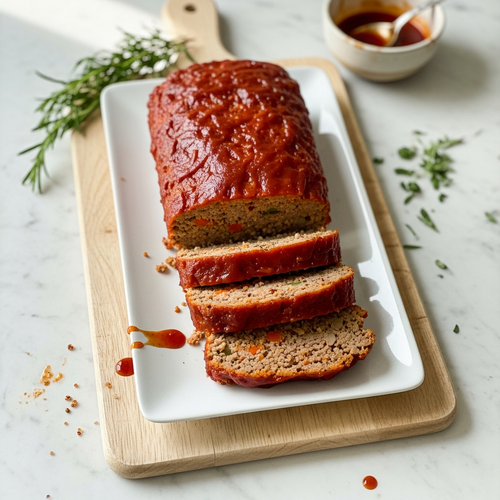
Description: A moist, flavorful, and high-protein meatloaf designed for a sustainable fat-loss lifestyle. It replaces traditional fillers with quinoa and Greek yogurt for a satisfying meal that crushes cravings and is perfect for meal prep.
Prep Time: 25 minutes | Cook Time: 60 minutes
Servings: 8
Macros per Serving | Calories: 313 | Protein: 29g | Fat: 13g | Carbohydrates: 16g
Ingredients
- 1 lb. 93% lean ground turkey
- 1 lb. 90% lean ground beef
- ½ cup uncooked quinoa, rinsed
- 1 cup low-sodium beef broth
- 1 tablespoon olive oil
- 1 medium yellow onion, finely chopped
- 1 red bell pepper, finely chopped
- 3 cloves garlic, minced
- 2 large egg whites, lightly beaten
- ¾ cup non-fat plain Greek yogurt
- 2 tablespoons tomato paste
- 2 tablespoons Worcestershire sauce
- 1 ½ teaspoons smoked paprika
- 1 teaspoon dried thyme
- 1 teaspoon kosher salt
- ½ teaspoon black pepper
- For the Glaze:
- ¼ cup tomato paste
- 2 tablespoons balsamic vinegar
- 1 tablespoon pure maple syrup or honey
- 1 teaspoon Dijon mustard
Instructions
- Preheat oven to 375°F (190°C) and line a baking sheet with parchment paper.
- In a saucepan, bring quinoa and beef broth to a boil. Reduce heat, cover, and simmer for 15-20 minutes until broth is absorbed. Set aside to cool.
- Sauté onion and bell pepper in olive oil until soft, about 5-7 minutes. Add garlic and cook for 1 more minute. Set aside to cool.
- In a large bowl, whisk together egg whites, Greek yogurt, 2 tbsp tomato paste, Worcestershire sauce, and all spices.
- Add the cooled quinoa, sautéed vegetables, ground turkey, and ground beef to the bowl. Mix gently with hands until just combined. Do not overmix.
- Shape the mixture into a 9×5 inch loaf on the prepared baking sheet.
- In a small bowl, whisk together all glaze ingredients. Spread half of the glaze over the meatloaf.
- Bake for 45 minutes. Spread the remaining glaze on top and bake for another 10-15 minutes, or until the internal temperature reaches 160°F (71°C).
- Let rest for at least 10 minutes before slicing.
Notes
For best results, use a meat thermometer to ensure the meatloaf is cooked through without overcooking. Baking on a sheet pan instead of a loaf pan helps the exterior brown and allows excess fat to drain away.
FAQs About Best Meatloaf For Weight Loss
Here are some straightforward answers to the most common questions I receive about this best meatloaf recipe.
What makes this the best meatloaf recipe for fat loss?
This recipe is specifically engineered for fat loss by focusing on three core principles: high protein, high satiety, and controlled calories. First, the combination of lean ground beef and turkey provides a massive dose of protein, which is crucial for building and maintaining muscle while in a calorie deficit. Protein also has a high thermic effect of food, meaning your body burns more calories just digesting it compared to fats and carbs.
Second, we tackle hunger management head-on. By replacing empty-calorie breadcrumbs with fiber-rich quinoa and adding volume with vegetables, each slice is incredibly filling. The fiber and complex carbs from the quinoa slow down digestion, providing steady energy and preventing the blood sugar spikes and crashes that lead to cravings. The Greek yogurt adds even more protein and moisture without the fat of sour cream or cheese.
Finally, every ingredient is chosen purposefully to maximize flavor without adding unnecessary calories. The glaze uses balsamic vinegar and a small amount of maple syrup for a tangy-sweet flavor, a much smarter choice than glazes made primarily from ketchup and brown sugar. It’s a complete meal that keeps you full and satisfied, making it much easier to stick to your overall calorie goals for the day.
Why is my best meatloaf dry, and how does this recipe prevent that?
Dry meatloaf is usually caused by one of three things: using meat that is too lean, overmixing the ingredients, or overcooking it. This recipe has built-in safeguards to prevent all three. While we do use lean meats, we create moisture and tenderness through other ingredients. The non-fat Greek yogurt is a game-changer; its acidity helps tenderize the meat, and it adds creamy moisture without adding fat. The sautéed vegetables also release moisture as they cook, keeping the interior of the loaf from drying out.
The second culprit, overmixing, is a common mistake. When you compact the meat mixture too much, the proteins tighten up during cooking, resulting in a dense, tough texture. That’s why the instructions emphasize mixing with your hands only until the ingredients are just combined. A light touch is key. Lastly, overcooking is easily avoided by using a meat thermometer. Cooking to a specific internal temperature (160°F) rather than just by time ensures you pull the meatloaf out of the oven the moment it’s done, locking in all the juices.
The 10-minute resting period after baking is also non-negotiable. It allows the juices that have migrated to the center of the loaf during cooking to redistribute throughout the meat. If you slice it open immediately, all that flavorful moisture will just pour out onto your cutting board, leaving you with a drier slice.
Can I make this best meatloaf ahead of time for meal prep?
Absolutely. This recipe was practically designed for meal prep. In fact, I think it’s one of the best high-protein options you can make for the week ahead. You have two excellent options for prepping it. First, you can bake the entire loaf, let it cool completely, slice it into your desired portions, and store the slices in airtight containers in the fridge. This way, you have a ready-to-eat protein source for lunch or dinner all week.
Your second option is to prep it uncooked. You can mix all the ingredients, shape the loaf on a parchment-lined tray or in a disposable loaf pan, cover it tightly, and refrigerate it for up to 24 hours before baking. This is a great strategy if you want a fresh-from-the-oven meal on a busy weeknight but don’t have time to do all the chopping and mixing. Just pull it out of the fridge, add the glaze, and bake as directed, maybe adding a few extra minutes to the cook time since it’s starting cold.
This level of prep-ahead flexibility is perfect for the ADHD brain. You can capitalize on a burst of motivation on Sunday to prepare your meals, making it much easier to stay on track when executive function is low later in the week. It removes decision-making and streamlines your path to a healthy meal.
Is this best meatloaf recipe freezer-friendly?
Yes, it is incredibly freezer-friendly, which is another reason it’s a staple in my kitchen. Freezing leftovers is a fantastic way to reduce food waste and build a stash of emergency healthy meals for those days when you have zero time or energy to cook. The key to successfully freezing meatloaf is to prevent freezer burn and preserve its texture.
I recommend freezing it in individual slices rather than as a whole loaf. Let the baked meatloaf cool completely, slice it, and then wrap each slice tightly in plastic wrap. Once wrapped, place all the slices into a large, freezer-safe zip-top bag, squeezing out as much air as possible before sealing. They will last for up to three months in the freezer this way. This method allows you to pull out exactly the number of portions you need without having to thaw the whole thing.
When you’re ready to eat it, the best way to thaw a slice is to move it from the freezer to the refrigerator overnight. Then you can reheat it in the microwave or air fryer until it’s hot all the way through. This simple process ensures you always have a high-protein, satisfying meal ready to go in minutes.
Why do you use quinoa instead of breadcrumbs in your best meatloaf?
Swapping quinoa for traditional breadcrumbs is one of the most significant “health hacks” in this recipe, and it serves multiple purposes. Traditional breadcrumbs are mostly simple carbohydrates that don’t offer much in the way of nutrition. They act as a filler and binder, but they can also absorb a lot of the fat, keeping it locked inside the meatloaf rather than letting it render away.
Quinoa, on the other hand, is a nutritional powerhouse. It’s a complete protein, meaning it contains all nine essential amino acids, which is rare for a plant-based food. By using quinoa, we are actively increasing the total protein content of the meatloaf, which aligns perfectly with our fat-loss goals. It’s also packed with fiber, which makes the meatloaf far more satiating than a version made with breadcrumbs. You feel fuller on a smaller portion and stay full for longer.
From a texture standpoint, the cooked quinoa does a fantastic job of keeping the meatloaf incredibly moist and tender. It holds onto moisture without becoming mushy, creating a perfect texture throughout the loaf. It’s a simple, strategic ingredient swap that boosts the nutritional profile, improves satiety, and results in a superior final product. It’s a clear example of working smarter, not harder, with your ingredients.
Try These High-Protein Recipes Next
If you enjoyed this recipe, here are a few other high-protein, ADHD-friendly meals you should try.
- Healthy Meatloaf Recipe with Oatmeal: Another one of my go-to meatloaf recipes that uses rolled oats as a binder for a slightly different texture and flavor profile.
- Easy & Healthy Meatball Recipe: Perfect for meal prep, these meatballs are versatile and can be served with pasta, in a sub, or on their own.
- Cracker Barrel Meatloaf Copycat: For when you’re craving that classic, homestyle flavor, this recipe offers a healthier take on the restaurant favorite.
Building a solid rotation of simple, delicious recipes is the key to staying consistent and reaching your goals.