
I have a confession to make. For years, I believed croissants were the enemy of fat loss. That buttery, flaky, melt-in-your-mouth perfection was something I could only have on a “cheat day,” which, for my ADHD brain, usually turned into a cheat week.
That all-or-nothing thinking is a classic ADHD trap. It’s the mindset that tells you one “bad” food ruins everything, so you might as well give up for the day. This is how I spun my wheels for years, yo-yoing between extreme restriction and uncontrolled binging.
When I finally lost 65 pounds, it was because I rejected that mindset. I learned to build a flexible system where my favorite foods could fit. That’s exactly why I created this high-protein croissant recipe. I wanted to prove that you can achieve your fitness goals without giving up the foods that bring you joy.
This recipe is the result of that philosophy. It’s a testament to working with your brain, not against it. We’re going to make a delicious, satisfying croissant that supports your goals, satisfies cravings, and helps you stay consistent for the long haul.
Skip to My Flexibe Diet Recipe!
Why This Croissant Is Great For Fat Loss
Let’s get one thing straight. Calling a croissant a “fat loss food” might sound like a stretch, but it’s all about context and construction. This isn’t your average coffee shop pastry. We’ve engineered this recipe specifically to align with the core principles of sustainable fat loss at ADHD FIT.
The number one principle is “protein first.” A typical croissant is almost entirely carbs and fat, which can spike your blood sugar and leave you hungry again an hour later. We change that by incorporating unflavored whey protein isolate and vital wheat gluten. This significantly boosts the protein content, turning a simple pastry into a more balanced macronutrient source.
Why does that matter? Protein is the king of satiety. It keeps you feeling fuller for longer. When you eat one of these croissants, you’re not just satisfying a craving for something flaky and buttery. You’re also giving your body the building blocks it needs and signaling to your brain that you’re full. This is crucial for managing the impulsive snacking that can often derail our progress.
We also make smart swaps to manage calories without sacrificing the experience. Using a high-quality light butter gives you that essential flaky texture with less fat. Monk fruit sweetener provides sweetness without the added sugar and calories. It’s about being strategic. This recipe allows you to include a comfort food in your plan, which is mentally freeing. It prevents the restriction-binge cycle because no food is off-limits. You can have your croissant, hit your protein goal, and keep moving toward your fat loss goals. That’s what flexible eating is all about.
Ingredients You’ll Need for Croissant
Making a great high-protein croissant starts with the right ingredients. This list might look a bit different from a traditional recipe, but each item has a specific job to do. We’re not just making a pastry; we’re building a tool for our fitness journey.
The two most important players here are the whey protein isolate and vital wheat gluten. These are our protein powerhouses. It is critical to use an unflavored whey isolate, as a vanilla or chocolate version will completely take over the flavor profile. The vital wheat gluten not only adds protein but also helps develop the strong, elastic dough structure needed to support all those buttery layers.
Here’s the full list of what you’ll need to grab.
-
2 cups bread flour
-
½ cup unflavored whey protein isolate
-
¼ cup vital wheat gluten
-
1 tablespoon granulated monk fruit sweetener
-
2 ¼ teaspoons instant yeast
-
1 teaspoon salt
-
¾ cup warm skim milk (around 110°F)
-
¼ cup plain, non-fat Greek yogurt
-
1 large egg, beaten
-
1 cup cold, high-quality light butter, thinly sliced
-
1 large egg, for egg wash
-
1 tablespoon water, for egg wash
A quick note on the butter. While we are using a light butter to save on calories, quality matters immensely. The process of lamination (creating layers of dough and butter) is what gives a croissant its signature flakiness. A cheap, watery light butter will melt into the dough and ruin the texture. Go for the best one you can find; it will make a world of difference.
Similarly, using bread flour instead of all-purpose flour is an intentional choice. Bread flour has a higher protein content, which contributes to a chewier, more structured final product that can stand up to the lamination process.
How To Make Croissant (Step-By-Step)
Okay, I’ll be honest. Making croissants from scratch is a project. It has a lot of steps, which can feel intimidating for an ADHD brain. But we’re going to break it down into simple, manageable chunks. My best ADHD tip for this recipe: split it over two days. Do the dough and the first turn on day one, then finish the rest on day two. This prevents overwhelm and makes it feel like a fun weekend project instead of a monumental chore.
Step 1: Combine The Dry Ingredients
In a large bowl, get your whisk and combine the bread flour, whey protein isolate, vital wheat gluten, monk fruit sweetener, yeast, and salt. Whisking them together now ensures everything is evenly distributed before you add the wet ingredients. No surprise pockets of salt or yeast later on.
Step 2: Mix The Wet Ingredients
Grab a separate, smaller bowl. In here, whisk together the warm skim milk, plain Greek yogurt, and one beaten egg. The milk should be warm to the touch, around 110°F, which is perfect for activating the yeast without killing it.
Step 3: Form The Dough
Pour the wet mixture into the dry ingredients. Use a spatula or wooden spoon to mix until a shaggy, messy dough forms. Don’t worry if it looks a little rough at this stage. That’s completely normal.
Step 4: Knead The Dough
Turn the dough out onto a lightly floured surface. Now it’s time to knead. Knead for about 5 to 7 minutes. You’re looking for the dough to transform from shaggy to smooth and elastic. This develops the gluten, which is crucial for the croissant’s structure.
Step 5: Let It Rise
Form your smooth dough into a ball and place it in a lightly oiled bowl. Cover it with a clean kitchen towel and put it in a warm, draft-free spot. Let it rise for 1 to 2 hours, or until it has doubled in size.
Step 6: Prepare The Butter Block
While the dough is doing its thing, prepare the butter. Arrange the slices of cold light butter between two large pieces of parchment paper. Use a rolling pin to pound and roll the butter into a flat rectangle, about 6×8 inches. The goal is an even, solid block. Pop this into the fridge to keep it cold and firm.
Step 7: Roll Out The Dough
Once the dough has risen, gently punch it down to release the air. On a floured surface, roll it out into a rectangle that’s about twice the size of your butter block. Think of it as a jacket for the butter.
Step 8: Encase The Butter
Place the cold butter block in the center of your dough rectangle. Fold the sides of the dough over the butter like you’re folding a letter. Pinch all the seams together to make sure the butter is completely sealed inside. This is a critical step!
Step 9: The First Turn
Carefully roll the dough package into a long rectangle. Then, fold this rectangle into thirds again, like a letter. This process of rolling and folding is called a “turn,” and it’s what creates all the amazing layers.
Step 10: Chill The Dough
Wrap your folded dough tightly in plastic wrap and put it in the refrigerator for at least 30 minutes. This lets the gluten relax and, more importantly, keeps the butter cold and solid.
Step 11: Complete Two More Turns
Repeat the process of rolling, folding, and chilling two more times. You’ll do a total of three turns. Remember to chill for 30 minutes after each turn. This is where patience pays off.
Step 12: The Final Roll
After the third and final chill, roll the dough out into a large rectangle about a quarter-inch thick. Be gentle but firm. You’ve worked hard for those layers, so don’t squish them.
Step 13: Cut The Croissants
Using a pizza cutter or a sharp knife, cut the dough into long, skinny triangles. The wider the base of the triangle, the more layers your croissant will have.
Step 14: Shape The Croissants
Starting at the wide end of a triangle, gently roll it up toward the point. Don’t roll too tightly. You want to give the layers room to expand as they bake.
Step 15: Arrange On Baking Sheet
Place the shaped croissants on a baking sheet lined with parchment paper. Give them some space to grow. You can curve the ends in to create that classic crescent shape if you like.
Step 16: The Final Proof
Cover the croissants with a kitchen towel and let them proof in a warm spot for 30 to 45 minutes. They should look noticeably puffy and feel light.
Step 17: Preheat The Oven
While the croissants are proofing, preheat your oven to 400°F (200°C). Having a hot oven is key to getting a good “oven spring,” where the croissants puff up dramatically.
Step 18: Prepare The Egg Wash
In a small bowl, whisk the remaining egg with one tablespoon of water. This egg wash will give your croissants a beautiful, glossy, golden-brown finish.
Step 19: Apply The Egg Wash
Gently brush the tops of the proofed croissants with the egg wash. Try to avoid letting it drip down the sides, as this can seal the layers together and prevent them from rising properly.
Step 20: Bake To Perfection
Bake for 15 to 20 minutes. You’re looking for them to be deeply golden brown and flaky. The smell in your kitchen will be absolutely incredible.
Step 21: Cool And Enjoy
Let the croissants cool on a wire rack for at least a few minutes before diving in. This allows the structure to set. Then, enjoy the fruits of your labor!
How To Serve Croissant (ADHD-Friendly)
Now that you’ve baked these beautiful, high-protein croissants, how do you fit them into your day without getting off track? The key is planning. For the ADHD brain, spontaneity with food can be a slippery slope. Decide ahead of time how you’re going to eat your croissant so it becomes a planned part of a balanced meal, not an impulsive snack.
My favorite way to serve these is to use them as a base for a high-protein sandwich. Because the croissant itself already has a good amount of protein, you’re just building on that foundation. This turns it from a simple pastry into a genuinely satisfying meal that will keep you full for hours and help you crush your macros for the day.
Here are a few brutally practical ideas to get you started:
-
The Ultimate Breakfast Sandwich: Slice a croissant in half and fill it with scrambled egg whites, a slice of reduced-fat cheese, and a couple of pieces of lean turkey bacon. This is a protein-packed powerhouse to start your day.
-
Shredded Chicken Salad Lunch: Mix canned or pre-cooked shredded chicken breast with plain non-fat Greek yogurt, a little Dijon mustard, and some chopped celery. Pile it onto a croissant for a quick, delicious, and high-protein lunch.
-
Sweet & Simple Protein Treat: If you’re craving something sweet, slice a croissant and top it with a smear of plain Greek yogurt and a handful of fresh berries. It feels indulgent but still aligns with your goals.
The goal is to pair the croissant with other nutrient-dense foods, especially more protein and some fiber from fruits or veggies. This approach ensures you’re not just eating a pastry but constructing a complete meal that manages hunger and supports your fitness journey.
How To Store, Reheat, and Reuse Croissant
One of the best ADHD life hacks is the concept of “cook once, eat twice” (or three or four times). Since this croissant recipe is a bit of a project, you’ll want to make sure none of your hard work goes to waste. Proper storage is key to enjoying these for days to come.
Your “Future Self” will thank you for taking a few extra minutes to store these correctly. Having a delicious, macro-friendly option ready to go is a powerful defense against last-minute takeout orders on a low-motivation day. Here’s how to keep them fresh.
-
Room Temperature (1-2 Days): For short-term storage, an airtight container on the counter is your best bet. A plastic bag can trap moisture and make them soggy, so a container or bread box is ideal. They are best enjoyed within two days.
-
Freezing (Up to 1 Month): For longer storage, the freezer is your friend. Let the croissants cool completely. I recommend “flash freezing” them by placing them on a baking sheet in the freezer for about an hour until they are solid. Then, you can transfer them to a freezer-safe bag or container. This prevents them from getting squished.
-
Reheating: The absolute best way to bring a croissant back to life is in the oven or an air fryer. A few minutes at 350°F (175°C) will make them warm, crisp, and flaky again. Whatever you do, avoid the microwave! It will turn your beautiful pastry into a sad, steamy, chewy mess.
If a croissant or two happens to go a bit stale, don’t throw them out! You can slice them up, toss with a little spray oil and seasoning, and bake them into amazing croutons for a salad. Or, you can tear them into pieces and use them as the base for a high-protein bread pudding or French toast bake. Waste not, want not.
Easy Swaps & Variations for Croissant
The core of a flexible diet is, well, flexibility. While this recipe is designed to maximize protein and flavor, I understand that you might not have every single ingredient on hand. The goal is consistency, not perfection. A “good enough” homemade croissant is always better than giving up and ordering a dozen from the bakery.
Don’t let a missing ingredient derail your plan. Here are some simple swaps and variations you can make. Just remember that changing key ingredients like the flour or protein sources will alter the final texture and macros, but that’s okay. Experiment and see what works for you.
Here are a few tested ideas to get you started:
-
Flour Swap: If you don’t have bread flour, you can use all-purpose flour. The result will be slightly softer and less chewy, but still delicious. I wouldn’t recommend substituting more than 25% of the flour with whole wheat, as it can make the dough too heavy for proper lamination.
-
Sweetener Options: If you don’t have granulated monk fruit, you can use another 1:1 sugar substitute like erythritol, or even regular table sugar if you don’t mind the extra calories. Just be sure to account for it in your daily macros.
-
Make ‘Em Savory: Add a savory twist by incorporating a quarter cup of grated parmesan cheese and a teaspoon of garlic powder into the dry ingredients. You can also sprinkle some “everything bagel” seasoning on top with the egg wash before baking.
-
Make ‘Em Sweet: For a classic treat, place a small piece of high-quality dark chocolate at the wide end of the triangle before rolling it up to make a pain au chocolat. The macros will change, so be sure to track it!
Remember, this recipe is a template. Use it as a starting point. The more you make it your own, the more likely you are to stick with it. That’s how we build sustainable habits that last a lifetime.
High-Protein Croissant For Fat Loss
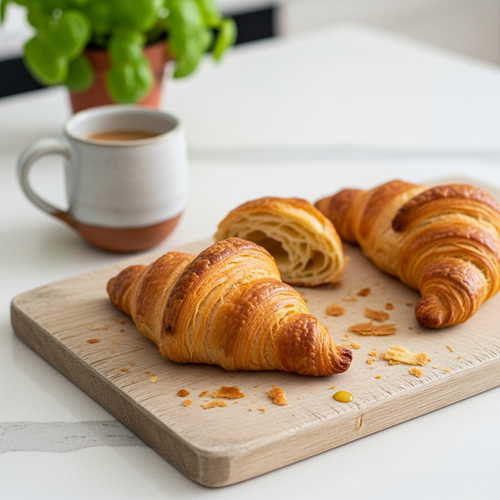
Description: A delicious, flaky, and buttery croissant redesigned to be high in protein and fit perfectly into a fat loss lifestyle. Finally, a bakery favorite you can enjoy without derailing your progress.
Prep Time: 45 minutes | Cook Time: 20 minutes
Servings: 12 croissants
Macros per Serving | Calories: 220 | Protein: 10g | Fat: 11g | Carbohydrates: 17g
Ingredients
- 2 cups bread flour
- ½ cup unflavored whey protein isolate
- ¼ cup vital wheat gluten
- 1 tablespoon granulated monk fruit sweetener
- 2 ¼ teaspoons instant yeast
- 1 teaspoon salt
- ¾ cup warm skim milk (around 110°F)
- ¼ cup plain, non-fat Greek yogurt
- 1 large egg, beaten
- 1 cup cold, high-quality light butter, thinly sliced
- 1 large egg, for egg wash
- 1 tablespoon water, for egg wash
Instructions
- Whisk dry ingredients (flour, protein, gluten, sweetener, yeast, salt) in a large bowl.
- In a separate bowl, whisk wet ingredients (warm milk, yogurt, one egg).
- Combine wet and dry ingredients and mix to form a shaggy dough. Knead on a floured surface for 5-7 minutes until smooth.
- Let the dough rise in an oiled, covered bowl for 1-2 hours until doubled.
- While rising, pound cold butter slices between parchment paper into a 6×8 inch block. Refrigerate.
- Roll risen dough into a rectangle twice the size of the butter block. Encase the butter in the dough, sealing the edges.
- Roll the package into a long rectangle and fold it into thirds (first “turn”). Refrigerate for 30 minutes.
- Repeat the roll, fold, and 30-minute refrigeration process two more times for a total of three turns.
- Roll the final dough to ¼ inch thick and cut into long triangles.
- Roll each triangle from the wide end to the point and place on a parchment-lined baking sheet.
- Let proof for 30-45 minutes until puffy. Preheat oven to 400°F (200°C).
- Brush with an egg wash (one egg mixed with 1 tbsp water).
- Bake for 15-20 minutes until golden brown. Cool on a wire rack.
Notes
This recipe involves significant chilling and rising time (around 4 hours total). The prep time listed reflects active work time. For best results, split the process over two days.
FAQs About Croissant For Weight Loss
Here are some straightforward answers to the most common questions I receive about this croissant recipe.
Can I really eat this protein croissant and still lose weight?
Yes, absolutely. Fat loss is determined by your total daily energy balance, meaning calories in versus calories out. No single food, whether it’s a broccoli spear or a croissant, will make or break your progress. The problem arises when a food is so high in calories and low in nutrients that it makes staying in a calorie deficit very difficult.
That’s what makes this recipe so powerful. We’ve re-engineered the classic croissant to be more macro-friendly. By adding protein, we increase its satiety, helping you stay full and avoid overeating later. By using light butter and a zero-calorie sweetener, we lower the overall calorie count. This allows you to fit a satisfying, delicious treat into your daily calorie budget without the guilt or the metabolic fallout of a traditional pastry.
Why is there so much butter in this fat-loss croissant recipe?
This is a great question. It seems counterintuitive to use a full cup of butter in a “fat loss” recipe. The butter, however, is essential to what makes a croissant a croissant. The magic comes from a process called lamination, where you create dozens of paper-thin alternating layers of dough and butter. When the croissant hits the hot oven, the water in the butter creates steam, pushing the dough layers apart and creating that iconic light, airy, flaky texture.
Without that butter block, you’d just have a bread roll. Our strategy here isn’t elimination, it’s optimization. We manage the calories by using a high-quality *light* butter, which typically has about half the calories and fat of regular butter. This gives us that essential texture and flavor while making the final product much more manageable within a calorie-controlled diet.
Is this high-protein croissant recipe complicated for someone with ADHD?
I will not lie to you: this is one of the more involved recipes on the site. It has multiple steps and requires patience with all the chilling and waiting. This can definitely be a challenge for an ADHD brain that craves novelty and immediate results. However, you can absolutely do it by framing it correctly and using some simple strategies.
First, don’t try to tackle this on a busy weekday. Save it for a weekend when you have more time and mental bandwidth. Second, and most importantly, break it down. Think of it as two separate, smaller projects. On Day 1, make the dough and do the first butter turn. That’s it. On Day 2, you’ll do the final turns, shape, and bake. This makes it far less overwhelming. Put on a podcast or your favorite music, and try to enjoy the process. The pride you’ll feel when you pull these out of the oven is a huge dopamine hit!
What if I don’t have whey protein or vital wheat gluten for this croissant?
The whey protein isolate and vital wheat gluten are the key ingredients that transform this from a standard pastry into a high-protein recipe. If you omit them and replace them with more flour, the recipe will still work, but you will essentially be making a traditional, lower-protein croissant. You’ll lose the benefits of added satiety and a more balanced macro profile.
I highly recommend getting these ingredients if you plan to make this recipe a regular part of your routine. Unflavored whey protein isolate and vital wheat gluten are incredibly versatile for high-protein baking and can be used in everything from bread to pancakes. You can easily find them online from retailers like Amazon or specialty baking stores if they aren’t available at your local grocery store.
How does this croissant help with cravings?
This gets to the very heart of the ADHD FIT philosophy. The most common reason diets fail is that they are unsustainable. Extreme restriction, where you label foods as “good” or “bad” and forbid yourself from eating the “bad” ones, almost always leads to a powerful backlash. The more you tell yourself you *can’t* have a croissant, the more your brain obsesses over it, leading to intense cravings and eventual binging.
This recipe short-circuits that entire cycle. By creating a version of the food you crave that fits your nutritional goals, you remove the restriction. You can plan to have a delicious, buttery croissant as part of your day. This satisfies the psychological craving, while the added protein satisfies your physical hunger. It’s a win-win that helps you build a healthy, long-term relationship with food, free from guilt and the all-or-nothing mindset.
Try These High-Protein Recipes Next
If you loved making a fitness-friendly version of a classic bakery treat, here are a few other recipes you should try next.
-
Gooey High-Protein Cinnamon Rolls: Experience the magic of a warm, gooey cinnamon roll, packed with protein to fuel your morning and crush cravings.
-
Simple High-Protein Crepes: This versatile recipe can be made sweet or savory and is a perfect high-protein base for a quick and impressive meal.
-
Croissant French Toast Bake: Have some leftover croissants? This incredible recipe from This Gal Cooks is the perfect way to turn them into a decadent brunch dish.
Keep finding ways to make your fitness journey enjoyable, and you’ll never have a reason to quit.